You will find a clear, active introduction below that answers the topic and invites curiosity. Activity-Based Working (ABW) changes where and how people work by matching workplace areas to tasks. It can boost teamwork, focus, and flexibility when a company designs zones, tools, and rules to fit how people actually work. This shift forces teams to rethink habits, communication, and shared responsibility.
They will face practical changes like new office layouts, booking systems, and habits for collaboration and quiet work. These shifts can improve engagement and creativity, but they also need training, clear rules, and good technology to succeed.
Key Takeaways
- ABW aligns workspaces with tasks to improve how people work.
- Successful ABW needs clear practices, tools, and training.
- ABW reshapes teamwork, communication, and employee habits.
Understanding Activity-Based Working and Its Key Elements

Activity-Based Working reallocates space and tools so people pick where they work based on tasks. It aligns physical zones, technology, and behavior to support focus, collaboration, and short meetings.
Definition and Principles of Activity-Based Working
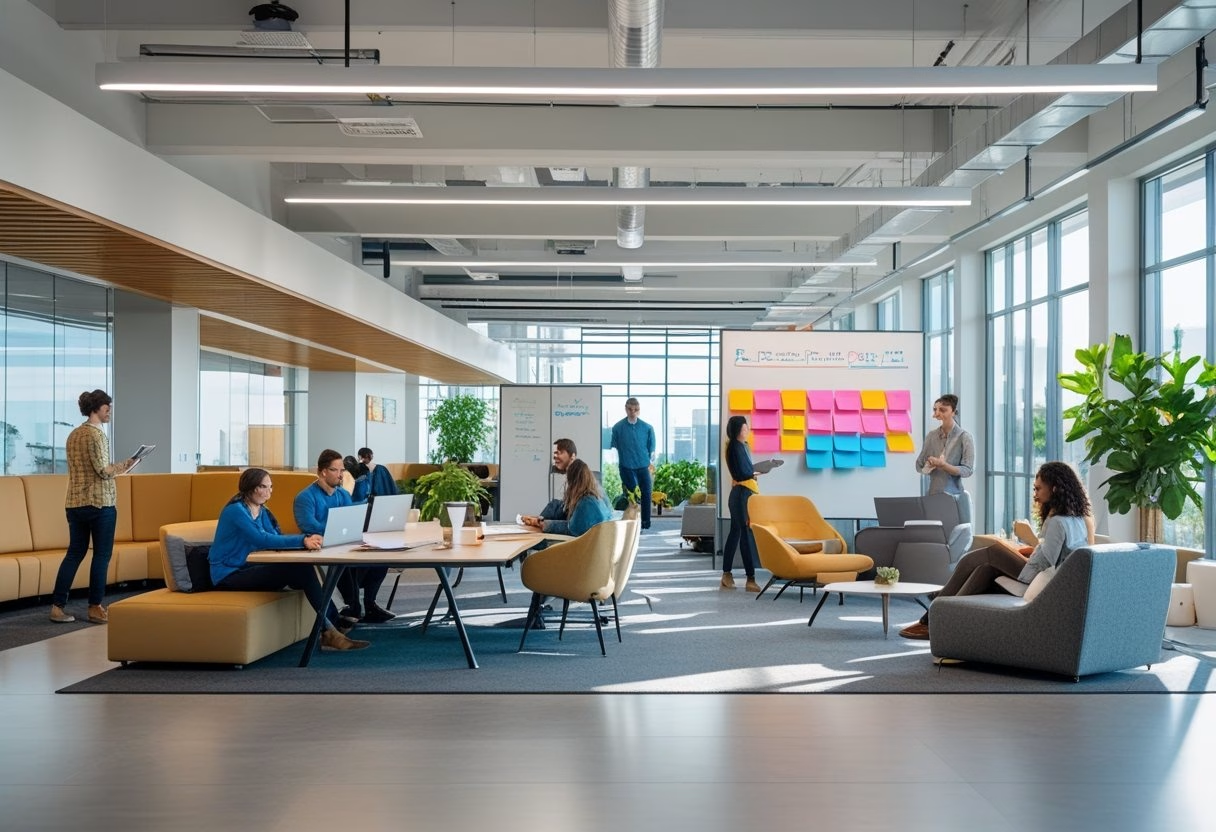
Activity-Based Working (ABW) lets employees choose work locations based on the activity they must complete. It removes assigned desks and replaces them with a mix of zones—main activity areas and supporting spaces—so teams can move between focus, collaboration, and social zones.
Key principles include flexibility, user choice, and purpose-built design. Flexibility means people can work in an open space for quick alignment or in a quiet zone for deep focus. User choice requires visible cues and booking systems so staff know where to go. Design focuses on ergonomics and clear zoning to reduce friction and wasted time.
ABW also depends on clear policies about shared resources, desk etiquette, and privacy options like care rooms or small booths for confidential calls. When these principles work together, the workplace supports different work modes without adding stress.
Types of Workspaces in ABW
ABW divides the office into defined workspace types to match tasks. Main zones include open space for informal teaming, designated ruang kolaborasi for project work, and private zones for concentration. Supporting areas include a front office for reception, a care room for nursing or quiet recovery, and small meeting rooms for one-on-one conversations.
Design often uses modular furniture, movable partitions, and labeled zones like zona utama (primary activity areas) and zona pendukung (supporting areas). A clear map or app helps staff find spaces fast. Rooms for scheduled meetings, like ruang rapat, sit near collaboration zones to shorten travel time.
This mix reduces desk clutter and helps teams match space to need. It also cuts wasted real estate by sharing workstations across shifts and roles.
Role of Technology in ABW Environments
Technology ties ABW spaces together by making rooms discoverable, enabling remote work, and storing shared files. Core tools include cloud data platforms for document access, calendar-integrated room booking, and occupancy sensors to show real-time availability.
Collaboration software supports hybrid meetings from ruang kolaborasi or open space with video, screen sharing, and whiteboard features. Secure cloud data ensures staff can move between desks without losing access to files. IT must provide fast Wi-Fi, device docking, and standard audio/video kits in ruang rapat.
Technology policies must cover data security, device standards, and how to reserve zones. Good tech reduces friction, so people focus on work rather than on finding the right place or the right file.
The Impact of Activity-Based Working on Organizational Work Culture

Activity-based working changes how people use space, time, and tasks. It affects collaboration, productivity, and routines by shifting work from fixed desks to activity-matched spaces and more flexible schedules.
Transformation of Work Culture Through ABW
ABW replaces assigned desks with shared zones for focused work, meetings, and social tasks. Employees must learn new office rules and behaviors to move between zones with purpose. This shift encourages a culture of choice: people decide where to work based on the task, not habit.
Leadership style often changes. Managers move from supervising physical presence to measuring outcomes. That creates pressure for clear expectations and transparent policies from HR and units such as finance or ministry teams like Kementerian Keuangan when used in public sector settings.
Organizations see institutional shifts: meeting norms, booking systems, and etiquette rules become formalized. Participation in rollout activities—seminars, workshops, and manager briefings—boosts acceptance and reduces resistance during change.
Productivity, Collaboration, and Employee Well-being
ABW can raise productivity when spaces match activities: quiet booths for concentration, collaboration hubs for teamwork, and touch-down areas for hybrid workers. Clear office rules and training help preserve focused time and reduce interruptions.
Collaboration often increases across teams because shared spaces and ad hoc encounters break down silos. This benefits cross-department projects and creates new informal networks, useful for ministries, agencies, and distributed teams working with hybrid schedules or work-from-home patterns.
Well-being improves for many through better work–life balance and flexible working hours, but only if policies support predictable schedules and desk availability. Without good rules, employees may feel stressed by noise, desk scarcity, or unclear expectations.
Implementation Challenges and Success Factors
Common barriers include poor change management, weak communication, and low employee participation in implementation activities. Organizations that skip training, feedback sessions, or clear office rules risk low satisfaction and wasted space.
Success factors: involve employees early, run ergonomic and informational seminars, define booking and etiquette rules, and train managers to evaluate outputs rather than presence. Measuring occupancy and surveying staff before and after rollout guides adjustments.
Practical tips:
- Offer multiple implementation activities (seminars, workshops).
- Create simple booking and signage systems.
- Track productivity and satisfaction metrics at 3 and 9 months.
These steps help align ABW with institutional goals, reduce conflict, and support flexible working space adoption during and after events like COVID-19.