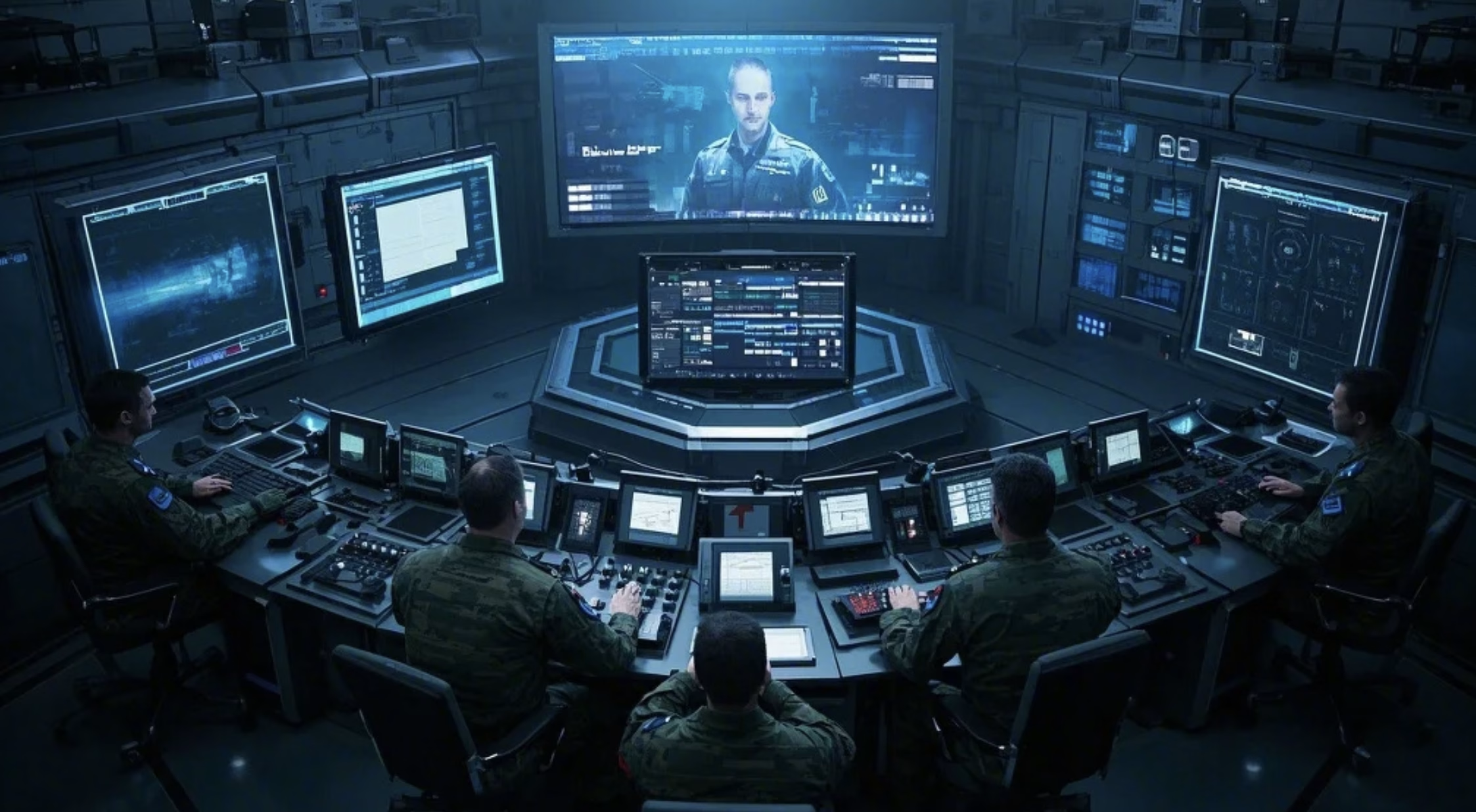
In today’s fast-paced world, effective crisis management is essential for businesses and organizations. With the increasing complexity of crises, traditional communication methods may not be enough. AV technology plays a critical role in enhancing real-time communication, ensuring that decision-makers can access vital information quickly and respond effectively.
By integrating audio-visual technology, teams can collaborate seamlessly, share crucial data, and visualize information in real-time. This capability not only boosts situational awareness but also strengthens teamwork during high-pressure situations. As we face an uncertain future, investing in AV technology becomes a strategic advantage for navigating potential crises.
Key Takeaways
- AV technology improves real-time communication during crises.
- Enhanced collaboration leads to better decision-making and outcomes.
- Investing in AV solutions prepares us for future challenges.
Understanding Crisis Management In The Corporate World
Crisis management plays a vital role in how corporations navigate unexpected challenges. Effective strategies can make the difference between recovery and failure. Quick decision-making and clear communication are two essential aspects we must address.
The Importance Of Quick Decision-Making
In a crisis, time is of the essence. Our ability to make quick decisions can greatly affect the outcome. We must identify key facts swiftly and assess their implications.
Using a structured approach, such as a decision-making matrix, helps in evaluating options efficiently. This ensures that we focus on relevant data rather than get lost in unnecessary details.
Well-established protocols speed up our responses. Regular drills and training keep our teams familiar with procedures. This preparedness allows us to remain calm and approach crises systematically.
Remember, hesitation can lead to lost opportunities. Therefore, we prioritize expedient decision-making to maintain trust and mitigate risks.
Common Challenges In Crisis Communication
Clear communication is crucial during any crisis. Still, many organizations face several challenges in this area. Miscommunication can arise from confusion, misinformation, or poorly constructed messages.
First, we must address the need for consistency. Different departments may inadvertently send mixed messages to stakeholders. This can erode trust and create confusion.
Additionally, our message must be transparent and straightforward. Jargon or technical language can alienate our audience, making it harder for them to understand the situation.
We also need to adapt to various platforms. Each medium—social media, email, or press releases—requires a tailored approach. Our flexibility ensures we reach our audience effectively.
By recognizing these challenges, we can create a solid communication plan that works effectively during crises.
How AV Technology Enhances Crisis Communication
AV technology plays a key role in improving communication during crises. By offering real-time solutions and collaborative tools, we can ensure that information flows smoothly and effectively. This enhances decision-making and coordination among teams.
Real-Time Communication Solutions
AV technology provides real-time communication solutions that are crucial in crisis situations. We can implement advanced LED displays and video walls to relay important information quickly. These tools ensure that all team members receive updates simultaneously, reducing the risk of misinformation.
Utilizing digital signage allows us to broadcast crucial alerts and instructions. This can be essential for public safety during emergencies. Our ability to integrate these systems with existing communication platforms ensures a seamless flow of information.
Audio-visual systems can also support live remote interactions. This means that even teams in different locations can connect instantly. This capability facilitates a unified response and can help in managing crises more effectively.
Collaborative Tools For Crisis Management
Collaboration is vital during a crisis, and AV technology offers various tools to enhance teamwork. We can use platforms that allow for real-time sharing of documents and data. This increases transparency among team members and streamlines decision-making.
Video conferencing tools give us the ability to conduct meetings immediately. We can easily bring together experts and stakeholders from different locations, allowing us to make informed decisions faster. These collaborate tools help build a cohesive unit in times of need.
Moreover, working with an experienced audio visual contractor ensures that we set up these technologies correctly. They can assist in choosing the right equipment and optimizing our setup for maximum impact. By investing in quality AV solutions, we significantly enhance our crisis management capabilities.
The Benefits Of AV Integration In Crisis Scenarios
Integrating AV technology enhances communication clarity and collaboration during crises. This integration allows for real-time information sharing, making it essential for effective decision-making.
Ensuring Clear Messaging
In a crisis, delivering clear and timely messages is crucial. AV integration enables us to communicate effectively in different environments, such as meeting rooms or conference rooms. By using high-quality audio and visual systems, like video conferencing tools, we can ensure that everyone receives consistent updates.
Using panic alerts and visual displays, we can inform staff and stakeholders immediately. Clear messaging helps prevent misunderstandings and ensures that everyone is aligned in their response strategies. Additionally, having an experienced audio visual system integrator can tailor these systems to meet specific needs, ensuring our communication is as effective as possible.
MLV Teknologi’s Expertise In Crisis Situations
MLV Teknologi specializes in AV solutions for crisis management. Their expertise allows organizations to adapt quickly to changing situations. They help integrate systems that facilitate communication and collaboration.
With MLV Teknologi, we benefit from advanced video conferencing capabilities and collaborative tools that enhance decision-making. Their experience as an AV integrator ensures our systems work seamlessly, whether we are in a crisis management center or a remote location.
By relying on professionals who understand the needs of crisis scenarios, we can improve our operational efficiency during emergencies. This level of support is vital for maintaining order and response effectiveness in challenging times.
Preparing For Future Crises: AV Technology As A Strategic Investment
In times of uncertainty, having the right tools is essential. We believe that investing in AV technology enhances our ability to collaborate effectively and respond to crises. Here’s how we can build resilience and create a crisis-ready environment.
Building Resilience Through Technology
We recognize that AV technology plays a crucial role in crisis management. By integrating advanced audiovisual systems, we can improve communication during emergencies. This includes real-time video conferencing, scalable audio solutions, and interactive displays.
Key benefits include:
- Instant Communication: AV tools facilitate immediate updates among teams. This helps us make quick decisions.
- Collaboration: Technology allows us to connect with partners and stakeholders, regardless of location.
- Training and Simulations: We can use AV systems for training exercises, preparing our teams for potential scenarios.
By investing in these technologies, we position ourselves to handle crises efficiently.
MLV Teknologi’s Vision For Crisis-Ready Collaboration
At MLV Teknologi, we aim to lead in AV solutions specific to crisis readiness. Our approach focuses on customizable systems tailored to the needs of organizations.
We emphasize:
- User-Friendly Interfaces: Our tools are designed for easy navigation, so teams can focus on critical matters during a crisis.
- Scalability: Our AV technology grows with our clients. Whether it’s a small meeting room or a large conference hall, we have solutions that fit.
- Integration: We ensure seamless integration with existing infrastructure. This reduces downtime during critical moments.
By prioritizing these elements, we can enhance collaboration and readiness for future challenges.
Frequently Asked Questions
In this section, we address common questions about the role of AV technology in crisis management and collaboration. Our focus is on how AV systems enhance communication and coordination during emergencies, improve training, and contribute to overall response effectiveness.
How does AV technology enhance real-time communication during emergencies?
AV technology allows for instant sharing of information through video calls, broadcasts, and alerts. This enables teams to communicate effectively, ensuring that everyone is informed about the situation and response plans. Real-time updates reduce confusion and help in making timely decisions.
In what ways can AV systems improve coordination among crisis response teams?
AV systems facilitate collaboration by connecting different response teams through shared platforms. This connection helps teams work together seamlessly, even if they are in different locations. Enhanced communication tools ensure that all team members are aligned, which is crucial in crisis situations.
What are the advantages of using AV technology for training simulations in crisis preparedness?
Using AV technology for training simulations allows responders to practice in realistic scenarios. This helps teams develop their skills and improve their response times. Participants can review recordings of their performances, enabling them to identify areas for improvement in a safe environment.
How has AV technology impacted the speed and efficiency of crisis response?
The integration of AV technology has significantly reduced the time needed for coordination during crises. With instant communication and data sharing, teams can mobilize more quickly and effectively. This leads to faster decision-making and a more organized response.
Can AV technology be integrated with other systems for comprehensive crisis management solutions?
Yes, AV technology can be integrated with various systems, such as emergency notification software and incident management tools. This integration allows for a more cohesive approach to crisis management. By combining different technologies, we can enhance overall efficiency and effectiveness.
What are the best practices for maintaining AV technology in readiness for potential crises?
To keep AV technology ready for emergencies, regular maintenance and updates are essential. We should conduct routine checks on equipment and ensure software is up to date. Training staff on the use of AV systems is also important to ensure everyone can operate them effectively in a crisis.