
In today’s fast-paced business environment, enhancing efficiency and engagement is essential for success. AV system integration plays a crucial role in achieving these goals, allowing us to streamline communication and collaboration across our teams. By combining audio and visual technologies, we create an environment where information flows smoothly, leading to better decision-making and increased productivity.

As companies shift toward more integrated workspaces, the value of AV system integration becomes clearer. It not only boosts teamwork but also enables effective presentations and information sharing. Implementing these systems helps us modernize our approach, making our work more engaging and efficient.
With the rapid advancements in technology, we must recognize the urgency of adopting integrated AV solutions. These tools empower our teams to connect in ways that were previously unimaginable, fostering a more dynamic workplace culture that drives results.
Key Takeaways
- AV system integration enhances communication and collaboration in the workplace.
- Implementing AV solutions improves overall productivity and engagement.
- Embracing technology is essential for staying competitive in modern business.
The Importance Of AV System Integration In Modern Workspaces
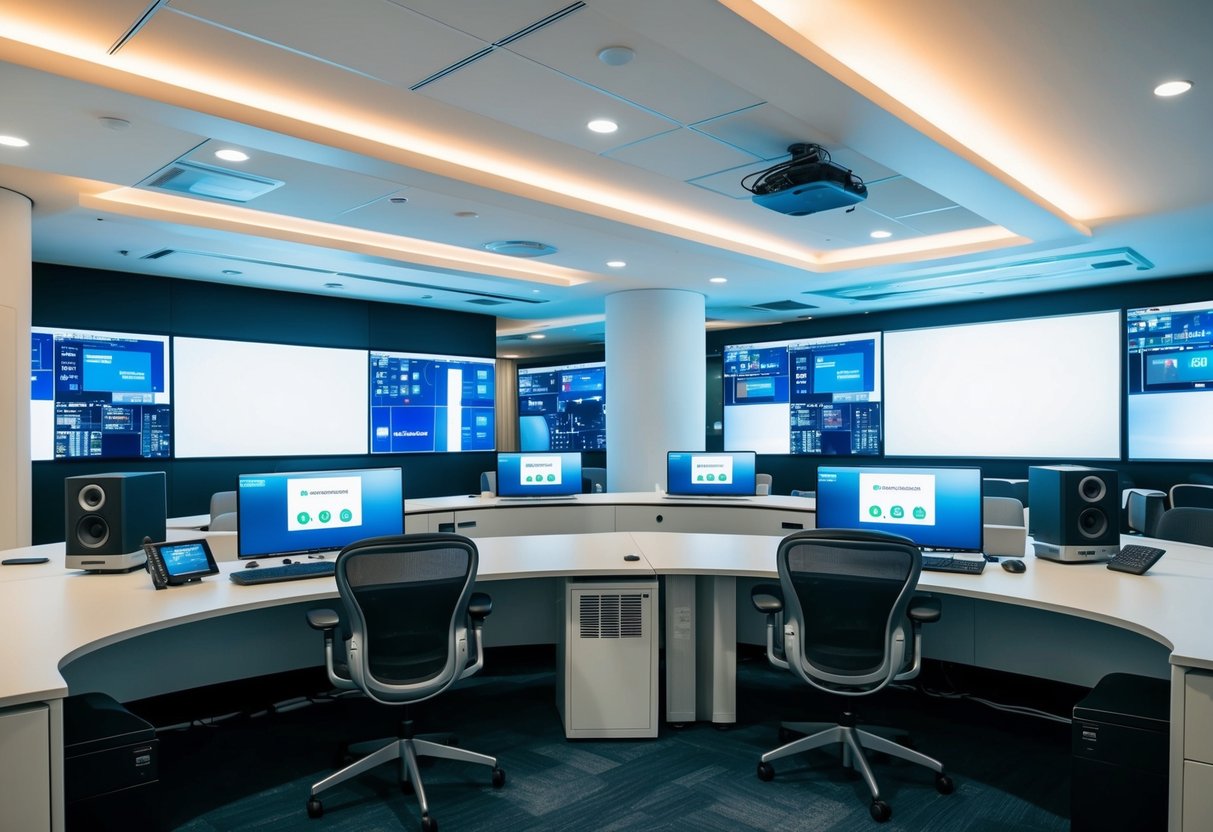
AV system integration is essential in enhancing communication and creating immersive experiences in today’s workplaces. By streamlining audio-visual solutions, we can considerably improve collaboration and productivity.
Understanding AV System Integration
AV system integration involves the combination of audio and visual components into a cohesive setup. This technology allows us to use projectors, monitors, microphones, and speakers seamlessly.
Effective integration promotes clear communication. It enables teams to conduct virtual meetings and presentations without technical hitches. As a result, information is shared quickly and effectively.
Moreover, an integrated system can provide immersive experiences. For instance, businesses can create engaging training sessions and interactive presentations. This not only keeps team members focused but also enhances retention of information.
Addressing The Shift In Workplace Dynamics
The modern workplace is evolving. Remote work and hybrid teams require new methods of collaboration. AV system integration meets these challenges head-on.
With the right technology, we can connect remote teams and local employees effortlessly. Tools like video conferencing systems make it easier to work together, regardless of location. This enhances our ability to share ideas and drive projects forward.
Moreover, integrated AV systems help us adapt to changing workplace dynamics. We can easily adjust setups for different occasions, from training seminars to casual brainstorming sessions. This flexibility ensures everyone remains engaged and productive, no matter the format of our work.
Key Benefits Of AV System Integration

In today’s workplace, integrating audio-visual (AV) systems offers significant benefits that can enhance our productivity and help attract top talent. This integration supports better communication, collaboration, and overall efficiency.
Enhancing Productivity And Effectiveness
AV system integration streamlines workflow and improves collaboration among teams. By using tools that connect audio and visual elements seamlessly, we can enhance communication during meetings and presentations.
For example, real-time data sharing and video conferencing allow remote and in-office employees to interact effectively. This leads to quicker decision-making and increased trust among team members.
In addition, upgraded AV equipment can improve employee engagement. When our team has access to high-quality sound and visuals, they are more likely to participate actively during discussions.
Moreover, well-integrated AV systems reduce technical issues. Fewer disruptions mean we can maintain our focus and maximize productivity throughout the day.
Attracting And Retaining Top Talent
A modern workplace equipped with advanced AV systems is attractive to job seekers. Today’s talent looks for environments that promote collaboration and innovation.
By investing in quality AV integration, we create a dynamic atmosphere that supports teamwork. This not only helps us attract skilled individuals but also encourages existing employees to stay.
Integrated AV systems foster a culture of inclusivity. For instance, remote workers can participate fully in meetings, which enhances their sense of belonging and trust within the organization.
Furthermore, showcasing impressive AV capabilities can leave a positive impression on candidates during the hiring process. This boosts our reputation and positions us as a forward-thinking company in our industry.
Overall, investing in AV system integration can lead to a more effective workplace that benefits both employees and the organization as a whole.
The Urgency Of Implementing AV System Integration
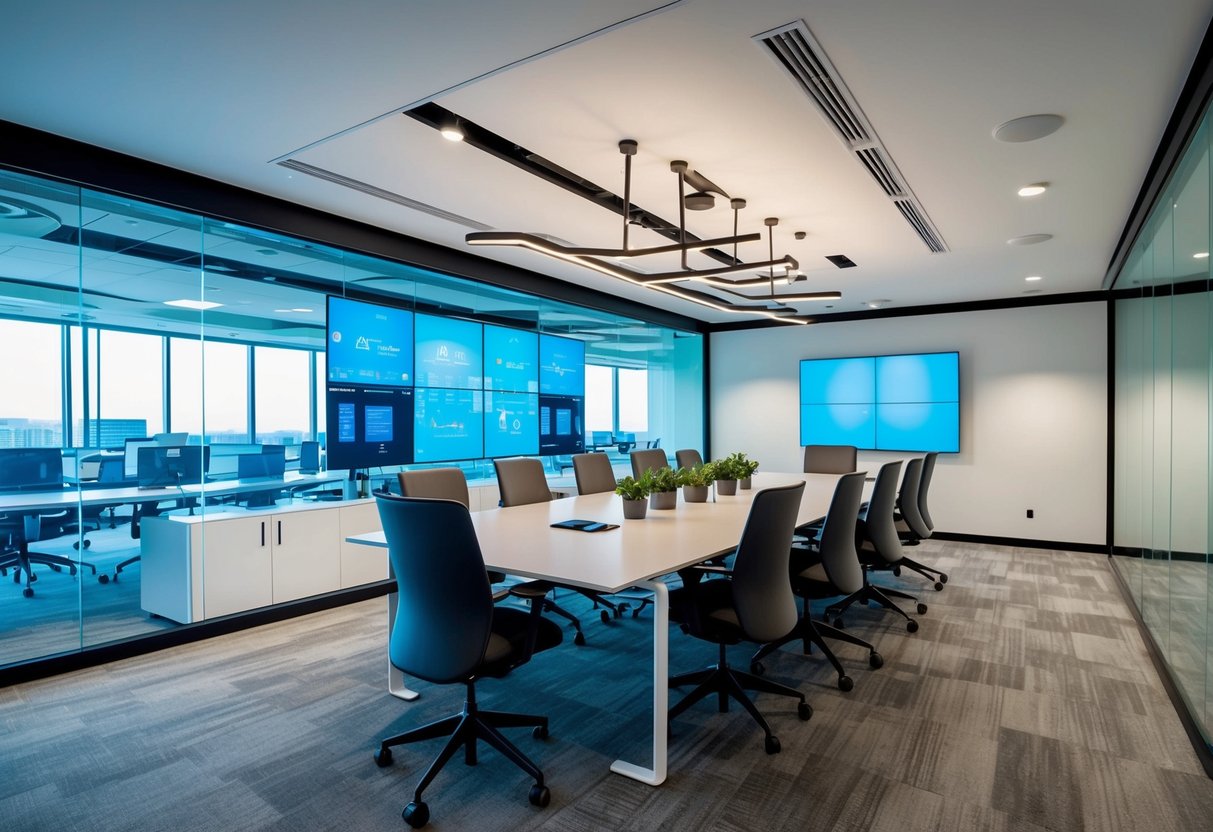
As businesses strive to improve their operations, the role of AV system integration becomes increasingly important. We must recognize the urgency in adopting these technologies to maintain market position and ensure smooth deployment.
Staying Competitive In A Fast-Paced Market
In today’s rapidly changing environment, staying competitive requires quick access to information and seamless communication. AV system integration allows us to streamline our operations and improve collaboration.
Implementing AV systems can enhance productivity, enabling teams to work together more effectively whether in-person or remotely. Integration promotes real-time sharing of ideas through tools like video conferencing and interactive displays.
We can also reduce errors by automating processes. This leads to faster decision-making and better overall efficiency. In a world where time is money, the ability to adapt swiftly strengthens our market presence.
Planning For Successful System Deployment
To achieve the benefits of AV integration, we need a clear plan for deployment. Starting with a thorough assessment of our current technology will help us identify gaps and needs.
Next, involving all stakeholders is essential. We should gather input from employees who will use the systems. This ensures that the solutions we choose meet our specific requirements and enhance user experience.
Developing a timeline and budget is vital for a smooth rollout. We can use checklists to track progress and ensure nothing is overlooked. Implementing training sessions will also help our team adapt quickly to the new systems, maximizing the potential of our investments.
Conclusion
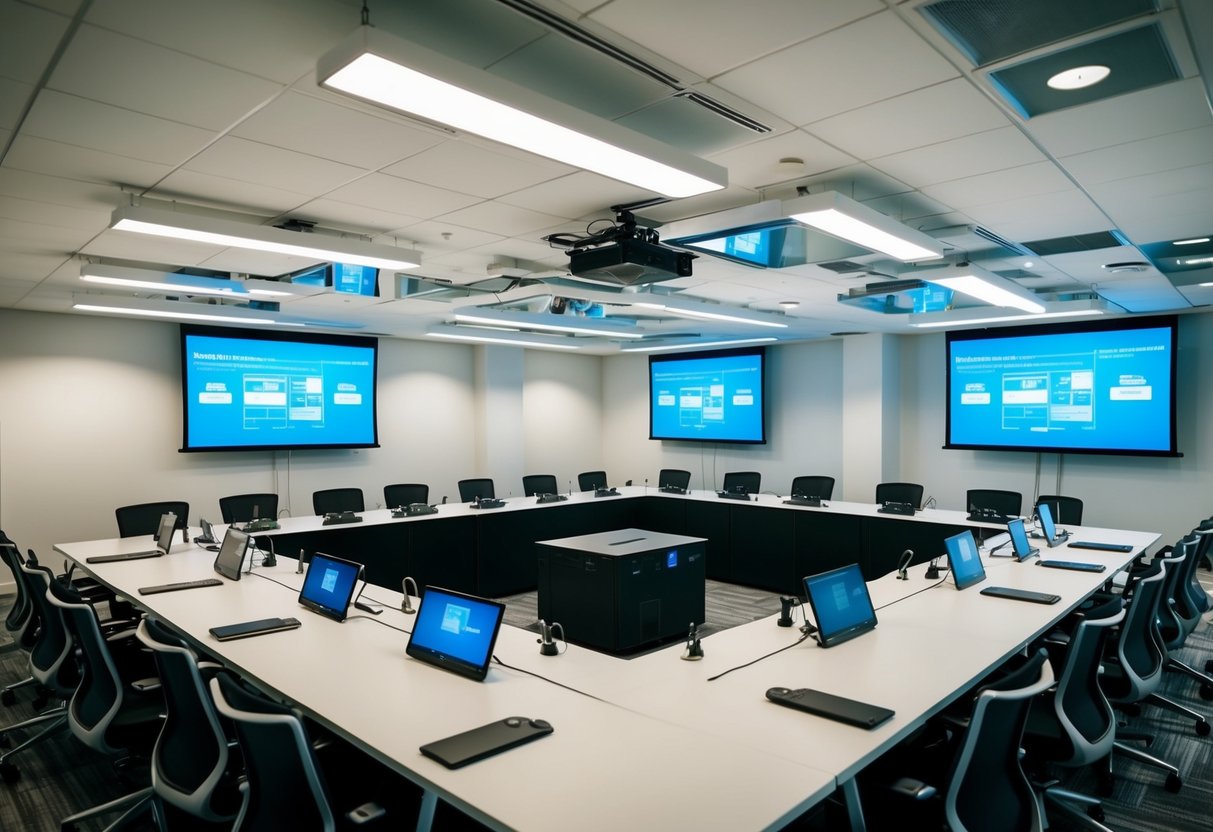
As we explore the importance of AV system integration, it’s clear that it enhances not just efficiency but also engagement in the workplace. By aligning technology with our workflows, we can unlock new levels of productivity and collaboration.
Recap Of AV Integration Benefits And Strategic Importance
AV integration offers numerous advantages for our businesses. First, it streamlines communication, allowing teams to share information seamlessly. This leads to quicker decision-making processes.
Moreover, integrated systems enhance presentations and collaboration. When we use effective AV tools, meetings become more engaging and interactive. This can improve retention of information and increase participation from all team members.
Cost savings also play a critical role. By consolidating AV systems, we minimize the need for multiple tools and resources. This ultimately leads to a better return on investment, making our operations more efficient.
A Call To Action For Management
We encourage management to prioritize AV system integration in their strategic planning. The technology landscape is rapidly evolving, and staying ahead means adapting our tools to meet modern demands.
Let us invest in customized AV solutions tailored to our specific needs. This action not only benefits our teams but also enhances the experience for clients and stakeholders.
By doing so, we will foster a culture of innovation and engagement. The time to act is now; let’s lead the way in creating a more connected and efficient workplace.
Frequently Asked Questions
In this section, we address common inquiries about AV system integration in the workplace. Our focus is on its benefits, effects on employee engagement, compatibility considerations, collaborative enhancements, maintenance practices, and alignment with future trends.
What are the key benefits of integrating AV systems in a modern workplace?
Integrating AV systems can streamline communication and improve the quality of presentations. It also supports better collaboration among team members by allowing easy access to visual and audio resources. This leads to more dynamic meetings and efficient workflows.
How does AV system integration impact employee engagement and productivity?
When AV systems are well-integrated, employees are more engaged during meetings and presentations. Enhanced audio-visual quality keeps attention focused. As a result, employees are likely to be more productive since they can share ideas and information seamlessly.
What are the considerations for ensuring the compatibility of different AV technologies?
It’s essential to assess the compatibility of hardware and software before integration. We should consider factors like connectivity options, formats, and network requirements. A proper evaluation helps avoid issues that could disrupt communication and workflow.
In what ways can AV system integration contribute to a more collaborative work environment?
AV integration encourages collaboration by providing tools that facilitate teamwork. With features such as screen sharing and video conferencing, team members can interact more effectively. This creates a culture of open communication and collective problem-solving.
What are the best practices for maintaining and updating an integrated AV system?
Regular maintenance ensures that AV systems function optimally. We should schedule routine checks and updates, keeping software current and hardware in good condition. This proactive approach helps prevent technical issues during important communications.
How does the integration of AV systems align with future workplace trends and technologies?
The shift towards hybrid work environments makes AV integration increasingly relevant. As remote work and technology advance, integrated AV systems will continue to support collaboration. This alignment positions organizations to adapt to changing workplace dynamics effectively.