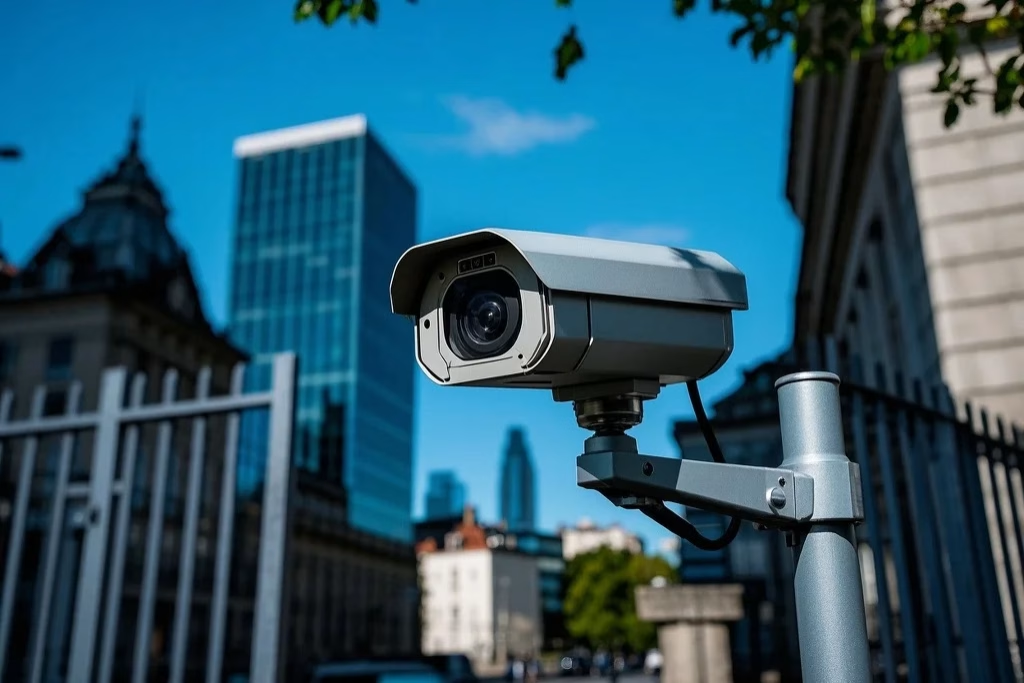
In today’s fast-paced business environment, ensuring the safety and security of our corporate offices is more important than ever. Effective security involves advanced access control and surveillance systems tailored to meet our specific needs. By implementing the right features, we can protect our staff, assets, and sensitive information from a range of potential threats.
This blog post will explore the essential components of comprehensive security systems. We will discuss how advanced access controls can streamline entry for authorized personnel while keeping intruders at bay. Additionally, we will delve into the benefits of modern surveillance systems that enable us to monitor activities in real time, providing peace of mind and enhancing our overall security posture.
As we dive deeper into the topic, we will uncover how these systems can be integrated with one another for maximum effectiveness. From visitor management to video analytics, we will present practical insights that can help us create a safer workplace for everyone.
Key Takeaways
- Advanced access controls enhance security while simplifying entry for authorized users.
- Modern surveillance systems provide real-time monitoring and data for improved safety.
- Integration of security systems leads to more effective overall protection and management.
Access Control Systems
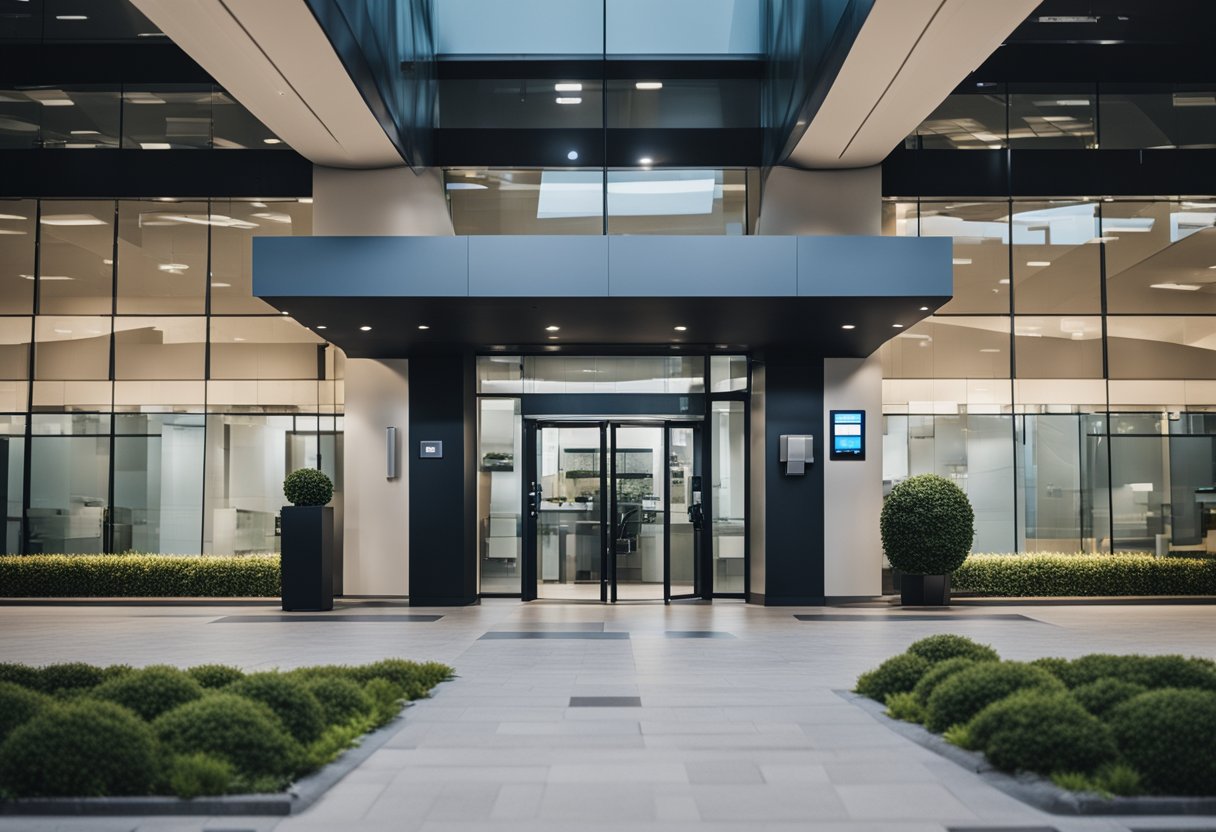
Access control systems are vital for securing corporate offices. They help manage who can enter a building and monitor their activities. By implementing advanced features like biometric authentication and card-based access, we enhance security. Multi-factor authentication adds another layer, ensuring only authorized personnel gain entry.
Biometric Authentication
Biometric authentication uses unique physical traits for access. This includes fingerprints, facial recognition, and iris scans.
- Benefits:
- High Security: These traits are difficult to replicate.
- User Convenience: No need for physical keys or cards.
We can integrate biometric systems into our existing security frameworks. This seamless addition reduces unauthorized access and enhances overall safety.
Card-Based Access
Card-based access systems use identity cards or keycards for entry. Users simply swipe or tap their cards at designated readers.
- Features:
- Customizable Access Levels: Different cards can grant varying levels of access.
- Record Keeping: This system logs entries and exits for monitoring.
Card-based systems are user-friendly and can be easily managed. This makes it simple for us to administer who has access to different areas within our corporate offices.
Multi-Factor Authentication
Multi-factor authentication (MFA) adds layers to our security measures. It combines something we have (like a card) with something we know (like a PIN) or something we are (like biometric data).
- Why MFA?
- Enhanced Protection: Even if one credential is compromised, access remains secure.
- Flexibility: We can choose various authentication methods based on our needs.
Implementing MFA can deter unauthorized attempts and increase our overall security posture. It is essential for safeguarding sensitive areas within our facilities.
Surveillance Systems
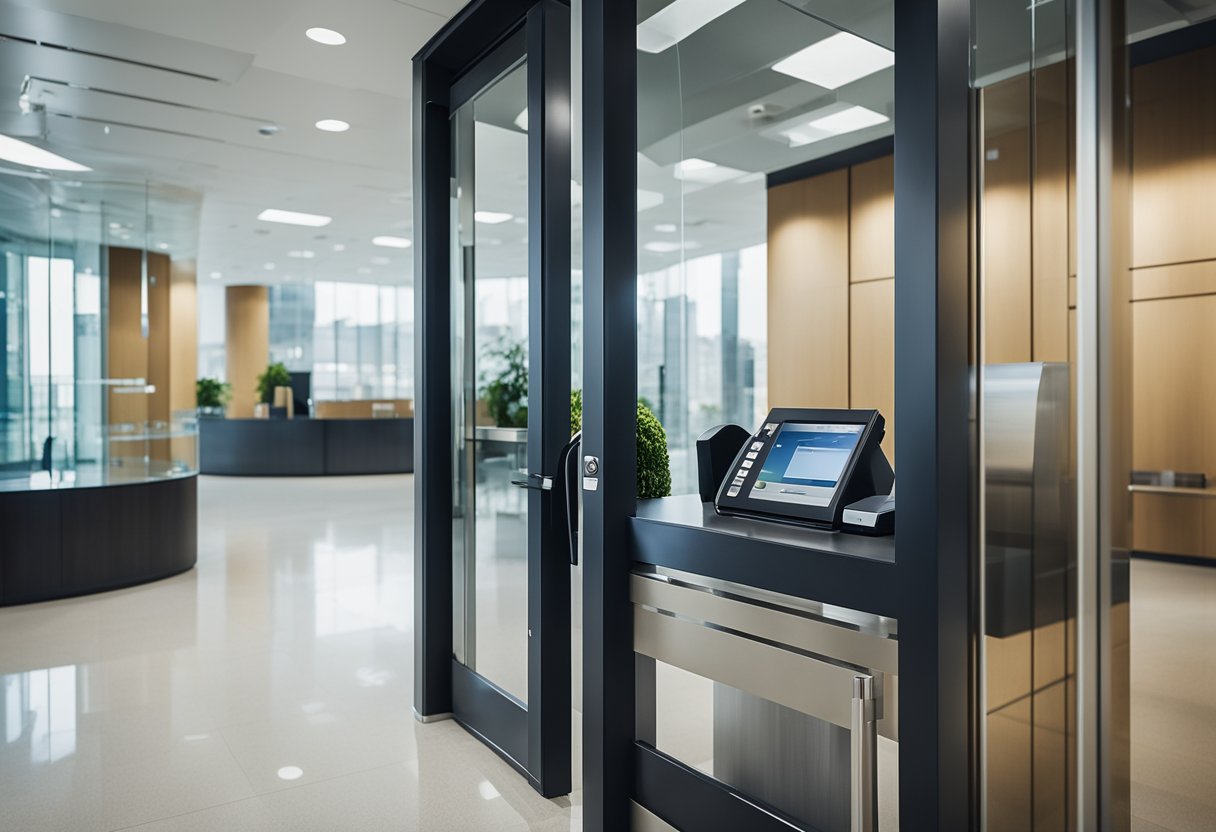
In today’s corporate environment, effective surveillance systems are vital for security. They help protect assets, ensure employee safety, and deter criminal behavior. The right features enhance our ability to monitor spaces in real-time and manage potential threats.
High-Resolution Cameras
High-resolution cameras are essential for capturing clear, detailed images. They help us identify individuals and monitor activities more effectively. Many modern systems offer HD or 4K resolution, enabling us to see finer details such as facial features or license plates.
These cameras often come with wide-angle lenses. This feature allows us to cover larger areas without needing multiple cameras. When selecting high-resolution cameras, consider the installation environment. Indoor cameras may have different needs than outdoor models.
Night Vision and Low-Light Capabilities
Night vision technology is crucial for monitoring areas after dark. We need surveillance options that perform well in low light. Infrared cameras are an excellent choice, as they can capture images in complete darkness.
Additionally, some cameras possess smart low-light technology. This feature enhances image quality in dim conditions. When evaluating options, look for systems with a good distance range in night vision. This ensures that we can maintain security during all hours.
Pan-Tilt-Zoom (PTZ) Cameras
Pan-Tilt-Zoom (PTZ) cameras offer flexibility in monitoring large areas. These cameras can move in different directions and zoom in on specific activities. We can remotely control them to focus on points of interest in real-time.
PTZ cameras are particularly useful for monitoring entrances and parking lots. They allow us to track movements dynamically and adjust views as needed. While these cameras tend to be more expensive, their versatility makes them a worthy investment for comprehensive security.
Motion Detection and Alerts
Motion detection technology allows cameras to monitor only when activity occurs. This feature reduces unnecessary recordings and alerts us to potential threats. Many systems can send real-time notifications via email or mobile apps.
We need to set up motion sensitivity properly. Too low may miss critical activity and too high can lead to false alerts. Finding the right balance ensures we receive timely alerts without being overwhelmed. This capability is essential for maintaining an effective surveillance strategy.
Remote Monitoring and Management
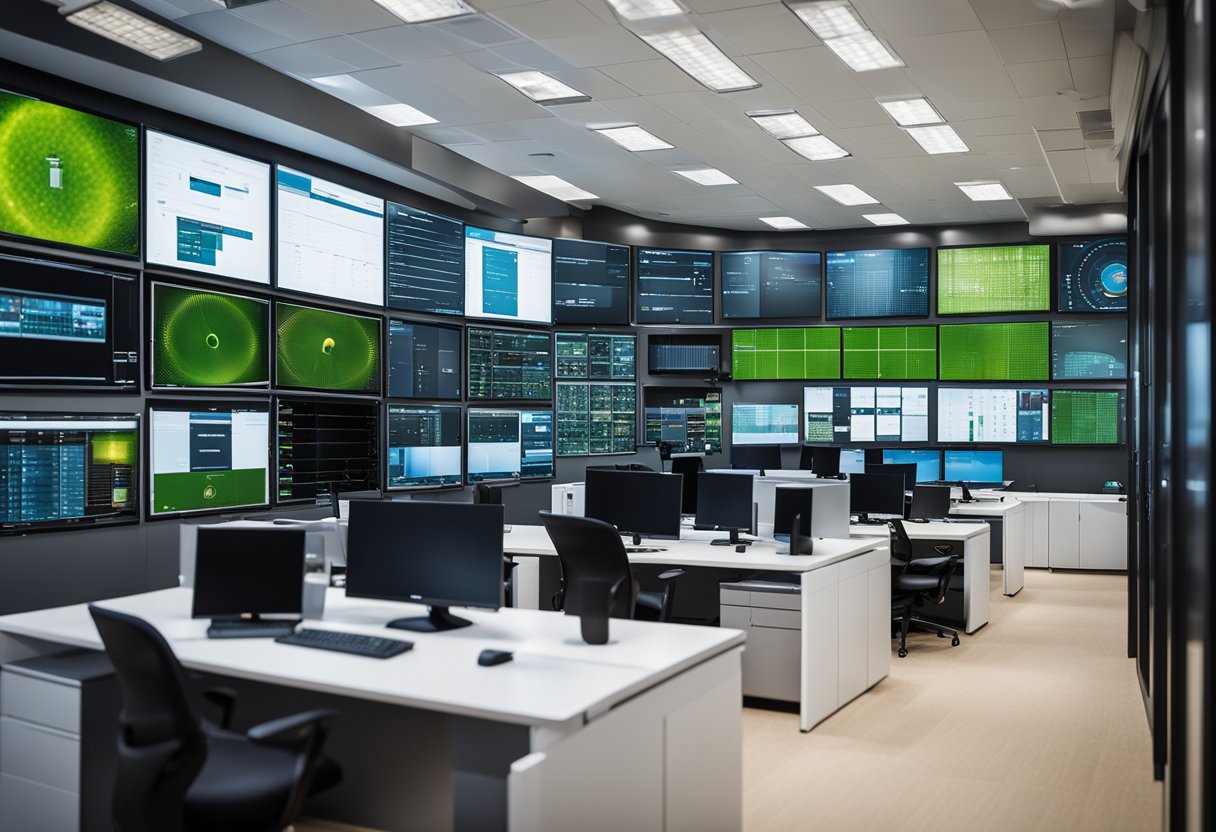
For modern corporate security, remote monitoring and management are crucial. These systems allow us to oversee operations and respond quickly to any incidents, assuring safety and efficiency.
Cloud-Based Management
Cloud-based management systems provide us with the flexibility to monitor our security setups from anywhere. These platforms often include features like real-time video streaming and automated alerts. Additionally, they enable us to store and access data securely, ensuring we have records of all activities.
Using cloud technology, we can also benefit from scalability. This means as our business grows, we can easily adjust our security protocols without significant hardware investments. Furthermore, continuous updates keep our systems equipped with the latest security features.
Mobile Access
Mobile access is another vital component of remote management. With mobile apps, we can receive updates and alerts directly on our smartphones. This allows us to act swiftly when necessary, whether checking camera feeds or responding to alerts.
Having real-time visibility through our devices enhances our ability to manage security effectively. We can quickly review incidents, allowing for prompt actions while away from the office. This convenience supports our operational efficiency and increases overall security responsiveness.
Alarm Systems
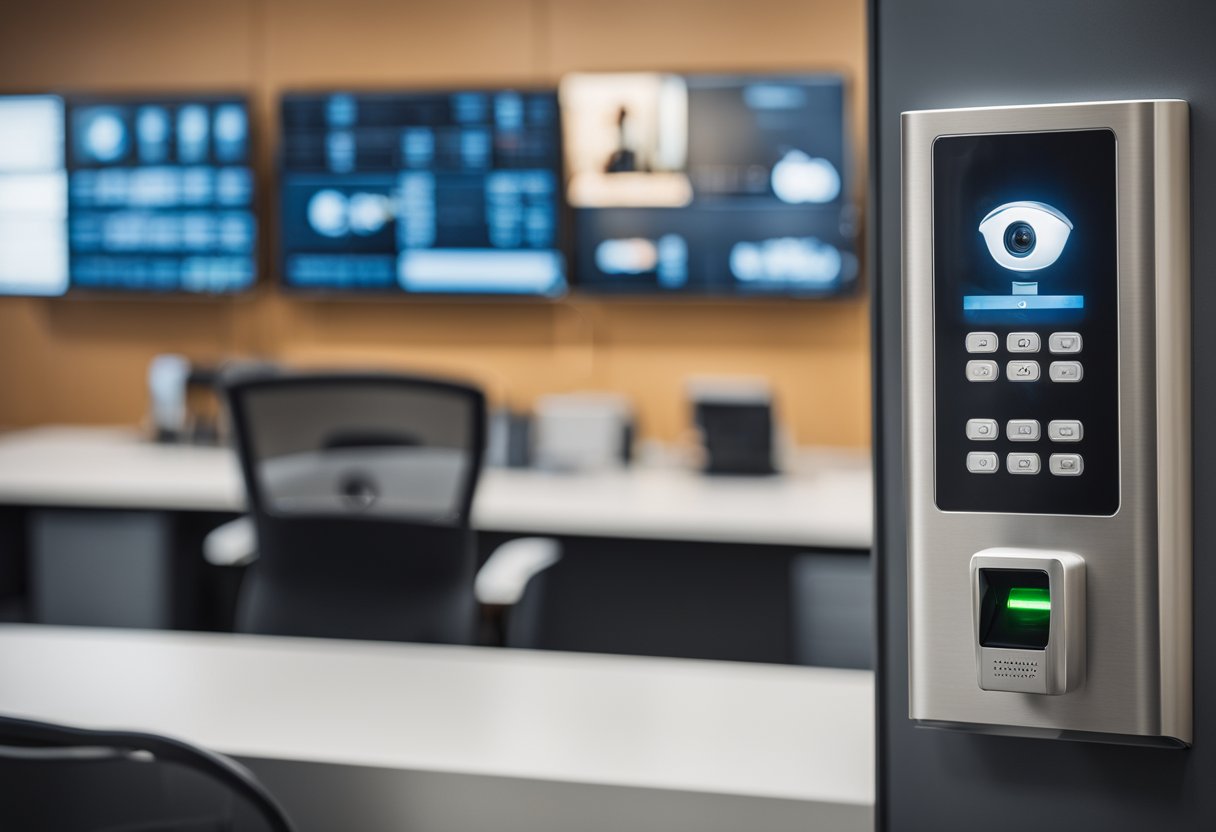
Alarm systems are critical components of comprehensive security solutions for corporate offices. They provide essential protection by detecting unauthorized access and alerting us and relevant authorities.
Intrusion Detection
Intrusion detection systems (IDS) monitor our office premises for any unauthorized entry. These systems can include motion sensors, door and window contacts, and glass break detectors.
- Motion Sensors: These detect movement within a specific area and can differentiate between human and animal activity.
- Door and Window Contacts: These sensors trigger alarms when doors or windows are opened unexpectedly.
- Glass Break Detectors: These listen for the sound of breaking glass and respond accordingly.
We can also integrate these systems with video surveillance, creating a more robust security framework. This integration allows us to verify alarm triggers in real-time, improving incident response.
Automated Alert Systems
Automated alert systems enhance our response capabilities by notifying us immediately when an alarm is triggered. These systems can connect to our smartphones or security control centers.
- Real-Time Notifications: We receive instant updates via text or email about any breaches detected by the alarm system.
- 24/7 Monitoring: Many systems offer continuous monitoring, ensuring we have peace of mind day and night.
In addition, some systems can contact local authorities automatically. This feature helps us ensure that alerts are handled promptly, minimizing potential damage or loss. Automated alerts keep us informed and ready to respond effectively to any security threats.
Integration with Other Systems
Effective security for corporate offices goes beyond standalone systems. Integrating access control with other technologies enhances safety, efficiency, and response times.
Building Automation System Integration
Integrating access control systems with building automation systems (BAS) allows us to manage security and facility functions from a single platform. This includes controlling HVAC, lighting, and energy management alongside security features.
When a door is accessed, for example, we can trigger specific lighting to enhance visibility. Furthermore, this integration helps us save energy by automatically adjusting settings based on occupancy levels detected through access control.
Seamless integration leads to improved operational efficiency. It enables us to monitor and control various building functions efficiently, reducing the need for separate systems and minimizing human error.
Fire Safety Integration
Linking access control systems with fire safety measures is crucial for a comprehensive security plan. In case of an emergency, such as a fire, integrated systems can automatically unlock exit doors to facilitate safe evacuation.
Additionally, we can receive real-time alerts to monitor occupancy levels in different areas. This data is vital for emergency responders, ensuring they are informed about who may still be inside the building.
Integrating fire safety features with access control enhances our preparedness. By ensuring that safety systems communicate effectively, we can protect life and property while promoting a safe working environment.
Data Management and Privacy
In today’s corporate environment, effective data management and privacy practices are crucial. Secure data storage and user access management are two key elements that help protect sensitive information from unauthorized access.
Secure Data Storage
To safeguard our data, we must use secure storage solutions. This includes implementing encryption techniques to protect information both at rest and in transit.
Key Methods for Secure Storage:
- Encryption: Encrypt sensitive data to ensure it is accessible only to authorized personnel.
- Regular Backups: Schedule consistent backups to prevent data loss in emergencies.
- Cloud Solutions: Consider reputable cloud services that emphasize strong security protocols.
Using a combination of these methods helps create a robust storage system that minimizes the risk of breaches and data loss.
User Access Management
Effective user access management is vital for maintaining data privacy. We need to control who can access our sensitive information and limit permissions based on the principle of least privilege.
Best Practices for Access Management:
- Role-Based Access Control (RBAC): Assign roles to employees that reflect their job functions, ensuring they access only relevant data.
- Regular Audits: Conduct audits frequently to review access rights and identify any unauthorized access.
- Multi-Factor Authentication (MFA): Implement MFA for an extra layer of security when employees log in.
By establishing strong user access protocols, we can better protect our data and ensure it remains confidential.
Visitor Management
Effective visitor management is crucial for maintaining security in corporate offices. It involves both automated check-in systems and real-time visitor tracking. These features enhance safety, streamline operations, and provide valuable data on visitor activity.
Automated Check-in Systems
We recognize the importance of efficient visitor check-ins. Automated check-in systems allow for a seamless entry process, reducing wait times and improving the visitor experience.
These systems typically utilize touch-screen kiosks or mobile applications where visitors can register upon arrival. By entering their information, visitors can receive digital visitor badges quickly.
Some systems include advanced features such as facial recognition technology. This feature enhances security by ensuring only authorized visitors gain access to our facilities. We can integrate these systems with our existing security protocols for added effectiveness.
Real-Time Visitor Tracking
Real-time visitor tracking plays a vital role in ensuring security within corporate offices. With this feature, we can monitor who is in our buildings at any given moment.
Visitor management systems often provide dashboards that display live information. This includes visitor check-in times, locations within the office, and departure times.
In case of an emergency, we can quickly identify where visitors are located. This information allows us to take appropriate actions to ensure everyone’s safety.
By implementing real-time tracking, we enhance our operational efficiency while improving safety for everyone within our premises.
Video Analytics
Video analytics enhances security by providing real-time insights to improve safety and efficiency in corporate environments. Key functionalities include pattern recognition, behavior analysis, and heat mapping, which help us better understand and manage our surroundings.
Pattern Recognition and Behavior Analysis
Pattern recognition is crucial for identifying unusual activities in surveillance footage. We can set parameters to distinguish normal behaviors from suspicious ones. For example, if we define specific movement patterns, the system will flag any deviations, allowing us to respond quickly.
Behavior analysis goes beyond just recognizing patterns. It examines interactions among individuals and objects. By understanding these behaviors, we can detect potential threats, such as unauthorized access or disturbances. Integrating this technology into our security systems can lead to more informed decision-making and enhanced response strategies.
Heat Mapping
Heat mapping is a powerful tool that visualizes where activity occurs in our office spaces. By analyzing foot traffic, we can identify high-traffic areas and optimize security presence where it is needed most.
This feature helps us spot trends over time. For instance, we may find certain areas are busier during specific times of day, signaling when extra monitoring is necessary. Additionally, heat mapping can assist in resource allocation, ensuring we deploy security personnel effectively to maintain safety and efficiency in our corporate offices.
License Plate Recognition
License Plate Recognition (LPR) technology is essential for enhancing security in corporate offices. It automates the monitoring of vehicle access, allowing only authorized cars to enter designated areas. This system improves efficiency and heightens security for our workplaces.
Automated Entry for Authorized Vehicles
LPR systems capture images of vehicle license plates using cameras and advanced software. This technology immediately interprets the information and checks it against a database of authorized vehicles.
When an authorized vehicle approaches, the system recognizes the plate and automatically opens the access gate or barrier.
Key Benefits:
- Speed: This process occurs in seconds, allowing for seamless entry.
- Security: It reduces the risk of unauthorized access and potential threats.
- Management: LPR systems can be integrated with visitor management solutions.
This technology streamlines parking lot management and enhances our security protocol, ensuring a safer environment for everyone on the premises.
Redundancy and Reliability
Ensuring redundancy and reliability in corporate office security systems is crucial for maintaining safety and continuous operation. Backup power supplies and system redundancy are two vital aspects that help protect against failures and ensure effective surveillance.
Backup Power Supplies
We must incorporate backup power supplies into our security systems to address power failures or outages. Uninterruptible Power Supplies (UPS) are essential components that provide immediate power to surveillance equipment and access control systems during an outage.
- Types of UPS: There are different types of UPS units available, including standby, line-interactive, and double-conversion systems.
- Capacity Planning: We need to calculate the power requirements of our essential devices. This ensures that the UPS will last long enough to maintain operations until power is restored.
- Regular Testing: Regularly testing backup power systems helps ensure they function correctly when needed. Scheduling these checks can prevent surprises during actual power failures.
System Redundancy
System redundancy adds an extra layer of protection by ensuring that if one system fails, another can take over. This approach is vital for surveillance and access control systems.
- Dual Systems: Deploying dual systems means having multiple cameras or access points that cover the same area. If one fails, the other continues to operate.
- Data Redundancy: We can implement data redundancy using cloud storage or additional servers. This prevents data loss if one server fails.
- Failover Mechanisms: Having automatic failover processes in place ensures that security systems switch to backup systems seamlessly without disrupting monitoring capabilities.
By investing in these strategies, we enhance our corporate security systems’ resilience and effectiveness.
Frequently Asked Questions
In this section, we will address common questions related to security in corporate offices. We will explore essential components of security systems, the benefits of access control, advancements in surveillance technology, and much more.
What essential components should be included in a corporate office security system?
A corporate office security system should include access control, surveillance cameras, alarm systems, and proper emergency procedures. Access control systems regulate who enters and exits the building. Surveillance cameras help monitor activities in real-time, while alarm systems alert us to potential threats.
How do access control systems enhance security in a corporate environment?
Access control systems enhance security by limiting entry to authorized personnel only. These systems often use keycards, biometrics, or PIN codes. This reduces the risk of unauthorized access and helps us track who is in the building at any given time.
What are the latest advancements in surveillance technology for office security?
Recent advancements in surveillance technology include high-definition cameras, motion detection, and remote monitoring capabilities. Some systems even use artificial intelligence to analyze video feeds for suspicious behavior. These innovations help us respond more quickly to security incidents.
Can you explain the role of cybersecurity in fortifying office security infrastructure?
Cybersecurity plays a crucial role in protecting digital information and preventing unauthorized access to systems. We must secure our networks and devices alongside physical security measures to ensure comprehensive protection. A strong cybersecurity strategy includes firewalls, encryption, and regular system updates.
How does integrating different security systems improve safety in corporate offices?
Integrating various security systems allows for better communication and response during incidents. For example, when an alarm is triggered, access control systems can lock down entry points automatically. This integration streamlines operations and enhances the overall safety of the corporate environment.
What are the best practices for maintaining and updating a corporate security system?
Regular maintenance and updates are essential for a reliable security system. We should schedule periodic reviews, test systems, and stay informed about the latest security technologies. Training staff on security protocols also ensures everyone knows how to respond to potential threats effectively.