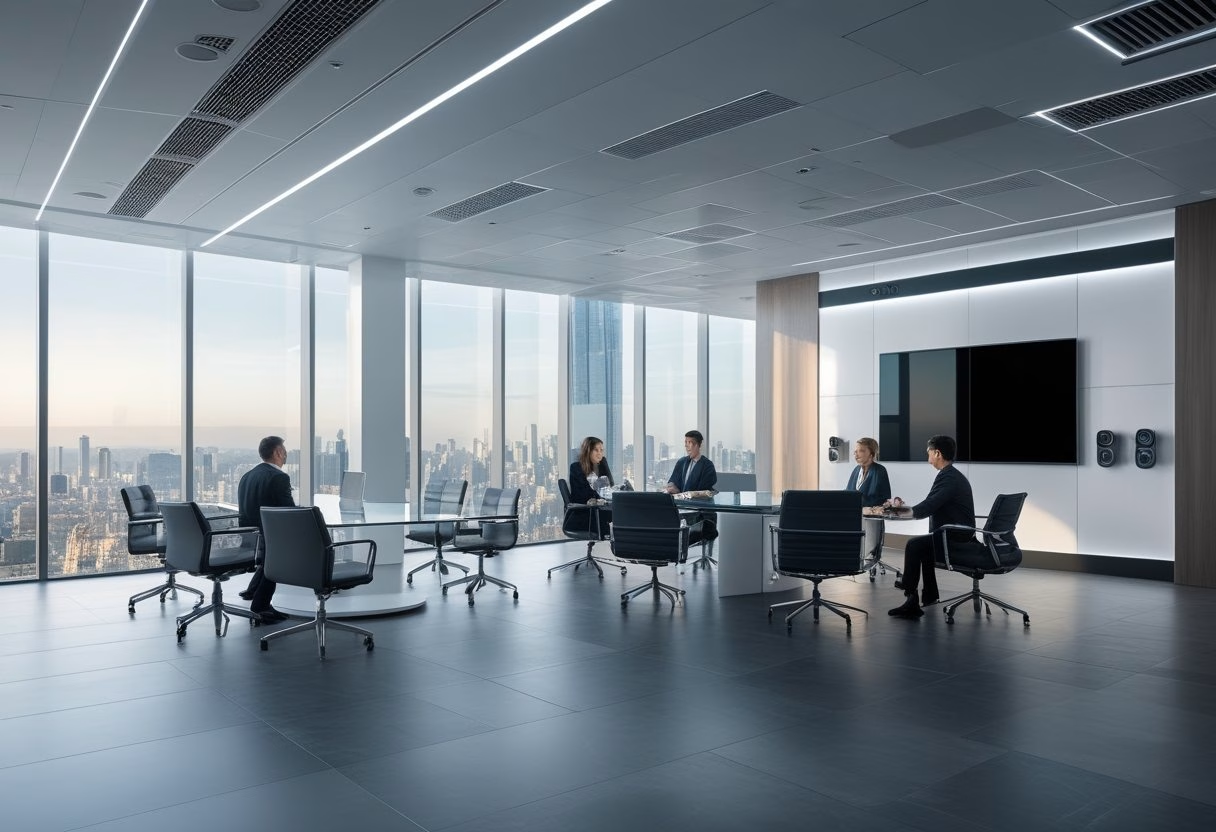
Corporate real estate strategy now shapes AV design as much as floor plans, furniture standards, and lease decisions do. When your portfolio shifts toward hybrid occupancy, smaller footprints, and experience-led workplaces, your audiovisual environment must become more scalable, more data-aware, and easier to standardize across sites.
The practical question is no longer which rooms need AV, but which workplace model your AV standards need to support across the entire portfolio. That shift changes everything from room typologies and platform selection to lifecycle planning, refresh timing, and governance.
Workplace Shifts Reshaping Technology Priorities
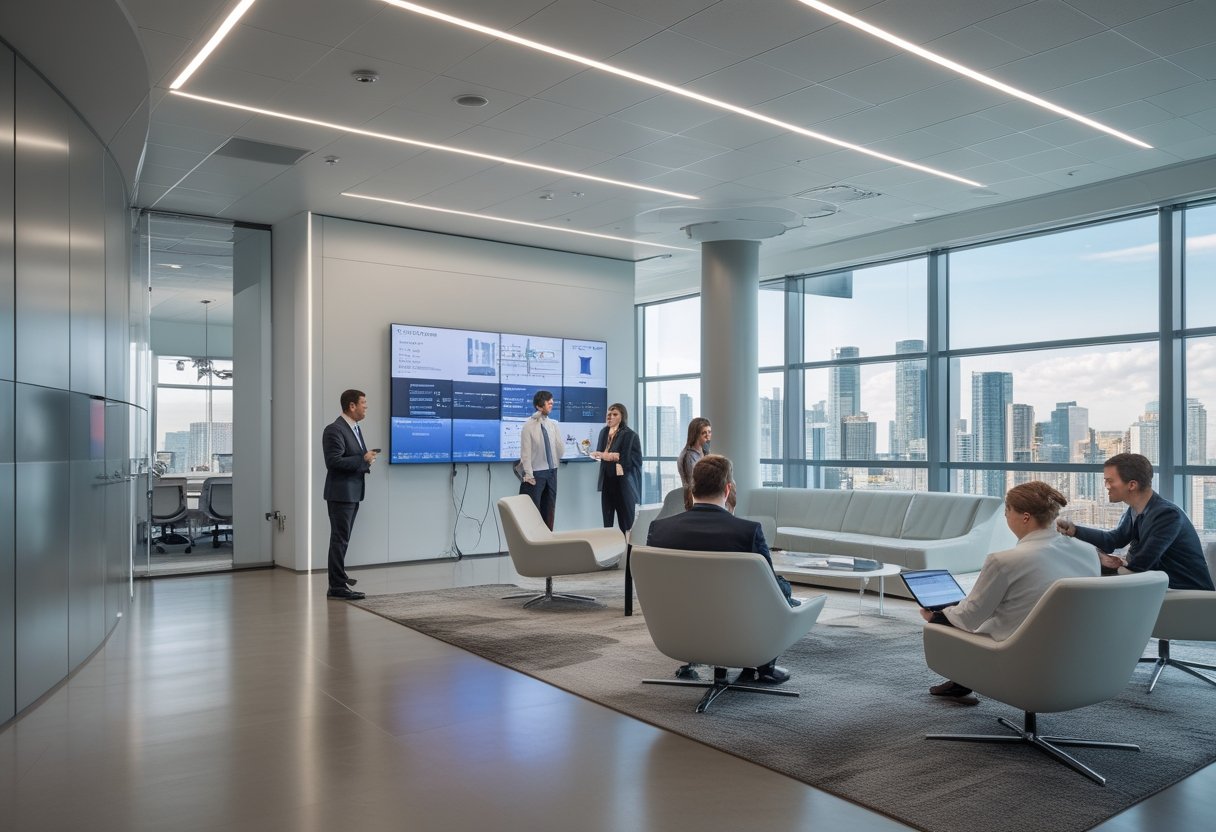
Your workplace strategy is no longer just about where people sit. It now determines how often rooms are used, what kinds of interactions they support, and how consistently technology must perform across a changing portfolio.
Hybrid Occupancy And Space Utilization
Hybrid schedules reduce predictable occupancy, which makes AV less about equipping every room equally and more about supporting variable demand. In practice, you need systems that are simple for occasional users, quick to deploy, and reliable when room usage spikes on peak in-office days.
That usually pushes you toward standardized room experiences, stronger device management, and simpler user flows. If people move between offices or rotate desks, your AV cannot depend on local workarounds or site-specific habits.
Portfolio Consolidation And Flexible Footprints
When you consolidate locations or shrink footprints, every square meter has to work harder. That places pressure on AV to support multiuse rooms, convertible collaboration spaces, and fewer dedicated meeting environments with broader functionality.
You should expect more emphasis on modular infrastructure, shared technology standards, and layouts that can change without major rework. The best designs I have seen are built for reuse across sites, so the same core logic can scale whether the office is 5,000 or 50,000 square meters.
Amenity-Led Offices And Employee Experience
As offices compete with home working and third places, the workplace experience becomes part of the real estate value proposition. AV now supports that proposition through intuitive booking, better presentation quality, cleaner room control, and smoother collaboration between in-room and remote participants.
That means you should treat employee experience as a design input, not a soft benefit. A well-designed AV environment can reduce friction, improve adoption, and make the office feel worth the commute on the days that matter most.
Strategic Implications For AV Planning And Investment

As real estate strategy changes, AV planning must move earlier in the capital conversation. The strongest outcomes come when you align standards, budgets, and data to the way your portfolio is actually being managed.
Scalable Standards Across Multiple Sites
If your portfolio spans several cities or business units, you need AV standards that reduce variation without becoming rigid. A core room template, a defined device stack, and consistent support expectations make it easier to deploy, maintain, and train at scale.
Standardization also helps you negotiate better service terms and avoid fragmented technology decisions made at project level. In my experience, the less variation you allow in common room types, the easier it is to control both user experience and long-term operating cost.
Budget Alignment With Real Estate Decision Cycles
AV spend often lands too late in the process, after the lease, design, or construction decisions are already fixed. If you want better returns, your AV budget needs to move in step with lease events, fit-out cycles, consolidation plans, and portfolio refresh timing.
That alignment helps you avoid short-life investments in spaces that may be resized or repurposed within a few years. It also makes capital planning more credible to finance teams, because technology decisions are tied to real estate strategy rather than isolated project requests.
Data-Driven Design For Long-Term Adaptability
Occupancy data, room booking patterns, and user feedback should shape your AV roadmap. You can use those inputs to decide which room types deserve premium capability, where simpler setups are enough, and which spaces need flexibility for future change.
The most durable AV strategies are designed for adaptation, not just launch-day performance. If you treat usage data as part of your design brief, you can refresh standards before problems spread across the portfolio and before underused technology becomes stranded capital.