Difference Between TV and Commercial Display: Understanding Their Distinctions and Applications

Difference Between TV and Commercial Display: Understanding Their Distinctions and Applications

When choosing between a standard TV and a commercial display, it’s crucial to understand their distinct roles and features.

Commercial displays are built for constant use in business settings, while TVs are designed mainly for home entertainment.

This difference significantly impacts durability, performance, and functionality in various environments.

A TV and commercial display side by side in a modern living room setting, both turned on and showing different content

Commercial displays are engineered to run for hours on end in places like stores and airports, making them much more resilient than typical TVs.

Their design supports high brightness levels and superior image clarity, which is essential for grabbing attention in advertising and information displays.

On the other hand, ordinary TVs are perfect for casual viewing but may not stand up to the demands of continuous operation.

As we explore this topic, we will dive into how these two options differ in design, performance, and ideal use cases.

By the end, you’ll be equipped with the knowledge to make an informed decision about which display option best suits your needs.

Key Takeaways

  • Commercial displays are designed for continuous operation and durability.
  • Standard TVs prioritize home entertainment and casual viewing.
  • Choosing the right display depends on specific usage requirements.

Design and Durability Differences

A TV and a commercial display side by side, with the TV appearing sleek and modern, while the commercial display is larger and sturdier, with a more industrial design

When considering design and durability, we find key distinctions between commercial displays and standard TVs.

These aspects are crucial for anyone looking to make an informed choice based on usage needs.

Build Quality and Lifespan

Commercial displays are engineered for rigorous use and greater durability.

They are built with enhanced materials that withstand long hours of operation, often rated for 24/7 use.

In contrast, most consumer TVs are designed for limited daily use, typically around 6 hours.

The lifespan of commercial displays can exceed 50,000 hours, as they are specifically made to handle constant usage.

Consumer TVs, although functional, often have shorter lifespans, especially when operated beyond their recommended time.

Additionally, many commercial displays come with warranties that last three to five years, while consumer TVs may only offer coverage for one to two years under heavy usage.

This indicates a significant difference in reliability and long-term performance.

Installation and Maintenance

Installation requirements can vary greatly between commercial displays and TVs.

Commercial displays often need customized installations to maximize their effectiveness in environments like stores and offices.

They may be wall-mounted or integrated into kiosks, requiring professional setup.

Maintenance for commercial displays is also more structured.

They often have built-in features that support easier maintenance, such as remote diagnostics and easier access to components.

This helps reduce downtime, as quick fixes can be efficiently handled.

In contrast, consumer TVs usually require standard setups that are simple and often DIY.

However, they may not offer the same level of maintenance support, which can lead to longer repair times.

The durability and maintenance considerations are vital for organizations reliant on continuous performance.

Display Characteristics and Performance

A TV and commercial display side by side, showing vibrant colors and sharp images. The TV has a sleek design, while the commercial display is larger and mounted on a stand

In this section, we will explore key display characteristics and performance metrics that differentiate commercial displays from regular televisions.

We will focus on display technologies, brightness and contrast levels, as well as color accuracy and picture quality.

Display Technologies and Screen Types

When considering display technologies, we typically find LCD and LED screens in both commercial displays and consumer TVs.

Commercial displays often utilize advanced LCD technology with higher durability.

For commercial settings, the choice of LED backlighting provides enhanced brightness and visibility. This is critical, especially in well-lit environments.

Additionally, commercial displays may offer various screen types, such as matte or anti-glare coatings, to reduce reflections.

We also see differences in refresh rates and response times.

While consumer TVs often target entertainment, commercial displays are crafted for presentations and public viewing, requiring quicker response times.

Brightness and Contrast

Brightness is measured in nits, and commercial displays can reach much higher brightness levels compared to consumer TVs.

For example, while a standard TV might produce around 250-300 nits, commercial displays can exceed 1,000 nits.

This high brightness is essential to ensure clear visibility in bright environments.

Coupled with improved contrast ratios, commercial displays can render deeper blacks and vibrant whites, enhancing overall image quality.

The contrast ratio plays a significant role in how we perceive details on the screen.

A higher contrast ratio means clearer distinctions between light and dark areas, which is vital when displaying intricate graphics or text.

Color Accuracy and Picture Quality

Color accuracy is critical in both commercial displays and consumer TVs.

Commercial displays are calibrated for precise color reproduction, making them suitable for graphic design and advertising.

These displays often support a wider color gamut, which ensures that the colors we see are true to life.

This is particularly important in retail or corporate environments where brand color fidelity is crucial.

Picture quality is also affected by image retention in commercial displays.

Unlike consumer TVs, which may handle image retention poorly, many commercial models are designed to mitigate this issue, ensuring that images remain sharp and clear during long viewing periods.

Frequently Asked Questions

A TV and commercial display side by side, each showing different content. The TV is in a living room setting, while the commercial display is in a retail environment

In this section, we will explore the essential differences between commercial displays and consumer TVs.

We will address common inquiries about their use, functionality, and features, particularly in business settings.

What are the primary differences between commercial displays and consumer TVs?

Commercial displays are designed for extended use and various applications. They typically have better durability and can operate for many hours each day. In contrast, consumer TVs are generally made for home use, with features that cater to viewing at home rather than in commercial settings.

Can I use a commercial display as a regular TV in my home?

Yes, you can use a commercial display in a home setting. However, they are built for different purposes, such as continuous operation and tough environments. If you mainly watch TV for a few hours daily, a consumer TV may still be more cost-effective.

How do commercial grade TVs differ from consumer TVs in terms of longevity and durability?

Commercial grade TVs often last longer than consumer models. They can typically operate continuously for 12 hours or more each day without overheating. Consumer TVs, in contrast, are designed for shorter use, which may lead to quicker wear and tear when used extensively.

In what ways do the features of commercial displays and TVs differ for digital signage applications?

Commercial displays often come with advanced features like built-in scheduling and remote management.

These capabilities allow businesses to easily control content without needing a separate media player.

Consumer TVs usually lack these features, making them less suitable for digital signage.

What are the benefits of using commercial displays over consumer TVs for business use?

Using commercial displays in a business setting offers several advantages.

They are designed to be brighter and more visible in well-lit environments. Additionally, they support longer usage hours and typically have better warranties, ensuring reliability in high-demand scenarios.

How does the functionality of a signage display differ from a traditional TV?

A signage display offers specialized functionality. These displays can handle multiple input sources and often support continuous play of advertisements or informational content.

Traditional TVs do not usually provide these features, making them less effective for business communication needs.

The Perfect Meeting: Designing State-of-the-Art Boardrooms with MLV Teknologi and Extron

The Perfect Meeting: Designing State-of-the-Art Boardrooms with MLV Teknologi and Extron

Overview of MLV Teknologi in the Boardroom Space

In the world of modern boardroom design, MLV Teknologi stands out as a significant player. Their innovative solutions enhance collaboration and efficiency, ensuring that meetings are productive and engaging. We will explore how MLV became a market leader and the essential features of its boardroom technology with Extron Product.

The Emerence of MLV as a Market Leader

MLV Teknologi has grown into a leading provider in the boardroom technology sector. Their early focus on integrating advanced audiovisual systems set them apart from competitors. By prioritizing user experience, MLV has developed products that streamline meeting processes.

Their commitment to innovation has also played a key role. MLV invests in research and development to stay ahead of trends. They incorporate cutting-edge technologies like artificial intelligence and advanced video conferencing solutions, making boardrooms smarter and more adaptable to varying needs.

Key Features of MLV Boardroom Solutions With Extron Product

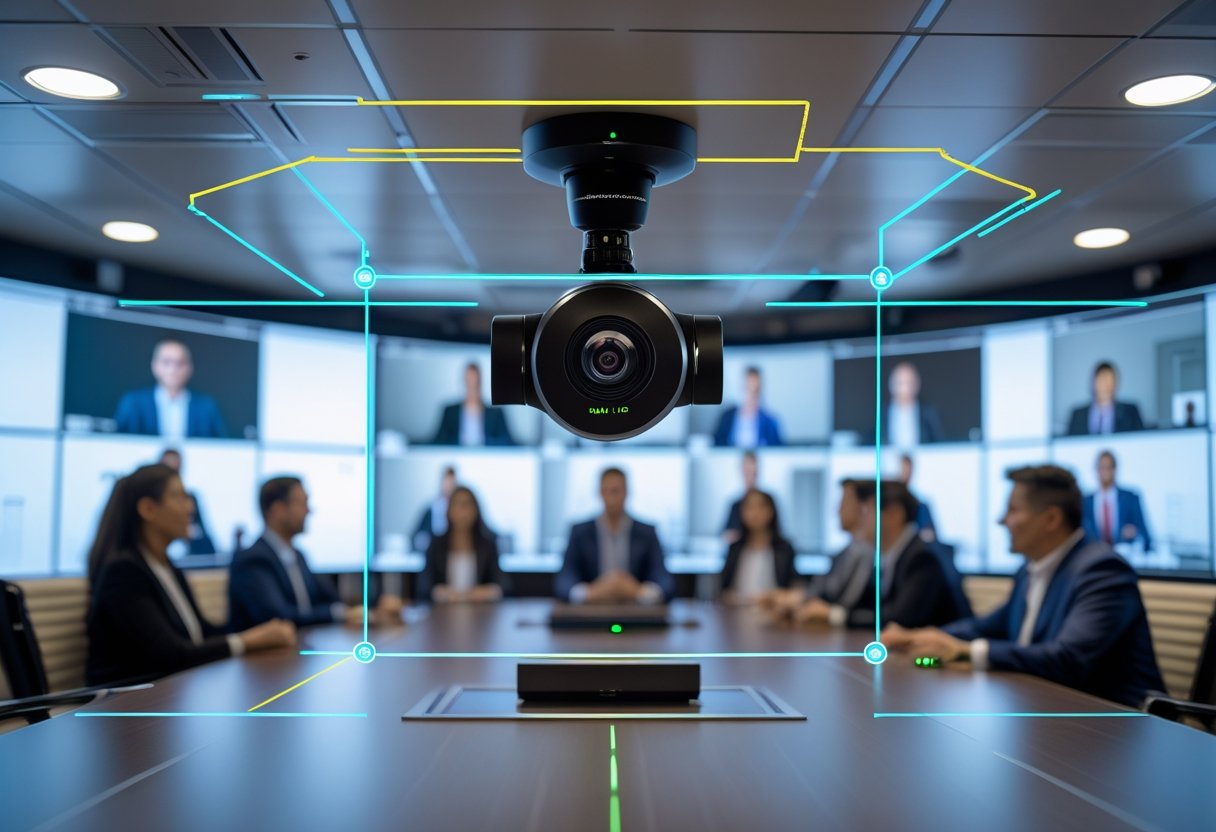
Our team appreciates the features that MLV Teknologi brings to boardroom designs. One standout feature is their 360-degree camera systems, which capture clear visuals from all angles, benefiting remote participants.

They also offer wireless presentation tools that allow easy connectivity for various devices. This ensures that everyone can share information seamlessly, reducing downtime during meetings.

Furthermore, MLV focuses on room automation systems. These systems adjust lighting, temperature, and audio based on occupancy, creating a comfortable environment. Such features ensure that the boardroom is not just a meeting space but a hub for collaboration and creativity.

Extron Design Contributions to Modern Boardrooms

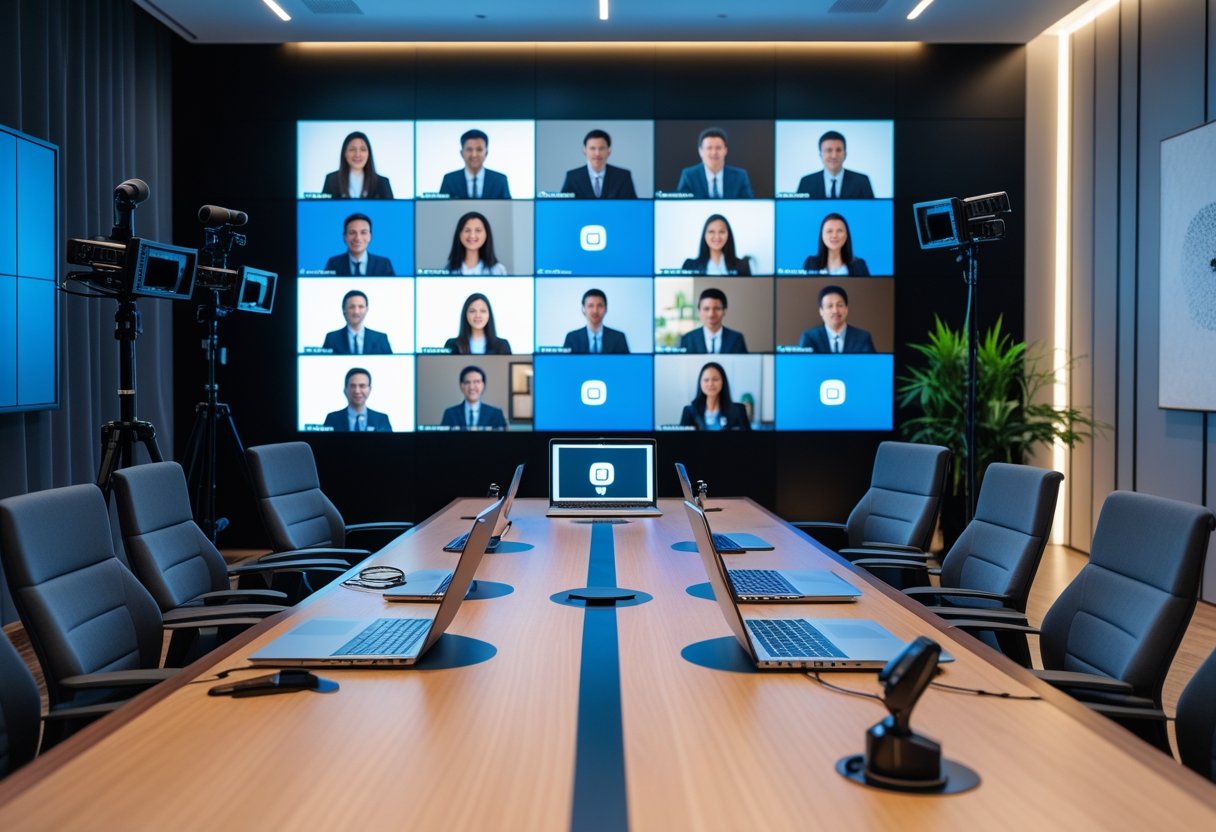
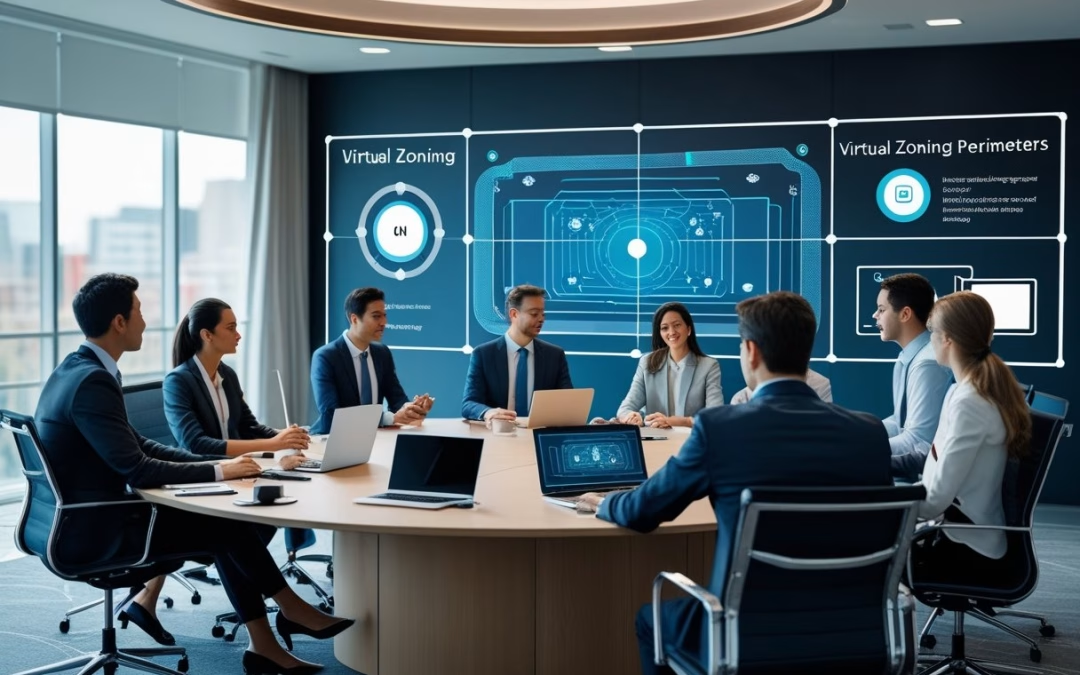
A sleek, modern boardroom with advanced AV technology and Extron design features. Clean lines, integrated screens, and high-tech equipment create a state-of-the-art meeting space

Extron plays a vital role in transforming boardrooms into highly functional and efficient spaces. Their contributions focus on integrating advanced technologies, creating customizable control systems, and enhancing user experiences.

Cutting-Edge Technology Integration

We utilize Extron’s advanced audiovisual solutions to elevate boardroom functionality. Their systems incorporate high-definition displays, powerful projectors, and integrated audio systems.

Key features include:

  • Video Conferencing Capabilities: Seamless connections with remote participants enhance collaboration.
  • Wireless Presentation Tools: Users can easily share content without the hassle of cables.
  • Room Scheduling Software: This software Simplifies booking and utilization of the boardroom.

These technologies ensure that presentations are clear and engaging, making meetings more effective.

Customizable Control Systems

Extron’s customizable control systems cater to our specific needs. We can tailor these systems to fit varied boardroom layouts and user preferences.

Highlights include:

  • User-Friendly Interfaces: Simple touch panel controls enable easy operation of all AV equipment.
  • Flexible System Configurations: We can adapt the setup for different types of meetings, from presentations to team brainstorming sessions.

This adaptability allows us to maintain high productivity and efficiency during meetings.

User Experience and Interface Design

We prioritize user experience with Extron’s intuitive interface design. Their focus on usability ensures that everyone can comfortably use the technology.

Important aspects include:

  • Clear Layouts: Information is presented in a straightforward manner, reducing confusion.
  • Training and Support Materials: Extron provides comprehensive guides to help users get the most out of the system.

This emphasis on user interface design leads to a smoother, more productive meeting environment.

Creating the Perfect Meeting Experience

A sleek, modern boardroom with integrated technology and high-end design elements

In designing the ideal meeting space, we focus on three key areas: the essential components that form the boardroom, the importance of seamless collaboration tools, and the latest innovations in audiovisual and connectivity technology. Each aspect contributes significantly to enhancing the meeting experience.

Essential Components for State-of-the-Art Boardrooms

A well-designed boardroom must include several critical elements. First, we prioritize ergonomic seating to ensure comfort during long discussions. Adjustable chairs improve posture and reduce fatigue.

Next, we incorporate a large display or multiple screens that allow participants to view presentations clearly. High-resolution displays enhance visibility and engagement.

Additionally, effective acoustic design helps minimize noise distractions. We use materials that absorb sound and prevent echo, ensuring all voices are heard clearly.

The room’s layout should promote accessibility and collaboration. A circular or U-shaped arrangement allows for better interaction among team members.

Adopting Seamless Collaboration Tools

To enhance communication, we integrate various collaboration tools. Software platforms like Microsoft Teams or Zoom enable remote participants to join easily.

We also recommend using wireless presentation systems. These tools eliminate the hassle of cables, allowing users to share screens effortlessly from any device. This encourages spontaneous sharing of ideas and information.

Another essential tool is a digital whiteboard. This interactive surface lets us brainstorm ideas and visualize concepts collaboratively, even in hybrid meetings.

Finally, integrating a one-touch control system simplifies the technical aspects. Participants can start video calls or presentations with a single tap, reducing setup time and potential frustrations.

Innovations in Audiovisual and Connectivity

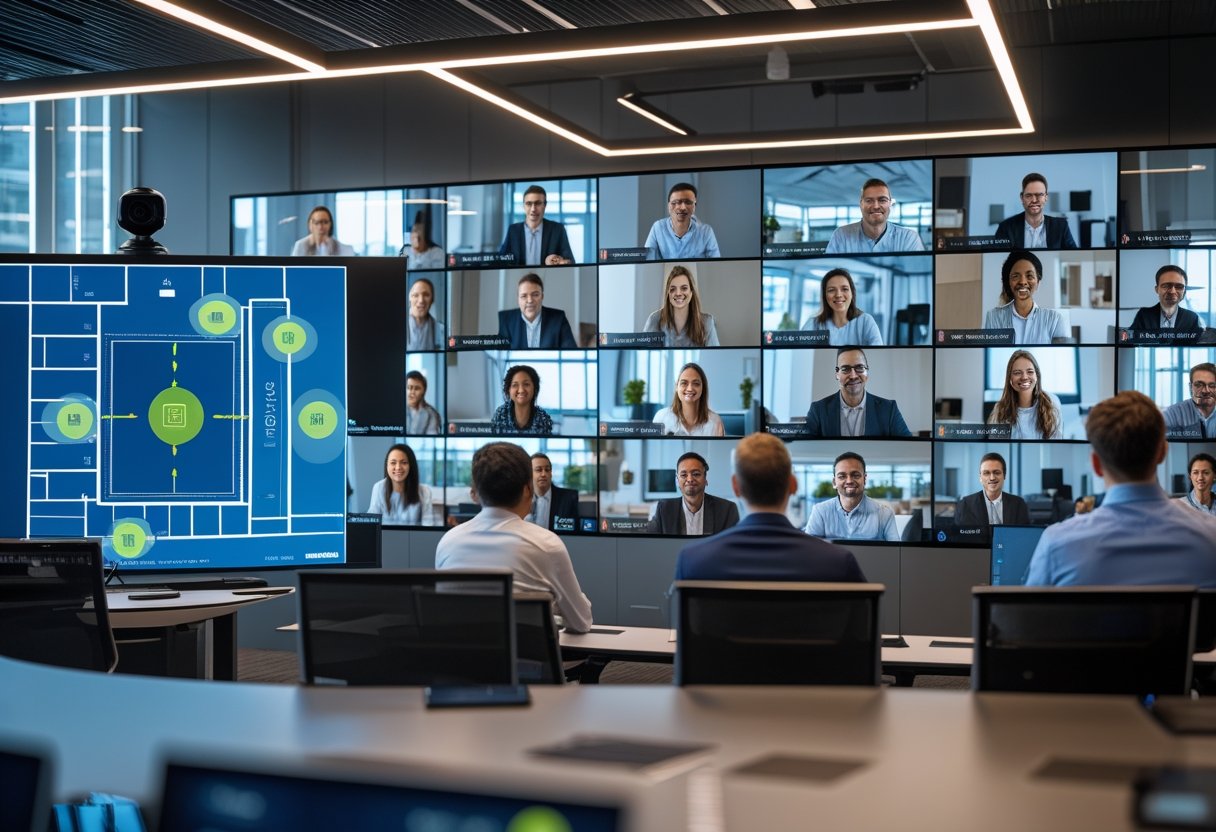
We leverage the latest advancements in audiovisual technology to create immersive meeting experiences. High-definition cameras provide clear images, making remote attendees feel more present.

Choosing directional microphones ensures that every speaker’s voice is captured accurately, irrespective of their location in the room. This technology significantly improves communication quality.

Moreover, advanced room control systems allow for the adjustment of lighting and audio settings automatically. These systems enhance the room’s ambiance, ensuring optimal conditions for focus and productivity.

Lastly, we promote robust network connectivity. High-speed internet and secure connections are vital for seamless collaboration, especially with varying devices. Ensuring a stable network is non-negotiable for effective communication across platforms.

Adapting to Hybrid Work: A Guide for Modern Enterprises

Adapting to Hybrid Work: A Guide for Modern Enterprises

THE EVOLUTION OF OFFICE SPACES IN A HYBRID WORLD

Office spaces have changed a lot in this hybrid era, showing just how businesses are rethinking work. Companies now juggle remote work and on-site presence, and the old fixed office is slowly giving way to layouts that mix flexible design with solid function. This way of working usually sparks a collaborative vibe while still keeping individual needs in view. Technology—frankly, it’s the heart of this shift—is helping smooth out communication and team efforts across different setups. Recent studies suggest that smart space use—like adding hotdesking and dedicated collaboration zones—can boost employee satisfaction and productivity (Comrie et al.)(Jamaludin et al.). Even visual snapshots of these trends hint at how organizations are leaning more on tech to bridge in-person and remote participation in today’s evolving business scene.

The transformation of office spaces from traditional cubicles to flexible, adaptive environments

Office design is evolving in ways we haven’t quite seen before. Traditional cubicles are fading out as flexible, adaptive setups take center stage—boosting teamwork and overall productivity. Many companies, now embracing a hybrid work model, are rethinking their physical spaces to blend remote and in-office work more fluidly. Instead of strict partitions, today’s work environments lean toward open layouts, shared spots, and multi-use areas that handle all sorts of tasks—a real shift from the old rigid designs. Technology plays a big role here; it smooths out communication and helps remote and on-site folks stay connected. The COVID-19 pandemic pushed this change hard, reshaping our expectations about office functionality and employee well-being, with recent research noting that effective home office arrangements and adaptable layouts even influence where people choose to live (Hasan et al.)(Rahadi A et al.). In most cases, modern workplaces are now forced to adapt to everyday work habits, offering a clear example of how hybrid work interactions play out in real office settings.

The implications for interior designers as they reimagine layouts to create inviting and versatile environments

Hybrid work models are flipping the script in many organizations, pushing interior designers to completely rethink what spaces can be. In this new era, ditching the old, tired layouts means a room now has to double as a vibrant hub for group brainstorming as well as a quiet nook for focused solo work. You’ll notice designers mixing in modular furniture and changeable setups that not only amp up functionality but also spark a bit of creative magic—especially for those folks we often label creative knowledge workers ((Radziunaite et al.)). Then there’s the tricky bit of merging in technology; designers find themselves on the hunt for tools that let remote and on-site teams chat seamlessly, without any hiccups. All these bits together build a broad, hands-on approach to interior design that fits evolving work habits while boosting employee engagement and well-being in most cases ((McGann et al.)). In the end, it all captures a blended work scene pretty well, clearly showing how remote and in-person team members can truly collaborate.

The facility managers play a vital role in ensuring the evolving spaces

Facility managers now play a key role in the shift to hybrid workspaces. They don’t just keep things running—they also reimagine how the space works, mixing layouts that boost teamwork with creative touches, and throwing in modern tech to help remote chats feel almost as natural as talking face-to-face. Instead of sticking strictly to routine upkeep, they often jump in to redesign areas so that both onsite and offsite work mesh together, creating a work vibe that’s productive and, well, balanced. In most cases, as many companies are moving toward greener practices these days, facility managers help line up building operations with up-to-date environmental standards, which in turn prepares the space better for climate challenges (somewhat echoing the goals of the European Green Deal and projects like BeWare (Fernández Rodríguez et al.)). Sometimes, even a quick look at various images can show you how hybrid teams interact in this lively mix—reminding us that smart, flexible facility management really makes a difference.

ENABLING EFFICIENCY THROUGH SMART TECHNOLOGY

Hybrid work setups are increasingly common, and companies now lean on smart tech just to keep up with the twists and turns of modern operations. People are mixing in tools like artificial intelligence with big data analysis, which ends up making everyday decisions feel a bit more straightforward while smoothing out the overall process. There’s been talk—in several studies, in fact—that when AI steers logistics, it boosts efficiency by fine-tuning how resources get used and cutting waste (Rauch E et al.). Big data, in its own way, helps build systems that work a little smarter, especially in big cities where vast amounts of information guide important choices (Doctor et al.). Firms that adopt these methods not only see a productivity bump but also spark an innovation vibe that’s crucial in today’s breakneck business world. All in all, hopping on the smart tech bandwagon gives businesses the gear they need to handle the messy challenges of hybrid work, setting them up for steady growth and a solid competitive edge.

This bar chart illustrates the multifaceted impact of AI integration in business operations, highlighting its influence on operational efficiency, decision-making capabilities, innovation culture, and adaptation to hybrid work models. The chart shows varying levels of impact in these key areas, with AI Integration in Business Operations receiving the highest percentage.

Integration of smart technologies within office spaces enhance operational efficiency

Smart tech in offices is quickly becoming a game changer—especially as hybrid work keeps growing in popularity. Organizations nowadays use AI, machine learning, and big data not just to communicate better but to ease everyday tasks and sharpen decision-making. Take smart meeting tools, for example; they let distributed teams jump into virtual collaborations with hardly any fuss. At the same time, these systems can check out how people interact and use resources, offering insights that companies might use to rejig their operations ((Rauch E et al.)). In many cases, regularly using smart analytics for managing facilities and resources not only trims costs but also bumps up productivity, which generally fits modern needs for both adaptability and efficiency ((Doctor et al.)). This shift gently points out that adopting new tech isn’t a luxury; it’s fast becoming essential for supporting the hybrid work model, even if the progress sometimes feels a bit uneven. All in all, although there are a few quirks here and there, it’s plain to see that weaving in these innovations is reshaping how we work every day.

The critical role of collaboration tools that facilitate seamless communication across hybrid teams

Hybrid teams today lean a lot on digital tools that keep everyone in touch. Video chats, project apps, and quick messaging aren’t just fancy extras—they bridge the split between in-person and remote work. People end up sharing ideas on the fly and switching gears fast when problems pop up unexpectedly. It’s funny how, as companies flip to hybrid models, HR practices also start shifting to build a more connected vibe in different settings (Haque et al.). Research, in most cases, shows that when teams make smart use of these tools, they keep that sense of togetherness even if members work far apart (Jamaludin et al.). Beyond smoothing out how folks talk, these tools empower employees in very real ways, sparking a collaborative spirit that sometimes feels a bit spontaneous and, well, a little imperfect—but it sure drives overall success.

How technology can help facility managers to create an effective space management

Hybrid work has pushed technology into the spotlight, completely reshaping how facility managers deal with space. Advanced software that tracks occupancy in real time now let’s these managers see which parts of a building are really buzzing, so they can, generally speaking, adjust layouts and reassign resources on the fly. This digital tactic cuts down on wasted space while boosting overall productivity and, quite frankly, making employees happier—a point often repeated in flexible hybrid models that jibe with different work styles. As workplace routines keep evolving, mixing these tech tools into daily operations tends to support a more balanced management of both physical and online interactions (Companik et al.). As illustrated in , modern offices fitted with the right tools can ease this transition, reaffirming that keeping up with tech advances is pretty much the key to smart space management.

REDEFINING SPACE FUNCTIONS FOR DIVERSE NEEDS

Hybrid work has really flipped how we see and use our space—both employees and companies are caught up in this shift. A bunch of organizations are now scrambling to meet the new demand for flexibility by tinkering with their layouts, mixing setups that spark in-person teamwork with spots that work just as well remotely. Blending smart tech with a welcoming vibe, workplaces are helping people feel better about their work, making it easier to jump between being in the office and working from home. It’s not all about moving desks around; rather, it’s about matching resources to what folks need and how they actually perform, in most cases. One interesting Venn diagram even shows how on-site, hybrid, and off-site models get intertwined—highlighting that these work modes are more linked than they might seem. All in all, a thoughtful approach to planning space can help companies bounce back and drive innovation in the hybrid world, ultimately boosting overall effectiveness (Haque et al.)(TOSCHETTI et al.).

Functions of office spaces are shifting in response to changing workforce dynamics.

Office spaces are changing in unexpected ways; it’s not just about where we work, but how we connect. The rise of hybrid work models has nudged companies—in many cases—to reimagine their environments as spots that fuel teamwork, boost productivity, and care for employee well-being. Old, rigid layouts are now being reshaped to support both in-person meet-ups and remote connections, a shift propelled by the evolving nature of our workforce. Advanced technology finds its way into these reworked spaces too, as seen in projects like the Work-with-IT initiative at the University of Strathclyde (Comrie et al.), gently reminding us that adjusting working practices and skill sets is key to keeping pace. The design of these areas—as illustrated by the dynamic interactions shown in ,—keeps hinting that offices shouldn’t just be about work but also about building community and sparking innovation (Chen et al.).

Lounge and Cafe encourage informal collaboration and networking

Hybrid work has flipped the script on where people meet. Lounges and cafes, with their laid-back vibe and quirky seating, now serve as go-to spots for casual chats and spur-of-the-moment idea exchanges. These spaces break away from stiff office routines, letting folks mix it up and drop the usual hierarchy—even if, in most cases, the shift happens gradually. Team members choosing these relaxed nooks end up forging deeper bonds that help, generally speaking, keep remote workers from feeling left out. Tech makes its own cameo too. For example, video conferencing tools set up in these spots let off-site colleagues jump in without missing a beat, so a mix of fresh perspectives naturally finds its way into the conversation. This informal style aligns with a growing belief in the value of social interaction at work, hinting at a move toward an entrepreneurial culture that prizes creativity and collaboration (as various workplace studies (Rafailova G et al., p. 43-81)(Barken TL et al.) suggest). A snapshot of a group mid-virtual meeting really shows how these venues blend face-to-face with remote teamwork, underlining just how much lounges and cafes are reshaping modern enterprise.

THE REAL ESTATE PERSPECTIVE: ADAPTING TO HYBRID DEMAND

Hybrid work isn’t just a buzzword these days—it’s upending how companies view their spaces. Many firms are finding that, as employees split time between home and the office, there’s no neat formula; instead, the call is for a fresh look at how office layouts are built and used. Offices are being rethought to flatter both teamwork and quiet solo work—flexibility keeps coming up again and again as the magic word. In most cases, simple tech like IoT tools is stepping in to help boost efficiency and manage space better (Allioui H et al., p. 8015-8015). There’s also some growing chatter about digital marketing in the metaverse, a sign that traditional real estate must loosen up and start blending tangible spaces with virtual ones (Yogesh K Dwivedi et al., p. 750-776). Real estate now, generally speaking, has to keep pace with these shifting dynamics to foster environments where productivity and collaboration can coexist, even if the changes sometimes feel a bit raw. You can see these adaptive moves reflected in , delineating some of the core facets of getting office culture right in this hybrid age.

Image1. Venn diagram illustrating office culture dynamics.

The impact of hybrid work trends on real estate strategies

Hybrid work is shaking up company thinking in unexpected ways. Offices that used to be built on one fixed plan are now shifting into spaces that can handle a lively group session one minute and quiet, individual work the next. This mix of being onsite and working remotely has, in most cases, pushed firms to double-check how much room they actually need while also betting more on new tech. Take, for example, some modern designs—as shown in , these workplaces lean on technology to merge remote and in-person work, often boosting productivity and overall job satisfaction. There’s a noticeable trend toward spaces that work on multiple levels, inviting casual chatter alongside focused time, which really echoes broader market shifts influenced by both user experience and tight budgets. At the end of the day, real estate choices aren’t just about square footage anymore; they’ve become a core piece of overall business strategy in this fast-changing hybrid work world (Yogesh K Dwivedi et al., p. 750-776)(Yogesh K Dwivedi et al., p. 102542-102542).

The importance of location as companies seek office spaces that complement hybrid models

Hybrid work is taking off, and more companies are rethinking where they set up shop. Offices now need to be spots where people come together in person while still keeping remote connections alive, which really helps performance and overall satisfaction. The way a workplace is laid out—and just how easy it is to get to—can swing how well this mix of work styles actually pans out. Some firms even blend onsite and offsite arrangements in a style that echoes the hybrid work model depicted in , crafting spaces that spark collaboration and fresh ideas while easing that everyday commute hassle. In most cases, businesses lean on what employees truly prefer (as (Doctor et al.) notes) to sharpen their location picks. At the end of the day, choosing an office that gels with a hybrid setup gives companies a leg up in today’s fast-changing, flexible world.

Image2. Diagram of Hybrid Work Models Illustrating Flexibility in Employee Work Arrangements

Collaboration between interior designers, facility managers, and Audio Visual System integrator to enhance property attractiveness

Hybrid work is changing how we use our spaces, and in most cases, interior designers, facility managers, and AV system integrators are coming together—often in unexpected ways—to uplift both the look and the function of a property. Interior designers whip up areas that feel both creative and comfy, while facility managers keep everything humming along so the space easily shifts between face-to-face meetings and remote sessions. At the same time, AV system integrators step in to build the tech backbone, linking devices and networks so team members stay connected whether they’re in the room or miles away. All of these efforts mixed together end up crafting a work environment that’s more flexible and appealing to a wide range of people. Generally speaking, this blend doesn’t just hit aesthetic marks—it also plays a big role in how a company is seen and how well it works overall. Images such as illustrate these dynamics in everyday practice, capturing a snapshot of modern offices that aren’t just smartly designed but are also agile and welcoming. In most cases, it’s this kind of casual, yet robust, teamwork that turns ordinary spaces into real hubs of creativity and efficiency.

Read More : Evaluating Organizational Productivity: A Comparative Analysis of Working from Office, Hybrid Models, and Remote Work from a Business Perspective

CREATING SUSTAINABLE AND INVITING WORKSPACES

Modern companies, especially those juggling hybrid work setups, really need spaces that are both sustainable and inviting. Instead of a one-size-fits-all office, many folks are opting for designs that lean on natural light, ergonomic furniture that feels just right, and a splash of nature-inspired decor—which, in most cases, can boost both mood and output. Urban green areas are a neat bonus too; they tend to foster better physical and mental health for everyone working remotely or in the office. Sometimes open areas and flexible meeting nooks pop up as ways to spark that genuine sense of community. On top of that, tech has become a key player, smoothing out connectivity issues for those hybrid collaborations. You can even see hints of this in immersive learning platforms (as detailed in (Jagatheesaperumal SK et al., p. 1-20)) that upgrade training opportunities, and in the same breath, (Addas A) reminds us that those green spots offer real perks for employee satisfaction and a greener outlook. All in all, a thoughtfully crafted workspace not only meets day-to-day business needs but also, quite simply, nurtures the overall wellbeing of the team.

This bar chart illustrates the impact of biophilic design elements on various workplace metrics, highlighting improvements in productivity, employee well-being, creativity, and employee satisfaction. Each bar represents the percentage increase attributed to biophilic workspaces, with employee satisfaction showing the highest improvement at 33% and both productivity and creativity enhancements at 15%.

The importance of sustainability in office design and management

Hybrid work is changing fast, and making offices sustainable has become a must. Offices that use green practices do more than just help the planet—they tend to boost how people feel and work. Imagine adding nature-inspired touches that freshen up the air and create a cozy vibe (Image2); such ideas can really lift spirits. Companies are increasingly choosing eco-friendly materials and energy-saving tech, which fits in with the growing call for corporate responsibility. Tools like Life-Cycle Assessment (LCA) offer a handy way to look at the full environmental impact of building materials and construction methods, nudging businesses to think long-term about their ecological mark (Banfill et al.). As firms forge ahead, lining up their efforts with green goals often shows a real commitment to social good and might even give them an edge in the market (N/A). In short, mixing in sustainability with smart office design is shaping what work will look like down the road.

How interior designers can incorporate sustainability principles into their projects

Interior design that leans into sustainability has become more than just a trend—it’s almost a necessity as workspaces shift into flexible, hybrid modes while keeping an eye on our environmental responsibilities. Today, designers often grab eco-friendly materials like reclaimed wood or low-VOC paints; these choices not only shrink a project’s carbon footprint but also add a unique, appealing touch. Sometimes, mixing in natural elements—what many call biophilic design—can really lift employee well-being and even spark productivity in modern offices. As hybrid work becomes more common, the idea of having spaces that can jump between group discussions and quiet work sessions grows in importance; flexible layouts, for instance, can cut down on extra resources by smoothly toggling between these modes. Energy-efficient lighting and smart technology, generally speaking, help manage power use throughout the day, directly backing sustainability efforts ((Belmabrouk et al.)). By keeping these ideas front and center, interior designers meet client needs and, in their own way, help build a more sustainable future.

The growing role of facility managers in implementing and maintaining the sustainable practices

Many companies are moving toward hybrid work setups, and facility managers now find themselves central in promoting greener practices throughout everyday workspaces. Their role isn’t solely about boosting efficiency—they’re also responsible for trimming the environmental footprint that so many buildings tend to leave behind. It all comes down to a basic fact: in most cases, our buildings consume a huge slice of global energy and pile up waste, nudging these professionals to think up creative, often unconventional fixes. Generally speaking, they’re rolling out energy-smart technologies and fine-tuning resource use to hit both eco and budget targets (Akinwusi et al.). At the same time, as hybrid work arrangements gain ground, these managers confront new challenges—balancing the needs of remote folks and on-site teams, all while keeping sustainability in view. Their efforts, in a very real sense, shape workspaces that not only run smoothly but also champion eco-friendly practices, much like the collaborative environments depicted in , which subtly underscore just how vital adaptive workspaces are in modern enterprises.

A COLLABORATIVE APPROACH TO FUTURE WORKSPACE NEEDS

Hybrid work is changing things up and making us rethink how businesses collaborate in all kinds of ways. Companies these days aren’t sticking to a cookie-cutter plan; instead, many are mixing smart tech with flexible, sometimes even surprising, workspace setups—ones that help both remote and in-office folks gel together. Digital communication tools and project management software, for instance, are pretty crucial for keeping everyone engaged and feeling connected no matter where they are, even if that means a little irregularity in how things get done. Generally speaking, the idea of a modular workspace—where environments can shift on the fly based on changing needs (see (Cueva H et al.))—seems to be gaining traction as work preferences diversify. You might have noticed, too, that visuals of teams working in hybrid settings suggest a strong push toward environments that naturally fuse physical and digital realms. All in all, by embracing these flexible and sometimes offbeat strategies, businesses can navigate the complexities of future workspaces and actually thrive in an ever-shifting landscape.

A collaborative mindset among real estate managers, facility managers, and interior designers

Workplaces keep changing, and managers in real estate, facilities, and interior design now have to pull together—especially as more companies settle into hybrid work. It’s not simply about tidying up spaces; it’s about making sure our surroundings really match the shifting needs of a mixed workforce. (Mobach et al.) suggests that facility managers, in most cases, can really spark change by getting to know what users need and kickstarting a bit of innovation within their own setups. (Saurin et al.) also points out that nailing effective hybrid strategies depends a lot on anticipating user demand shifts—which, frankly, needs ongoing, honest chats among everyone involved. When these experts come together, they can create areas where moving from in-person to remote work feels natural, boosting productivity and employee morale. A snapshot of a team mid-virtual meeting perfectly captures this blend of tech and human touch in today’s workspaces.

The importance of continuous learning and adaptation

Hybrid work today isn’t just about remote offices—it’s a world where you quickly learn and adapt. Companies now try to nurture a vibe that puts ongoing learning and in-the-moment skill-building first, because, quite simply, remote and mixed work settings throw new challenges our way every day. Some businesses, for example, lean on flexible training models that get their teams ready for surprises like cybersecurity hiccups—platforms like THREAT-ARREST even offer modules you can tweak to suit different needs (Al-Ghamdi A-M et al.). In most cases, as even traditional fields like agriculture try out new methods, professionals have to catch up with informal seed systems and evolving strategies, a reminder that lifelong learning isn’t just a buzzword (Beshir et al.). This steady drive to keep learning not only fine-tunes daily operations, but also builds up employee spirit and resilience, paving the way for more overall success. Picture a team deep in a virtual meeting—this image perfectly shows how mixing regular adaptation with the right tech helps hybrid collaboration really click.

Image3. Hybrid Work Models and Tech Adoption Strategies in 2025

Evaluating Organizational Productivity: A Comparative Analysis of Working from Office, Hybrid Models, and Remote Work from a Business Perspective

Evaluating Organizational Productivity: A Comparative Analysis of Working from Office, Hybrid Models, and Remote Work from a Business Perspective

INTRODUCTION

Flexible work arrangements—from working entirely from home to the mixed and even classic office routines—are shaking up how we do business these days. Global events, like that massive COVID-19 disruption, and shifting employee expectations have nudged companies into trying out these new work styles. In most cases, research shows that when organizations adopt these options, employee satisfaction and even performance can get a boost—this is especially true in tech sectors where being nimble really matters (Cero et al.). A look at the mental side of remote working (with its techno-driven pressures) reveals that such demands can affect how engaged–and, frankly, how well–employees feel (MASSA et al.). You see, comparing these work models, with all their ups and downs, gives companies hints on how to better tailor their strategies to what their teams really need. Overall, this discussion sets up a framework—albeit a flexible one—for judging productivity in these shifting work environments, drawing both on solid empirical research and everyday real-world insights, as backed by current data


Image4. Venn diagram of work arrangements: Onsite, Hybrid, and Off-site work.

Overview of organizational productivity in the context of work environments

Work productivity really hinges on where work happens, and every type of workplace shifts that efficiency in its own unpredictable way. Companies using old-school offices, mixed setups, or fully remote teams all see changes in how work gets done. In general, research shows that hybrid models tend to click with employees – they help balance home and job demands while still letting folks connect in person, which seems pretty essential for keeping energy up (Gross et al.). Digital tools, now with even more flexibility, ease time management and resource use, all of which ends up creating a work setting that naturally supports getting things done (BELLESSO et al.). Looking at these trends, it becomes clear that adapting workspaces to suit what employees actually want is sparking a shift toward cultures where well-being and engagement come first. This change nudges businesses to rethink how they operate as new productivity trends emerge, pointing to a future where work is far from one-size-fits-all. The insights from effectively illustrate how mixing onsite and offsite work really reinforces the idea that hybrid models are a key part of boosting overall organizational success.

Comparative Analysis of Organizational Productivity Across Work Environments

WORKING FROM OFFICE

Working from the office still stands as a real backbone for how companies get things done. In person, people just click together — casual chats can spark unexpected ideas and build those kind of solid bonds you need for tackling tough problems. Remote work and hybrid setups might let you bend the rules a bit, but they rarely capture that immediate, in-the-moment feedback or the genuine sense of “we’re all in this” you feel when you share a space. Research even shows that many folks generally like keeping work and home apart; that clear line often helps focus better and cuts down on everyday home distractions. Companies, increasingly tuned in to what employees really want, have to balance freedom with regular, personal interaction to keep the workplace vibe productive. Some studies (BELLESSO et al.)(Dexter et al.) even underline how getting this mix right can help leaders shape environments that boost output while still taking care of their teams. There’s also a hint from various insights that pairing the spontaneity of office time with the ease of remote work might just be the ticket for building a more nimble and responsive setup.

Benefits and challenges of traditional office settings on productivity

Traditional offices spark teamwork and lively chats that can really boost productivity. People often end up bouncing ideas off one another in spur-of-the-moment sessions—immediate feedback sometimes leads to snap decisions. Yet, these settings come with their quirks: open layouts can be distracting and strict schedules might smother creativity. Many now wonder, in most cases, if keeping a unified corporate vibe while letting individuals thrive is even possible—especially with hybrid work becoming so popular. One analysis of employee satisfaction with hybrid models (BELLESSO et al.) suggests that companies must blend the perks of classic offices with fixes for their flaws to keep efficiency up. The pandemic, for instance, threw these issues into sharp relief, showing that workers deeply crave the flexibility and autonomy that traditional setups can often lack, as portrayed in the insights from.

Image5. Modern Workspace Design: Individual Workstations in Contemporary Office

Enhancing Social Well-being and Team Cohesion in Traditional Office Settings

Traditional offices often thrive when people interact face-to-face, and that simple closeness seems to boost overall company productivity. People end up chatting spontaneously in hallways or over coffee, and these small moments often spark creativity and cement relationships. Research, for example, shows that even a small, well-timed reminder can encourage folks to notice their own contributions—helping them feel more connected to the team (Fritz et al.). A strong leader, in most cases, proves crucial too; one who can wade through the quirks of hybrid work—where communication sometimes falters and trust can dip—can steer the team away from potential pitfalls (Muhumed et al.). In many instances, blending planned team-buildings with relaxed, impromptu gatherings helps nurture an inclusive vibe, one where every little interaction counts. Overall, this mix not only deepens team solidarity and wellbeing but also reflects a workplace culture that genuinely cares.

Read More : The Perfect Meeting: Designing State-of-the-Art Boardrooms with MLV Teknologi and Extron

HYBRID MODELS

Hybrid work has really flipped our ideas about how productive a workplace can be and how connected employees feel. Companies now mix days at the office with working from home, which lets them balance personal choice and smooth operations without too much fuss. As noted in (BELLESSO et al.), many firms that try out these flexible setups end up with better teamwork, fresh bursts of creativity, and overall happier staff—a tricky balancing act between giving people room to work solo and coming together as a team. Different approaches, whether it’s a split-week or alternating weeks, give employees the freedom to shape their own work environment just to get the best out of their day. There’s even research saying “hybrid work can be done in different forms” “Hybrid work can be done in different forms. The following models are distinguished most often: the at-will model, the split-week model, shift work, and week-by-week.” (Marta Stasiła-Sieradzka, Elżbieta Sanecka, Elżbieta Turska), hinting that modern businesses need to be as adaptable as possible. Visual data, as shown in , highlights perks like improved mental health and shorter commutes, which really cements why these models matter in today’s evolving job scene. All in all, hybrid arrangements seem key to boosting both how efficiently work gets done and the overall well-being of the people behind it.

Impact of hybrid work arrangements on employee engagement and performance

Hybrid work setups have really changed the way companies see both employee engagement and performance metrics. People now mix working at home with coming into the office, and in most cases, many workers say that this extra flexibility leads to better work-life balance and bumps up productivity. One study even shows that when organizations get Flexible Working Arrangements (FWAs) right, it tends to make employees happier—hinting at a strong link between flexibility and engagement levels (Cero et al.). But not everything runs smoothly. Keeping team spirit alive can be tricky when work spills mostly into virtual spaces, pushing HR to rethink how they help colleagues connect and collaborate, sometimes in unexpected ways (Haque et al.). A simple Venn diagram of hybrid work, for instance, captures this blend of remote and onsite perks quite nicely. All in all, the hybrid model has come to be seen as a key approach for businesses looking to boost both performance and engagement while giving traditional workplace ideas a solid shake-up.

Strengthening Team Bonds and Knowledge Sharing in Hybrid Work Environments

Team bonds and sharing know-how lie at the core of productivity in hybrid workplaces. The mix of remote and on-site work can really boost how engaged folks feel—even when the rhythm of daily work shifts unexpectedly between the two. Recent studies generally show that clear, no-nonsense conversation and genuine personal connections help build commitment in virtual settings, hinting that companies should nurture these aspects ((Benjamin et al.)). Using digital tools like JIRA and Slack can narrow the gap between team members scattered around, making collaboration flow more naturally ((Mimo et al.)). Social moments—whether an informal online team-building session or an occasional face-to-face get-together—play a crucial role in cementing these bonds. And if you glance at the bar graph detailing different employee preferences for remote and hybrid work, it’s clear that addressing the unique needs of hybrid workers can further solidify these essential connections for lasting organizational success.

REMOTE WORK

The COVID-19 crisis pushed companies into a whole new way of working, and remote work soon ended up turning regular company routines on their head. Businesses scrambled to get remote setups up and running, and it quickly became clear that adapting on the fly was no longer optional—“The relationship between WFH and personal and organizational productivity and performance is complex,” as many have noted. Trust and support from employees, for instance, seem to matter in ways that we hadn’t quite expected before, playing a key role in keeping remote work sustainable. Generally speaking, studies show that folks working hybrid or entirely from home tend to have a more upbeat attitude about their jobs than those confined to the office, which in most cases lowers their intentions to leave and boosts overall commitment (Boyd et al.). Interestingly, recent data hints that during the pandemic workers’ preferences for future setups shifted quite a bit, underscoring the need to really grasp these evolving work landscapes. Ultimately, striking just the right balance between individual needs and company goals is what keeps businesses competitive and inventive in a job market that’s always on the move.

Analysis of remote work’s influence on productivity metrics and outcomes

Remote work comes with a whole mix of productivity outcomes as companies move away from rigid office routines. Some people seem to really excel when they work from home—fewer commutes mean extra focus—while others often get sidetracked because there’s less supervision, and that really affects how much they get done. Tech, too, plays a big role here; by the way, the programs and tools that keep folks in touch can either pull the team together or sometimes even complicate things. In most cases, recent research hints that a blend of in-person days and remote work might just hit the right balance, letting companies tap into the best of both worlds (Buyya et al.). You can also gather a few pointers from trends in remote learning in education, which generally suggests that fine-tuning digital methods is key to better results (Bryan C Hassel et al.). All in all, getting a handle on these twists and turns is pretty important if you want to build remote work strategies that actually work.

Fostering Virtual Connectivity and Its Impact on Team Dynamics in Remote Work

Nowadays, as work shifts more into the digital realm, a solid online connection is shaping how teams actually interact—especially when everyone’s working remotely. When companies move over to remote setups, the need for clear, straightforward communication and collaboration tools really jumps to the forefront; you simply can’t ignore it. Better virtual links not only keep colleagues involved but also help build trust—a trust that, generally speaking, is crucial for getting work done and sparking creative ideas. For example, some findings illustrate how workers’ pandemic experiences have molded their preferences for future work, hinting at a growing appetite for flexible setups that bring remote connectivity into play. In addition, research points out that setting up support structures like mentorship programs and routine check-ins can, in many cases, help keep connection and morale high ((Hopkins J et al., p. 3086-3086)). When organizations intentionally work on creating a culture that values online teaming and connection, they tend to adapt more smoothly to remote work demands while boosting team dynamics and overall productivity.


Image2. Bar graph illustrating remote work experiences during the pandemic and future work arrangement preferences.

SUMMARY OF FINDINGS AND IMPLICATIONS FOR FUTURE ORGANIZATIONAL STRATEGIES

Companies now face a shifting work scene. More people are flipping their routines, often choosing remote or mixed setups because, really, a shorter drive and a flexible day make a big difference for how they work and feel (Bell et al.). Research even hints that hybrid setups can offer the best of both worlds—letting individuals work their own way while still sharing ideas together—which in most cases helps things run more smoothly and even spices up the company vibe (BELLESSO et al.). You see, the idea that less time spent commuting consistently lifts employee well-being keeps coming up again and again. In the end, if businesses want to snag and stick with great talent in this post-pandemic era, they’ve got to seriously rethink their work arrangements—matching what people need with a style that keeps the whole operation humming.

Harmonizing the Five Senses: The Collaborative Role of Audiovisual Integrators, Architects, and Interior Designers in Crafting Exceptional User Experiences

Harmonizing the Five Senses: The Collaborative Role of Audiovisual Integrators, Architects, and Interior Designers in Crafting Exceptional User Experiences

INTRODUCTION

Design today isn’t just about a pretty picture—it’s about sparking all our senses. Designers, including architects, interior experts, and audiovisual folks, are now teaming up in ways that feel almost unexpected; instead of only catching your eye, they want you to actually feel, hear, taste, and even smell the space. This trend has picked up steam because piling on endless visuals can easily overload someone—recent studies, for instance, indicate that adding elements like sound or touch makes everything a bit clearer ((Bates et al.)). And then there’s the way culture, social vibes, and nature sometimes blend together—generally speaking, as seen in various spiritual tourism experiences ((N/A))—which suggests that a rich mix of sensory cues can really heighten engagement. In most cases, merging these facets helps create spaces that truly resonate on a human level. As an example, the biophilic design framework gives us a glimpse of how reconnecting with nature can be a crucial part of making environments feel genuinely alive.

Image2. Modern Interior Design Concept Featuring Technological Interactivity

Overview of the importance of sensory experiences in design and architecture

Modern design and architecture have begun to lean into sensory experiences that build a deeper bond between people and their spaces. Designers mix in the five senses—sight, sound, touch, taste, and smell—to create environments that not only meet everyday needs but also spark feelings and boost well-being. Immersive art, for example, shows how sensory cues can completely shift a space; a phenomenological look at how we watch and feel our surroundings (Scacco et al.) really drives this point home. In most cases, innovations like Augmented Reality (AR) are fusing the real with the virtual in ways that bring out intuitive, multi-sensory places (N/A). All of these ideas, taken together, suggest that when spaces actively engage us, they invite experiences that enrich daily living. This overall approach effectively illustrates a framework for biophilic design—a strategy that weds nature with our built environments through sensory engagement.

Image3. Visual representation of scents and smells in Amsterdam during spring.

THE CONTRIBUTION OF ARCHITECT

Architects shape spaces that go beyond mere function—they spark full-on sensory adventures. They mix in elements from nature, adding little doses of greenery and light that soothe the mind while making a room feel surprisingly warm. Playing around with space, they turn everyday walls and floors into immersive playgrounds where feelings and interactions bubble up unexpectedly. Look at how a smart use of sunlight, unique materials, and offbeat layouts can spark emotions and weave a closer bond between people and their surroundings. Some recent research (Elsamahy et al.)(Evans et al.) even hints that digital game-based learning can totally shake up architectural education, bringing fresh, playful twists to classic design ideas. All these bits and pieces show that architects do more than build structures—they craft experiences where the human touch really matters. In this sense, their work stands as a clear sign of nurturing nature-inspired bonds, and it points to the growing need for blending audiovisual cues and interdisciplinary ideas into design.

Image4. Modern office interior with contemporary design elements

Designing spaces that engage all five senses for holistic user experiences

Mixing sensory cues in creating a space goes way beyond mere looks—it creates a full vibe that connects with people on a deep level. Designers and architects think about how a room not only appears but also sounds, feels, smells, and even, at times, tastes; they let each element play its part in a surprisingly intertwined way. Generally speaking, when they use service design ideas, they’re crafting places that meet everyday needs while also stirring up emotions and boosting overall well-being (Hands et al.). Consider a space where gentle background sounds work to soothe you, or where rough, inviting textures make you want to reach out and touch—the blending of these elements can really heighten the experience. Interestingly, wearable tech has pointed out (in its own clever way) how mixing sound with touch can enhance accessibility, especially for folks with disabilities (Bates et al.). By leaning into these sensory details, designers can build environments that feel inclusive, vibrant, and offer interactions that are truly one-of-a-kind.

This bar chart illustrates the significant benefits of incorporating multi-sensory design elements into user experiences. It shows that multi-sensory design can increase attention by 74%, improve memory recall by 75%, and enhance user engagement by 30%. These statistics emphasize the importance of a holistic design approach that engages multiple senses to create immersive and impactful environments.

THE IMPACT OF INTERIOR DESIGNERS

Interior designers have a knack for turning ordinary spaces into places that stir emotion and simply feel right. They don’t just settle for a pretty room—you can sense their intent in every little sensory detail they add. One favorite trick is inviting nature inside through biophilic ideas, which, as (Guo et al.) shows, often helps lower noise and lift overall well-being. Hospitals, for example, aren’t merely about sterile looks; a thoughtful interior can ease anxiety and make patients feel a bit more at home. Nowadays, with tech weaving its way into every part of the design process, it’s common to see architects and audiovisual integrators teaming up with interior pros to create immersive experiences that engage more than just the eyes ((Dias et al.)). At the end of the day, their work goes far beyond dressing up a room—it’s all about creating an atmosphere that resonates emotionally and works well practically. The systematic framework for researching these interactions, as depicted in , serves as a kind of guide to untangling these complex, intertwined relationships.
StudyKey FindingsSource
Gavilan & Al-shboul (2023)Interior design significantly influences guest experiences in urban hotels, affecting comfort and overall performance.https://www.emerald.com/insight/content/ doi/10.1108/EJIM-07-2023-0528/full/html 
Rui & Firzan (2024)Emotional design in interior spaces enhances user satisfaction by addressing visual aesthetics, functional use, and personal life aspects.https://www.researchgate.net/publication/ 383373962_Emotional_design_in_contemp orary_interior_spaces_User_experience_an d_emerging trends
Dong et al. (2024)Public interior design and spatial layout significantly impact user emotions, behavior, and satisfaction.https://hillpublisher.com/ArticleDetails/2708
Arshad & Rana (2024)nterior design plays a crucial role in occupants’ well- being, quality of life, and overall satisfaction with their living environment.https://journals.stmjournals.com/ijea/article=2024/view=184255/
ProQuest (2024)Meticulous interior design in educational settings positively affects users, improving overall mood and productivity.https://www.proquest.com/docview/2756713126

Impact of Interior Design on User Experience

Read More : The Future of Work: How Technology Is Shaping Office Spaces for the Next Generation

Creating atmospheres that evoke emotional responses through sensory elements

Designing spaces that stir up feelings starts with mixing sensory details in unexpected ways. Architects, audiovisual experts, and interior designers often work together—sometimes almost serendipitously—to blend sight, sound, touch, taste, and smell, all of which shape – in one way or another – how we connect with an environment. A soft murmur in the background or the feel of a carefully chosen material can remind us of old memories or simply calm our nerves; generally speaking, nature-inspired touches seem to boost our well-being, aligning with ideas found in biophilic design (Bosoni et al.). People have long argued that real design isn’t just about what we verbally share—it’s also about feeling and seeing, letting tactile materials mix with visual cues to build deeper, more human bonds (Cockton et al.). An example of this appears in , showing how complex sensory cues guide behavior and gently reminding us of the need for design practices that weave different elements together, even if in a slightly unpredictable flow.

Image5. Conceptual diagram illustrating aspects of connection, sensory experiences, and authenticity.

THE ROLE OF AUDIO-VISUAL SYSTEM INTEGRATORS

AV integrators serve as a key bridge between architects’ visions and interior designers’ creative insights, turning sketchy ideas into real experiences you can actually feel. Their solid skill in blending audio and visual elements – which isn’t always a straightforward task – means that spaces get built not just for function, but also to spark sensory engagement. Generally speaking, by harnessing new technology and keeping a keen eye on what users really need, these professionals shape environments that speak to both our emotions and our sense of style. Many say that, in most cases, they’re the ones who have seen projects jump off the page and come to life in practice “AV integrators have the most experience seeing projects actually get built and used in the wild. They don’t just know what has succeeded or failed before – they know why, and they also know what is possible but hasn’t been done yet. That insight is invaluable.” . This kind of hands-on know-how proves essential when meeting varied needs in places like schools or immersive art spaces, where tech has to fit naturally with the physical setup to drive real interaction (Scacco et al.). Sometimes, they even lean on systematic frameworks, like the one captured in , to weave design into everyday experience while also boosting overall well-being and satisfaction.

Enhancing auditory and visual experiences through technology integration

Tech integration is key to making user experiences richer by boosting what you see and hear. Designers and architects often blend visuals and sounds in ways that aren’t always predictable—they might mix bold images with crisp audio so that a space feels truly engaging. Take wearable gadgets, for example; they sometimes send out subtle haptic nudges that work with on-screen displays, helping everyone—including people with disabilities (Bates et al.)—connect more naturally with the information. In many cases, classrooms that adopt these tech tweaks show that a bit of standard planning combined with creative design can really lift both teaching and learning experiences (McKamey et al.). Ultimately, merging sound and sight with smart tech changes builds not just functional areas but spaces that resonate with us on a deeper level, echoing biophilic ideas aimed at nurturing well-being.

StudyFindings
Ernst and Banks (2002)Demonstrated that the human brain integrates unisensory signals in a statistically optimal fashion, enhancing reliability of sensory estimates.
Gori et al. (2008)Found that children under 8–10 years old use the most robust sensory modality to calibrate others, suggesting specific modalities are more effective for teaching certain concepts.
Volta et al. (2018)Developed a multisensory learning activity for teaching angles, where children used arm movements mapped to visual and auditory feedback, improving understanding of geometric concepts.

Impact of Multisensory Technology Integration on Learning Outcomes

Conclusion

Working together, audiovisual experts, architects, and interior designers add a unique spark that helps create user experiences touching on every sense. It isn’t just about making things look good; mixing these talents tends to iron out everyday issues like accessibility and smooth user interaction. Some recent studies—even ones pointing out where pure visuals fall short—suggest that mixing in sounds and a touch of tactility really boosts how we engage with technology (cite17). Besides that, this blend of skills proves especially important in spaces like cultural centers, where a layered sensory approach generally helps promote inclusivity and build deeper bonds with the surrounding community (cite18). By leaning on nature-inspired design and trying out fresh ways of gathering user feedback, our built environments can help nurture well-being and enrich the human experience in unexpected, meaningful ways.

Image6. Audio Technology Classroom Setup

The necessity of collaboration among professionals to achieve exceptional user experiences

Teamwork plays a huge role in user experience design. Professionals coming together—think audiovisual integrators, architects, and interior designers—mix their skills in ways that create spaces appealing to multiple senses. When these experts wedded their efforts, the designs tend to capture a blend of functionality with a warm, human touch; in most cases, skipping this cross-field collaboration can leave spaces feeling choppy and not quite what users expect. Consider lighting, sound, and layout: if these elements aren’t in sync, the overall impact might suffer both in practical use and style. As noted in (N/A) and (Chan et al.), embracing sustainable practices and grasping how long a built environment lasts should usually be part of the team’s conversation. Also, visual frameworks such as those exemplified in can sometimes offer fresh, valuable ideas that help spark genuine, if slightly imperfect, dialogues among professionals, strengthening how users engage with the space.

Image1. Framework for Research on Biophilic Design