
Fundamentals of AV Technology in Presentations
Incorporating audiovisual technology in presentations enhances communication and keeps the audience engaged. Understanding its core elements helps us create a more impactful experience.
Understanding Audiovisual Elements
Audiovisual elements combine sight and sound to convey information effectively. These include videos, slideshows, graphics, and animations. Using these tools allows us to illustrate key points visually.
For example, a video can demonstrate a process that is difficult to explain with words alone. Graphics can simplify complex ideas, making them easier to understand. Incorporating animations can also grab the audience’s attention and highlight important information.
Selecting the right audiovisual elements is crucial. We should align our choices with the presentation’s objectives to maximize audience retention and comprehension.
Role of Visual Aids in Audience Engagement
Visual aids play a significant role in audience engagement. They help capture attention and reinforce key messages. This can include charts, infographics, and slides that complement the spoken content.
Using vibrant colors and clear images makes our visual aids more appealing. It’s important to avoid clutter, as overwhelming visuals can distract from the message. A good rule of thumb is to use the 80/20 rule: 80% visual and 20% text on our slides.
Additionally, interactive elements, such as polls or quizzes within the presentation, can further draw in the audience. This involvement increases retention and encourages participation, leading to a more dynamic experience.
Impact of Audio Components on Presentation Delivery
Audio components are essential for effective presentation delivery. They include music, sound effects, and voiceovers. A well-timed sound effect can emphasize a point or evoke an emotion, making our message more memorable.
Clear audio quality is vital. Poor sound can lead to frustration and disengagement. We should ensure that microphones and speakers are functional and of high quality. It’s a good idea to test everything before the presentation starts.
Moreover, the speaker’s voice plays a crucial role. Varying tone and pace can keep the audience’s attention and convey enthusiasm. A strong, confident voice helps us connect with the audience and delivers our message more effectively.
Designing Engaging Presentations With AV Technology
We can enhance our presentations by using AV technology to create a rich and immersive experience. By thoughtfully incorporating multimedia, utilizing effective lighting, and balancing audiovisual elements, we can capture our audience’s attention and ensure our message resonates.
Incorporating Multimedia Content
When we include multimedia elements like videos, images, and animations, we make our presentations more engaging. Visual aids can help illustrate complex concepts and maintain audience interest.
Using short video clips allows us to add dynamic content that complements our speech. High-quality images and infographics can simplify information and improve understanding.
We should also consider interactive elements, such as polls or quizzes, to encourage participation. These tools not only keep the audience engaged but also provide instant feedback about their understanding.
Effective Use of Lighting and Color Schemes
The right lighting and color schemes play a vital role in setting the mood for our presentations. We can use bright lighting to energize the room or softer lighting for a more relaxed atmosphere.
Choosing a color scheme that aligns with our topic can also enhance visual appeal. For example, blue tones may convey trust and professionalism. In contrast, warm colors like red or orange can evoke excitement.
Using contrasting colors can help important information stand out. We should ensure that text is readable against the background, as this directly impacts audience comprehension.
Balancing Audiovisual Elements
Balancing audiovisual elements is essential for a cohesive presentation. We must ensure that audio levels are appropriate, allowing everyone to hear without straining.
Using background music can create an emotional connection, but it must not overpower our voice. Keeping audiovisual content in sync with our speech keeps the audience focused on our message.
We should aim for a harmonious blend of visuals and audio. Each element should enhance our message rather than distract from it. By doing so, we increase the likelihood that our audience will remember key points long after the presentation ends.
Advanced Techniques and Tools
In the modern presentation landscape, leveraging advanced techniques and tools can significantly enhance engagement. We explore interactive AV solutions, software enhancements, and the latest trends that elevate our presentations to new heights.
Interactive AV Solutions
Interactive AV solutions transform passive viewers into active participants. Tools such as digital whiteboards and interactive projectors allow for real-time collaboration.
Benefits of Interactive AV Solutions Include:
- Increased audience engagement
- Opportunities for immediate feedback
- Enhanced retention of information
Technologies like audience response systems enable us to gather live input through polls or quizzes. This interactivity keeps the audience invested in the presentation, making sessions more memorable and effective.
Leveraging Software for Enhanced Presentations
Using the right software can add a professional touch to our presentations. Tools like PowerPoint, Prezi, and Keynote offer features that enhance visuals and storytelling.
Key Features to Consider:
- Templates: Ready-to-use designs streamline the creation process.
- Animations: Adding animations can clarify concepts and keep the audience’s attention.
- Data Visualization: Software can help present data through charts and graphs, simplifying complex information.
This integration of software solutions into our presentations helps convey our message more effectively. By utilizing these tools, we can create polished, engaging experiences.
Trends in AV Technology and Presentation Design
Keeping up with trends in AV technology ensures our presentations remain relevant. Current trends include the use of virtual reality (VR) and augmented reality (AR) to create immersive experiences.
Notable Trends:
- 360-Degree Videos: Allow audiences to explore environments or scenes.
- Live Streaming: Expands reach by connecting with remote audiences in real-time.
- AI-Driven Tools: Enhance personalization and accessibility in presentations.
By adopting these trends, we can enhance engagement and deliver impactful content. Embracing these innovations keeps our presentations modern and effective.
How MLV Teknologi Can Assist You in Presentation Tools
At MLV Teknologi, we understand the importance of effective presentations. Our tools enhance your ability to communicate ideas clearly and engage your audience.
We offer user-friendly software that simplifies the creation of presentations. With templates and intuitive designs, we help you focus on your message without getting lost in the technical details.
Our AV technology provides high-quality audio and visuals. This ensures that every aspect of your presentation looks and sounds professional. By using our equipment, you can boost audience engagement.
To keep your audience involved, we include interactive features. Tools like polls and quizzes allow real-time feedback, making sessions more dynamic. This interaction fosters a connection between you and your audience.
We also prioritize support. Our team is available to assist with setup and troubleshooting. This means you can focus on your delivery, knowing we have your back.
In addition, our tools are designed to be reliable. We ensure that your presentations run smoothly without technical glitches. This reliability enhances your confidence, allowing you to present with assurance.
By choosing MLV Teknologi, you are investing in a partner that values your success. Together, we can create engaging presentations that leave a lasting impact.
Frequently Asked Questions
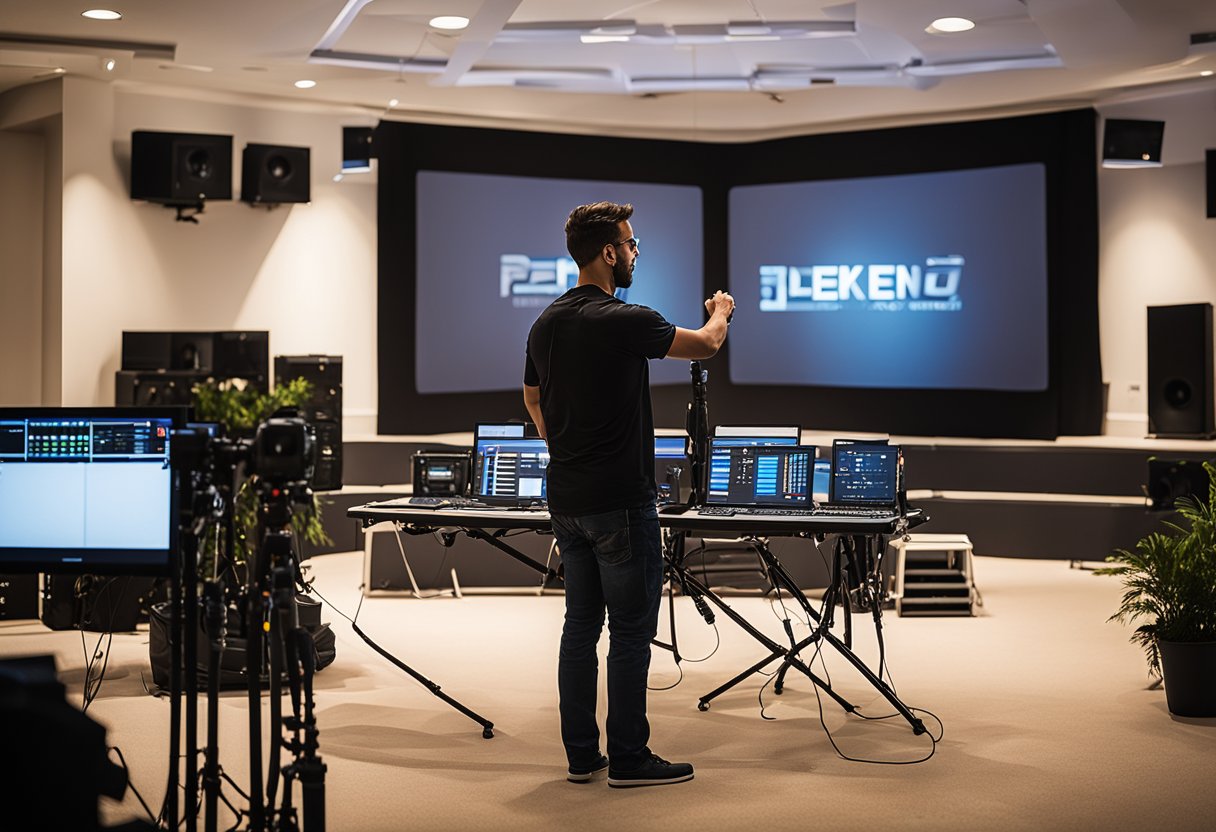
In this section, we will address common questions regarding the use of AV technology in presentations. Understanding these aspects can help us make informed choices and create more effective presentations.
What are the key benefits of utilizing AV technology for presentations?
Using AV technology allows us to convey information clearly and effectively. It can help us simplify complex ideas with visuals, making them easier for the audience to understand. Additionally, it enhances engagement, keeping the audience focused and interested throughout the presentation.
How can AV equipment be integrated effectively in a professional presentation setting?
To integrate AV equipment effectively, we must plan ahead. This includes testing all equipment prior to the event and ensuring it is compatible with our content. We should also train our team on how to operate the technology smoothly during the presentation to avoid disruptions.
What are the best practices for ensuring AV technology enhances rather than distracts from a presentation?
To keep AV technology from being a distraction, we should use simple visuals that support our spoken message. It’s best to avoid cluttered slides and unnecessary animations. Additionally, we should practice our timing with AV cues to ensure they flow seamlessly with our presentation.
What kind of audiovisual aids can increase audience engagement during a presentation?
We can use various aids, such as slideshows, videos, and interactive polls to enhance engagement. Incorporating live Q&A sessions can also encourage audience participation. Using these tools effectively can create a more dynamic presentation experience.
How does AV technology facilitate better communication and understanding in presentations?
AV technology helps us communicate more effectively by combining audio and visual elements. This dual approach caters to different learning styles, making it easier for various audience members to absorb information. Clear visuals and sound can reinforce our message and minimize misunderstandings.
What are the considerations for choosing the right AV technology for different types of presentations?
When selecting AV technology, we need to consider the size of the venue, the audience, and the type of content we’ll present. For larger audiences, we may need high-quality projectors and microphones. For interactive sessions, we should look for equipment that allows audience participation, like clickers or touchscreens.