
Turning any meeting rooms into a center of innovation is now possible with the combined power of MLV Teknologi and Crestron. These solutions bring advanced audio-visual systems and smart technology that enhance communication and collaboration. They create environments where teams can work more efficiently and make decisions faster.
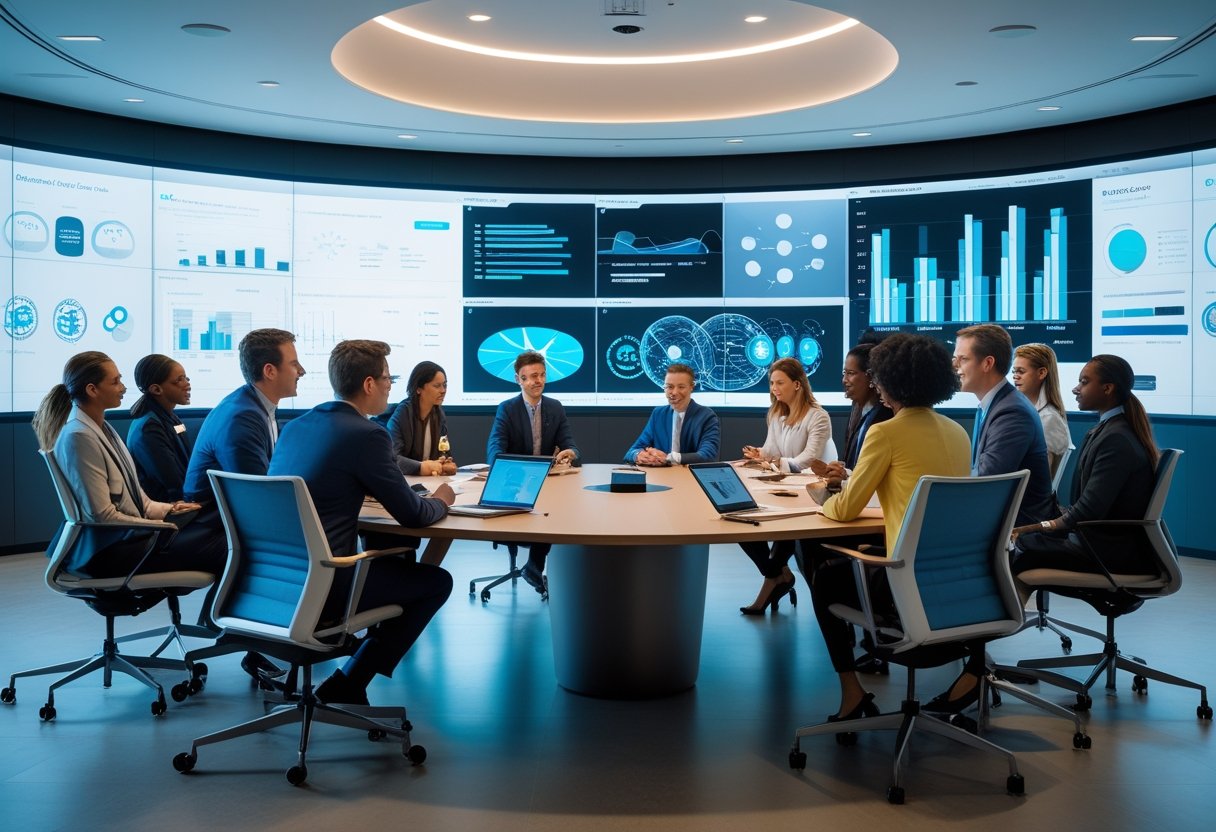
With seamless integration of hardware and software, meeting rooms become smarter and more adaptable to the needs of modern businesses. This technology supports clear presentations, effortless video calls, and intuitive controls that simplify complex setups. Organizations benefit from spaces designed to boost productivity and engagement.
By adopting these tools, companies position themselves to compete better in a fast-changing market. The right technology transforms ordinary rooms into hubs that support creative thinking and smooth teamwork, helping businesses unlock new value.
Key Takeways
- Advanced technology improves communication and teamwork in meeting rooms.
- Smart design makes meeting spaces more efficient and user-friendly.
- Innovation in meeting rooms helps businesses stay competitive and productive.
Revolutionizing Meeting Spaces with MLV Teknologi and Crestron
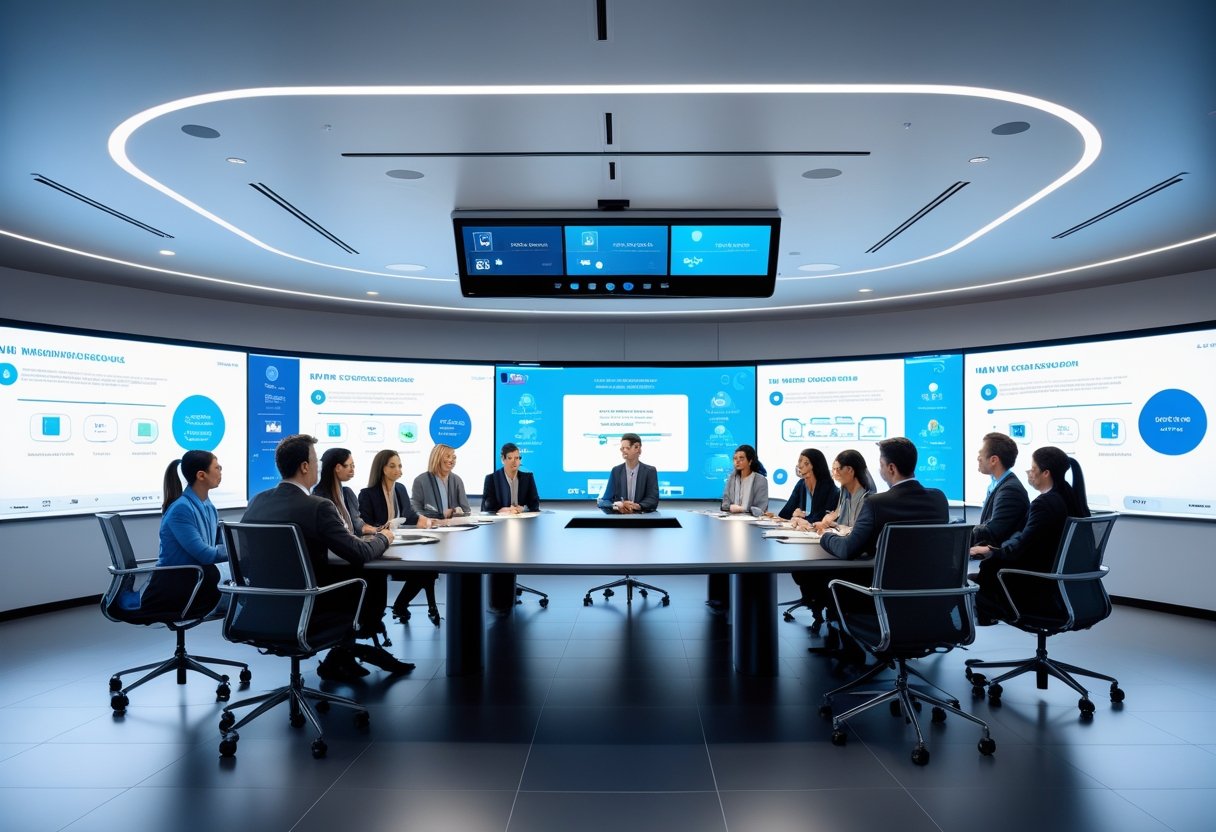
Modern work environments demand meeting rooms that support clear communication and smooth collaboration. Upgrading these spaces with advanced tools helps teams interact effectively and share ideas without technical barriers. Smart design and technology combine to create seamless experiences for all participants.
Smart Meeting Room Transformation
MLV Teknologi leads in creating smart conference rooms by integrating the latest interactive flat panels and wireless presentation tools. These ruang rapat pintar allow users to connect devices effortlessly and share content in real time. Incorporating AI-enhanced video conferencing boosts meeting quality and reduces delays.
Crestron supports this transformation with one-touch meeting solutions. Their systems simplify room controls, letting users start calls or presentations with a single button. This reduces setup time and avoids common technical problems, helping meetings start promptly and run smoothly.
Benefits of Innovative Collaboration Tools
Advanced collaboration technology creates more engaging and productive meetings. Tools like interactive whiteboards enable participants to brainstorm, annotate, and save notes digitally. Wireless connectivity promotes flexibility, allowing remote and in-room members to easily join and contribute.
These solusi inovatif improve the pengalaman pengguna by minimizing technical distractions. High-quality audio and video ensure everyone hears and sees clearly. Reliable systems support hybrid work, encouraging equal participation regardless of location.
Integrating Unified Communications Technology
Combining unified communications technology with smart meeting room features streamlines communication channels. MLV Teknologi and Crestron offer integrated platforms that bring video, audio, and messaging into one interface. This integration reduces confusion caused by switching between apps.
Users benefit from consistent controls across rooms, enabling simple interaction with meeting tools. The teknologi ruang rapat supports scheduling, device management, and security features centrally. It creates a cohesive environment where teams can focus fully on collaboration rather than technical issues.
More details about meeting room transformation are available at MLV Teknologi’s site and Crestron’s One Touch Meetings.
Audio Visual Solutions for Enhanced Productivity
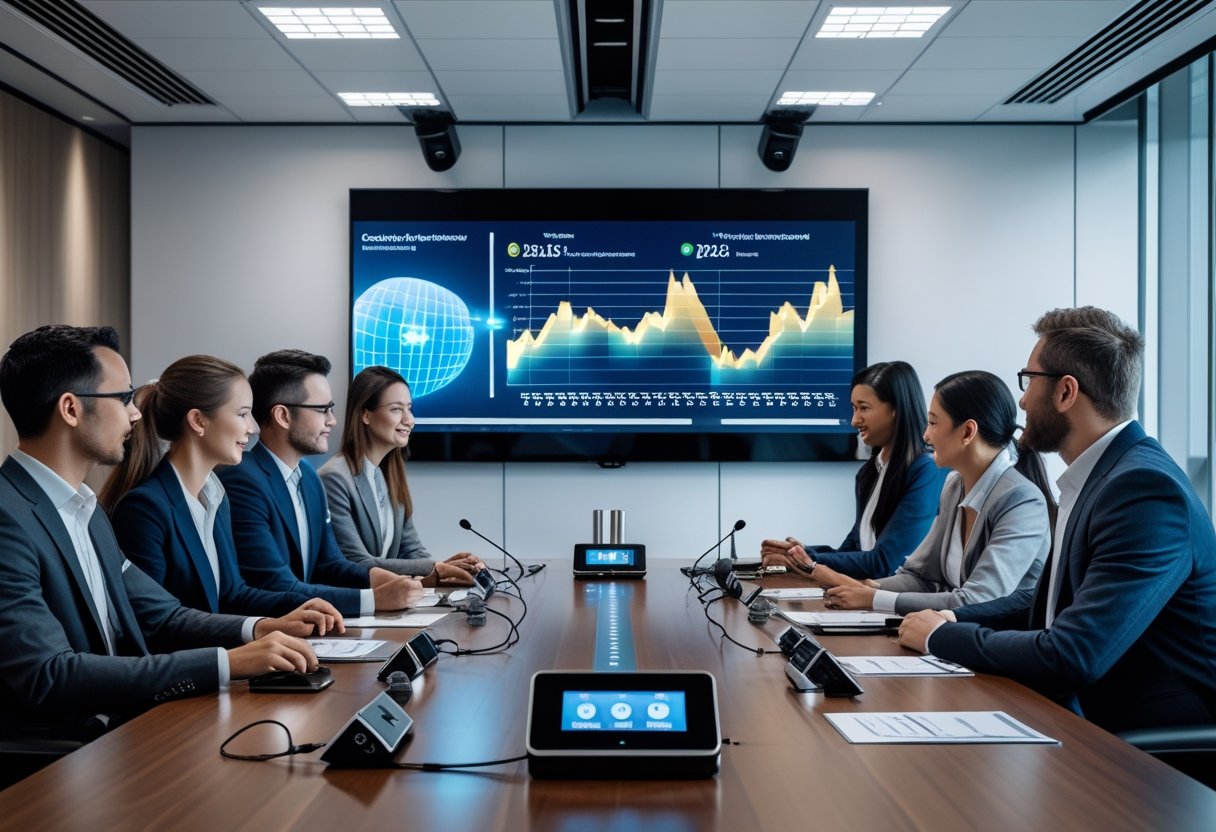
Effective audio-visual solutions improve communication and collaboration in meeting spaces. Integrating advanced systems with user-friendly controls supports smoother interactions and faster decision-making. Optimizing both hardware and software components ensures the technology works seamlessly for all users.
Integrated Audio-Visual Technology
Integrated audio-visual technology combines audio, video, and control systems into a single platform. This approach reduces the complexity of managing multiple devices and supports a unified user experience. It allows AV system integrators to design setups that suit specific room requirements, improving efficiency.
By connecting audio systems, digital signage, and video walls, businesses create more engaging presentations. These integrated solutions also reduce equipment needs and lower maintenance costs. Companies working with AV contractors often benefit from customized setups that match their workflows.
Optimizing AV System Integration
Optimizing AV system integration focuses on ensuring all components work together correctly. AV consultants assess the environment, recommending the best combination of devices like microphones, LED displays, and control panels. Proper calibration and configuration avoid delays and technical problems during meetings.
Effective integration also includes CCTV for security in sensitive areas, maintaining control without disrupting communication. Streamlined interfaces simplify operation, letting users manage audiovisual equipment without technical support, which boosts overall productivity.
Leveraging Digital Signage and Video Wall
Digital signage and video walls serve as powerful tools for information sharing and branding in meeting rooms. Large LED displays catch attention, helping teams focus on key messages during presentations. Video walls can display multiple sources at once, supporting complex discussions and real-time data sharing.
Using digital signage technology, businesses can update content remotely, ensuring timely information. This flexibility improves engagement and keeps participants informed. AV system integrators help select the right size and resolution to match room dimensions and viewing angles.
Improving Audio Systems and User-Friendly Interfaces
High-quality audio systems are crucial for clear communication, especially in larger rooms or hybrid meetings with remote participants. Advanced microphones and speakers reduce background noise and enhance voice clarity. These systems ensure everyone hears and is heard without strain.
User-friendly interfaces, such as touch panels or mobile apps, make controlling AV equipment simple. They reduce the learning curve for new users and minimize technical support needs. Integrating easy-to-use controls creates a seamless experience that helps maintain meeting flow.
Designing Future-Proof Smart Workspaces
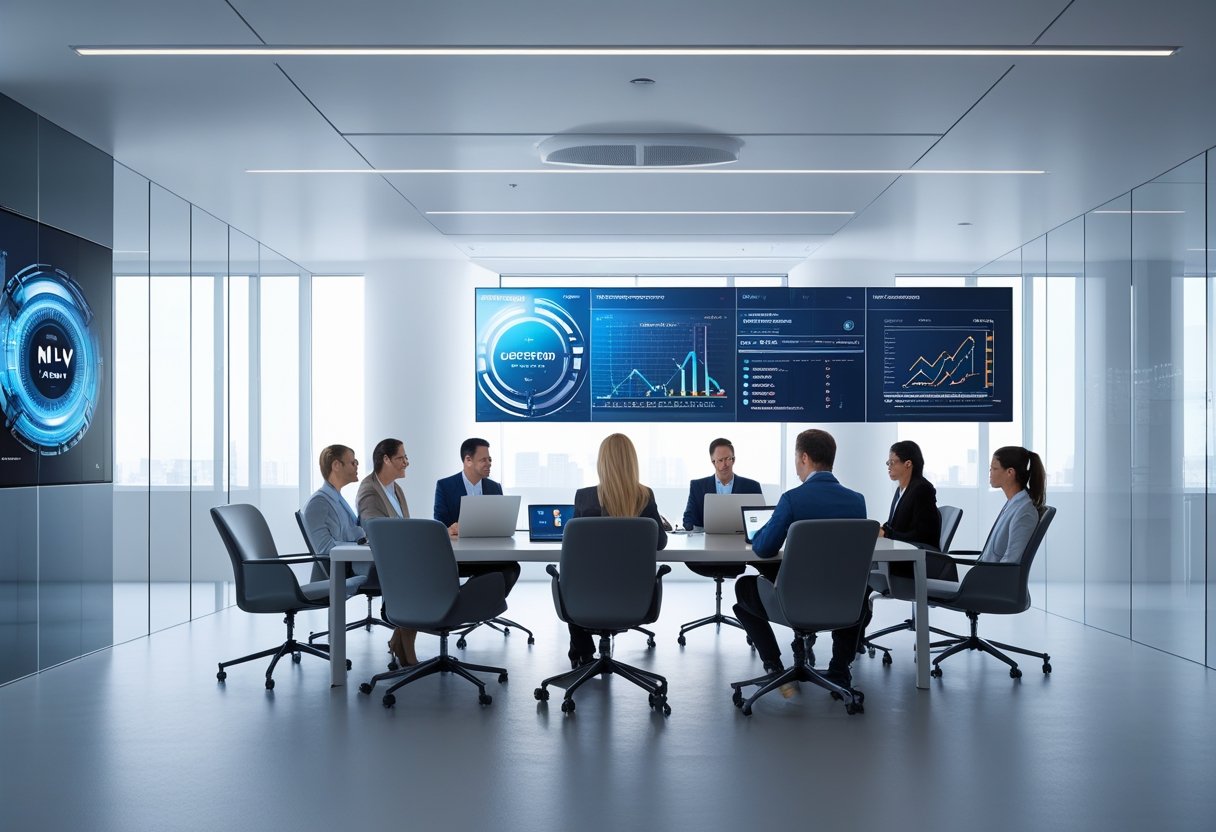
Creating a workspace that adapts to changing needs requires combining technology with thoughtful design. Integrating advanced tools and connectivity supports collaboration, efficiency, and sustainability without disrupting daily operations.
Smart Office and Workspace Innovations
Smart offices use technology to improve comfort and productivity. Features like adjustable lighting, climate control, and occupancy sensors respond automatically to user preferences. This reduces energy use and helps maintain a comfortable environment.
Workspaces now include interactive displays, known in some regions as layar interaktif, which support real-time collaboration and presentations. These tools replace traditional whiteboards and projectors for clearer communication.
Design plays a key role. Interior layouts balance open areas with private zones to support both teamwork and focused work. Materials and furniture are chosen to enhance acoustics and flexibility. These design choices make spaces adaptable while promoting innovation.
Network Infrastructure and IoT Devices
A strong network infrastructure is essential for smart workspaces. It must handle the high data load from connected devices such as IoT sensors, smart lighting, and security systems. Reliable Wi-Fi and wired connections minimize delays and downtime.
IoT devices gather real-time data about room usage, environmental conditions, and equipment status. This data supports tasks like scheduling, maintenance alerts, and energy management. Using this information allows organizations to optimize their space and improve user experience.
Security is critical. Networks must protect sensitive information collected by these devices. Proper encryption and access controls reduce the risk of breaches while ensuring smooth operation.
Interactive Displays and Command Centers
Interactive displays act as the hub for meetings and collaboration. These screens integrate with video conferencing, whiteboarding, and document sharing tools. Users can control content with touch or digital pens, enhancing engagement.
Command centers consolidate controls for lighting, AV, and room booking into one interface. This simplifies management, allowing staff to adjust environments quickly without technical expertise.
The design of these control hubs should prioritize usability and accessibility. Clear layouts and intuitive menus help users interact with technology efficiently, making meeting rooms more productive and easier to operate.
Unlocking Business Value and Competitive Advantage
MLV Teknologi and Crestron solutions enable smoother communication, faster decision-making, and cost savings. Their integrated technology supports teams in exchanging ideas and working efficiently. This leads to better productivity and sharper competitive edges through optimized operations and smart resource use.
Boosting Team Collaboration and Idea Exchange
The system enhances collaboration by connecting meeting rooms with interactive tools and seamless audiovisual integration. It allows teams to share content instantly, regardless of location, promoting real-time feedback. This reduces delays in decision-making and strengthens teamwork.
Advanced features like multi-user touchscreens and wireless sharing support diverse collaboration styles. Teams can brainstorm, annotate, and adjust content together. This encourages more creative input and faster refining of ideas.
Such tools help break down communication barriers, ensuring every member’s voice is heard. This leads to better problem solving and faster innovation cycles, critical for staying competitive.
Driving Productivity and Efficiency Gains
By automating meeting setups and streamlining device control, the technology cuts time spent on technical issues. It provides intuitive interfaces that reduce training needs and user errors.
Scheduling integration and room usage analytics help optimize space and time. Employees waste less time searching for available rooms or waiting for equipment to work.
Productivity rises as meetings start smoothly and stay focused. Efficient workflows enable teams to achieve goals faster without frustration.
Reducing Operational Costs
Centralized management allows IT teams to maintain hardware and software remotely, lowering maintenance expenses. Energy-efficient designs reduce power consumption in meeting rooms.
Fewer device malfunctions and user errors reduce costly support calls. Predictive analytics enable proactive upkeep, minimizing downtime and repair costs.
Cost savings extend to facility management, thanks to better room booking and space utilization. Businesses can maximize returns on existing infrastructure while keeping expenses controlled, strengthening overall competitiveness.