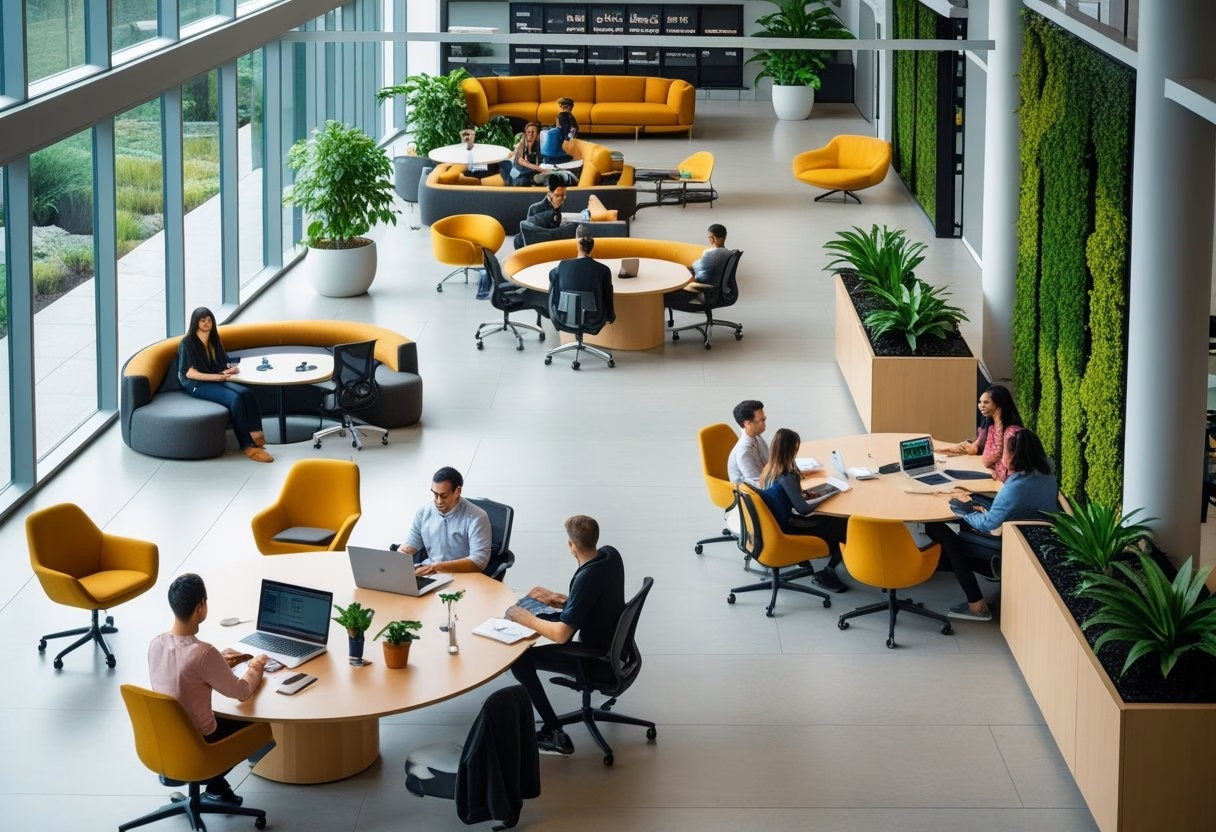
For decades, companies measured office success through cost per square foot and desk utilization rates. Those numbers told leaders how efficiently they used space, but they revealed nothing about how employees actually felt while working in those spaces. Office design has shifted from a focus on space efficiency to a core employee experience strategy because organizations now understand that workplace environments directly impact engagement, wellbeing, and business performance.
The change happened because workplace experience matters more than utilization.
Employees who feel satisfied with their work environment score 26 points higher in workplace experience than those who don’t.
Only 21% of employees report feeling engaged at work, and disengagement costs companies $438 billion annually in lost productivity.
Modern office design now centers on creating meaningful experiences rather than just providing desks and meeting rooms.
Companies are learning that design choices affect whether employees can focus, collaborate effectively, and connect with company culture.
Key Takeaways
- Office design has evolved from measuring space efficiency to prioritizing employee experience and wellbeing as core business outcomes
- The most impactful workplace features include energizing atmospheres, cultural reflection, quiet spaces, noise control, and private conversation areas
- Successful workplace strategies require unified leadership across real estate, human resources, and technology teams aligned around shared experience goals
Why Office Design Has Become a Core Employee Experience Strategy
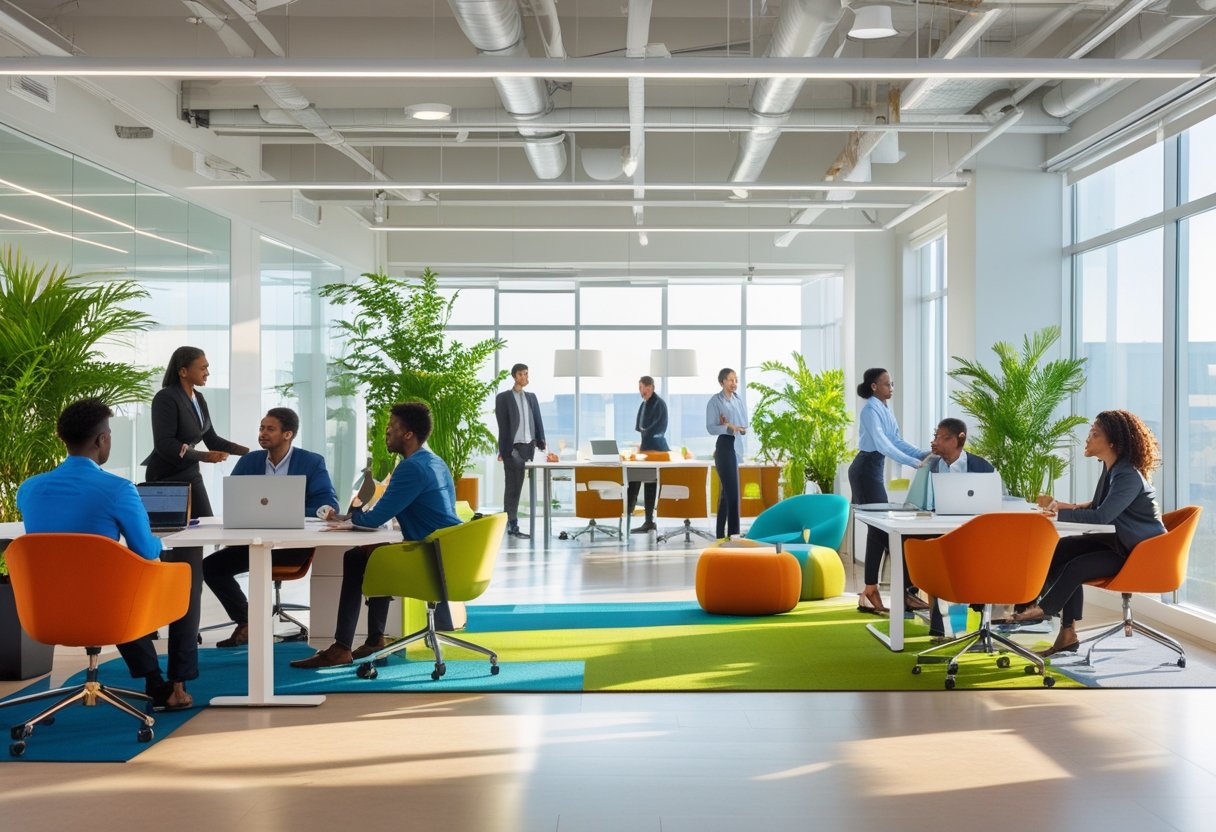
Companies now view office design as a strategic tool that directly shapes how employees feel about their work.
The physical workspace influences retention rates, daily productivity levels, and overall employee engagement in measurable ways.
The Shift From Aesthetics to Experience
Office design used to focus mainly on how spaces looked.
Companies wanted impressive lobbies and stylish furniture that projected success to clients and visitors.
That approach has changed.
Organizations now design offices based on how spaces influence employee behavior and performance.
They use layout, lighting, and furniture placement to encourage collaboration and focus without relying on strict policies.
The modern approach treats the workplace as a tool for shaping daily experiences.
Design teams study how employees move through spaces, where they prefer to work, and what environmental factors help them succeed.
This shift recognizes that beautiful offices mean little if employees find them uncomfortable or ineffective for getting work done.
Defining Employee Experience in the Modern Workplace
Employee experience (EX) covers every interaction a worker has with their company.
This includes the physical environment, available technology, and workplace culture.
Key components of workplace EX include:
- Physical comfort and space variety for different work modes
- Access to technology that supports both in-office and remote work
- Design elements that reflect company values and support wellbeing
- Flexibility to choose where and how to work based on tasks
Workplace Experience Design combines physical space, technology, and culture into one strategy.
Companies that treat offices as utilities rather than experience platforms struggle to attract talent.
The workspace must actively support employee needs throughout their entire workday.
Key Business Drivers: Retention, Productivity, and Engagement
Three business metrics drive investment in experience-focused office design.
Each metric connects directly to company performance and financial outcomes.
Retention improves when employees feel their workspace supports their work style.
Reduced turnover saves companies significant recruitment and training costs.
Workers who value their office environment show stronger commitment to their employer.
Productivity increases when design supports focused work and collaboration.
These factors directly affect how much employees accomplish each day.
Employee engagement rises when the physical space demonstrates company investment in worker wellbeing.
Engaged employees contribute more ideas, help colleagues, and represent the company positively.
They also take fewer sick days and show higher performance ratings across departments.
Strategic Principles of Modern Office Design
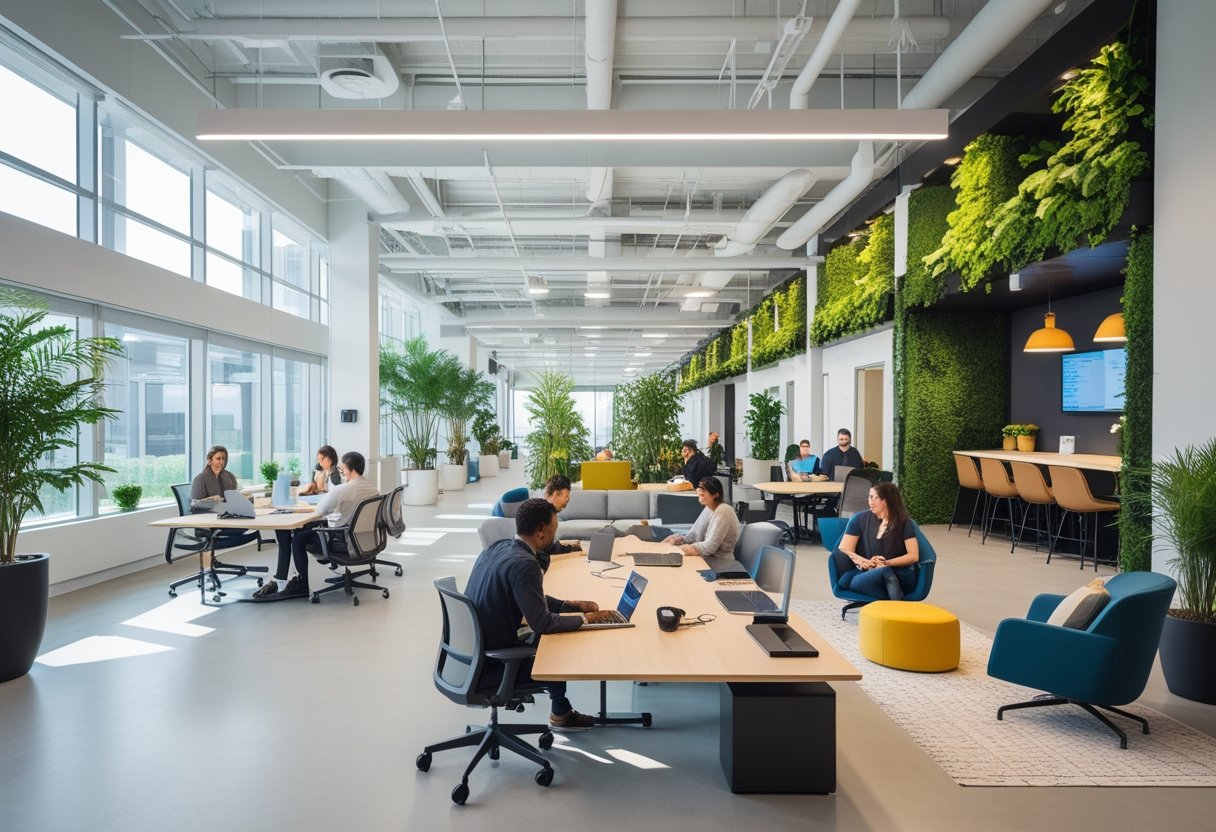
Modern workplace design requires balancing multiple needs at once.
Companies must create spaces that support both teamwork and independent work while making efficient use of every square foot and prioritizing employee health.
Balancing Collaboration and Focus
Effective office layouts provide distinct zones for different work styles.
Open areas with shared tables and writable walls encourage spontaneous meetings and group projects.
These collaboration spaces work best when placed near common areas like kitchens or break rooms.
Quiet zones serve employees who need to concentrate without interruptions.
These areas typically include private offices, phone booths, or library-style rooms with sound-absorbing materials.
Many companies now use acoustic panels, carpet tiles, and specialized ceiling treatments to reduce noise transfer between spaces.
The ratio between collaborative and focus areas depends on the type of work performed.
Tech companies might dedicate 60% of space to team areas, while financial firms often reserve more square footage for individual workstations.
Smart organizations survey their employees regularly to understand actual usage patterns rather than making assumptions.
Workplace Design Strategy and Space Optimization
Workplace design strategy starts with understanding how employees actually use the office.
Activity-based working assigns different zones for specific tasks rather than giving everyone a permanent desk.
This approach can reduce real estate costs by 20-30% while improving functionality.
Flexible furniture systems adapt as needs change.
Movable partitions, height-adjustable desks, and modular seating allow teams to reconfigure spaces quickly.
Some companies use booking systems to track room usage and identify underutilized areas.
Hot-desking and hoteling models work for teams that split time between office and remote work.
These setups require adequate storage lockers, reliable technology connections, and clear reservation processes to prevent frustration.
Supporting Employee Well-Being and Efficiency
Natural light affects both mood and productivity.
Offices with windows and skylights reduce eye strain and help regulate sleep cycles.
When natural light is limited, full-spectrum LED lighting mimics daylight patterns throughout the day.
Ergonomic furniture prevents physical strain during long work hours.
Adjustable chairs, monitor arms, and keyboard trays let each person customize their setup.
Standing desk options give employees the choice to alternate positions.
Biophilic elements bring nature indoors through plants, natural materials, and nature-inspired patterns.
These features can lower stress levels and improve air quality.
Temperature controls, air filtration systems, and proper ventilation also contribute to employee well-being and create healthier work environments.
Design Solutions Shaping Employee Experiences
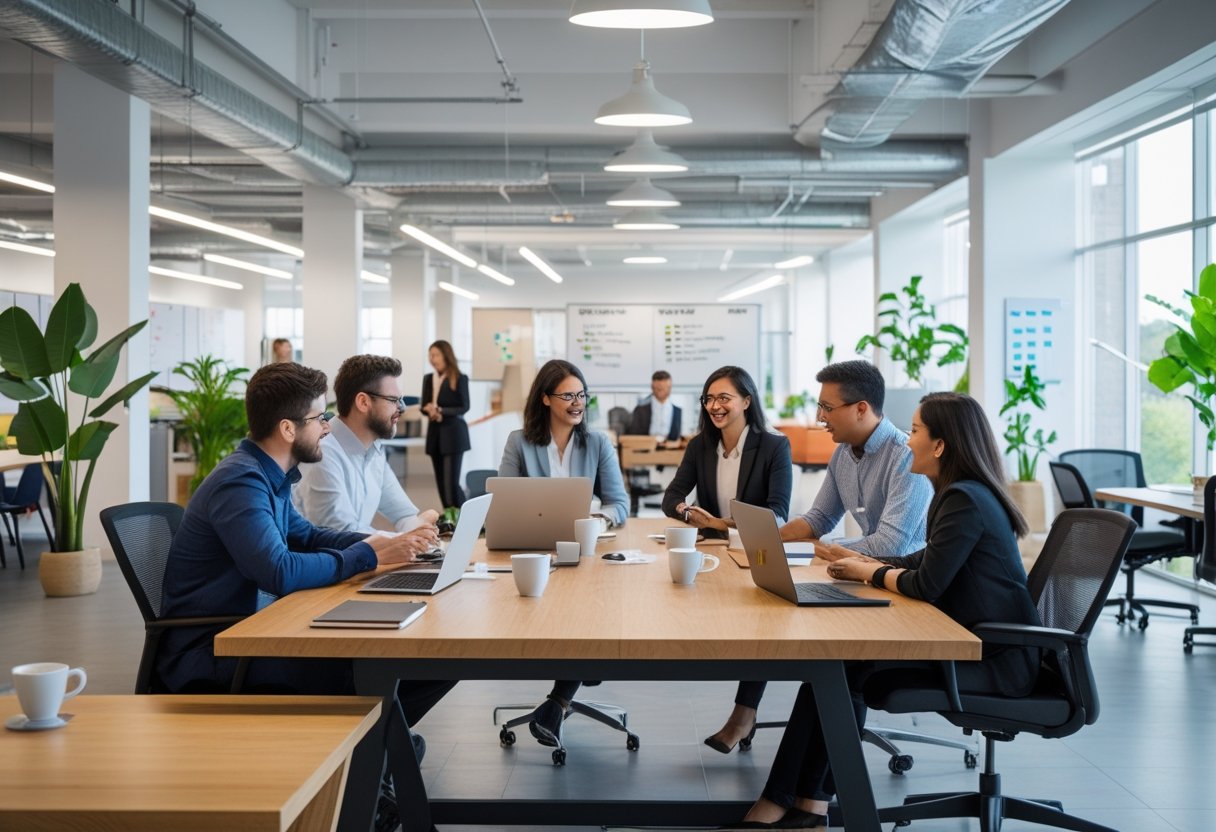
Modern offices require specific design elements that address how people actually work today.
Companies are investing in flexible furniture systems, better lighting, and layouts that support both solo work and team collaboration.
Hybrid Work Models and Flexible Spaces
The shift to hybrid work models has changed what offices need to provide.
Employees now expect spaces that adapt to different tasks throughout the day.
Office design trends for 2025 emphasize creating destinations worth commuting to.
This means designing areas that offer experiences unavailable at home.
Flexible spaces include quiet zones for focused work, open areas for team meetings, and casual spots for informal conversations.
These zones need movable furniture and technology that connects in-person and remote workers.
Key elements of flexible design include:
- Adjustable desk heights for standing or sitting
- Modular seating that reconfigures for different group sizes
- Bookable meeting rooms with video conferencing
- Phone booths for private calls
The hybrid work model requires offices to function more like activity-based workplaces than assigned seating arrangements.
Enhancing Creativity and Innovation through Design
Strategic workplace design directly impacts how teams generate and share ideas.
The physical environment shapes whether employees feel comfortable taking risks and collaborating.
Innovation thrives in spaces that blend structure with spontaneity.
This includes designated brainstorming areas with writable walls, comfortable seating for longer working sessions, and easy access to tools and materials.
Color and texture choices matter for creativity.
Warm tones and varied materials stimulate thinking differently than plain white walls.
Some companies add art installations or creative displays to inspire fresh perspectives.
Circulation patterns affect how often people interact.
Wide hallways with seating encourage chance meetings between departments.
Coffee stations placed strategically create natural gathering points where ideas cross-pollinate.
Workspace Furniture and Circulation
Workspace furniture now serves multiple functions beyond basic seating.
Pieces need to support health, collaboration, and individual preferences.
Ergonomic chairs and adjustable desks reduce physical strain during long work periods.
Soft seating in common areas creates comfortable alternatives to traditional desks.
Circulation refers to how people move through office spaces.
Good circulation design includes:
- Clear pathways that connect frequently used areas
- Visual sight lines that help with navigation
- Varied routes that offer choice in movement
- Strategic placement of amenities
Furniture placement affects circulation flow.
Low partitions maintain openness while defining zones.
Mobile pieces allow teams to reconfigure spaces quickly.
Role of Natural Light and Sustainability
Natural light ranks among the top factors affecting employee wellbeing and performance.
Spaces with windows and daylight exposure report higher satisfaction rates.
Studies show 15-20% of people exhibit neurodiversity.
This makes adaptable environments with customizable lighting essential for inclusive workplaces.
Adjustable artificial lighting supplements natural sources during darker hours.
Sustainability in office design reduces environmental impact while cutting operational costs.
Mass timber construction and recycled materials provide alternatives to traditional building methods.
Green building features include energy-efficient HVAC systems and water-saving fixtures.
Materials with low chemical emissions are also prioritized.
Plants improve air quality while adding biophilic elements that connect workers to nature.
Sustainable design extends to furniture choices.
Durable pieces last longer and reduce waste.
Local sourcing decreases transportation emissions and supports regional economies.
Future Trends and Considerations for Workplace Redesign
Companies are shifting their workplace strategies to focus on earning employee commutes through meaningful design.
Sustainability goals and data-driven decision making are also being incorporated.
The office design trends reshaping workplaces in 2026 reflect this fundamental change in how organizations approach physical space.
Adapting to Workplace Trends and Talent Attraction
Offices must now justify why employees should leave their homes.
The space needs to offer something homes cannot provide.
Hybrid work has given knowledge workers real choice about where they work each day.
This means office design must create experiences worth the commute rather than just functional space.
Companies are investing in unique amenities and collaborative zones that cannot be replicated remotely.
Younger workers care deeply about environmental impact when choosing where to work.
Research shows 71% of Gen Z and Millennials always choose the most environmentally friendly option, compared with 55% of older generations.
Environmental impact ranks among their top factors influencing workplace decisions.
Key workplace features that attract talent include:
- Collaborative spaces designed for teamwork
- Sustainable building certifications and green credentials
- Technology-enabled smart office systems
- Biophilic design elements
- Flexible layouts that adapt to different work modes
Data-Driven Redesign and Employee Feedback
Organizations are using employee feedback and workplace data to guide their redesign decisions.
This approach ensures changes match actual needs rather than assumptions.
Surveys help companies understand what employees value most in their workspace.
The JLL Global Future of Work survey has tracked these preferences since 2011, providing insights into how workplace design drives success.
Companies collect data on space utilization, peak usage times, and which amenities get the most use.
Smart sensors and workplace analytics tools track how employees use different areas.
This information reveals which spaces sit empty and which need expansion.
Organizations can then reallocate underutilized areas for social or community purposes.
Employee wellbeing metrics also inform design choices.
Companies measure factors like natural light exposure, air quality, and noise levels to optimize the physical environment.
Retrofitting, Community, and Social Impact
Retrofitting existing buildings offers sustainability benefits beyond reducing carbon emissions.
Organizations are choosing to upgrade current spaces rather than build new ones.
Research shows a near-70% undersupply of low-carbon, grade A office space by 2030 based on current demand.
This shortage pushes companies to retrofit existing buildings to meet sustainability standards.
Building performance standards and corporate decarbonization commitments increase the risk that older buildings become obsolete.
Companies expect increased focus on energy efficiency, health and wellbeing, certification, climate resilience, and circular economy principles between now and 2030.
Survey data shows 72% of organizations will pay a premium to occupy only spaces with leading sustainability credentials.
The circular economy plays a growing role in workplace redesign.
Organizations reuse or recycle materials, fixings, and furniture when possible.
Some companies turn recycled materials into office furniture, reducing embodied carbon while creating unique design elements.
Community impact is becoming part of redesign strategies.
Survey findings show 63% of organizations would consider opening their office amenities for local community use to ensure spaces stay active 24/7.
This approach strengthens community connections while maximizing resource use.