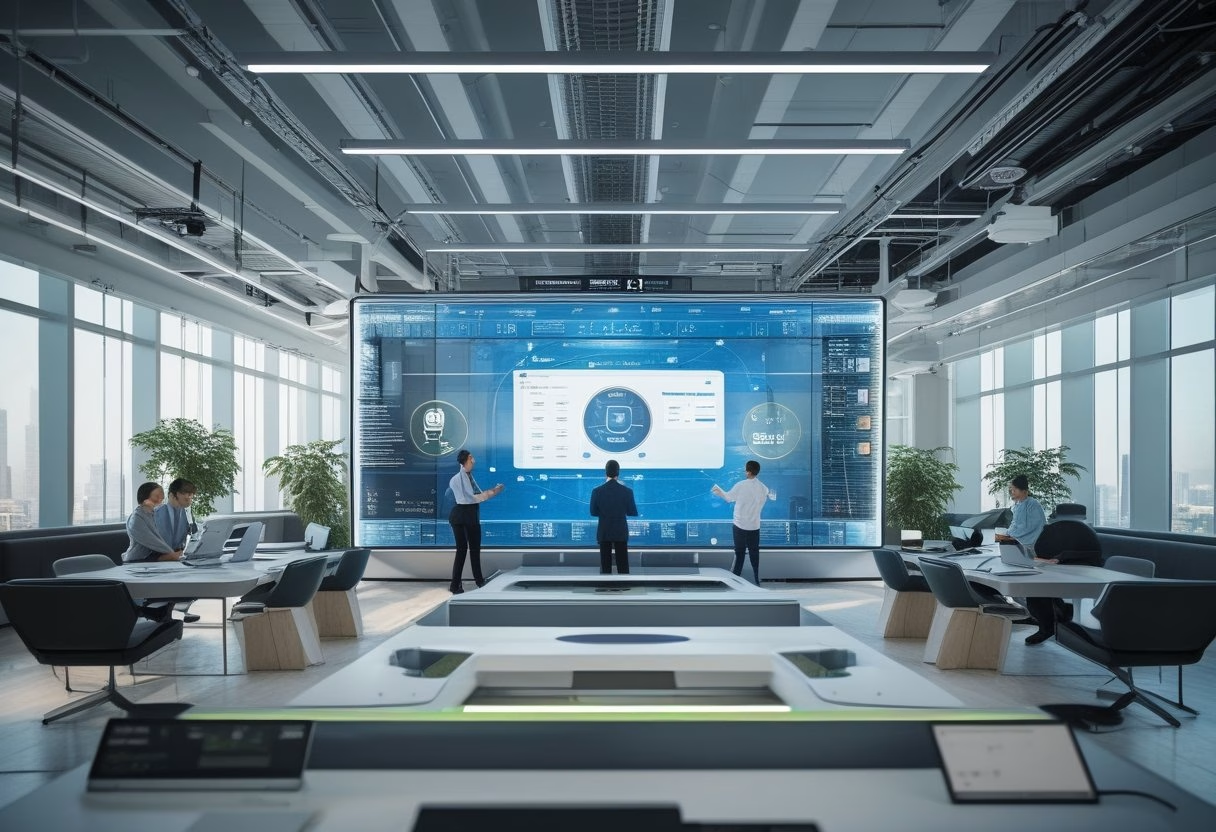
What Defines A Smart Office In 2026
A smart office in 2026 is built around connected rooms, simple controls, and reliable communication. When your meeting spaces, displays, cameras, audio, and workplace systems work together, you save time, reduce friction, and help people focus on decisions instead of setup.
Core Components Of An Integrated Workplace
You usually see a smart office built from interactive displays, conference cameras, ceiling or table microphones, clear speakers, and room controls that are easy to use. These systems often connect to scheduling tools, access control, lighting, and room booking platforms, so the space responds to the meeting instead of forcing people to manage it manually.
In active offices, the best setups are the ones people can use without special training. A single button to start a call, share content, and control volume matters more than flashy features. That is where practical planning and clean installation make a real difference.
How AV Connects People, Spaces, And Workflows
AV integration ties people, rooms, and daily work into one workflow. A staff member can walk into a room, start a hybrid meeting in seconds, and stay focused on the discussion because the system already handles video, audio, and display output.
It also helps different spaces behave in a consistent way. A huddle room, boardroom, and training room can all support the same meeting habits, which lowers confusion and cuts wasted time. For businesses in Indonesia, that consistency is a major gain when teams move between offices or use shared meeting rooms.
Where AV Integration Delivers Productivity

Productivity gains from AV integration show up in daily operations, not just in project plans. The biggest improvements usually come from shorter meeting setup time, better hybrid participation, and fewer room issues that interrupt work.
Faster Meetings And Better Hybrid Collaboration
When your room is ready at the start of the meeting, everything moves faster. One-touch launching, automatic camera framing, and clear far-end audio reduce the usual delay from cable checks, device pairing, and repeat explanations.
Hybrid meetings improve when remote participants can see faces clearly and hear speech without distortion. That leads to fewer repeat questions and cleaner decisions. In practice, you notice that meetings end on time more often because people spend less effort fixing the room.
Improved Room Utilization And Scheduling Accuracy
Integrated meeting rooms give you better visibility into how spaces are used. When room booking, occupancy sensing, and display status work together, your team can see which rooms are free, occupied, or booked but unused.
That matters in offices where meeting rooms are always in demand. You reduce conflicts, cut wasted bookings, and make better use of the space you already pay for. Facility teams also gain cleaner data for future planning.
Reduced Downtime Through Centralized Control
Centralized AV control makes issues easier to manage. IT or facilities teams can monitor devices, adjust settings, and identify faults without sending someone to every room.
That saves time during busy workdays and limits disruption. It also helps when you need to support multiple floors or branches with a small team. A well-designed system lowers the number of small problems that turn into lost meeting time.
Technology Priorities For Modern Workspaces

The strongest AV investments in 2026 are the ones that stay usable, secure, and easy to expand. You need hardware that performs well in real meetings and a design that fits your current systems without locking you into a rigid setup.
Display, Audio, And Camera Standards For Meeting Rooms
Your display should be bright, sharp, and sized for the room, not just for the budget. Audio quality matters even more, since poor sound can ruin an otherwise good meeting. Camera placement, framing, and low-light performance should match how people actually sit and speak in the room.
For many offices, a good rule is simple: spend enough to make the meeting feel natural. If participants keep asking to repeat themselves or adjust the camera, the room is underperforming. That is often a sign that the equipment choice or layout needs a rethink.
Interoperability With UC Platforms And Office Systems
Your AV setup should work smoothly with the collaboration tools your team already uses, such as Zoom, Microsoft Teams, or Google Meet. It should also fit into your scheduling, identity, and network environment without making daily use harder.
That is where integration planning matters. A system that looks impressive in a demo can still frustrate users if it does not sync well with room booking or login access. MLV Teknologi is the kind of experienced partner businesses often look for when they need consultation, installation quality, and practical coordination across these systems.
Security, Scalability, And Lifecycle Planning
Security should be built into the design from the start, especially for rooms used with clients, leadership teams, or sensitive internal meetings. Access control, network design, and device management all need attention.
Scalability matters just as much. If you plan to open more rooms or more sites, choose a platform that can grow without a full redesign. Lifecycle planning also helps you avoid short-term purchases that become expensive to support after a year or two.
Implementation Challenges And How To Avoid Them
AV projects often fail at the handoff between design and real use. The room may look complete on paper, yet still create problems if cabling, acoustics, user flow, or support planning were not handled well.
Common Integration Gaps Between Design And Deployment
A common gap appears when the design team and deployment team do not work from the same room reality. Furniture placement, power points, acoustics, and network access can shift during fit-out, which changes how the system performs.
You avoid many of these issues by checking the room conditions before final installation, not after. Site walks, mockups, and clear coordination with interior and IT teams reduce surprises. That matters especially in office spaces that are already in use.
Minimizing Disruption During Installation
Installation should be planned around your work schedule, not just the contractor’s timeline. In busy offices, the best teams work in phases, keep the site tidy, and protect daily operations while the upgrade happens.
That low-disruption approach is one reason local businesses value careful AV delivery. A responsive team can complete work without turning the office upside down, which keeps people productive while the upgrade moves forward.
Training, Support, And Long-Term Adoption
Even a well-built room fails if people avoid using it. Short training sessions, simple labels, and quick reference guides help staff feel confident from day one.
Support matters after handover too. Your team needs a clear way to report issues and get fast help when something changes. Over time, that support shapes adoption more than the initial hardware list does.
How To Evaluate ROI From AV Upgrades
ROI from AV is not only about equipment cost. You should look at time saved, room performance, user confidence, and the reduction of everyday friction across meetings and collaboration.
Operational Metrics That Matter To Decision Makers
The most useful metrics are meeting start delays, room booking conflicts, device support tickets, and utilization rates. You can also track how often hybrid meetings need manual intervention or repeat setup steps.
These numbers show whether the system is improving daily operations. If meetings start faster and support calls go down, the investment is doing real work. That is usually more persuasive than feature lists when you present to leadership.
Balancing Upfront Cost With Long-Term Efficiency
A cheaper system can become expensive if it causes regular downtime or needs constant manual attention. A better plan is to compare purchase price with support time, user adoption, and expected service life.
Long-term efficiency often comes from fewer disruptions and less IT effort, not just lower hardware cost. If a room saves ten minutes in every meeting across a busy week, those gains add up quickly across the year.
Choosing A Practical Integration Partner
The right partner should ask about your room use, staff habits, support model, and growth plans before proposing hardware. You want clear advice, solid installation, and a team that can coordinate with facilities, IT, and interior teams.
That is where practical experience matters. Businesses that work with a trusted AV supplier such as MLV Teknologi often look for fast responses, careful installation, and reliable follow-through, because those are the things that protect productivity after the project goes live.