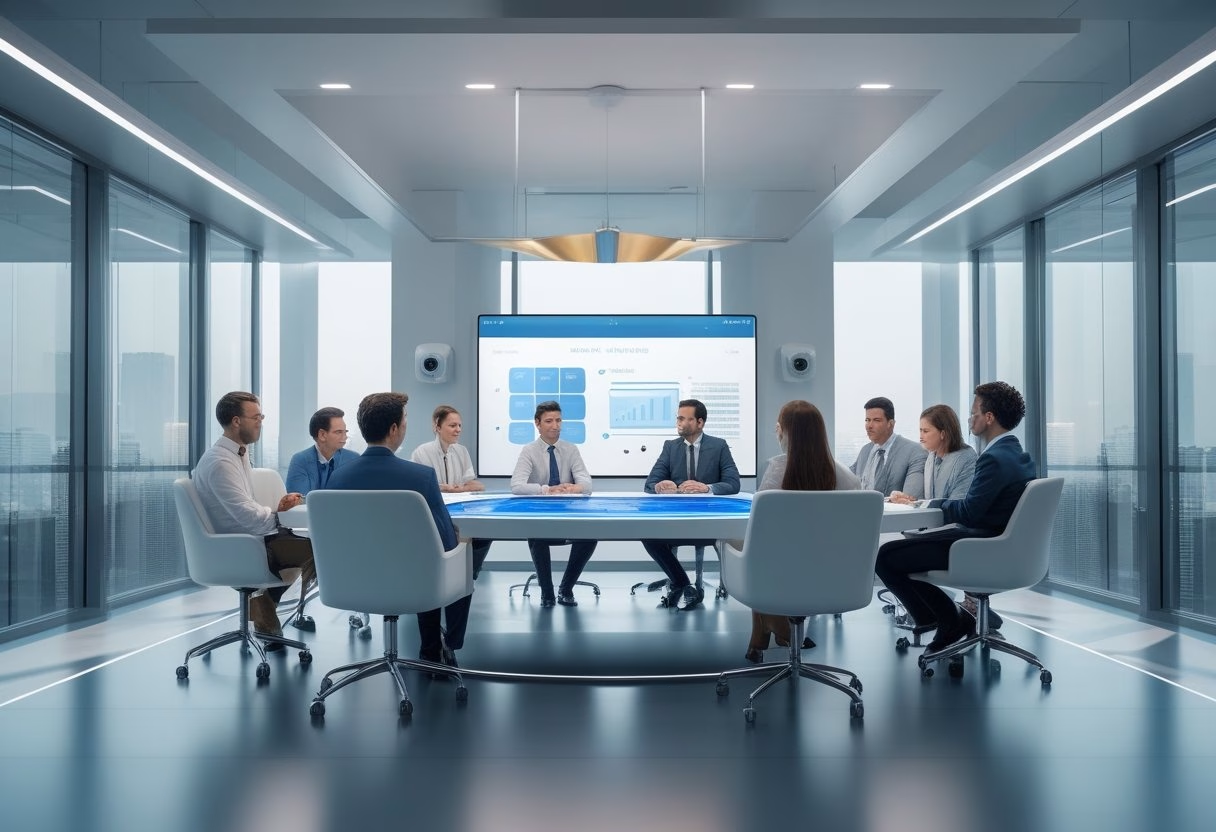
What Defines An Autonomous Meeting Room
An autonomous meeting room is built to run with very little manual setup. The room should handle audio, video, room control, and monitoring so people can focus on the meeting instead of the equipment. In practice, that means fewer cables to touch, fewer button presses, and fewer moments where someone has to pause the meeting to fix a device.
Core Capabilities And System Components
A strong autonomous room usually starts with ceiling microphones, intelligent cameras, room control, and connected displays. Beamforming audio helps capture speech from the room without putting bulky gear on the table, while camera tracking keeps remote participants engaged. Scheduling tools, occupancy data, and AI features such as auto notes or language support add another layer of usefulness for busy teams.
For you as a decision-maker, the real value is not the individual device. It is the way the devices work as one system. When the room can start quickly, track speakers cleanly, and stay stable through daily use, you reduce friction for both users and support teams.
How Autonomy Differs From Standard Smart Meeting Rooms
A standard smart meeting room may give you automation features, yet it still expects people to manage more of the experience. An autonomous room goes further by reducing the number of choices users must make at the start of each meeting. It aims for a near-automatic flow, from room entry to call setup to post-meeting reporting.
That difference matters in real offices. A smart room can be convenient; an autonomous room is designed to be dependable under pressure. In many projects, MLV Teknologi helps organizations bridge that gap through consultation and installation that keep the system practical for daily use, not just impressive on paper.
Business Drivers Behind Adoption
 \
\
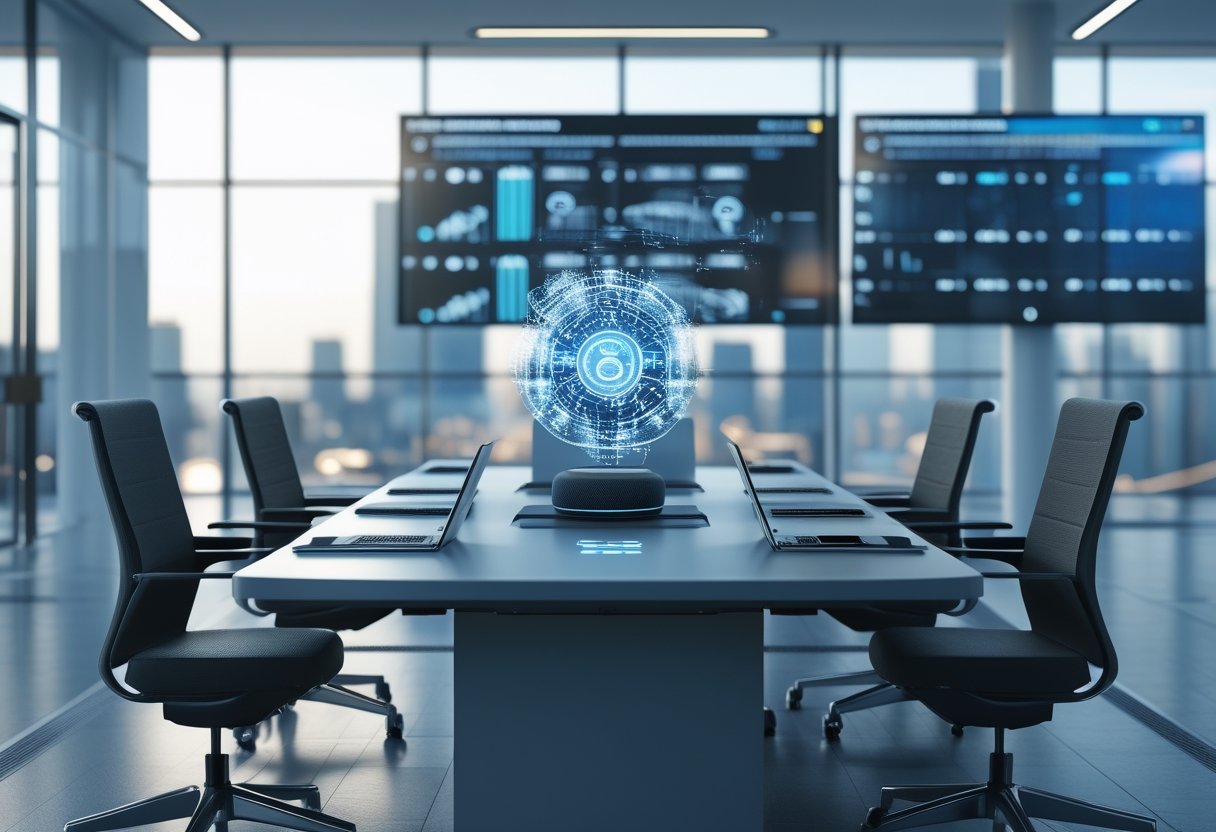
The push toward autonomous meeting rooms is driven by work patterns, cost pressure, and user expectations. Hybrid teams want meetings to start cleanly, and IT teams want fewer support calls tied to simple room issues. At the same time, leaders expect the room to feel easy for both in-person and remote participants.
Hybrid Work And Collaboration Demands
Hybrid work has changed what a meeting room must do. Your room now needs to serve people in the office and people joining from elsewhere with equal clarity. That means better audio pickup, smarter camera behavior, and consistent access to the same meeting tools no matter who is present.
In my experience, the weakest rooms are the ones that work only when the “right” person is in the room to manage them. Autonomous design removes that dependency. It helps meetings feel more predictable, which is important when teams are spread across sites, floors, or cities.
Operational Efficiency And Reduced IT Burden
For IT and facilities teams, the best room is one that needs less rescue. Remote monitoring, proactive alerts, and interoperable devices reduce the number of small failures that interrupt the workday. That is where autonomous design can cut real operating load, especially in offices with many rooms to support.
The business case also improves when rollout is scalable. A room that is simple to commission once is useful; a room design that can be repeated across many spaces is far more valuable. That is why careful planning, standard components, and responsive installation support matter as much as the hardware itself.
User Experience Expectations In Modern Offices
People now expect meeting rooms to behave like modern apps: quick, clear, and low effort. If the room takes too long to start or requires repeated troubleshooting, adoption drops fast. That is especially true in fast-moving business districts where time between meetings is tight.
A well-designed autonomous room gives people confidence. They walk in, tap once or not at all, and get to work. When the experience is smooth, the room feels like part of the business process rather than a separate technical task.
Implementation Risks, Readiness, And Future Direction
 \
\
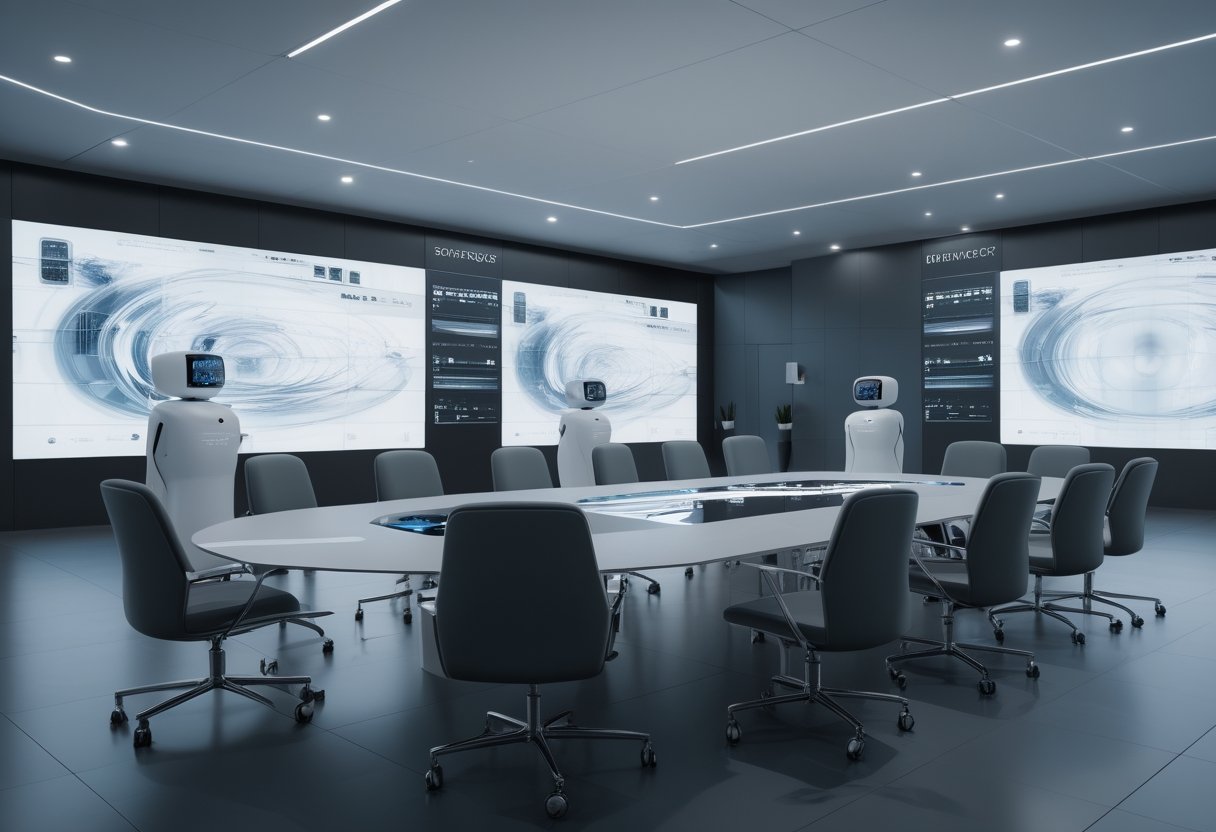
The promise of autonomous meeting rooms is strong, yet the result depends on how well you handle integration, layout, and change management. Security and privacy also need early attention, especially when rooms use cameras, microphones, and analytics. The teams that plan for these issues up front usually get better adoption and fewer surprises later.
Integration, Security, And Privacy Considerations
Autonomy only works when the devices speak the same language. If control systems, microphones, cameras, and software platforms are mismatched, the room will feel fragile no matter how advanced the parts look. That is why interoperability and network design should be part of the first planning conversation, not the last.
Security matters just as much. Any room that records presence data, meeting notes, or voice traffic needs clear rules for access, storage, and user consent. You should also check how firmware updates, remote management, and user permissions are handled before rollout.
Space Design And Change Management Requirements
Room design still shapes the user experience. Ceiling microphone placement, display sightlines, seating layout, and acoustic treatment can all affect how “automatic” the room feels. If the physical space is poorly designed, software will not fully fix it.
Change management is also real work. People need simple guidance, clear room naming, and a short transition period to build confidence. In projects like these, a practical AV partner such as MLV Teknologi can help align design, installation, and handover so the room works smoothly from day one.
What Organizations Should Expect Over The Next Few Years
The next few years should bring better AI support, stronger remote monitoring, and more room data that helps with planning. Expect systems to become easier to manage across multiple rooms, with fewer manual steps needed from staff. Camera tracking, speech tools, and automatic diagnostics will likely become more common in standard business deployments.
What will matter most is not the novelty of the features. It will be the degree to which the room fades into the background and supports reliable work. For organizations in Indonesia and similar urban markets, that shift can improve meeting quality, support load, and day-to-day workplace confidence.