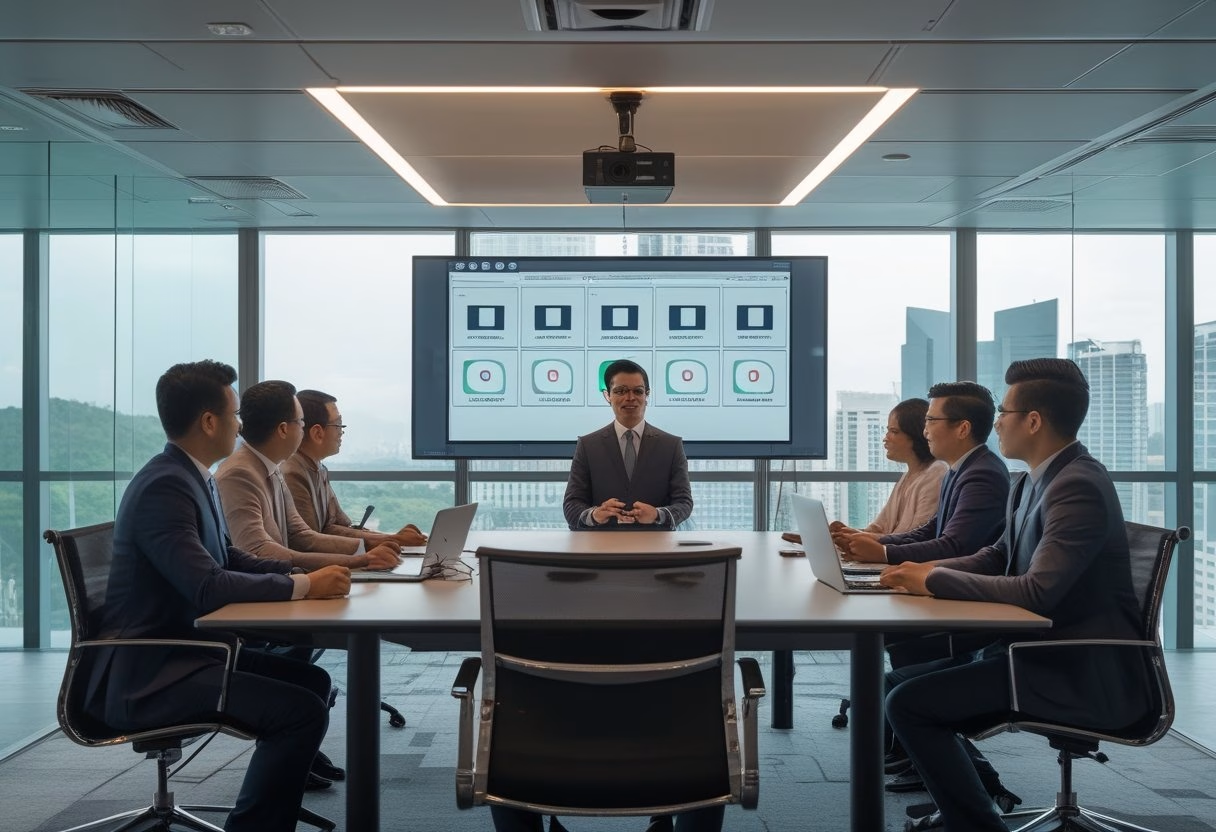
What Should an Enterprise AV System in Indonesia Deliver?
You should specify an enterprise AV system as one integrated, easy-to-use experience that supports clear sound, readable content, reliable hybrid meetings, and accessible controls across room types. Set those outcomes first, then select equipment and controls that fit your users, network, and office plans. A well-planned system connects microphones, speakers, displays, video conferencing, and room controls so your team can start meetings with fewer steps.
Which Meeting-Room Experiences Should Be Designed First?
Start with the meetings your teams hold most: in-room discussions, hybrid calls, presentations, and training sessions. Many multinational enterprises operating in Indonesia regularly coordinate with regional hubs in Japan or manufacturing partners in China. Defining cross-border collaboration workflows helps establish baseline audiovisual requirements early.
Define how participants join, share content, hear remote colleagues, and manage the room. That brief gives your design team a clear basis for choosing microphones, cameras, displays, and control interfaces. If you are standardizing rooms across an office, align the user experience while allowing each space to fit its size and purpose. Standardized collaboration rooms give users familiar controls from room to room.
How Should Audio, Displays, and Room Controls Work Together?
Your system should bring key functions into a clear, connected workflow. A user should be able to start a call, select a room source, adjust sound, and share content from a consistent control interface. Plan audio coverage around seating and expected call use; position displays for comfortable viewing from every seat. Include network and control design in the same plan so each device works with the room’s intended setup. Integrated AV system planning helps you define how the parts work together before installation.
How Can Systems Support Different Room Sizes and Future Growth?
Use a room standard with scalable designs for small meeting spaces, boardrooms, and training rooms. Document the equipment, signal flow, network needs, and control behavior for each room type. For future changes, keep designs modular and record spare capacity, connection points, and upgrade paths. Your IT and facilities teams should review those plans together before work begins.
What Makes a Meeting Space Accessible to People With Disabilities?
Accessibility should shape your room layout and user interface from the start. Provide clear sightlines, reachable controls, readable on-screen text, and captions where your conferencing platform supports them. Consider assistive listening needs and allow enough room for mobility devices to reach seating and controls. Confirm applicable accessibility requirements for your site, then include people with disabilities in usability checks.
How Can Multinational Buyers Specify and Deliver AV Projects?
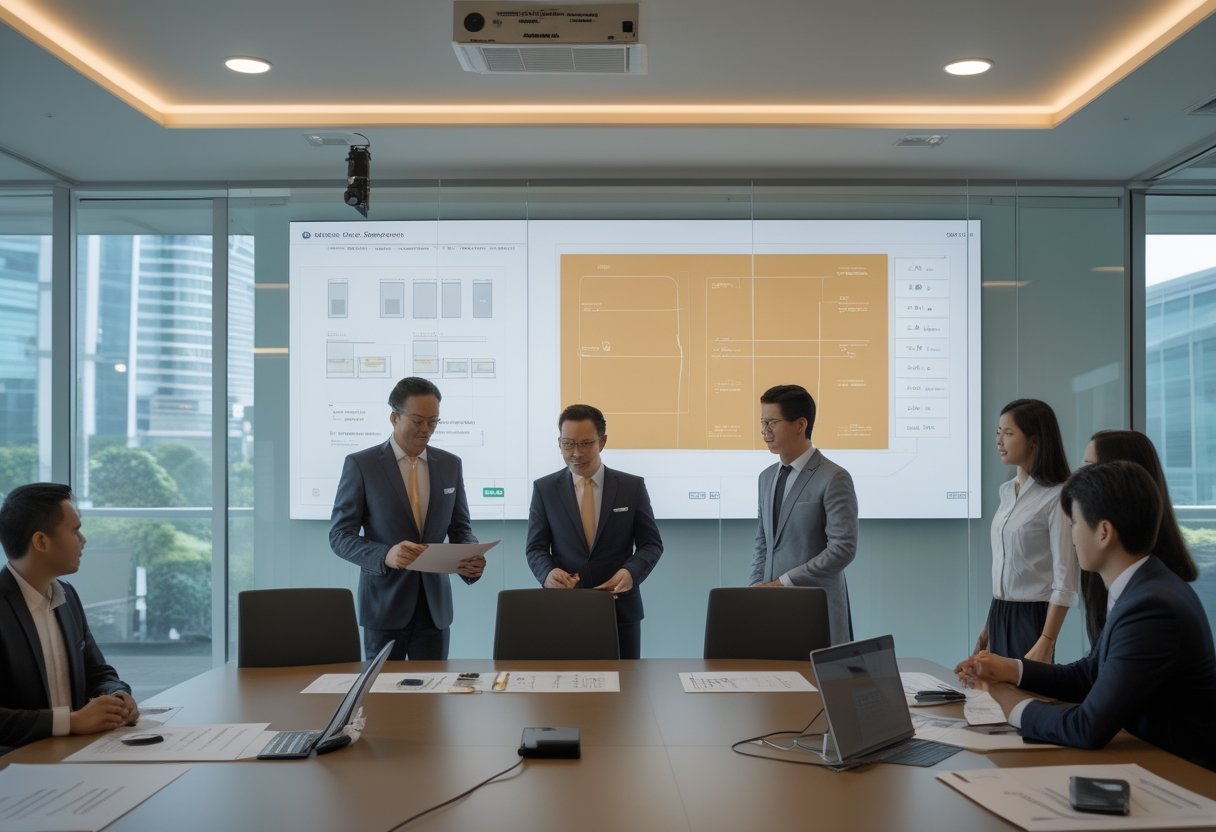
You can deliver a consistent AV standard across Indonesia by documenting global requirements and validating each site’s local needs with your Indonesian project team. A clear specification gives your international business a shared basis for design, supplier review, procurement, installation, and handover. Keep room outcomes consistent while checking site conditions, regulations, support plans, and purchasing rules locally.
How Should Buyers Compare Local Requirements Across Regional Offices?
Build a site-by-site checklist for Indonesia and your other offices in China, India, Japan, and Vietnam. Sourcing hardware and support can vary significantly between markets like India and Indonesia. Aligning these setups ensures seamless cross-office collaboration across the Asia-Pacific territory.
Compare room use, language needs, network policies, building constraints, equipment sourcing, and local service coverage. Teams in Japan and China may rely on specialized local software integrations that need accommodation. Ask each office to confirm its requirements before you approve a regional standard. This process helps you separate core global requirements from site-specific choices without assuming that one specification fits every location.
What Should Vendor, Network, and Equipment Reviews Include?
Review a vendor’s proposed design, installation scope, testing plan, support process, and handover documents. Ask your IT team to confirm network capacity, security controls, and any required separation for AV devices. Evaluate each proposed product against your written compatibility, warranty, and lifecycle requirements; apply the same process to equipment from Huawei or any other manufacturer. AV project risk planning helps your team identify gaps before they affect delivery.
How Can Government Procurement Balance Value, Transparency, and Risk?
For government procurement, use published evaluation criteria, documented approvals, and traceable scoring. Require conflict-of-interest disclosures and clear records of supplier communications, gifts, and decisions.
OECD integrity principles can inform your controls, while your legal and procurement teams confirm the rules that apply to the specific tender. Following an OECD benchmark helps enterprise buyers maintain high ethical and governance standards across all procurement stages. These steps help your team assess value and reduce corruption risks through a process that is easier to review.
How Can Installation Minimize Disruption to Business Operations?
Agree on access times, work zones, safety steps, and room handover dates before installation starts. Schedule work around business activity and confirm who can approve changes on site. Ask your installer to test each room, document results, train users, and clear the work area before handover. Customers have praised MLV Teknologi’s installation team for working carefully and completing projects without disrupting daily operations.
A Reliable AV Partnership Starts With Clear Requirements
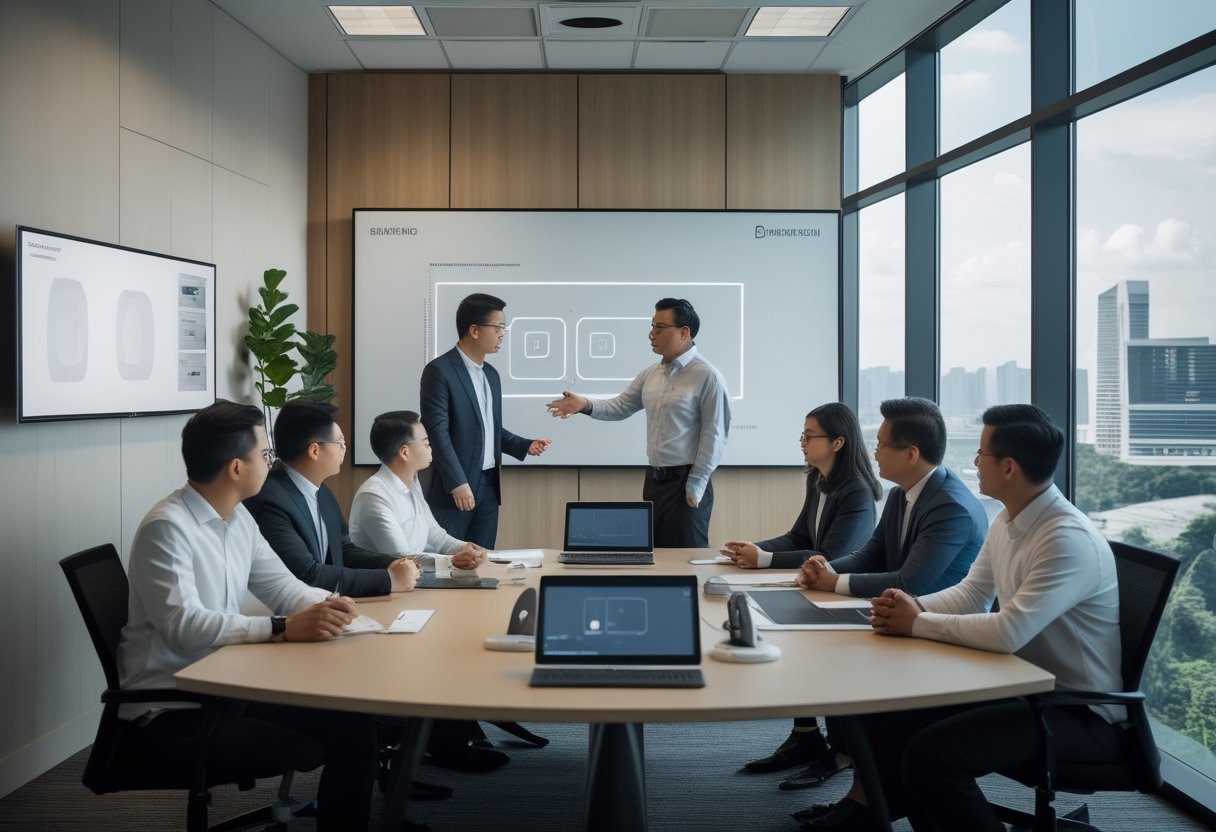
You build a dependable AV partnership by agreeing on the room outcomes, technical scope, delivery responsibilities, and support process before work begins. Ask your local partner to explain how they will coordinate with your IT and facilities teams, test the finished system, and hand over clear operating information. A corporate AV solution provider can help connect planning, equipment supply, and project delivery.
“Multinational enterprises in Indonesia often face challenges aligning global standards with local site realities. The key is establishing intuitive, standardized user experiences while partnering with experienced local integration teams who understand on-the-ground compliance and infrastructure.”
— Melvin Halpito, Indonesian Workspace Technology and Audio-Visual Expert
You can work with MLV Teknologi for AV equipment supply, consultation, equipment rental, and installation support, alongside interior fitting and security system supply. MLV Teknologi is based in South Jakarta and holds a 4.9 Google Maps rating based on 19 reviews. To discuss your requirements, visit www.mlvteknologi.com.