
As businesses evolve, so does the need for effective collaboration tools. AV system integration plays a crucial role in enhancing workplace communication and bridging the gap between remote and in-office employees. By seamlessly combining audio and visual technologies, companies can create more engaging and productive environments that boost teamwork and creativity.

The rise of hybrid work models has made AV integration essential for modern organizations. Companies that implement these systems find that they can simplify processes, improve information sharing, and foster a more connected workforce. This article will explore how AV system integration is changing corporate collaboration and the technologies that drive this transformation.
Key Takeaways
- AV system integration enhances communication and collaboration in the workplace.
- Key technologies streamline workflows and improve employee engagement.
- The future of corporate collaboration relies on advanced AV solutions for better connectivity.
What Is AV System Integration?
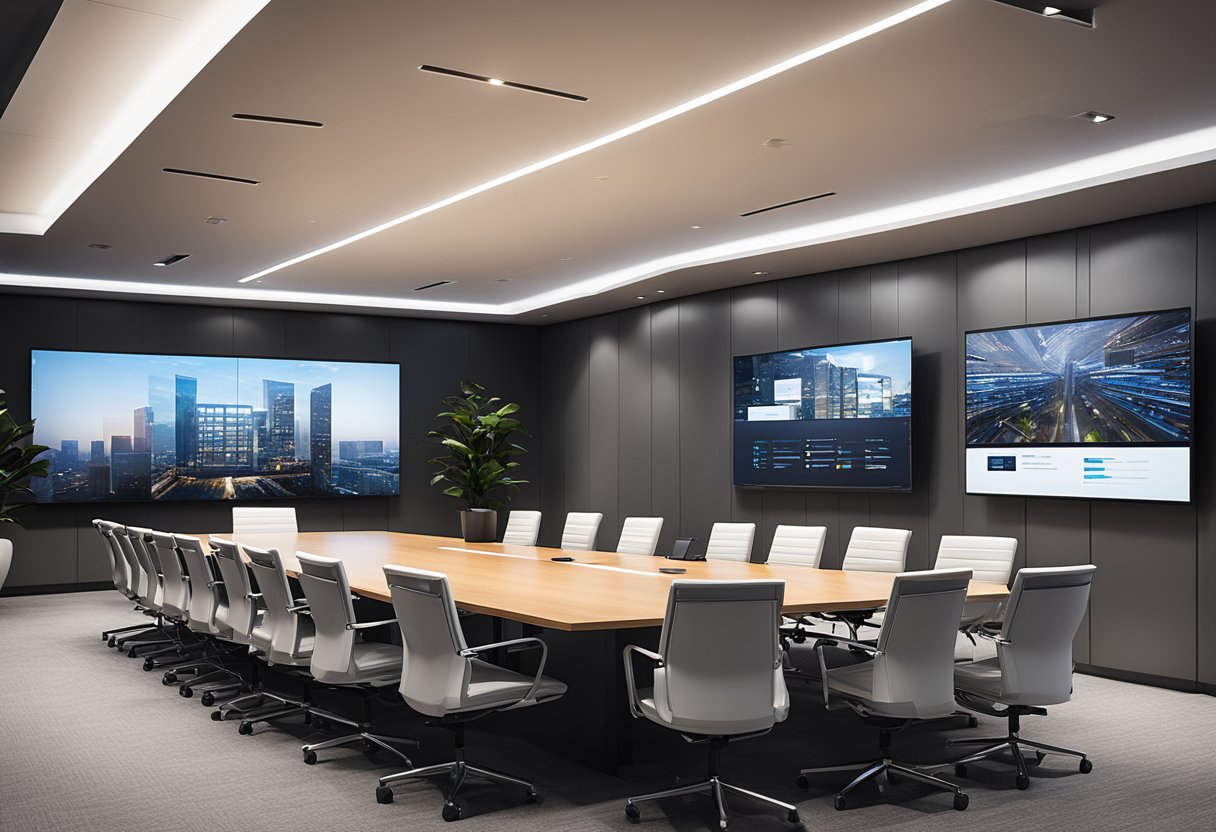
AV system integration combines audio, video, and control systems into a cohesive platform. This integration streamlines communication and enhances collaboration in various environments, such as corporate offices, classrooms, and conference rooms.
The Role of AV Contractors and Consultants
AV contractors and consultants play a crucial role in the integration process. They assess the specific needs of a business and develop tailored solutions. These specialists have the knowledge to select the right equipment, ensuring compatibility among devices.
AV contractors handle the installation and maintenance of the systems. They ensure that everything is set up correctly for optimal performance. Meanwhile, AV consultants focus on the planning stage, providing expert advice on system design and infrastructure.
Working together, these professionals ensure a seamless integration that supports effective communication and collaboration.
How AV Systems Enhance Collaboration
AV systems enhance collaboration by providing tools that make communication easier. These systems often include features like video conferencing, projection systems, and interactive whiteboards. With these tools, teams can share ideas in real-time, regardless of their physical location.
For example, a well-integrated AV system allows remote employees to join meetings seamlessly. High-quality audio and video improve engagement and participation. This is especially important in hybrid work environments where in-office and remote staff connect frequently.
Moreover, simple controls make it easy for anyone to operate the system. Users can adjust volume, switch presentations, and start video calls with minimal training. This user-friendly experience increases productivity and fosters teamwork.
Key Technologies in AV System Integration
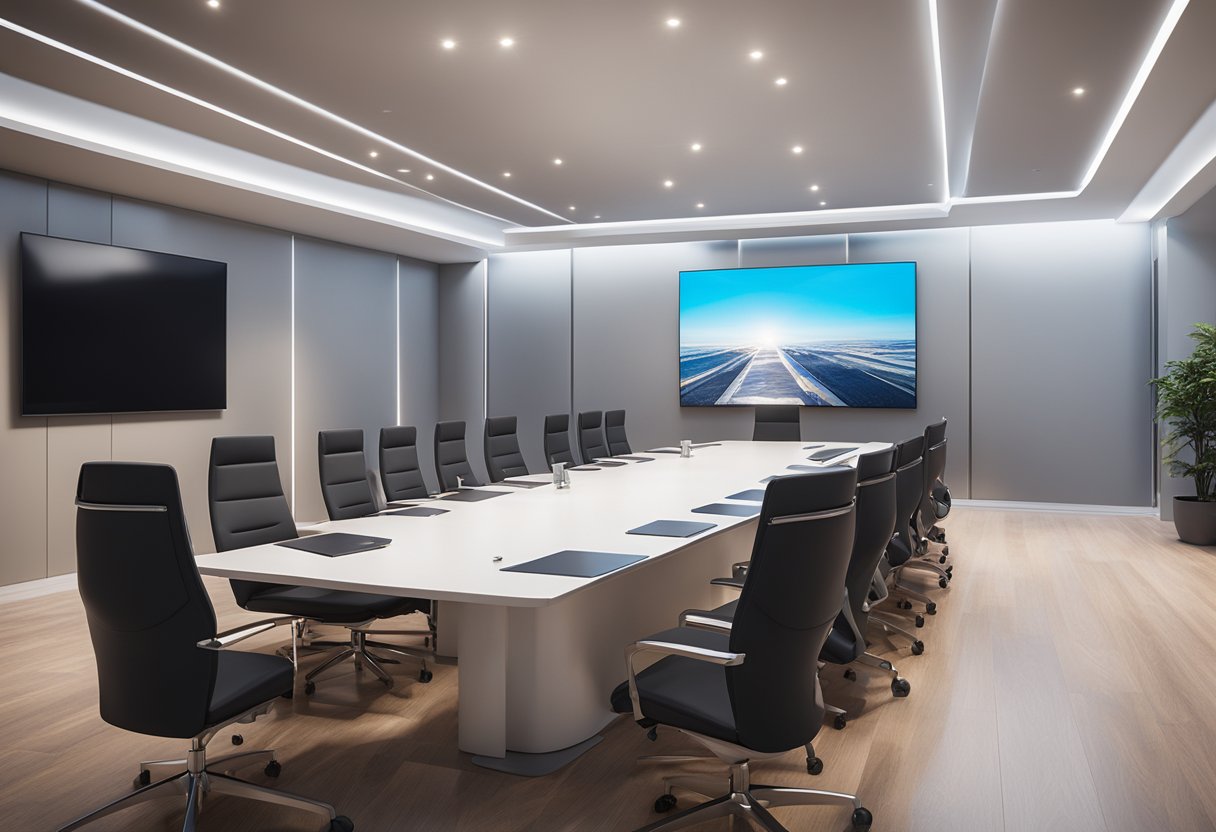
AV system integration encompasses various technologies that enhance collaboration in corporate settings. Key components include essential tools for meetings and measures to ensure security in integrated systems. Understanding these technologies allows businesses to create efficient and secure environments for teamwork.
Essential AV Tools for Effective Meetings
Meeting rooms today rely on advanced audiovisual tools to facilitate better communication. Tools like interactive flat panels and interactive whiteboards make presentations engaging and more collaborative. Companies like Samsung and Planar provide top-tier displays that cater to diverse meeting needs.
Video walls are gaining popularity in conference rooms as they allow for dynamic presentations and can display multiple inputs. Digital signage can also share information and announcements effectively. AV system integrators like Extron and Crestron offer solutions that ensure seamless management of these technologies.
Using a mix of wired and wireless connections enhances flexibility in meetings. Smart technology integration allows for easy control of the entire system from a single interface. This promotes efficiency and ensures that meetings run smoothly.
The Role of Security in AV Integration
As AV technologies become more integrated, security becomes a critical concern. Protecting data in smart meeting rooms and command centers is essential to prevent unauthorized access. AV solution providers must implement robust security measures, including encryption and secure access protocols.
Companies like Clearone and Bose focus on creating secure communication systems. These systems often include firewalls and intrusion detection to safeguard sensitive information.
Additionally, regular software updates and maintenance are crucial in protecting AV systems. Hardware components must also be secured physically, especially in public or shared spaces. An effective AV system integrator will prioritize security in their solutions to ensure business continuity and protect sensitive data.
The Future of Corporate Collaboration with AV Systems
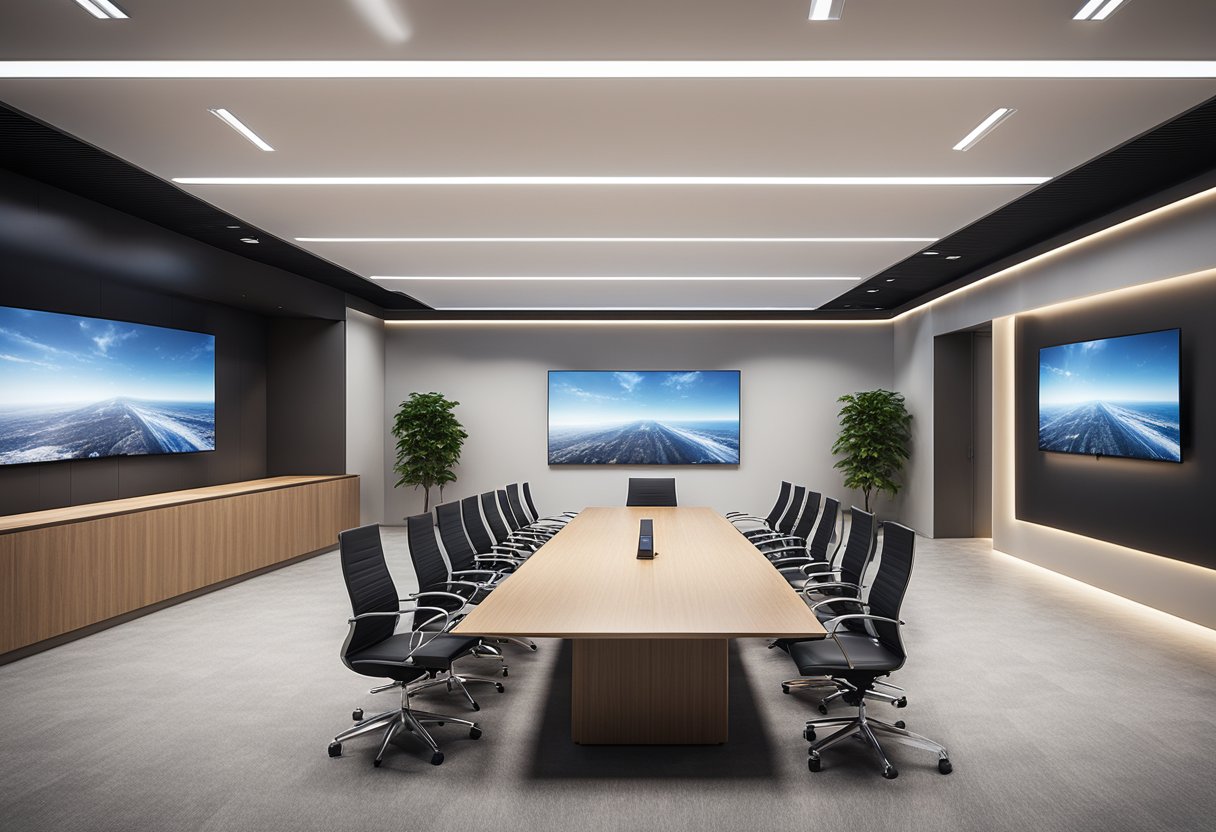
The landscape of corporate collaboration is evolving, driven by advancements in AV systems. These innovations help create smarter workspaces that enhance communication and employee engagement. Understanding the trends shaping this future is crucial for businesses aiming to stay competitive.
Trends Shaping AV Integration in Workspaces
Many companies are transitioning to smart offices that prioritize collaboration. The integration of audiovisual (AV) systems allows teams to connect seamlessly, regardless of their physical location. Key trends include:
- Cloud-Based Solutions: Teams are leveraging cloud technology for easier access and management of AV tools.
- Hybrid Work Models: With more employees working remotely, AV systems are essential for effective remote conferencing and presentations.
- Interactivity: Smart workspaces increasingly feature interactive displays, making meetings more engaging and productive.
These trends highlight the shift towards a more inclusive and flexible work environment. MLV Teknologi provides solutions tailored to meet these demands, ensuring businesses benefit from the latest in AV integration.
Conclusion: Why Choose MLV Teknologi for AV Solutions?
Choosing MLV Teknologi ensures access to cutting-edge AV solutions designed for the modern office. Their expertise in smart workspace technologies allows companies to implement systems that enhance collaboration. Benefits of partnering with MLV Teknologi include:
- Custom Solutions: Tailored AV systems that fit specific business needs.
- Expert Support: Ongoing support and training to maximize system use.
- Scalability: Solutions that grow with the organization, adapting to changing needs.
Investing in MLV Teknologi’s solutions helps businesses create productive environments for teamwork and innovation.
Frequently Asked Questions
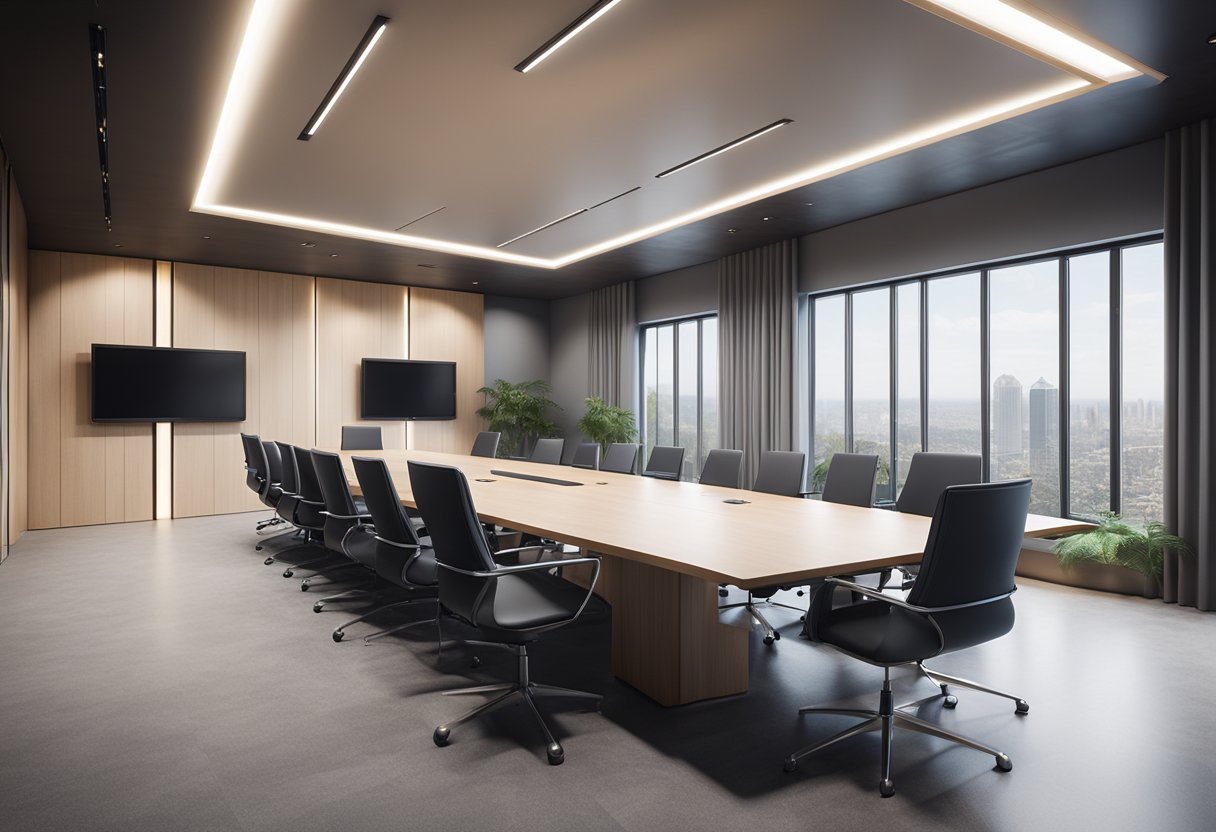
This section addresses common inquiries regarding AV system integration in the corporate environment. It covers essential components, the impact on productivity, implementation processes, and considerations for security and design.
What are the key components of an AV system for corporate collaboration?
An effective AV system includes various elements such as projectors, video conferencing tools, audio equipment, and display screens. Control systems enable users to manage these components seamlessly. Additionally, network infrastructure is crucial for ensuring reliable connections and internet access, allowing smooth communication between devices.
How does integrating AV systems improve team productivity and communication?
Integrating AV systems streamlines communication by providing high-quality audio and video connections. This leads to clearer presentations and enhanced interaction during meetings. When teams can collaborate effectively, productivity increases as they can quickly share ideas and information, reducing delays in decision-making.
What is the process for implementing AV system integration in a corporate environment?
The implementation process starts with assessing the specific needs of a corporation. This may involve identifying suitable technologies and designing the AV layout. After that, installation and testing take place to ensure functionality. Continuous support and training for employees are also essential for maximizing the system’s potential.
Can you describe the role of network security in AV system integration?
Network security is crucial for protecting sensitive information shared through AV systems. Implementing firewalls, encryption, and secure access controls can safeguard data during communication. This ensures that unauthorized users cannot access or disrupt the AV systems, maintaining the integrity of corporate discussions.
What considerations should be taken into account when designing a user-friendly AV system for the workplace?
User-friendliness is key in AV system design. Controls should be intuitive, allowing team members to operate them without extensive training. Additionally, considering accessibility features ensures all employees can effectively engage with the technology. It’s also important to choose durable equipment that can withstand daily use in a corporate environment.
How do advancements in AV technology impact future collaboration within corporations?
Advancements in AV technology continuously enhance collaboration opportunities. Improved tools like virtual reality meeting spaces and advanced conferencing systems enable remote teams to collaborate as if they were in the same room. These technologies foster more dynamic interactions, reducing the traditional barriers of distance and time.