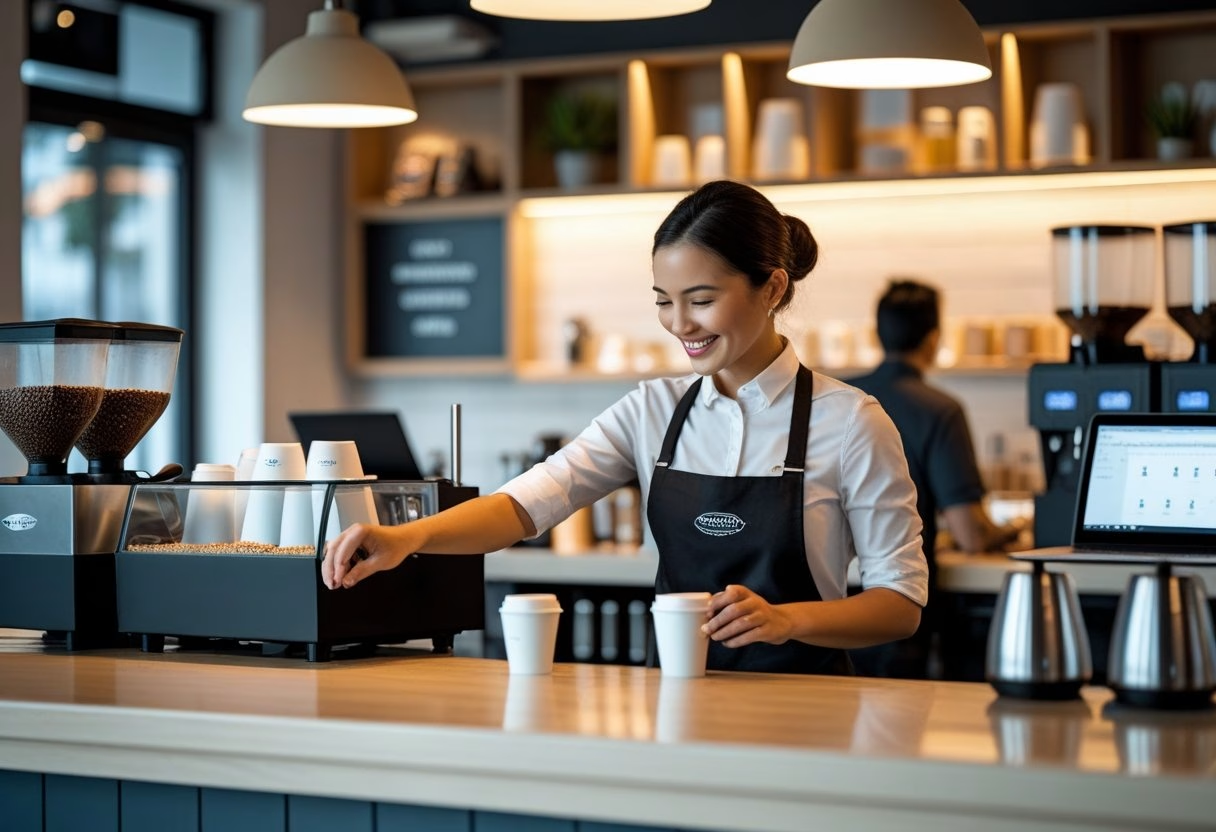
You walk into a cafe and notice more than coffee: the barista suggests a pastry that pairs with your drink, the lighting makes the space feel cozy, and social posts show people enjoying the place. These small choices add up to more sales and stronger customer loyalty. When staff, design, and content work together, they turn hospitality into a powerful sales tool that grows revenue.
Think about how a well-trained barista, a smart lighting plot, and timely content can guide decisions and boost purchases at every touchpoint. They shape how people feel, what they buy, and how often they come back, making hospitality a direct part of the sales strategy.
Key Takeaways
- Align everyday interactions and design to increase immediate sales.
- Use physical and digital touchpoints to shape customer choices.
- Coordinate teams to turn service moments into repeat revenue.
Hospitality as a Direct Revenue Driver
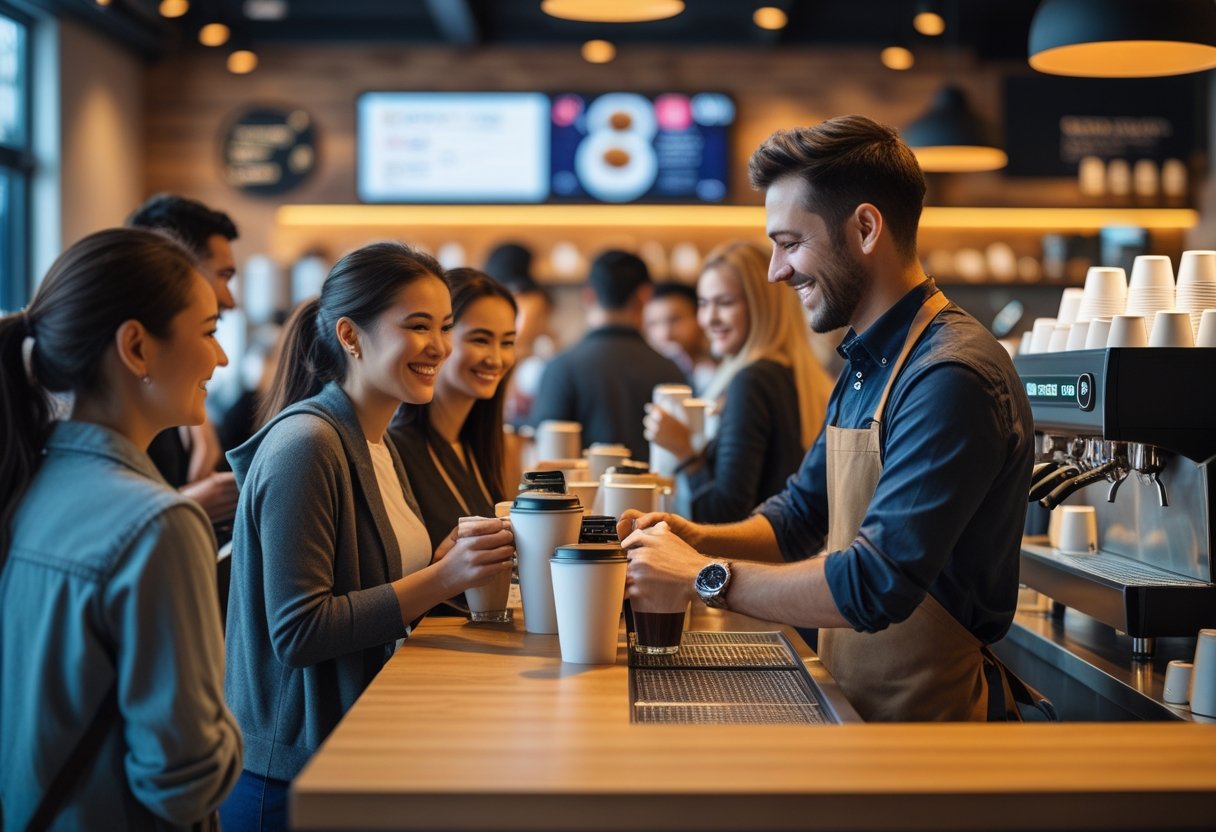
Hospitality turns everyday touches into measurable income by shaping bookings, on-property spend, and repeat business. Small operational choices—service prompts, lighting design, and staff training—move guests through the journey from browsing to buying.
Connecting Guest Experience to Sales Outcomes
The guest experience links directly to metrics like ADR and direct bookings. When staff deliver consistent check-in gestures—welcome drinks, clear room upgrades offers—guests perceive higher value and often choose the hotel’s direct channel for future stays. This reduces OTA commissions and improves net room revenue.
Hotels should map the guest journey and add sales moments at high-engagement points: pre-arrival emails offering paid early check-in, in-room tablets with targeted upgrade prompts, and post-stay offers for group bookings. Measurement matters: track conversion rates for each touchpoint and tie them to revenue per available room so teams can test what raises ADR most efficiently.
The Role of Baristas and Front-Line Staff in Upselling
Baristas and front-line staff act as sales generators when trained to suggest relevant upgrades. Simple scripts—offering a local roast or a “breakfast plus” package—raise F&B yield and nudge guests toward higher-value choices without pressure. Staff should learn to read cues: business travelers often accept express food add-ons; leisure guests respond to experience-based offers like city tours bundled with late checkout.
Invest in short, role-play based training and micro-incentives tied to group sales and ancillary revenue. Track upsell units per shift and link those figures to commission or recognition programs. Clear KPIs—items sold per guest interaction, attachment rate for room upgrades—turn soft hospitality skills into predictable revenue drivers.
Strategizing Lighting Plots to Influence Guest Decisions
Lighting affects mood and buying behavior in measurable ways. Warmer, dimmable fixtures in bars and lounges increase dwell time and average check sizes. Brighter, task-focused light in lobby co-working zones encourages daytime F&B purchases and meeting room bookings for groups.
Create a lighting plan that matches revenue goals: set brighter scenes during breakfast to increase food turnover, then switch to warm tones at cocktail hour to boost drink sales. Use programmable controls and schedules to test changes and measure impact on per-guest spend. Coordinate lighting with pricing strategies—promote dynamic pricing for event spaces under well-lit, staged conditions to increase conversion for group bookings and corporate sales.
Modern Hospitality Sales & Content Operations
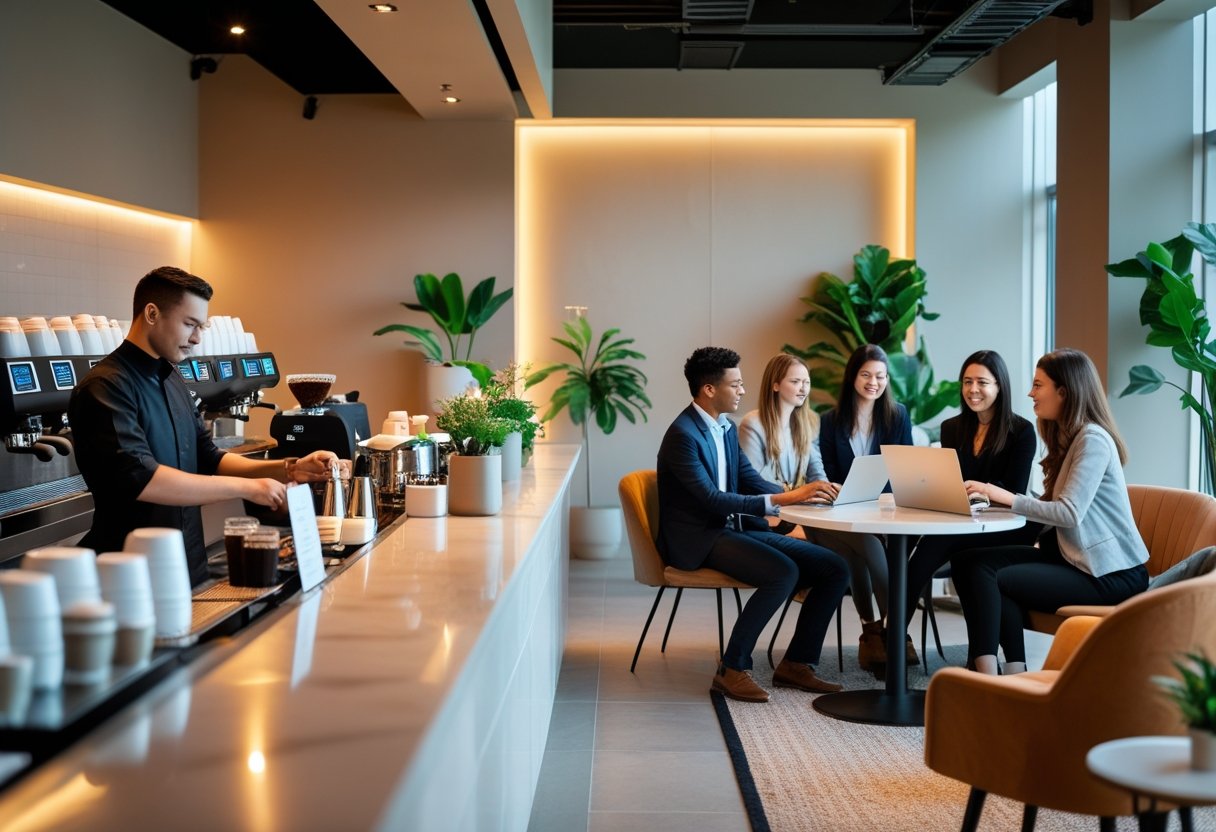
This section explains how hospitality teams turn guest-facing moments into measurable revenue. It shows how content workflows, data tools, and social proof work together to drive bookings, repeat visits, and higher spend.
Content Ops: Powering Revenue through Hospitality Marketing
Content operations coordinates creation, publishing, and measurement so hotel marketing and F&B teams sell consistently. They map content to the target market — for example, late‑night barista promotions for remote workers or lighting-plot photos that highlight event spaces — then build templates for repeat use.
Key tasks include an editorial calendar, asset tagging, and automated distribution to email, paid ads, and on-property screens. That reduces time-to-publish and keeps offers current with revenue management windows and seasonal pricing.
Teams track conversion rates by campaign, run remarketing lists for past bookers, and tie content performance into loyalty program messaging. Tight ops cut wasted spend and raise ROI by focusing content where it moves bookings and upsells.
Leveraging Data Analytics and AI for Smarter Sales
Data analysts and revenue managers apply predictive analytics and AI to find who will book and when. They segment customers by lifetime value, past spend, and channel, then feed those segments into personalized email and programmatic ad campaigns.
AI forecasts demand for room types, F&B slots, and event bookings. That helps set dynamic pricing and informs content that matches intent — e.g., targeted ads for corporate groups when predictive models flag conference season. Teams also automate A/B tests and use attribution models to see which touchpoints drove revenue.
Operationally, AI reduces manual forecasting time and improves inventory use. It also surfaces reputation signals from reviews so sales reps and marketing can prioritize recovery campaigns that protect hotel marketing and customer loyalty.
User-Generated Content, Influencer Partnerships, and Social Proof
User-generated content (UGC) and influencers create trust faster than branded copy. Hospitality teams curate guest photos, video testimonials, and event recaps for use across channels. They request permission, tag assets with performance metadata, and reuse high-engagement posts in paid ads.
Influencer partnerships focus on alignment: reach for leisure demand or local micro-influencers for dining and nightlife. Contracts set clear KPIs like bookings, trackable promo codes, or referral links to measure ROI.
Social proof systems include review management and automated prompts for post-stay reviews. Teams combine UGC, influencer content, and verified reviews to strengthen reputation management and feed remarketing audiences for loyalty offers.