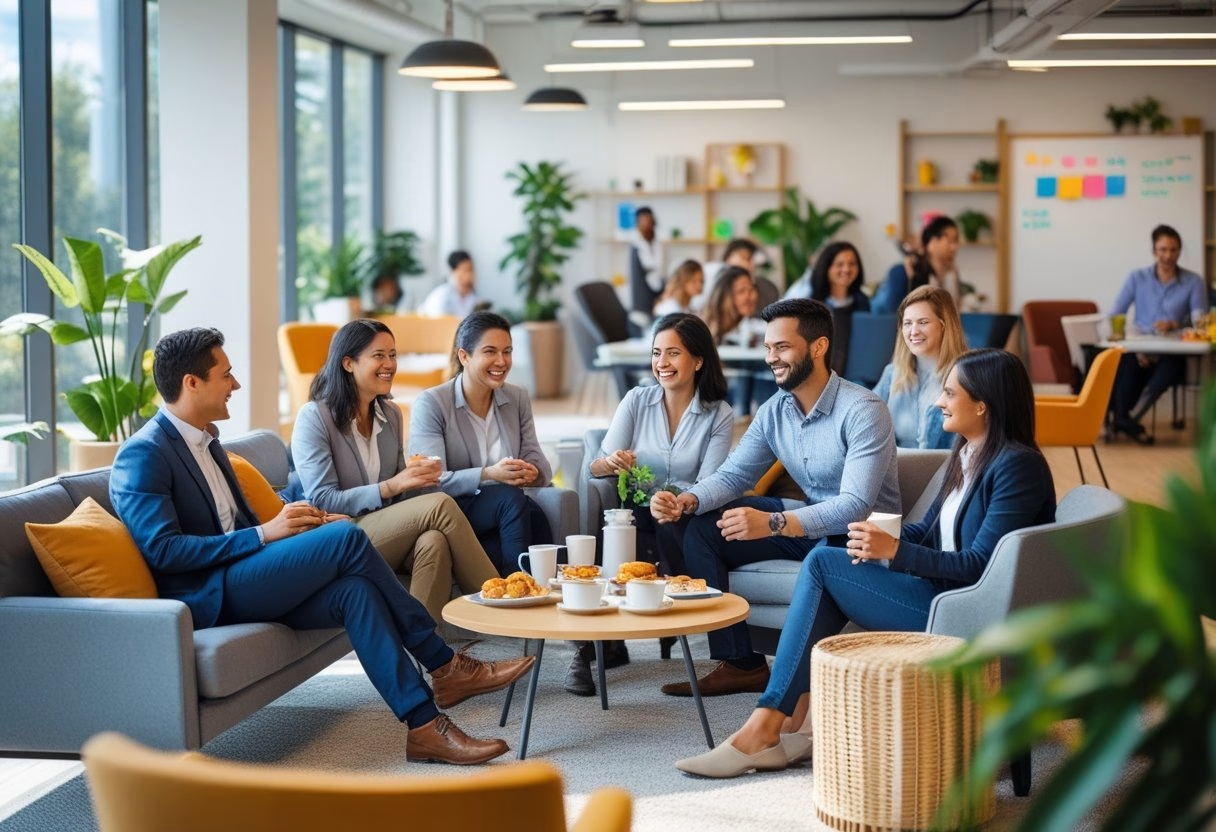
The pandemic didn’t kill the office. It simply revealed what many workers already knew: most tasks don’t require a specific building to get done. Yet companies continue investing millions in office redesigns and hybrid policies. The reason is straightforward. The office’s main purpose has shifted from providing a place to work to creating opportunities for human connection.
Remote work proved that people can focus, complete projects, and meet deadlines from anywhere. What couldn’t transfer through screens as easily was the casual conversation that builds trust, the mentorship that happens through observation, and the cultural understanding that develops when teams share physical space. The office has become a hub for collaboration and culture rather than a required location for completing individual tasks.
This change requires a complete rethinking of how offices are designed and used. Empty desks and mandatory attendance policies miss the point entirely. The most effective workplaces now function as social platforms where teams gather for specific purposes: solving complex problems together, building relationships, learning from each other, and reinforcing shared values. Work is no longer confined to the rhythms of corporate life in traditional office settings.
Key Takeaways
- The office now serves as a connection hub rather than a mandatory work location
- Remote work handles focused tasks while physical spaces excel at collaboration and relationship building
- Successful offices require purposeful design and programming that creates meaningful in-person experiences
Why the Office’s Role Has Shifted from Work to Connection

The pandemic forced millions of workers home, proving that productivity doesn’t require a physical office. Now employees are returning with different expectations, seeking spaces that foster collaboration and relationships rather than just desks for individual tasks.
The Decline of the Traditional Office
Before 2020, roughly 75% of employees worked from physical offices full-time. That number dropped dramatically as remote work became the standard during lockdowns. Research shows that by 2022, only 25% of workers wanted to be in the office three or more days per week, while 38% preferred remote work entirely.
Workers discovered they could maintain high productivity levels from home. In fact, 90% of remote workers reported feeling productive and trusted to complete their work outside traditional office settings. The commute, rigid schedules, and open office distractions became unnecessary for focused tasks.
This shift revealed a critical truth: people don’t need physical offices for concentrative work. Employees told researchers that staying home allowed them to focus better, save commute time and costs, and balance personal responsibilities alongside professional duties.
The Value of In-Person Connection
Despite high remote productivity, workplace bonds decreased from 74% to 64% during remote work periods. Personal well-being dropped even more sharply, from 73% to 39%. Workers were getting their tasks done but losing something essential.
The single driving force bringing people back to physical offices is connection. Only 56% of remote workers felt connected to colleagues, and just 54% felt tied to their company culture. Mentoring vanished. Learning stalled. The multigenerational workplace dynamics that naturally transfer knowledge disappeared.
Employees now view going into the office as an opportunity to collaborate, innovate, socialize, and experience genuine human interaction. The focus has shifted to inspiration and connection rather than just efficiency. These interactions build workplace culture and strengthen networking opportunities that video calls simply cannot replicate.
Changing Expectations for Physical Offices
The new workplace reality demands different spaces. Experts predict office design will reverse from two-thirds desking and one-third collaborative space to one-third desking and two-thirds collaborative areas.
Key changes include:
- Office density declining from 190 to 165 square feet per employee
- Workplaces resembling conference centers for intentional gathering
- Hospitality and concierge services treating employees as guests
- Fewer assigned seats in favor of flexible arrangements
Hybrid work models give employees autonomy over when and where they work. Data shows 74% of employees report positive experiences when given flexibility about work location, but this drops to 48% when companies mandate office attendance.
Workers now use different spaces for different tasks. They stay home for focused work and come to physical offices for brainstorming, learning from colleagues, and building relationships. Co-working spaces have also emerged as alternatives, offering the benefits of in-person connection without traditional office constraints.
Companies investing in amenities focused on well-being, work-life balance, and social connection see better results than those simply demanding workers return to outdated office models.
How Technology Is Redefining Workplace Connection

Digital tools now serve as the backbone for workplace relationships, enabling teams to collaborate across distances while maintaining the human connections that drive productivity. Companies are leveraging platforms like Slack, Zoom, and Microsoft Teams alongside automation and AI to create environments where connection happens through screens as naturally as it once did in hallways.
Collaboration Tools and Platforms
Modern collaboration tools are reshaping how employees connect in distributed work environments. Platforms like Slack and Microsoft Teams provide instant messaging capabilities that replicate quick desk-side conversations. These tools integrate with project management software such as Notion and Microsoft 365 to centralize workflows and communication.
Team members can share files, update project statuses, and hold threaded discussions without switching between applications. The integration of these platforms with cloud services like AWS ensures employees access the same information regardless of location.
Project management software has evolved beyond task tracking. Tools now include features for:
- Real-time document collaboration
- Automated status updates
- Team availability calendars
- Integrated chat functions
These platforms help maintain transparency and keep distributed teams aligned on goals and deadlines.
Impact of Video Conferencing
Zoom and similar video conferencing tools have become essential for maintaining face-to-face connection. Video calls allow colleagues to read body language and facial expressions, which builds stronger relationships than audio-only communication.
Companies use video conferencing for daily standups, one-on-one meetings, and casual virtual coffee breaks. The technology supports screen sharing and breakout rooms, which facilitate both formal presentations and informal discussions.
Video platforms integrate with calendar systems and project management tools to streamline scheduling. Participants can join meetings from desktops, tablets, or phones, making it easier to include team members working from different locations or time zones.
However, organizations must balance video meetings with asynchronous communication to prevent burnout. Not every conversation requires real-time interaction, and teams benefit from using instant messaging or recorded updates when appropriate.
Automation and Artificial Intelligence in the Office
Automation handles repetitive administrative tasks, freeing employees to focus on relationship-building and creative problem-solving. AI-powered tools schedule meetings, transcribe conversations, and generate meeting summaries without human intervention.
Artificial intelligence is amplifying human potential rather than replacing workers. Chatbots answer routine questions about company policies or IT issues, allowing employees to get immediate help and spend more time on meaningful work.
AI tools analyze communication patterns to suggest optimal meeting times across time zones. They also identify which team members might benefit from connecting based on shared projects or complementary skills.
Cybersecurity systems powered by AI protect these digital connections. They monitor for threats and authenticate users without adding friction to daily workflows, ensuring teams can collaborate safely across networks.
Virtual Brainstorming and Remote Collaboration
Virtual brainstorming tools replicate the spontaneity of in-person ideation sessions. Digital whiteboards allow multiple users to contribute ideas simultaneously, with features for voting, categorizing, and refining concepts in real time.
Remote collaboration platforms support design thinking and creative processes through shared workspaces. Team members can add sticky notes, draw diagrams, and organize thoughts visually while working from different locations.
These tools include templates for common workshop formats:
| Activity Type | Digital Features |
|---|---|
| Mind mapping | Infinite canvas, color coding, linking nodes |
| Sprint planning | Card sorting, timeline views, task assignment |
| Design reviews | Annotation tools, version control, comment threads |
Teams can save and revisit brainstorming sessions, making it easier to track how ideas evolved. This creates a record that helps new team members understand project history and decision-making processes.
Connection, Culture, and Employee Experience in Modern Workspaces

Offices now serve as hubs where employees build relationships, strengthen company values, and develop both technical and interpersonal skills. The focus has shifted from individual task completion to creating environments that boost engagement and personal growth.
Evolving Work Culture and Employee Engagement
The modern office prioritizes human connection over physical presence. Research shows that 65% of employees feel most connected to company culture when working in the office.
Work culture now centers on shared experiences rather than assigned desks. Employees who work in the office report that 68% feel a stronger connection to their company’s mission and purpose. This sense of belonging directly impacts employee engagement levels.
Companies are redesigning spaces to support different work styles. Collaboration areas, quiet zones, and social spaces give workers control over their environment. This variety helps employees choose settings that match their tasks and moods.
Employee engagement improves when workplaces offer inspiring environments that align with company values. Leaders now measure success by how well spaces foster connection instead of tracking square footage.
Networking in the New Office Environment
Face-to-face interactions in the office create stronger professional relationships than virtual meetings. Workers build networks through casual conversations, team projects, and shared spaces.
82% of employees report feeling a strong sense of community with their colleagues at the office. These connections lead to mentorship opportunities and career advancement.
The office functions as a social ecosystem where friendships form naturally. Break rooms, cafeterias, and collaborative work areas encourage spontaneous conversations. These informal interactions often spark innovative ideas and problem-solving.
Companies are creating amenity-rich spaces that serve as destinations rather than obligations. These environments make networking feel organic instead of forced. Offices that prioritize community in their design see higher occupancy rates and stronger employee morale.
Skill Development and Continuous Learning
Offices provide unique opportunities for on-the-job learning that remote work cannot replicate. Employees observe experienced colleagues, ask immediate questions, and receive real-time feedback.
Digital literacy grows through hands-on collaboration with diverse teams. Workers learn new software, communication tools, and project management systems by watching others and practicing together.
Continuous learning happens naturally when employees work side by side. Junior staff members gain knowledge from senior team members through informal coaching and observation. This transfer of expertise strengthens overall team capabilities.
The modern workplace supports career development and mentorship opportunities that help employees grow professionally. Companies invest in training spaces and technology that enable both virtual and in-person skill development sessions.
Emotional Intelligence and Job Satisfaction
Supporting meaningful conversations in the office helps employees develop stronger interpersonal skills. Face-to-face communication builds empathy and understanding between team members.
Emotional intelligence improves when workers read body language, tone, and facial expressions during in-person interactions. These skills become harder to develop through screen-based communication alone.
Job satisfaction increases when employees feel valued and connected to their workplace. The ability to build genuine relationships with colleagues creates a sense of belonging that impacts retention rates.
Workers who maintain strong office connections report higher levels of workplace satisfaction. They feel more invested in company success and more aligned with organizational goals. This emotional investment translates into better employee productivity and reduced turnover.
The Future of Offices: Flexible Spaces and Evolving Work Styles
Office spaces are transforming into adaptable environments that prioritize employee choice and collaboration over assigned desks. Companies are rethinking traditional layouts to accommodate hybrid work patterns while reducing costs and creating spaces that workers actually want to use.
The Hybrid Office Model
Hybrid work has become the standard approach for many organizations as they balance remote flexibility with in-person collaboration. Employees now split their time between home offices and physical workspaces based on their tasks and team needs.
Companies are designing dynamic offices that support different work modalities throughout the week. These spaces include quiet zones for focused work, collaboration areas for team meetings, and social hubs for informal connections. The goal is to give workers options rather than forcing everyone into the same environment.
Research shows that 64% of employees would seek other employment if denied remote flexibility or workplace accommodations. This demonstrates how critical adaptable policies have become for retention. Organizations that create compelling reasons to come to the office see better attendance than those relying on strict mandates.
Redesigning Office Spaces for Collaboration
Modern office layouts focus on creating spaces where employee engagement and culture-building happen naturally. Fixed desks are giving way to flexible configurations that teams can adjust based on their current projects.
The most effective designs allocate 30-60% of office space to adaptable environments. These include:
- Collaboration hubs with movable furniture and whiteboards
- Tech-enabled meeting rooms that connect remote and in-office workers equally
- Social areas with comfortable seating for informal conversations
- Focus rooms for deep work without distractions
Companies are also adding amenity spaces like lounge areas with varied seating, wellness rooms, and hospitality-style gathering spots. These features make offices feel less like obligations and more like destinations that enhance the work experience.
Flexible Work Options and Home Offices
Flexible hours and location choices have shifted how employees structure their workdays. Workers can now adjust their schedules around personal needs while maintaining productivity from multiple locations.
Home offices have become permanent fixtures in many professionals’ lives. Employees invest in proper equipment, ergonomic furniture, and dedicated workspace to replicate office functionality at home. This setup works well for individual tasks that require concentration.
Flexible office solutions also extend to coworking spaces and satellite offices closer to residential areas. These options reduce the need for daily commutes to central business districts while still providing professional environments. Workers gain back time they previously spent traveling and can choose locations that match their daily needs.
The Impact of Reduced Commuting and Business Travel
Fewer required office days mean less time spent commuting. Employees save money on transportation costs and gain additional hours for work or personal activities. This change particularly benefits workers who previously faced long daily drives or crowded public transit.
Business travel has also decreased as video conferencing technology improved during the shift to remote work. Teams now reserve in-person meetings for situations where face-to-face interaction adds clear value. This reduction cuts company expenses while lowering the environmental impact of frequent flying.
Social distancing requirements initially pushed these changes forward, but the benefits have made them permanent features of workplace strategy. Organizations discovered they could maintain productivity while offering more flexibility. The result is a work model that adapts to individual preferences rather than forcing everyone into identical schedules and locations.