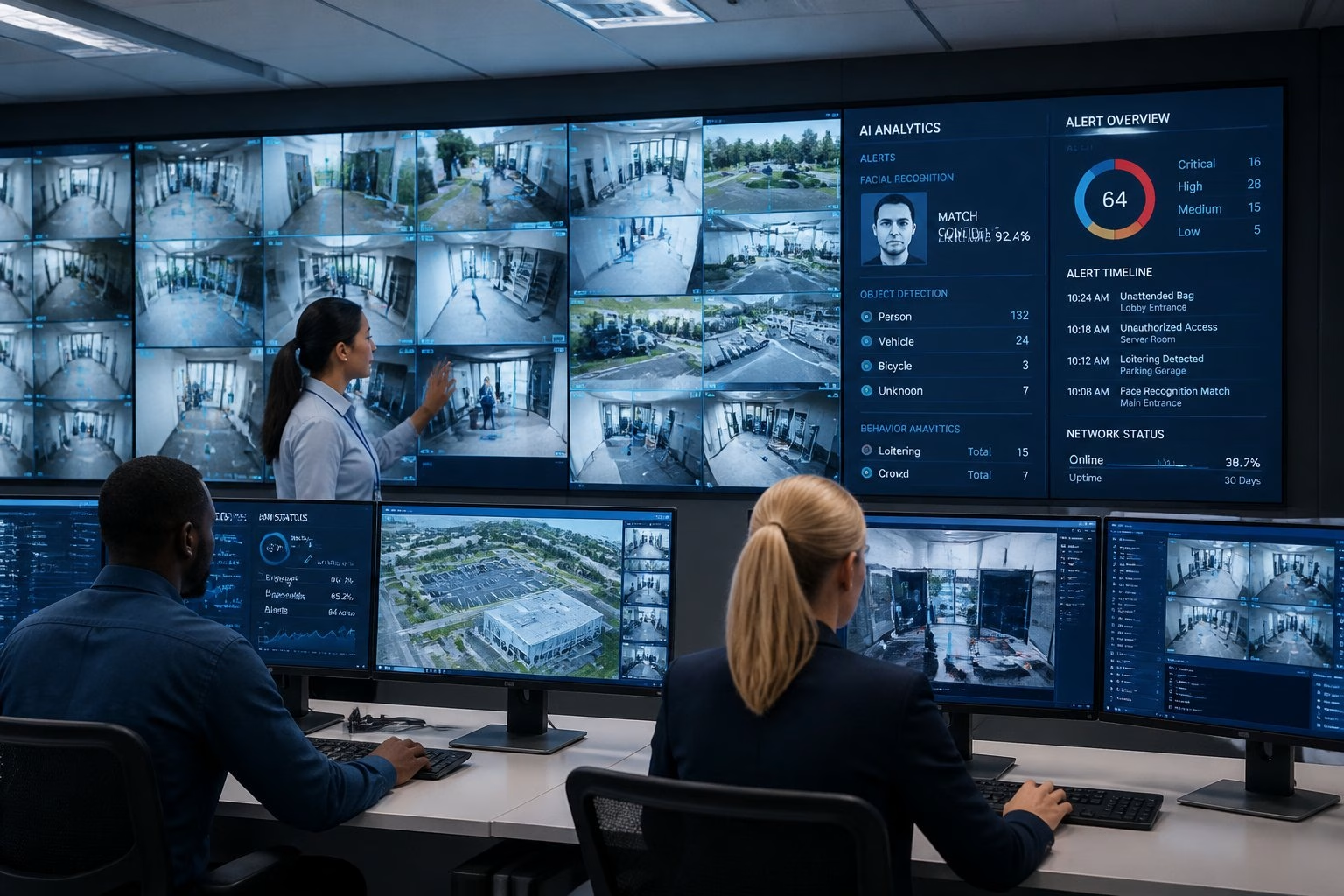
What AI Video Analytics Actually Does
AI video analytics turns camera feeds into usable security signals instead of leaving your team to watch live screens all day. It helps you spot the right event faster, send the right alert sooner, and reduce the chance that an important moment gets missed in a busy workplace.
Core Capabilities Beyond Passive CCTV
Traditional CCTV records what happened. AI video analytics goes a step further by spotting movement patterns, identifying people or vehicles, and flagging unusual activity in near real time. In a corporate setting, that can mean detecting loitering near an entry, an object left in a hallway, or movement in a restricted area after hours.
For office managers and facilities leaders, the value is not just security. The same system can support meeting room control, access checks, and monitoring of shared spaces where foot traffic changes throughout the day. That makes it useful in active offices, mixed-use buildings, and sites where disruption needs to stay low.
How Detection, Classification, And Alerts Work
The system first reads the video stream, then classifies what it sees, such as a person, car, or unattended object. It can compare that activity against rules you set, then trigger an alert when something falls outside normal behavior. Some systems also link with access control or building platforms, which helps connect a camera event to a door event or an after-hours access request.
In practice, the best results come when alerts are specific. A good system should tell your team what happened, where it happened, and why it matters, instead of sending a flood of vague notifications. That keeps incident response faster and more focused.
Where Human Monitoring Still Matters
AI can reduce routine watching, not replace judgment. Your security staff still needs to review context, confirm incidents, and decide on the next step when a camera event is unclear or sensitive. Lighting changes, crowded scenes, and unusual layouts can still confuse automated detection.
The strongest setup is a human-plus-system model. AI handles the first pass, while your team handles escalation, verification, and coordination with operations. That balance matters in corporate environments where a false alarm can interrupt work, meetings, or access flow.
Security Outcomes For Corporate Environments
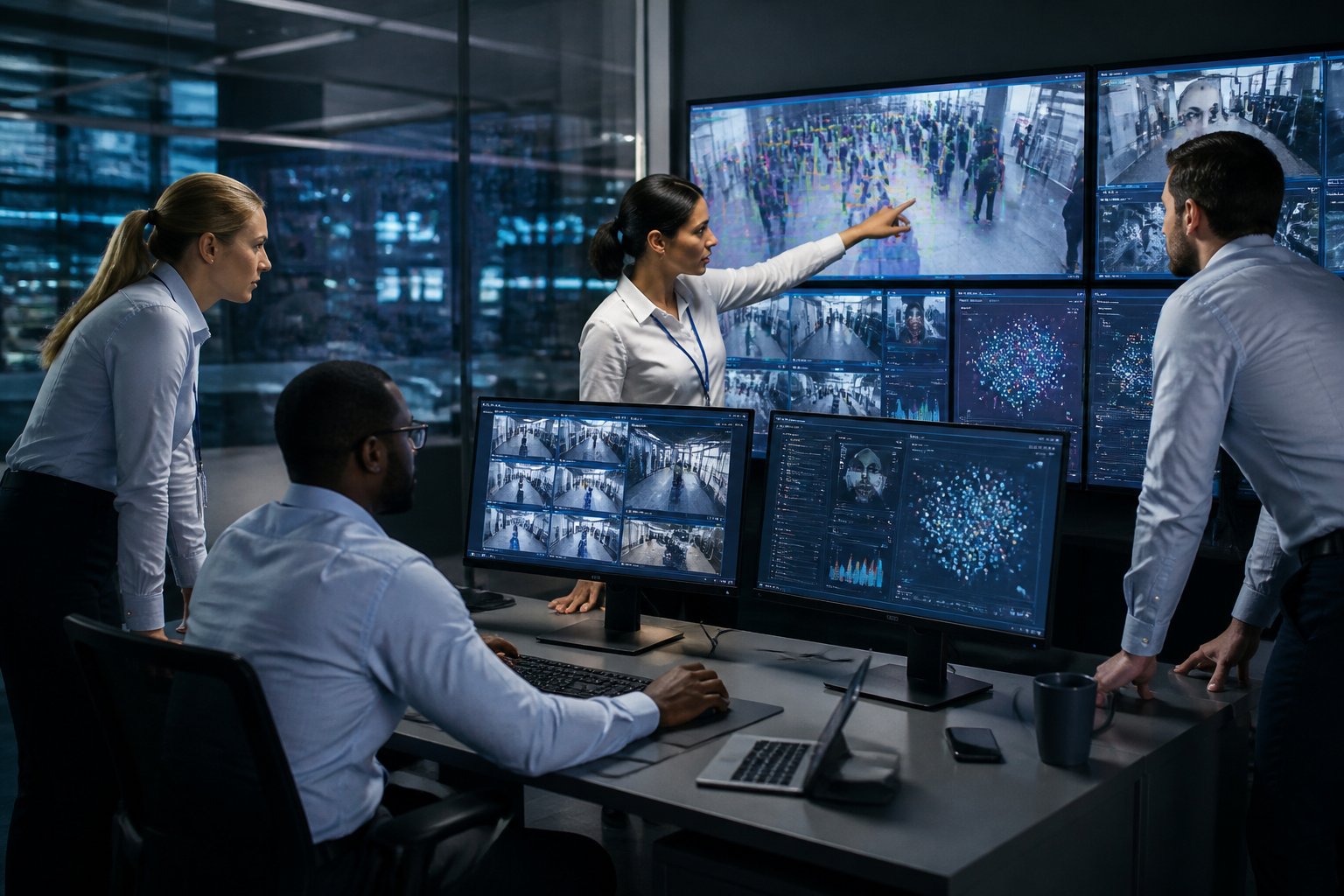
AI video analytics creates value when it shortens response time and improves awareness without adding noise to daily operations. For corporate sites, the strongest gains usually come from quicker detection, better perimeter control, and stronger support for safety and compliance routines.
Faster Incident Detection And Response
When something unusual happens, seconds matter. AI-based alerts help your team notice a problem before someone spots it manually, which is useful for trespass, tailgating, stolen items, or unsafe movement in a lobby or corridor. That speed gives your team more time to verify the event and act before it spreads.
This also helps with incident reporting. Instead of searching through hours of footage, your team can jump straight to the time and place of the alert. In day-to-day operations, that can save real time for IT, security, and facilities staff.
Access Control, Perimeter, And After-Hours Monitoring
In corporate environments, AI video analytics works best when it supports access control instead of sitting apart from it. You can use it to watch for unauthorized entry, open doors in restricted zones, or activity near loading areas, parking zones, and boundaries after business hours. It is especially useful where multiple tenants, vendors, or visitors move through the same site.
Meeting rooms and executive areas also benefit from better monitoring. You can reduce blind spots around entrances, track unusual occupancy patterns, and improve accountability in shared spaces. A well-planned setup should protect movement without making the office feel overly monitored.
Loss Prevention, Safety, And Compliance Support
AI analytics can help you reduce shrinkage, protect equipment, and document safety events. It can also flag slip-and-fall risks, blocked exits, and overcrowding in shared spaces. That matters in offices, clinics, campuses, and commercial facilities where safety checks must stay consistent.
For compliance, the biggest value is evidence. You get clearer records of who entered, what happened, and when it happened, which helps during audits or internal reviews. A business like MLV Teknologi can be helpful here because practical installation, consultation, and integration matter as much as the camera features themselves.
Implementation Considerations And Common Pitfalls
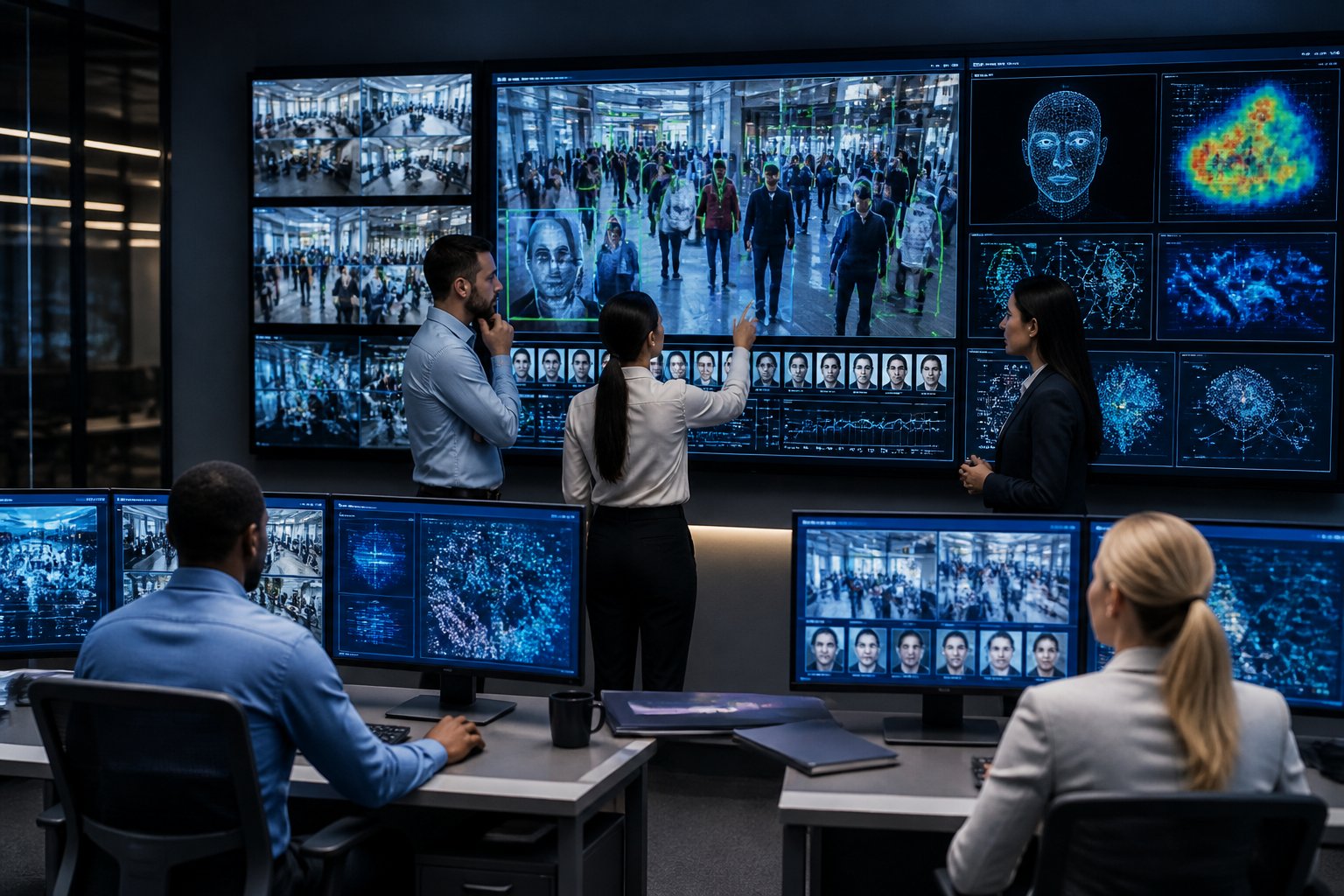
A good AI video analytics project starts with the site, not the software. Camera angles, lighting, network load, and integration points shape whether the system becomes useful or just expensive monitoring hardware.
Camera Placement, Lighting, And System Integration
If the camera cannot see the right zone clearly, the AI will not perform well. Entry points, corridors, parking areas, and loading zones usually need different placement than meeting rooms or open offices. Low light, glare, and backlighting can also reduce accuracy, so you need to test real conditions, not just spec sheets.
Integration matters just as much. If your video platform does not work with access control, alarms, or your existing monitoring process, the workflow becomes clumsy. The strongest deployments connect the alert to a clear response path so your team knows who acts, how fast, and with what authority.
Privacy, Data Governance, And False Positive Risks
AI analytics can create privacy concerns if you collect more than you need or keep footage longer than required. You should define who can view recordings, how long data stays stored, and which events need escalation. Clear rules help protect staff trust as well as legal and internal policy standards.
False positives are another real issue. A system that over-alerts loses credibility fast, especially in active offices where people move through the space all day. The fix is careful rule setting, testing, and regular tuning after the system goes live.
Choosing A Solution Partner For Real-World Operations
The right partner should think beyond product specs and ask how your workplace actually runs. You want support with site survey, installation quality, integration, and response planning, especially if your office must stay open during deployment. That is where a practical AV and systems partner can make a difference.
For example, a team like MLV Teknologi is often a better fit when you need responsive coordination and minimal disruption in active workplaces. The goal is not just to install cameras, but to make the system fit your operations cleanly from day one.