
by Melvin Halpito | Apr 12, 2026 | Article
You’ve likely measured space by how many desks fit in a floor plan. That old habit misses what really matters: whether people use the space and feel good when they do. Shift your focus to verified utilization and employee satisfaction to measure true workplace effectiveness.
This change helps you cut wasted costs, design better hybrid models, and keep talent by aligning space with real needs. Expect clear, data-backed steps that replace vague density numbers with metrics that track actual behavior and morale.
Key Takeaways
- Measure how space is used, not just how dense it is.
- Combine verified usage data with satisfaction to judge effectiveness.
- Use targeted KPIs to improve costs, hybrid work, and retention.
Redefining KPIs: From Density to Verified Utilization and Satisfaction

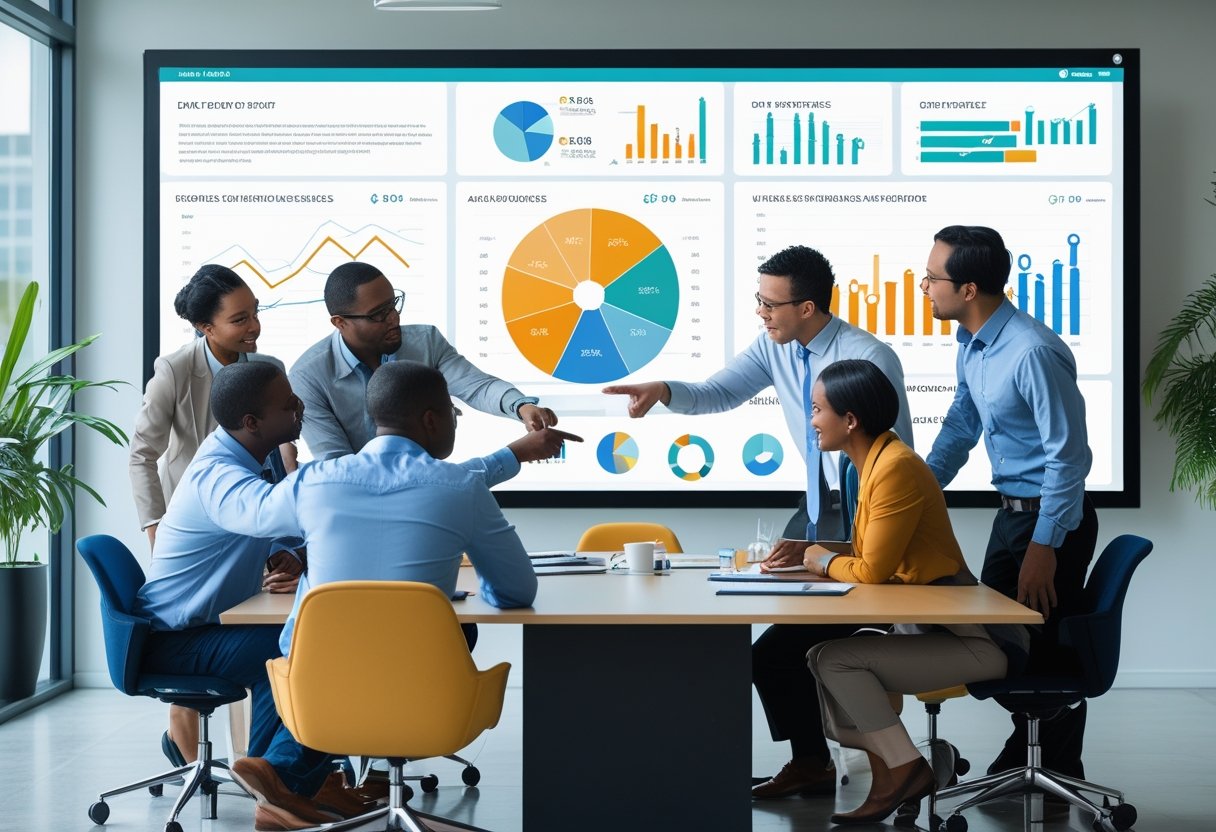
Organizations must move beyond single-number density counts and focus on whether resources were actually used correctly and whether users—patients and staff—were satisfied. Measured value should link to real activity, verified usage, and clear satisfaction signals.
Limitations of Density-Focused Metrics
Density metrics measure how much activity happened in a window, such as transactions per hour or CPU utilization percentage. They do not show whether that activity produced benefit. For example, high appointment booking density can mask no-shows or unused capacity. In hospitals, bed-occupancy rates can look efficient while many stays are unnecessary or services underused.
Density also encourages short-term throughput gains. Teams aiming to raise a density KPI may schedule more items without checking quality or follow-up. This can harm patient satisfaction and staff morale. Decision-makers need measures that reveal wasted capacity, inappropriate use, and hidden rework.
The Shift Toward Verified Utilization
Verified utilization ties measured activity to proof of meaningful use. It records confirmations such as completed treatments, validated billing with clinical codes, or logged task completion by a qualified staff member. Verified utilization reduces gaming: it counts only when the intended outcome occurred.
Implementing verified utilization requires cross-system checks and simple audit trails. Examples include matching scheduled appointments to completed visits, linking device usage logs to patient outcomes, or requiring sign-off fields that record who performed a task. This approach changes KPIs from raw density numbers into performance measures that reflect actual service delivery.
Integrating Satisfaction Measures With Performance Indicators
Satisfaction metrics add the human perspective missing from density and raw utilization. Patient satisfaction and staff satisfaction should feed into KPIs alongside verified utilization figures. For instance, a composite KPI might weigh completed procedures (verified utilization) with patient experience scores and staff-reported workload fairness.
To keep measures actionable, tie satisfaction surveys to specific events and short time windows. Use simple, consistent questions and threshold flags for follow-up. Report satisfaction alongside utilization in dashboards so leaders see if high verified use coincides with high or low satisfaction. This keeps performance measurement balanced between efficiency and quality of care or work conditions.
Enhancing Organizational Performance Through Data-Driven KPI Selection
Organizations must pick KPIs that change decisions, improve processes, and grow value rather than inflate reporting. Focus on verified use and user satisfaction to ensure metrics drive action, align with strategy, and surface leading indicators that predict outcomes like length of stay or readmission rate.
Aligning Performance Metrics With Strategic Goals
They map each KPI to a clear strategic objective and a decision owner. For example, tie “average length of stay” to the hospital operations head and specify desired change: reduce by 0.5 days per quarter. This links KPI movement to budgeting, staffing, and discharge planning.
Use a balanced scorecard or BMC layout to group metrics by finance, customer/patient, internal process, and learning. Mark each metric as leading or lagging so teams act earlier—staffing churn and absenteeism become leading indicators for patient safety and mortality risk.
Require documented verification of utilization: who used the KPI, when, and what decision it informed. Track user satisfaction with dashboards and tie that feedback to KPI governance. If a metric shows low use or poor satisfaction, retire or redesign it.
Case Study: Impact of Verified Utilization on Business Outcomes
A midsize hospital tracked verified utilization of KPIs for six months. They required clinicians and managers to log which KPI informed each discharge or transfer decision. The hospital then compared units with high vs low KPI use.
Units with high verified use cut average length of stay by 8% and readmission rate by 6% over a year. They also saw reduced absenteeism among charge nurses because workflows became clearer. The study used a before/after design and controlled for seasonal census.
Key actions drove results: adoption of a new leading indicator for bed bottlenecks, rapid feedback loops on patient safety culture, and monthly reviews that tied KPIs to staffing plans. This case shows how verification and satisfaction measures produce measurable organizational performance gains.
Performance Drivers and Cultural Considerations
Performance drivers are both data and behavior. Metrics like leading indicators, absenteeism trends, and early warning signals must connect to hands-on processes: rounding, handoffs, and safety huddles. They work only if leaders reward use and correct misuse.
Culture matters. A strong safety culture and open feedback increase willingness to act on KPIs tied to patient safety. Conversely, metrics perceived as punitive reduce transparency and corrupt measures. Embed KPI governance into routines: regular scorecard reviews, documented decisions, and a small team to maintain definitions.
Use systematic review practices when adding KPIs: test measurement validity, check alignment with business strategy, and pilot in one unit. Track performance drivers and iterate. When teams report higher satisfaction with a KPI, adoption and impact follow. Include decision-making checkpoints so metrics stay practical and trusted.
by Melvin Halpito | Apr 11, 2026 | Article
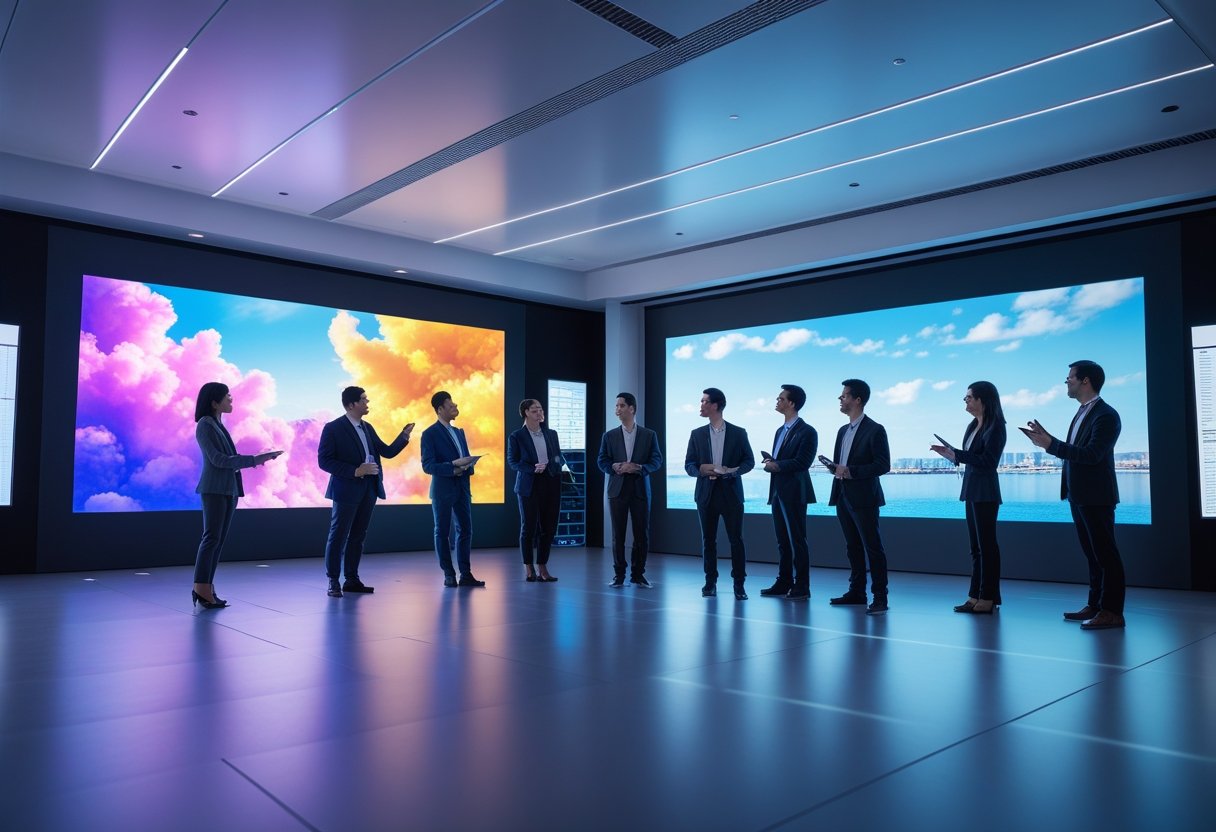
You stand at a crossroads where visuals shape stories and spaces. Choose projection when you want flexible, large-scale transformations that bend architecture into narrative, and choose LED when you need bright, high-resolution clarity that holds up in daylight and on-stage action. This choice affects cost, setup time, and how vividly the audience experiences your story.
Think about scale and context: projection maps surfaces to create immersive moods in low light, while LED walls deliver consistent color and legible detail in bright or busy environments. Weigh creative goals against budget and logistics to pick the tool that makes the story feel cinematic where it matters most.
Key Takeaways
- Projection fits large, immersive transformations with lower surface cost.
- LED excels for daylight visibility and high-resolution content.
- Match the technology to budget, setting, and storytelling goals.
Projection vs LED: Cost, Flexibility, and Cinematic Impact
Projection and LED deliver different trade-offs in price, setup, and visual effect. One favors bright, repeatable clarity; the other favors surface transformation and large-scale immersion.
Cost Analysis and Budget Planning
They should compare upfront hardware and long-term costs. LED video walls require higher initial spend for LED panels, control processors, and rigging. For a 10 x 6 ft fine-pitch wall, budget for panels, frame, and media server. Projectors cost less per unit but need multiple high-lumen projectors for large or bright spaces. Projection mapping adds costs for lenses, mounts, and custom content mapping work.
Recurring costs differ. LED panels may need fewer replacements and lower day-to-day tuning, giving better ROI for multi-use or rental inventory. Projectors need lamp or laser maintenance, periodic recalibration, and sometimes more frequent replacement. Content and labor costs rise with projection mapping because each surface requires bespoke warping and testing.
They should include logistics costs. LED walls cut lighting control needs and reduce blackout expenses. Projection setups can raise venue prep time and require controlled lighting, which may add venue rental hours and crew labor.
Flexibility for Evolving Spaces
LED walls offer modularity. Technicians can add or remove LED panels to change size and aspect ratio quickly. Pixel pitch choices let designers match viewing distance to resolution needs. For touring or repeated installs, plug-and-play cabinets simplify staging.
Projection gives creative flexibility in form factor. It maps onto architecture, props, and irregular surfaces to change space without building new structures. It scales by adding projectors and adjusting throw distance and lensing. Projection mapping allows transforming ceilings, facades, and floors into moving canvases.
Each has venue constraints. LED walls need structural support, space for rear servicing, and load-rated rigging. Projection needs clear sight lines, controlled ambient light, and surface preparation for consistent color and contrast. They should choose based on whether the space will change often or require unique surface-driven experiences.
Cinematic Visual Quality and Impact
LED technology delivers high brightness, strong contrast, and consistent image quality. LED video walls maintain color fidelity in daylight, and fine pixel pitch yields crisp detail at close viewing distances. For live broadcast or stage backdrops, LED panels produce predictable blacks and steady luminance.
Projection can create cinematic scale and seamless transformations. High-end laser projectors now approach strong brightness and color accuracy, especially in darker settings. Projection mapping produces immersive scene changes by wrapping images around objects, giving directors spatial storytelling tools that LED screens cannot mimic.
Image quality depends on setup. For LED, resolution and pixel pitch define perceived sharpness. For projection, throw distance, lens quality, and surface texture determine clarity. Both require calibrated media servers and color management to match creative intent.
Durability and Maintenance Considerations
LED panels are robust and built for repeated assembly. They resist shock better than bulb-based projectors and allow hot-swap module replacement. Maintenance typically consists of firmware updates, occasional module replacement, and cleaning seams to retain uniformity.
Projectors need regular care. Laser models reduce lamp swaps but still need cooling and optical cleaning. Projection systems demand periodic alignment, lens checks, and surface maintenance for mapping accuracy. Ambient dust and temperature affect projector lifespan more than LED walls.
They should weigh downtime risk. LED walls offer faster recovery on-site by swapping cabinets. Projection setups can require longer recalibration after transportation or venue changes. Maintenance budgets should cover spare LED modules, projector service contracts, and qualified technicians for both technologies.
Choosing the Right Solution for Storytelling in Evolving Spaces
Decide with clear priorities: brightness needs, surface shape, audience flow, and running budget. Match those to technical demands like viewing angles, rigging limits, and the need for real-time visuals from a media server.
Audience Engagement and Immersive Experiences
Designers should pick tech that keeps guests focused and emotionally involved. LED walls deliver high-contrast visuals that remain visible in bright trade shows, product launches, and keynote stages. They work well for close-up content and precise scenic integration where text and fine detail matter.
Projection mapping excels when narrative depends on transforming architecture or props. It wraps visuals around irregular surfaces in museums, themed attractions, and dome environments. Projection also supports immersive art and ambient environments that change across time.
For live events and performances, consider latency and real-time control. Media servers and show control that feed both LED panels and projectors allow reactive visuals synced to sound, lighting, and pyrotechnics. Audience sightlines and viewing angles must guide placement to avoid dark spots or pixelation.
Venue and Spatial Design Considerations
Site constraints shape the choice quickly. Indoor venues with strong rigging and controlled light favor projection mapping onto complex shapes. Historic facades and immersive exhibitions often use projection to keep architecture intact while adding animated layers.
Bright, multifunctional venues and outdoor activations favor modular LED panels or large video walls. Miniaturisation of LED panels now permits tighter pixel pitch and curved builds, helping in themed entertainment queues and retail activations where durability and brightness matter.
Structural load, weight, and power affect feasibility. LEDs require sturdy mounts and more power distribution. Projection needs careful projector placement, throw distance, and blackout strategies. Coordinate scenic integration with architectural lighting and HVAC to avoid heat and glare issues.
Hybrid and Advanced Applications for Storytelling
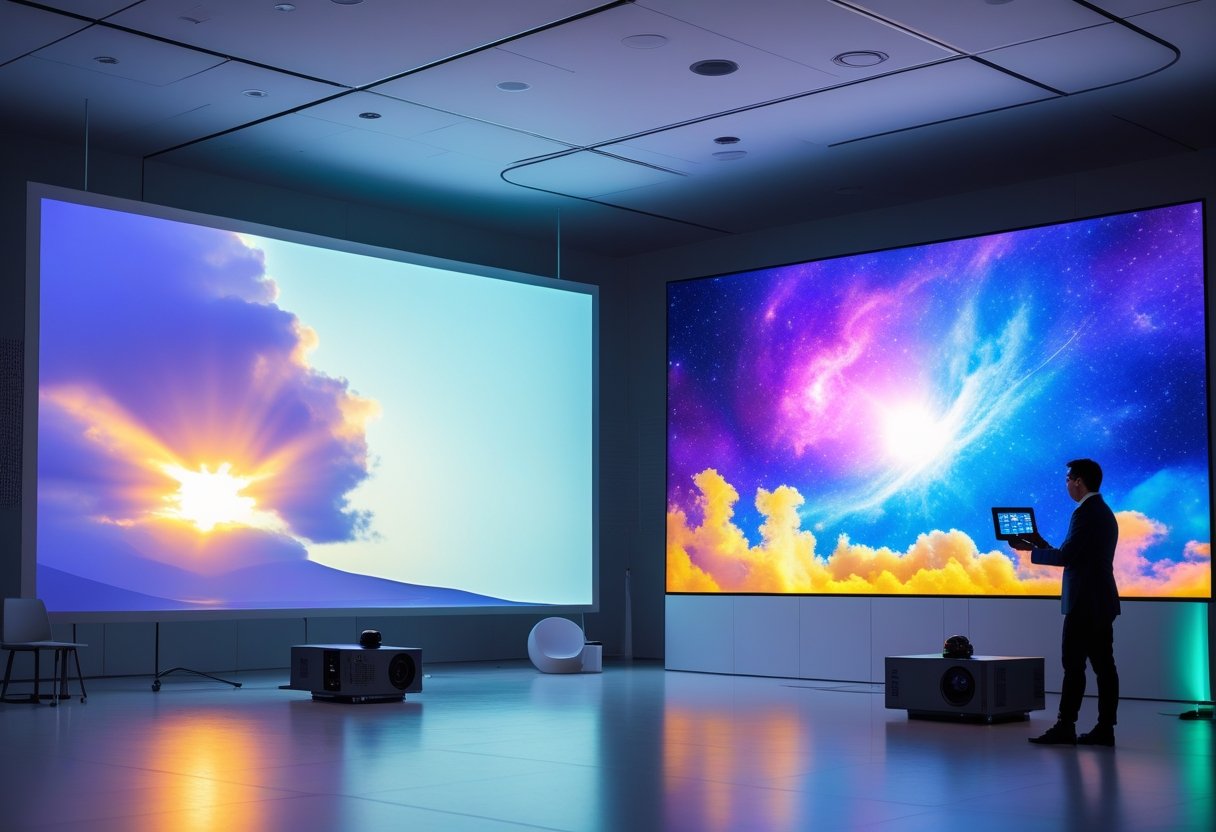
Many projects use hybrid solutions to get the best of both systems. A crisp LED focal wall can present key information while surrounding surfaces use projection mapping to create contextual motion and atmosphere. This approach works for themed attractions, guest experiences, and immersive installations.
Advanced setups rely on synchronized media servers, pixel-mapping workflows, and timecode to blend live content across LEDs and projectors. Hybrid rigs support scalable solutions for trade shows, live performances, and product launches where both clarity and surface flexibility are needed.
Design teams should test color matching, edge blending, and viewing angles early. They should also factor maintenance, replacement of modular LED panels, and lamp or laser projector servicing into operational costs to keep storytelling consistent over long runs.
by Melvin Halpito | Apr 11, 2026 | Article
You step into an exhibition and feel the story without noticing the tech behind it. That seamless feeling happens because three roles work together: the curator shapes content, the integrator hides systems, and the architect frames the space. When these three collaborate well, technology enhances the experience without calling attention to itself.
This post shows how each role keeps tech invisible while boosting impact. It explains what each person does, how they coordinate, and simple practices that make interactive displays feel natural rather than flashy. Expect clear examples and practical tips that you can spot in galleries and apply to future projects.
Key Takeaways
- Understand how content, systems, and space must align to keep tech discreet.
- Learn collaboration habits that make interactions feel natural.
- Use design and technical choices that prioritize story over gadgetry.
Defining the Curator, Integrator, and Architect Roles in Invisible Exhibition Technology
Exhibition teams balance storytelling, technical delivery, and spatial design so visitors see a seamless experience. Each role focuses on specific responsibilities: narrative framing, systems integration, and building-scale design.
The Architect-Curator and Their Evolution
The architect-curator blends design and curatorial voice to shape meaning through space. They choose what stories the exhibition tells and decide how objects and sequences support that narrative. This hybrid role dates back to major shows that framed movements, such as Philip Johnson and Henry-Russell Hitchcock’s Modern Architecture: International Exhibition at the Museum of Modern Art, which created the International Style by curating works into a single story.
Today’s architect-curator must balance visual composition with visitor flow and technical constraints. They draft spatial rules: sightlines, adjacencies, and pacing. These rules guide where sensors, screens, and lighting stay hidden. Their sketches become the base layer that integrators follow to embed technology without interrupting the story.
Integral Collaboration: The Architecture of the Exhibition
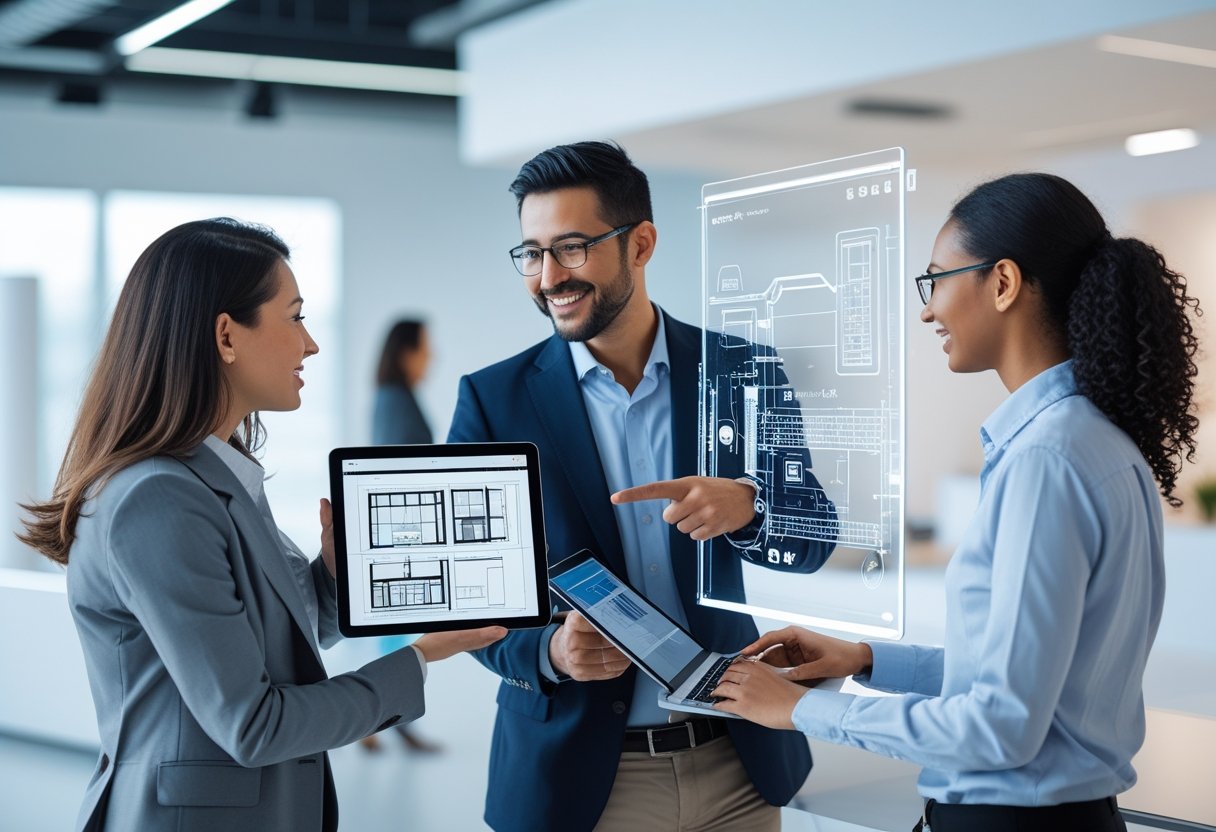
Integrators translate the architect-curator’s spatial script into working systems. They map AV, power, networks, and control logic to the physical plan. That work includes cable routing within false floors, mounting detectors behind panels, and programming behavior so lights and media react at precise moments.
Teams use clear task lists and installation drawings. A typical checklist covers: concealment strategies, fail-safe modes, maintenance access, and visitor safety. The integrator coordinates with fabricators and contractors so that starchitecture-scale elements and bespoke facades—like those used in Paolo Portoghesi’s Strada Novissima—retain their finish while housing tech. Effective collaboration keeps electronics invisible and preserves the architect-curator’s intended experience.
Historical Narratives Shaping Modern Exhibition Space
Exhibitions have long shaped architectural narratives. Shows like the 1932 MoMA exhibition recast modernism as a coherent language, proving curators can define a movement. Later interventions—Aldo Rossi at the Triennale di Milano and Portoghesi’s theatrical facades—shifted focus to memory and historical reference, changing how spaces mediate meaning.
These precedents inform today’s choices about what remains visible. Lesley Lokko’s recent curatorial work pushed inclusion and decolonial perspectives, forcing teams to rethink whose stories get framed and how technology supports equitable access. Technical teams now plan for multilingual audio, adaptable displays, and unobtrusive translation devices. The result ties legacy practices of staging culture to modern integration techniques so exhibitions present clear narratives without visible technical clutter.
Integrating Technology to Enhance but Conceal
Technology should support narrative, logistics, and access while staying visually quiet. It must link collections, guide movement, and personalize visits without calling attention to itself.
Digital Storytelling and Curatorial Platforms
Curators use digital storytelling tools and curatorial platforms to layer context onto objects without adding physical clutter. They build timelines, multimedia labels, and cross‑collection links inside content management systems that feed gallery screens and mobile apps. This lets a single dataset generate a wall label, a headset audio track, and a gallery kiosk entry, keeping text consistent across touchpoints.
Clear taxonomy and metadata are vital. Good platforms enforce controlled vocabularies and image standards so search, related‑works algorithms, and onsite displays all pull from the same authoritative record. That reduces mismatched captions and speeds updates after loans or reattributions.
They also schedule content delivery by zone. The CMS can push different stories to the same artifact depending on audience profile, exhibition phase, or program—so tech shapes layered narratives while the gallery stays visually simple.
Artificial Intelligence and Augmented Reality in Exhibition Design
AI analyzes collections and visitor data to suggest meaningful object relationships and highlight underseen works. Curators use clustering models to surface thematic links—e.g., material, provenance, or motif—so they can craft subtler groupings than chronological panels allow.
Augmented reality overlays contextual images or reconstructions without new signage. Visitors point a device and see a removed detail restored or a historical interior reconstructed in situ. AR scenes can be triggered by object IDs, room geofencing, or printed markers, keeping AR activation optional and the physical space unobstructed.
Combining AI and AR lets systems generate on‑the‑fly captions and localized translations. Machine‑generated text still requires human vetting, but it speeds multilingual access and supports accessibility layers such as audio description.
Optimizing Visitor Experience Through Invisible Tech
Invisible tech manages crowd flow, comfort, and discovery while staying out of sight. Sensor networks and queueing algorithms monitor room density and adjust lighting or suggested routes in real time to avoid bottlenecks. That reduces stress without signposts telling visitors what to do.
Interactive displays and digital kiosks appear only when needed. Touchpoints use proximity activation or short‑range casting so content wakes for a single user then returns to a neutral state. Personalization follows via optional sign‑in or device pairing, delivering tailored tours, saved bookmarks, and pacing cues.
Data dashboards give staff a live view of engagement metrics—dwell time, interaction rates, and content popularity—so they can retune displays, reassign staff, or rotate works based on actual behavior, not hunches.
Exhibition Case Studies: Venice Biennale and Beyond
Major biennials show how tech can be bold but discreet. At a recent Venice Architecture Biennale, curators placed AR reconstructions behind minimal panels to reveal demolished interiors without erecting reproductions. Visitors used loaner tablets to call up overlays, preserving the pavilion sightlines.
Past Venice exhibitions like Monditalia and Absorbing Modernity used layered media rooms and timed projections to expand narrative arcs without adding permanent infrastructure. Staff coordinated digital playlists, projection cues, and visitor flow to keep audiovisual tech out of the visitor’s main view.
Smaller institutions reuse the same approach: a cloud curatorial platform feeds gallery screens and an on‑demand app, while AI suggestions inform object placement. This model proved effective for site‑specific projects such as “The Laboratory of the Future,” where modular tech units activated only during programs, leaving galleries empty and readable the rest of the time.
by Melvin Halpito | Apr 10, 2026 | Article
You asked for conflicting instructions about point of view (second person) and using third person. I will follow your earlier clear instruction to write in second person because it directly guides how to engage the audience. If you want third person instead, say so and I will revise. Bolded sentence answers the question as requested.
You can trust company museums to turn heritage and IP into clear signals of product quality, purpose, and long-term care that make you more likely to buy. They show real stories, patents, and design evolutions that back up marketing claims and make complex technology or craftsmanship easy to understand. That proof builds confidence faster than ads alone.
Walk through exhibits that highlight patents, manufacturing milestones, and customer impact, and you will see how strategy becomes tangible. These spaces teach visitors why the brand acts the way it does, linking past choices to future reliability and giving you the context needed to trust a purchase.
Key Takeways
- Corporate heritage and IP presented clearly increase buyer trust.
- Exhibits that explain product evolution make strategic claims believable.
- Well-designed museums turn history into a lasting organizational memory.
Strategic Role of Corporate Museums in Building Buyer Confidence
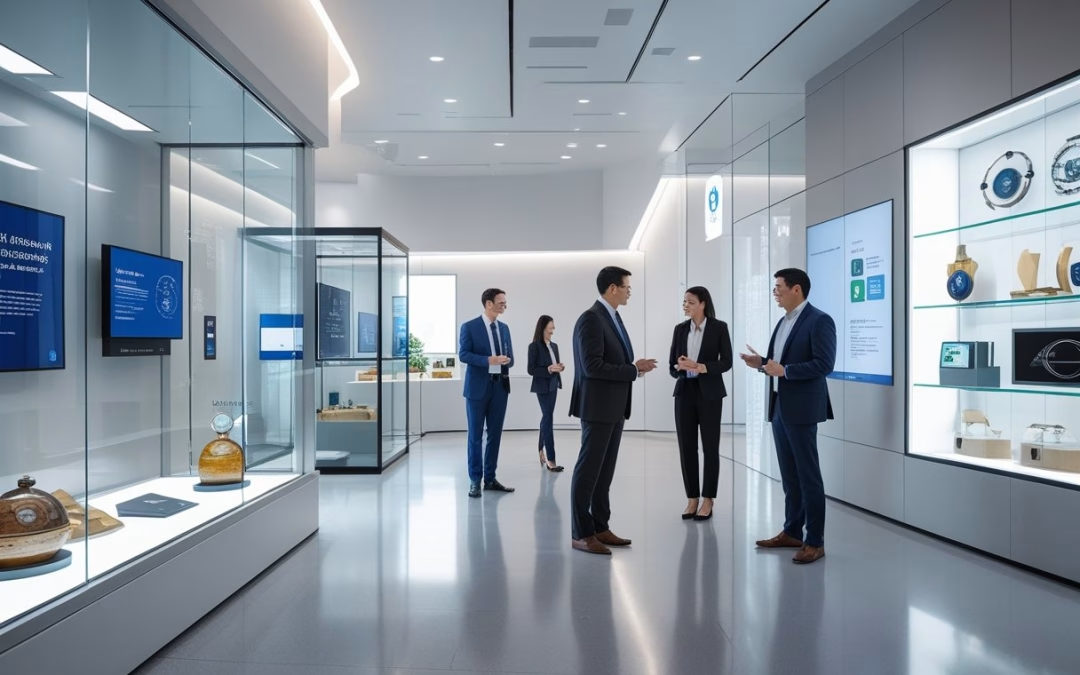
Corporate museums turn company history, products, and ideas into clear reasons for customers to trust and buy. They show proof of quality, explain how products evolved, and give visitors a chance to see intellectual property and processes in context.
Transforming Corporate Heritage into Strategic Narratives
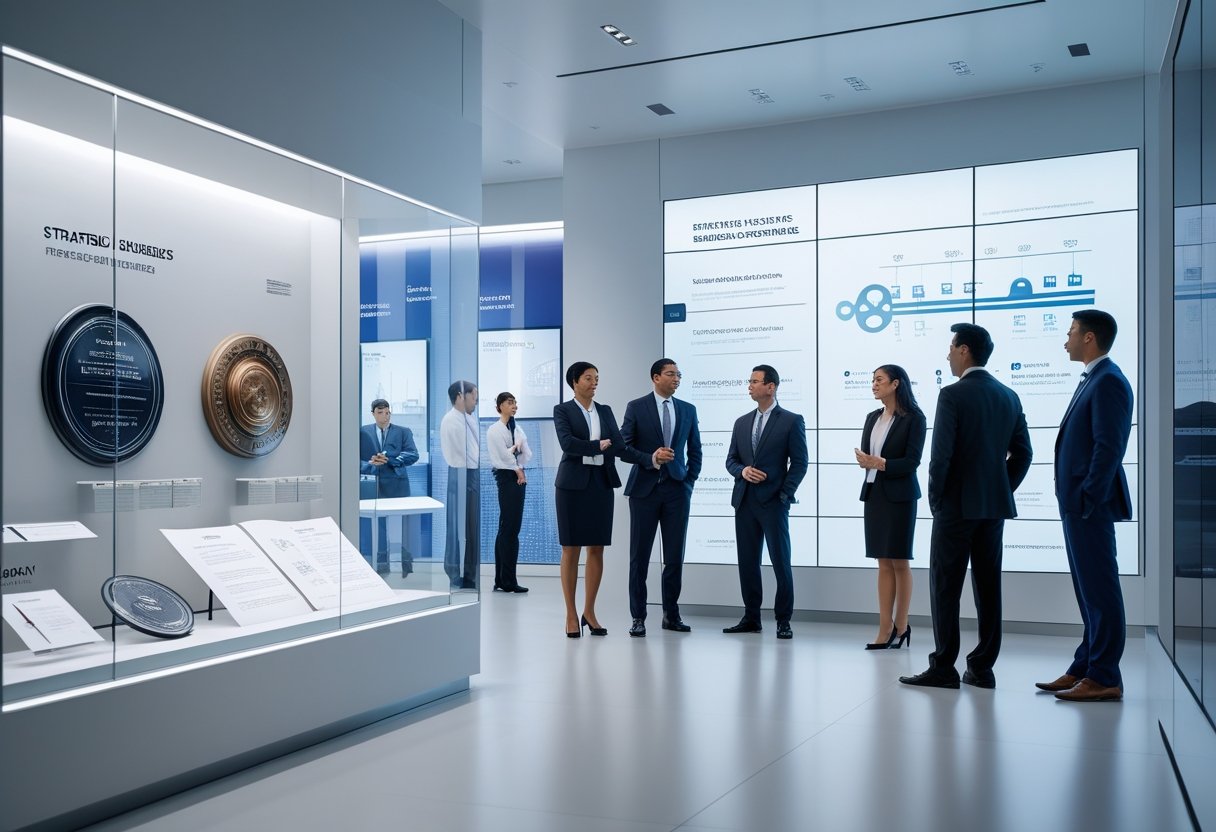
The corporate museum curates artifacts, patents, and founder stories to create a factual narrative about capability and continuity. It displays key inventions, dated prototypes, and patent milestones so visitors can trace product improvements over time. This helps buyers see a logical development path rather than isolated marketing claims.
Exhibits emphasize measurable achievements: awards, certification plaques, and documented case studies. Labels and timelines link heritage items to modern product benefits, making the claim “we’ve always done this” concrete. When a museum ties a founder’s design choice to today’s warranty or safety standard, it strengthens buyer trust.
Using archival material in marketing campaigns extends the narrative beyond the museum walls. Corporate museums feed content for websites, ads, and sales kits that sales teams can use to back technical claims with historical evidence.
Building Brand Loyalty Through Immersive Experiences
Corporate museums create hands-on exhibits and guided tours that let customers test products, compare generations, and meet specialists. These immersive moments produce emotional and practical understanding: visitors remember how a product performed and why it matters.
Programs like product workshops, behind-the-scenes tours, and co-creation sessions invite repeat visits and deepen attachment. Loyalty grows when visitors feel included in the brand’s story and see tangible proof of care—like repaired prototypes or employee testimony about quality control.
Membership tiers, exclusive exhibit previews, and event invitations convert interest into ongoing engagement. When a museum becomes a regular touchpoint in a buyer’s life, it supports longer-term brand loyalty that goes beyond single purchases.
Heritage Marketing as a Competitive Advantage
Heritage marketing uses museum content to differentiate a company in crowded markets. The corporate museum supplies authentic material—original blueprints, founder letters, and early ads—that marketing teams turn into credible claims about expertise and values.
Competitors can claim innovation; a museum proves it with dated evidence. This makes heritage marketing powerful in B2B sales, procurement bids, and premium consumer segments where verification matters. Companies that show consistent investment in preserving IP and history can justify higher prices and win trust in procurement processes.
Practical tactics include heritage-themed product lines, certificate-backed warranties, and museum-based client briefings. These tactics link marketing strategy directly to museum assets, turning preserved corporate heritage into a measurable business advantage.
Architecting Buyer Trust: From Exhibit Design to Organizational Memory
Corporate museums connect a company’s past, products, and values to the minds of buyers. They use careful exhibit design, preserved archives, and long-term cultural roles to turn heritage and IP into clearer, measurable trust signals.
Exhibit Design for Storytelling and Emotional Engagement
Exhibit design translates technical IP and business milestones into clear, memorable stories. Designers use artifacts, prototypes, and interactive displays to show product evolution and design choices. Labels focus on specific decisions — why a component changed or how a patent solved a customer problem — so visitors see practical value, not just nostalgia.
Lighting, scale models, and short video loops guide attention to key innovations. Emotional hooks come from personal stories of engineers or customers, presented in first-person quotes or brief oral-history clips. Wayfinding maps and thematic sequences help visitors link early failures to later product reliability, which builds buyer confidence.
Leveraging Corporate Archives and IP to Enhance Brand Authenticity
Corporate archives supply primary documents that prove claims about quality, origin, and invention. Curators select patents, test reports, and design sketches that directly connect to current products or services. Displaying dated technical papers or certification seals gives tangible proof of continuous capability.
Museums must balance openness with IP protection. They show proof-of-concept materials and declassified schematics while keeping sensitive data private. Clear provenance notes and archive metadata reassure visitors that artifacts are authentic and traceable, strengthening brand authenticity and trust.
Case Studies: Ferrari Museum, Museimpresa, and International Models
The Ferrari Museum links racing lineage to production car performance by showing chassis, engine blueprints, and race telemetry. Labeling ties specific race lessons to consumer safety and handling features, making the connection clear for buyers.
Museimpresa coordinates Italian corporate museums to raise sector standards and performance measurement. Its projects highlight how a national network improves credibility by sharing best practices in curation and visitor metrics. Other international models use similar tactics: a technology firm museum displays prototyping timelines; a household brand museum shows longevity through continuous product testing records.
Each case shows one practical tactic: align a single artifact with a customer benefit, use verifiable documents, and measure visitor understanding through surveys to track trust transfer.
Longevity and Corporate Museums as Cultural Institutions
Longevity gives museums institutional weight that buyers recognize as stability. When a company maintains a public museum for decades, it signals ongoing stewardship of heritage and product quality. That sustained presence turns a company museum into a cultural institution respected by communities and scholars.
To support longevity, organizations adopt governance practices: dedicated curatorial staff, preservation plans for archives, and partnerships with academic bodies. These steps protect artifacts and ensure exhibitions remain relevant. Long-term budgets and performance systems, like those developed in collaborative studies with national associations, help museums serve both corporate goals and public heritage needs.
by Melvin Halpito | Apr 10, 2026 | Article
You walk into a cafe and notice more than coffee: the barista suggests a pastry that pairs with your drink, the lighting makes the space feel cozy, and social posts show people enjoying the place. These small choices add up to more sales and stronger customer loyalty. When staff, design, and content work together, they turn hospitality into a powerful sales tool that grows revenue.
Think about how a well-trained barista, a smart lighting plot, and timely content can guide decisions and boost purchases at every touchpoint. They shape how people feel, what they buy, and how often they come back, making hospitality a direct part of the sales strategy.
Key Takeaways
- Align everyday interactions and design to increase immediate sales.
- Use physical and digital touchpoints to shape customer choices.
- Coordinate teams to turn service moments into repeat revenue.
Hospitality as a Direct Revenue Driver
Hospitality turns everyday touches into measurable income by shaping bookings, on-property spend, and repeat business. Small operational choices—service prompts, lighting design, and staff training—move guests through the journey from browsing to buying.
Connecting Guest Experience to Sales Outcomes
The guest experience links directly to metrics like ADR and direct bookings. When staff deliver consistent check-in gestures—welcome drinks, clear room upgrades offers—guests perceive higher value and often choose the hotel’s direct channel for future stays. This reduces OTA commissions and improves net room revenue.
Hotels should map the guest journey and add sales moments at high-engagement points: pre-arrival emails offering paid early check-in, in-room tablets with targeted upgrade prompts, and post-stay offers for group bookings. Measurement matters: track conversion rates for each touchpoint and tie them to revenue per available room so teams can test what raises ADR most efficiently.
The Role of Baristas and Front-Line Staff in Upselling
Baristas and front-line staff act as sales generators when trained to suggest relevant upgrades. Simple scripts—offering a local roast or a “breakfast plus” package—raise F&B yield and nudge guests toward higher-value choices without pressure. Staff should learn to read cues: business travelers often accept express food add-ons; leisure guests respond to experience-based offers like city tours bundled with late checkout.
Invest in short, role-play based training and micro-incentives tied to group sales and ancillary revenue. Track upsell units per shift and link those figures to commission or recognition programs. Clear KPIs—items sold per guest interaction, attachment rate for room upgrades—turn soft hospitality skills into predictable revenue drivers.
Strategizing Lighting Plots to Influence Guest Decisions
Lighting affects mood and buying behavior in measurable ways. Warmer, dimmable fixtures in bars and lounges increase dwell time and average check sizes. Brighter, task-focused light in lobby co-working zones encourages daytime F&B purchases and meeting room bookings for groups.
Create a lighting plan that matches revenue goals: set brighter scenes during breakfast to increase food turnover, then switch to warm tones at cocktail hour to boost drink sales. Use programmable controls and schedules to test changes and measure impact on per-guest spend. Coordinate lighting with pricing strategies—promote dynamic pricing for event spaces under well-lit, staged conditions to increase conversion for group bookings and corporate sales.
Modern Hospitality Sales & Content Operations
This section explains how hospitality teams turn guest-facing moments into measurable revenue. It shows how content workflows, data tools, and social proof work together to drive bookings, repeat visits, and higher spend.
Content Ops: Powering Revenue through Hospitality Marketing
Content operations coordinates creation, publishing, and measurement so hotel marketing and F&B teams sell consistently. They map content to the target market — for example, late‑night barista promotions for remote workers or lighting-plot photos that highlight event spaces — then build templates for repeat use.
Key tasks include an editorial calendar, asset tagging, and automated distribution to email, paid ads, and on-property screens. That reduces time-to-publish and keeps offers current with revenue management windows and seasonal pricing.
Teams track conversion rates by campaign, run remarketing lists for past bookers, and tie content performance into loyalty program messaging. Tight ops cut wasted spend and raise ROI by focusing content where it moves bookings and upsells.
Leveraging Data Analytics and AI for Smarter Sales
Data analysts and revenue managers apply predictive analytics and AI to find who will book and when. They segment customers by lifetime value, past spend, and channel, then feed those segments into personalized email and programmatic ad campaigns.
AI forecasts demand for room types, F&B slots, and event bookings. That helps set dynamic pricing and informs content that matches intent — e.g., targeted ads for corporate groups when predictive models flag conference season. Teams also automate A/B tests and use attribution models to see which touchpoints drove revenue.
Operationally, AI reduces manual forecasting time and improves inventory use. It also surfaces reputation signals from reviews so sales reps and marketing can prioritize recovery campaigns that protect hotel marketing and customer loyalty.
User-Generated Content, Influencer Partnerships, and Social Proof
User-generated content (UGC) and influencers create trust faster than branded copy. Hospitality teams curate guest photos, video testimonials, and event recaps for use across channels. They request permission, tag assets with performance metadata, and reuse high-engagement posts in paid ads.
Influencer partnerships focus on alignment: reach for leisure demand or local micro-influencers for dining and nightlife. Contracts set clear KPIs like bookings, trackable promo codes, or referral links to measure ROI.
Social proof systems include review management and automated prompts for post-stay reviews. Teams combine UGC, influencer content, and verified reviews to strengthen reputation management and feed remarketing audiences for loyalty offers.








Recent Comments