
Where AV Projects Commonly Break Down
Many AV projects fail because the early business decisions are weak, not because the equipment is bad. When scope, room use, and project coordination are not aligned, even a good product can become hard to use, slow to deploy, and expensive to fix.
Poor Discovery And Incomplete Requirements
A lot of trouble starts before any drawing is approved. If you do not map who uses the room, how often it is booked, what devices people bring, and what meetings happen there, the design ends up guessing instead of planning. That leads to missing inputs like camera angles, microphone pickup, network access, or simple power needs.
Mismatch Between Design, Room Use, And User Behavior
A room can look impressive and still fail in daily use. A setup meant for executive presentations may not work for hybrid meetings, while a training room may need simpler controls than a conference suite. If the system does not match how your team behaves, users avoid it or keep calling for help.
Procurement Decisions Driven By Price Instead Of Fit
Low bid decisions often leave out the cost of integration, training, and support. A cheaper display or controller can seem fine on paper, then create more labor later because it is harder to configure or less reliable in the room. In practice, the wrong fit costs more than the right system.
Weak Coordination Across IT, Facilities, And Contractors
AV projects often sit between departments, so gaps appear fast. IT may handle network access, facilities may handle access and room work, and contractors may handle installation, yet no one owns the full handoff. When that happens, cable routes, mounting points, timelines, and testing all become easier to miss.
The Hidden Costs Of A Failed Installation

A failed installation rarely stays inside the AV budget. The real cost shows up in repeat labor, lost room time, frustrated staff, and a support load that keeps growing after go-live.
Rework, Delays, And Budget Creep
When a room needs to be opened twice, mounted again, or rewired, the original budget stops mattering. Small misses during planning can turn into extra site visits, late parts, and added labor that were never included in the first quote. That is where a project that looked affordable becomes hard to defend.
Operational Disruption During Business Hours
In active offices, bad timing can matter as much as bad design. If installers need to return during working hours, your meetings, client visits, and team routines get interrupted. A careful integrator plans around that, which is why clients often value teams like MLV Teknologi for working neatly and avoiding disruption.
Low Adoption Caused By Unreliable User Experience
People stop using systems that feel uncertain. If the room takes too long to start, the audio drops, or the controls are confusing, your staff will choose workarounds instead of the intended setup. Once that happens, the project stops delivering value even if the hardware still works.
Support Burden After Go-Live
A weak handover creates a steady stream of small tickets. Users ask the same questions, IT gets pulled into basic AV issues, and facilities spend time coordinating service calls. A reliable system should reduce day-to-day friction, not add another layer of work.
How System Integrators Reduce Delivery Risk
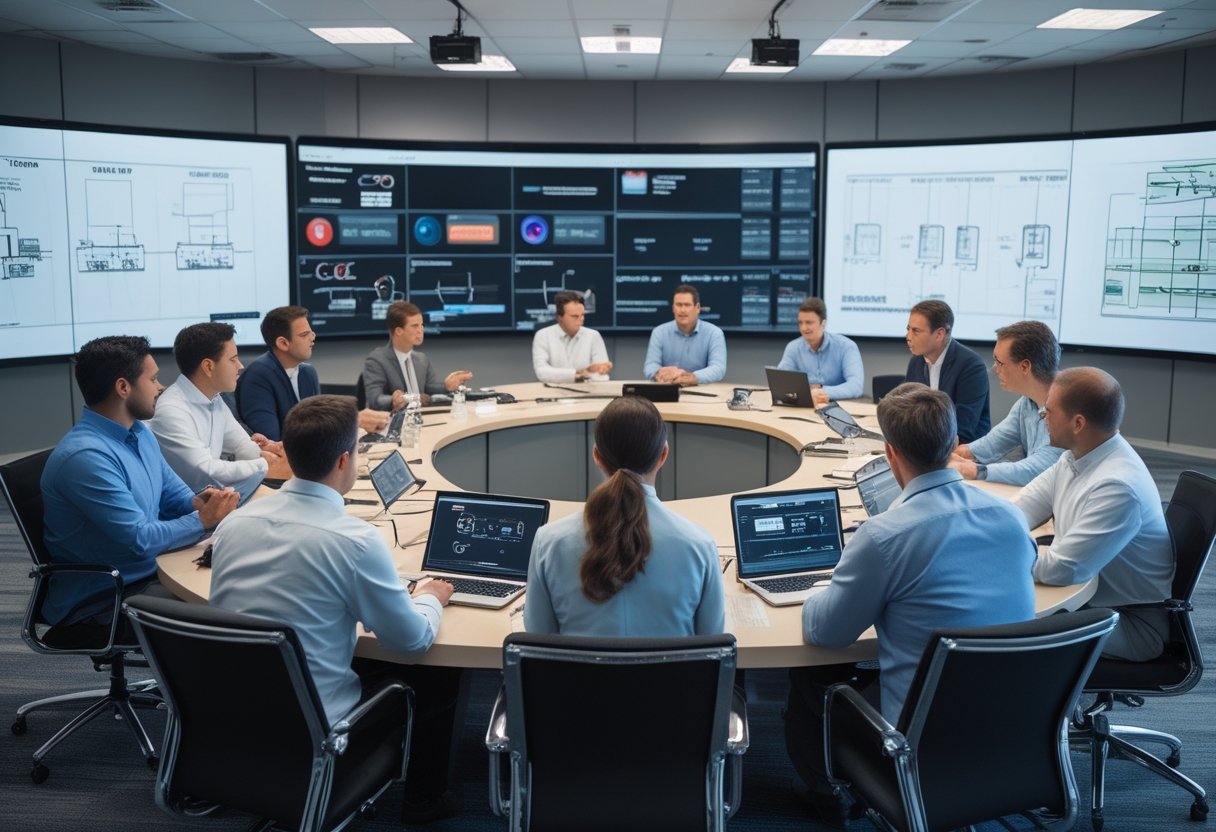
A good integrator lowers risk by making the project clearer before installation starts and more stable after it ends. The work is less about selling boxes and more about shaping a system that fits the room, the users, and the operation around it.
Front-End Consultation That Clarifies Scope Early
The best projects start with questions, not products. You need to confirm meeting types, user counts, source devices, room acoustics, network rules, and support expectations before choosing equipment. That early clarity avoids the common trap of designing for a room that does not really exist.
Technical Planning That Aligns Equipment And Environment
AV gear should suit the space, not fight it. Screen size, microphone type, speaker placement, cable paths, and control logic all need to reflect the room shape and daily use. This is where system integrators add real value by matching design choices to the environment instead of guessing from a catalog.
Installation Discipline That Minimizes Onsite Disruption
Good installation work is organized, careful, and timed with the site’s operations. Teams that plan access, protect work areas, and coordinate with building staff are easier to trust because they reduce noise, mess, and rework. That discipline is often what clients notice most during an active office rollout.
Testing, Handover, And Responsive Post-Project Support
A project is not complete when the last device is powered on. It needs full testing, user handover, and support that answers quickly when something changes. Strong integrators stay reachable after launch, which is why businesses often look for partners with practical consultation, careful installation, and responsive communication, such as MLV Teknologi in South Jakarta.