
by MLV Teknologi | May 23, 2026 | Article
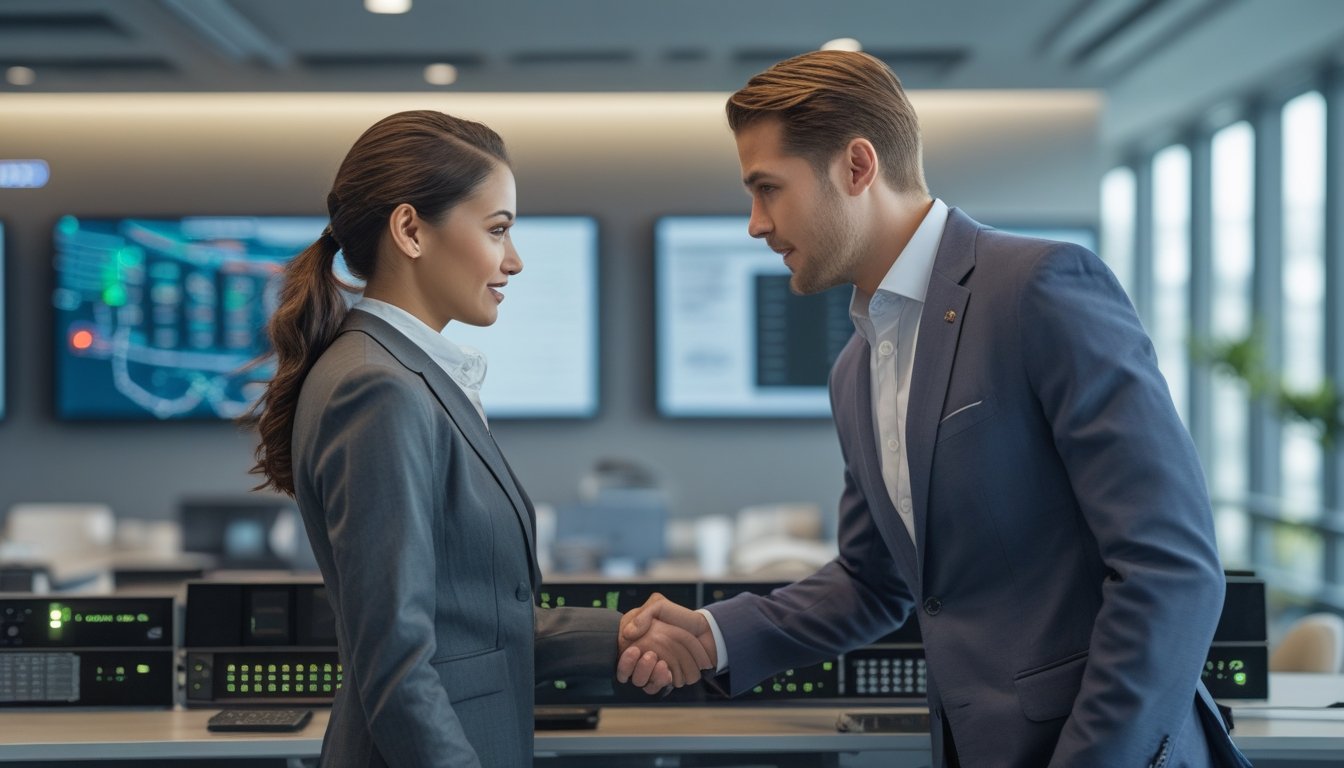
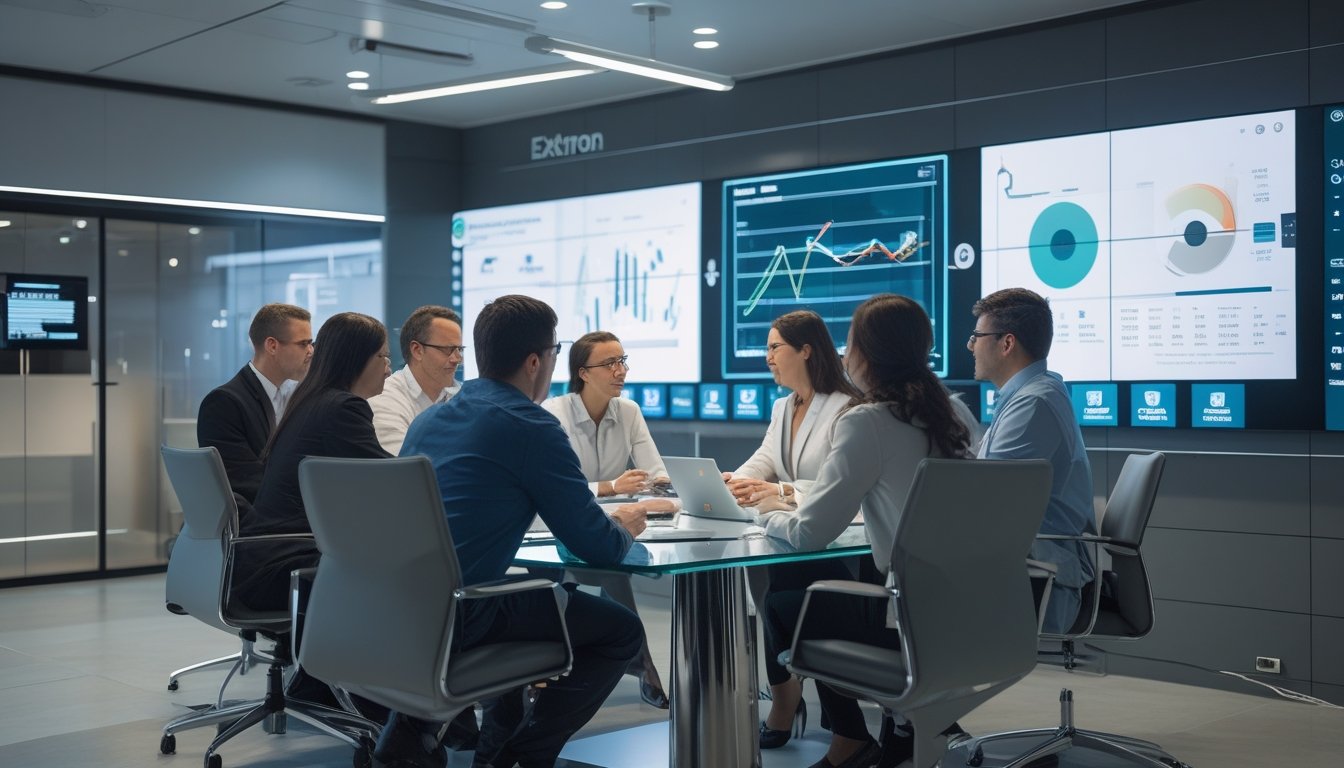
MLV Teknologi dan Extron memberi sinyal yang jelas bagi pasar Indonesia, bahwa kebutuhan AV enterprise kini bergerak ke arah integrasi yang lebih rapi, kontrol yang lebih terpusat, dan dukungan implementasi yang lebih dekat dengan lapangan. Bagi perusahaan yang mengelola ruang rapat hybrid, smart office, dan komunikasi lintas lokasi, kemitraan ini relevan karena menyatukan kualitas produk Extron dengan eksekusi proyek dan dukungan lokal dari MLV Teknologi.
Bagi pengambil keputusan korporat, nilai utamanya ada pada kombinasi keandalan sistem, kemudahan integrasi, dan kesiapan dukungan setelah pemasangan, tiga hal yang paling sering menentukan berhasil tidaknya investasi AV enterprise.
Key Takeaways
- Integrasi yang baik mempercepat adopsi kerja modern.
- Dukungan lokal membantu proyek berjalan lebih mulus.
- Sistem yang andal menekan risiko operasional.
Nilai Strategis Kemitraan Bagi Kebutuhan Enterprise

Kemitraan ini penting bukan hanya karena nama besar yang terlibat, tetapi karena menjawab kebutuhan nyata enterprise: sistem yang stabil, mudah dikelola, dan siap dipakai di banyak lokasi. Di Jakarta dan kota bisnis lain, kebutuhan seperti ini semakin terasa saat perusahaan menata ulang ruang rapat, ruang kolaborasi, dan ruang presentasi.
Peran MLV Teknologi Sebagai Reseller Extron Di Indonesia
Sebagai reseller Extron di Indonesia, MLV Teknologi berada pada posisi yang dekat dengan kebutuhan proyek di lapangan. Status ini membantu perusahaan mendapatkan produk Extron melalui jalur yang lebih terarah, disertai pemahaman implementasi yang sesuai dengan kondisi operasional di Indonesia, termasuk koordinasi teknis dan kebutuhan pengadaan yang lebih jelas melalui MLV Teknologi di Jakarta.
Bagi tim procurement dan IT, ini penting karena proses pengadaan bukan hanya soal spesifikasi. Mereka juga perlu kepastian soal kompatibilitas, dukungan integrasi, dan kelanjutan layanan.
Kekuatan Extron Electronics Dalam Sistem AV Profesional
Extron Electronics dikenal di ranah pro audio visual karena konsistensi produk dan fokus pada sistem AV yang andal. Dalam proyek skala besar, keandalan seperti ini sangat menentukan saat perusahaan mengelola banyak ruang rapat, sistem presentasi, dan kontrol pusat yang harus berjalan tanpa gangguan.
Produk Extron juga relevan untuk kebutuhan solusi audio visual pro yang menuntut pengelolaan sinyal video, perangkat kontrol, dan integrasi antarperangkat. Itu sebabnya Extron sering dipilih saat perusahaan membutuhkan solusi yang tidak sekadar bekerja, tetapi juga mudah distandardisasi.
Mengapa Dukungan Lokal Penting Untuk Proyek Skala Besar
Dalam proyek skala besar, dukungan lokal sering menjadi pembeda utama. Saat implementasi berjalan, tim internal biasanya membutuhkan respons cepat, penyesuaian teknis, dan bantuan saat commissioning atau troubleshooting.
Dukungan Extron yang dipadukan dengan dukungan lokal MLV Teknologi membantu mengurangi risiko waktu henti. Bagi enterprise, hal ini berdampak langsung pada kelancaran operasional, terutama ketika ruang rapat, video conference, dan sistem kontrol AV digunakan setiap hari.
Penerapan Solusi AV Untuk Smart Office Dan Operasional Modern
Penerapan AV untuk smart office tidak berhenti pada layar dan speaker. Perusahaan kini membutuhkan sistem yang bisa mengatur ruang, mendukung rapat hybrid, dan menjaga pengalaman pengguna tetap sederhana meski infrastrukturnya kompleks.
Sistem Manajemen Ruang Dan Pengelolaan Ruang Otomatis
Sistem manajemen ruang terintegrasi membantu perusahaan melihat ketersediaan ruang secara real time dan mengurangi benturan jadwal. Dalam praktiknya, ini sangat membantu pengelolaan ruang otomatis di kantor dengan banyak ruang meeting dan zona kolaborasi.
Saat sistem av terhubung dengan pengelolaan ruang, tim operasional lebih mudah mengatur pemakaian ruang dan perangkat av dari satu titik kontrol. Hasilnya, efisiensi operasional meningkat dan ruang tidak banyak terbuang.
Konferensi Video Untuk Kolaborasi Hybrid Yang Efektif
Konferensi video kini menjadi bagian inti dari komunikasi modern. Perusahaan perlu perangkat konferensi video, mikrofon omnidirectional, noise cancellation, dan resolusi hd agar pengalaman rapat online tetap jelas bagi peserta di kantor maupun dari jarak jauh.
Dalam banyak proyek, kebutuhan utama bukan hanya kualitas gambar, melainkan kemudahan pakai dan keamanan data saat video conference. Integrasi yang baik antara perangkat konferensi, perangkat kontrol av, dan infrastruktur av membuat kolaborasi tim lebih lancar dan keputusan bisa diambil lebih cepat.
Design And Build, Pelatihan, Dan Layanan Purna Jual
Pendekatan design and build penting agar solusi audio visual tidak terpisah dari kebutuhan ruang dan alur kerja. Saat desain, instalasi, dan pengujian ditangani dalam satu kerangka, hasilnya biasanya lebih rapi dan mudah dipelihara.
Setelah implementasi teknologi selesai, workshop dan pelatihan membantu tim internal memahami cara kerja sistem. Layanan purna jual juga penting agar perangkat av, sistem suara berkualitas, layar interaktif, dan pengelolaan sinyal video tetap stabil dalam jangka panjang.
by MLV Teknologi | May 22, 2026 | Article
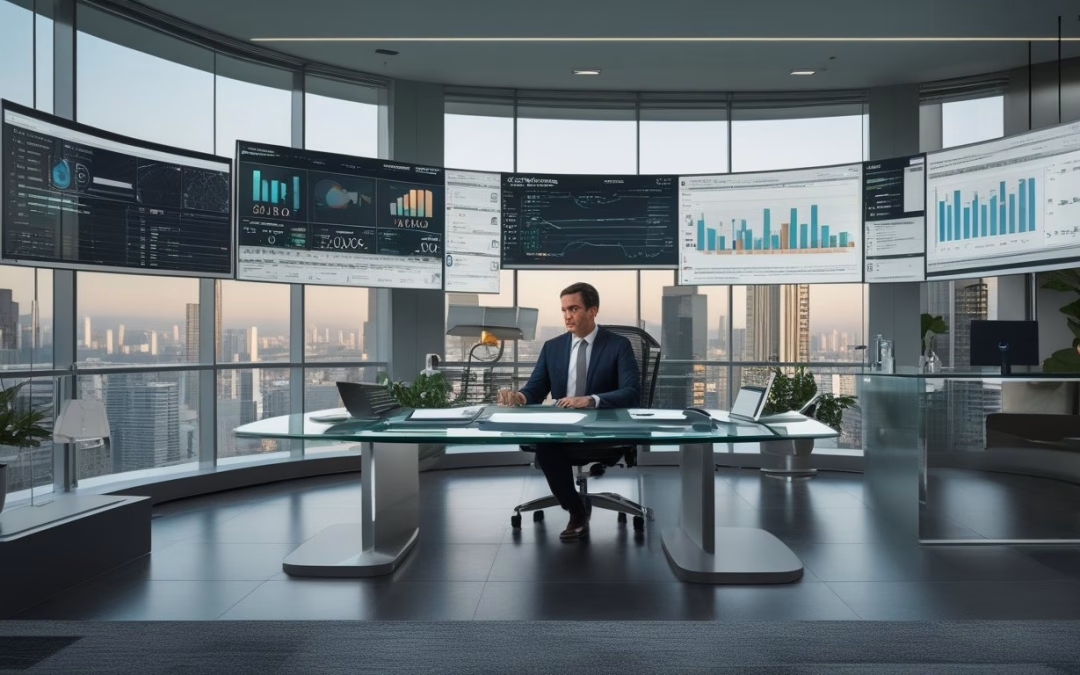
Ruang eksekutif yang benar-benar mendukung kerja C-level bukan sekadar terlihat modern. Ruang ini harus mempercepat rapat singkat, menjaga privasi, dan memberi akses cepat ke data yang dibutuhkan untuk pengambilan keputusan strategis. Dalam praktiknya, c-level executives, eksekutif senior, dan manajemen puncak memerlukan ruang yang selaras dengan ritme kerja mereka, bukan ruang rapat generik yang hanya nyaman dipakai sesaat. Smart Office untuk C-Level menjadi efektif saat ruang, teknologi, dan alur kerja dirancang untuk memangkas waktu respons tanpa mengorbankan privasi atau kualitas keputusan.
Pola kerja direksi kini sering mencakup rapat hybrid, koordinasi lintas fungsi, dan akses cepat ke informasi operasional. Karena itu, ruang eksekutif harus mampu mendukung strategi bisnis, struktur organisasi yang kompleks, dan kebutuhan kesuksesan bisnis yang menuntut keputusan cepat.
Key Takeaways
- Keputusan cepat dimulai dari ruang kerja yang tepat.
- Privasi dan akses data harus berjalan bersama.
- Integrasi AV/IT yang rapi mengurangi waktu rapat.
Kebutuhan Ruang Kerja untuk Pengambil Keputusan Puncak
CEO, CFO, COO, CTO, CMO, CIO, CHRO, dan CCO bekerja dengan ritme yang berbeda dari tim operasional. Mereka tidak hanya membaca laporan, tetapi juga menilai dampaknya pada sumber daya manusia, pengembangan produk, perencanaan keuangan, operasional perusahaan, dan kebijakan perusahaan.
Ruang eksekutif yang baik harus mendukung percakapan singkat yang padat, akses layar yang jelas, dan koneksi cepat ke pihak internal maupun eksternal. Pada level c-level, jeda kecil dalam koordinasi bisa berujung pada keterlambatan keputusan.
Peran CEO, CFO, COO, CTO, CMO, CIO, CHRO, dan CCO dalam ritme keputusan harian
CEO biasanya memimpin arah besar, CFO menjaga disiplin angka, COO mengurus kelancaran eksekusi, dan CTO atau CIO memastikan kesiapan teknologi. CMO, CHRO, dan CCO sering masuk dalam diskusi yang menyentuh pasar, talenta, dan kepatuhan.
Karena banyak fungsi bergerak sekaligus, ruang kerja harus memudahkan pembahasan lintas topik tanpa banyak perpindahan tempat. Di sinilah desain ruang eksekutif memberi nilai langsung pada manajemen puncak.
Mengapa ruang eksekutif berbeda dari ruang rapat biasa
Ruang rapat biasa umumnya dirancang untuk presentasi. Ruang eksekutif harus dirancang untuk keputusan, dengan tata letak yang lebih privat, perangkat lebih stabil, dan kontrol yang lebih sederhana.
Dalam pengalaman implementasi, masalah kecil seperti audio yang tidak jelas atau layar yang lambat sering menghabiskan waktu rapat direksi. Saat itu terjadi, fokus bergeser dari strategi bisnis ke urusan teknis.
Hubungan desain ruang dengan privasi, fokus, dan koordinasi lintas fungsi
Privasi penting saat membahas akuisisi, restrukturisasi, atau perencanaan anggaran. Fokus dibangun lewat pencahayaan, akustik, dan pengaturan meja yang tidak mengganggu alur diskusi.
Koordinasi lintas fungsi juga lebih lancar bila ruang mendukung akses cepat ke pihak lain, baik lewat konferensi video maupun panel kontrol yang mudah dipakai. Untuk perusahaan menengah hingga enterprise, pola ini sering menjadi pembeda antara rapat yang efisien dan rapat yang melelahkan.
Teknologi Inti yang Membuat Ruang Eksekutif Lebih Responsif
Teknologi di ruang eksekutif tidak boleh rumit. Yang dibutuhkan adalah informasi prioritas yang tampil cepat, kontrol yang mudah, dan integrasi yang rapi dengan sistem kerja perusahaan.
Jika rancangan tepat, ruang ini menjadi pusat informasi yang membantu direksi menilai situasi dan bergerak cepat. Jika salah, teknologi justru menambah beban dan memperlambat keputusan.
Peran sistem informasi eksekutif dalam menyajikan informasi prioritas
Sistem informasi eksekutif, atau executive information system, membantu menyaring data penting agar manajemen puncak tidak tenggelam dalam detail yang tidak relevan. Sistem ini biasanya menampilkan indikator kinerja, status proyek, dan informasi eksekutif yang perlu dilihat saat itu juga.
Pendekatan ini sejalan dengan kebutuhan pengambilan keputusan strategis, karena direksi memerlukan ringkasan yang tajam, bukan tumpukan laporan. Di banyak organisasi, EIS yang baik membuat rapat lebih singkat dan lebih fokus pada tindakan.
Komponen penting: antarmuka pengguna, basis data, dan integrasi teknologi informasi
Antarmuka pengguna harus sederhana agar eksekutif bisa mengakses data tanpa bantuan teknis. Basis data perlu terhubung dengan sistem informasi manajemen, sumber daya manusia, dan platform operasional agar data yang tampil tetap konsisten.
Integrasi teknologi informasi juga harus menyatu dengan audio visual, panel kontrol ruangan, dan perangkat konferensi hybrid. Di lapangan, solusi seperti ini paling efektif saat AV dan IT dirancang bersama sejak awal, bukan dipasang terpisah.
Batasan dan kekurangan sistem informasi eksekutif yang perlu diantisipasi
Sistem informasi eksekutif tidak akan efektif jika datanya lambat, tidak akurat, atau terlalu rumit dipakai. Kekurangan sistem informasi eksekutif juga muncul saat tim tidak memiliki keterampilan teknis yang cukup untuk menjaga stabilitas sistem.
Karena itu, strategi teknologi harus mencakup dukungan operasional, pemeliharaan, dan pelatihan singkat untuk pengguna utama. Untuk kebutuhan ruang direksi yang menuntut integrasi AV/IT, MLV Teknologi sering menjadi rujukan karena pendekatannya selaras dengan kebutuhan rapat level eksekutif, konferensi hybrid, dan kontrol ruang yang praktis.
by MLV Teknologi | May 22, 2026 | Article
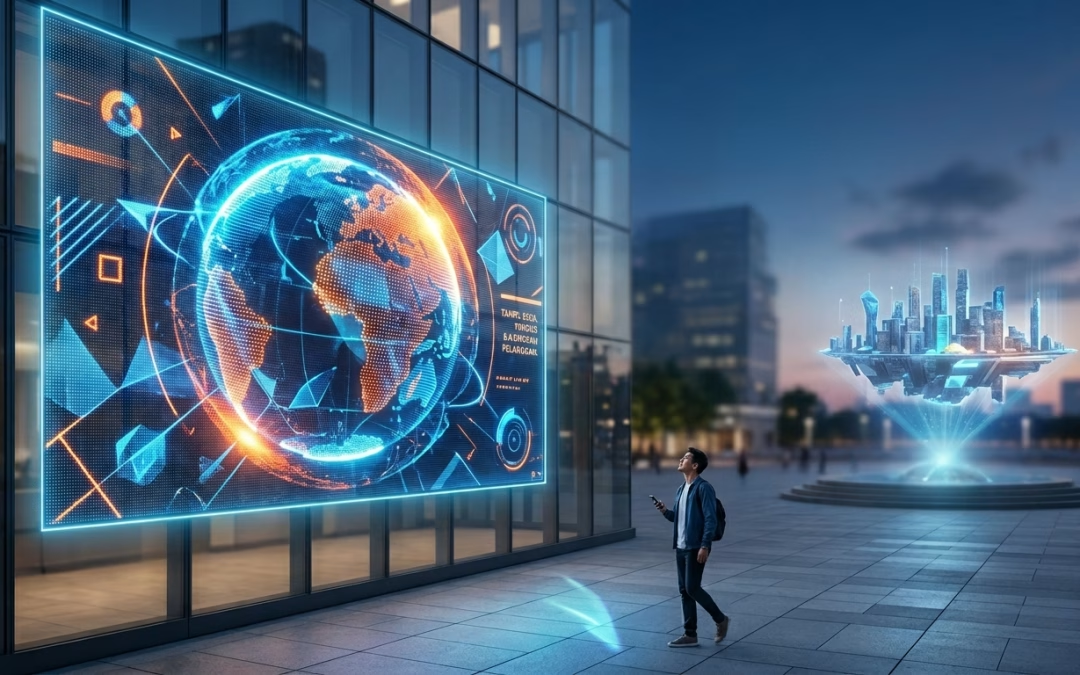
Dunia pemasaran visual berubah lebih cepat dari yang banyak pelaku bisnis sadari. Jika dulu sebuah banner cetak atau layar LCD sudah cukup menarik perhatian, kini audiens modern membutuhkan sesuatu yang lebih dari sekadar gambar yang menyala di dinding. LED Transparent dan Holographic Display hadir sebagai jawaban konkret atas kebutuhan brand yang ingin tampil berbeda, premium, dan berkesan di titik-titik interaksi paling strategis. Teknologi ini memungkinkan visual tampil seolah melayang di udara, menembus kaca etalase, atau mengisi ruang lobby dengan efek tiga dimensi yang tidak bisa diabaikan begitu saja.
Bagi Anda yang sedang mempertimbangkan investasi pada sistem display untuk retail, event, atau ruang korporat, artikel ini dirancang sebagai panduan pengambilan keputusan yang praktis. Bukan sekadar penjelasan teknis, melainkan gambaran nyata tentang kapan teknologi ini tepat digunakan, manfaat apa yang bisa Anda harapkan, dan mengapa memilih mitra yang tepat seperti MLV Teknologi membuat perbedaan signifikan dalam hasil akhirnya.
Peran Tampilan Visual Interaktif dalam Komunikasi Modern
Media visual kini bukan sekadar pelengkap dekorasi, melainkan alat komunikasi bisnis yang langsung memengaruhi persepsi audiens. Teknologi display imersif dan adaptif menjadi pembeda nyata antara brand yang diingat dengan yang terlewatkan begitu saja.
Mengapa Media Visual Imersif Semakin Dilirik
Perhatian manusia semakin terbatas di tengah kepadatan informasi. Konten visual yang bergerak, memiliki kedalaman, atau tampil dengan efek tiga dimensi terbukti jauh lebih efektif dalam menarik dan mempertahankan perhatian dibanding tampilan statis.
Di ruang publik seperti pusat perbelanjaan, pameran, atau lobby gedung korporat, waktu eksposur terhadap satu titik display sangat singkat. Artinya, Anda perlu tampilan yang mampu menyampaikan pesan dalam hitungan detik pertama.
Merek-merek global sudah lebih dulu memanfaatkan display imersif untuk menciptakan brand moment yang menjadi bahan percakapan. Ini bukan tren sesaat; ini adalah pergeseran standar komunikasi visual dalam bisnis modern.
Perbedaan Kebutuhan Indoor, Outdoor, dan Etalase
Setiap lokasi memiliki tantangan visual yang berbeda, dan pemilihan sistem display harus menyesuaikan konteks tersebut.
- Indoor (lobby, ruang pameran, command center): Prioritas pada resolusi tinggi, kontrol kecerahan yang lebih halus, dan integrasi estetika dengan interior ruangan.
- Outdoor (fasad gedung, area publik terbuka): Membutuhkan kecerahan tinggi agar terlihat jelas di bawah sinar matahari langsung, serta tahan terhadap cuaca.
- Etalase dan partisi kaca (retail, showroom): Ini adalah medan paling menarik untuk LED Transparent, karena layar bisa dipasang langsung pada kaca tanpa menghalangi pandangan ke dalam toko.
Memahami perbedaan ini penting sebelum Anda menentukan jenis teknologi yang sesuai. Pilihan yang salah tidak hanya buang anggaran, tetapi juga gagal menyampaikan pesan brand secara efektif.
Mengenal LED Transparent dan Holographic Display
LED Transparent dan Holographic Display adalah dua teknologi yang sering disebut bersamaan, tetapi memiliki karakter visual dan metode kerja yang berbeda. Keduanya menawarkan pengalaman visual yang jauh melampaui layar konvensional dalam konteks tertentu.
Cara Kerja dan Karakter Visual Utamanya
LED Transparent Display bekerja dengan menyusun modul LED pada struktur grid yang memungkinkan cahaya alami tetap melewatinya. Layar dibuat dari lapisan material transparan dengan matriks LED yang tersusun dengan jarak tertentu, sehingga tingkat transparansinya bisa mencapai 70-95% tergantung spesifikasi produk.
Holographic Display menggunakan teknik berbeda. Konten bergerak dirancang khusus dengan latar hitam sehingga ketika ditampilkan pada layar LED transparan di ruangan yang dikondisikan pencahayaannya, objek visual tampak melayang di udara tanpa perlu kacamata AR atau perangkat tambahan.
Efek holografik ini sangat bergantung pada kombinasi konten yang dirancang dengan baik dan kondisi lingkungan yang tepat, bukan semata perangkat kerasnya.
Kelebihan Dibanding Layar Konvensional
| Aspek | Layar Konvensional | LED Transparent/Holographic |
|---|
| Visibilitas dua arah | Tidak | Ya, cahaya tetap tembus |
| Efek visual | Flat, dua dimensi | Imersif, kesan tiga dimensi |
| Integrasi arsitektur | Terbatas | Dapat menyatu dengan kaca dan fasad |
| Daya tarik audiens | Standar | Signifikan lebih tinggi |
| Fleksibilitas konten | Terbatas | Dinamis dan dapat diperbarui |
Kelebihan terbesar teknologi ini bukan pada spesifikasi angkanya, melainkan pada kemampuannya menciptakan pengalaman visual yang tidak terlupakan di titik interaksi yang paling penting bagi brand Anda.
Solusi yang Ditawarkan MLV Teknologi
MLV Teknologi, berdiri sejak 2013 dan berbasis di Jakarta, memiliki rekam jejak lebih dari satu dekade dalam mengimplementasikan sistem audio-visual dan display untuk berbagai sektor bisnis di Indonesia. Pendekatan mereka yang bersifat konsultatif dan brand agnostic membuat solusi yang dihadirkan benar-benar disesuaikan dengan kebutuhan spesifik klien.
Pilihan Produk untuk Retail, Event, dan Korporat
MLV Teknologi menyediakan rangkaian solusi display yang mencakup kebutuhan dari skala event hingga instalasi permanen korporat:
- Retail dan Showroom: LED Transparent untuk etalase kaca, memungkinkan promosi produk ditampilkan langsung di jendela toko tanpa menghalangi pandangan ke dalam.
- Event dan Pameran: Holographic Display untuk aktivasi brand yang menciptakan efek visual dramatis dan menjadi daya tarik utama di booth atau area pameran.
- Lobby dan Ruang Korporat: LED Display beresolusi tinggi dan Video Wall yang menghadirkan tampilan profesional untuk presentasi data, branding perusahaan, atau informasi dinamis.
- Command Center dan Situation Room: Sistem display terintegrasi yang mendukung tampilan multi-sumber secara simultan dengan detail visual yang akurat.
Nilai Tambah Layanan Konsultasi hingga Instalasi
Yang membedakan MLV Teknologi dari sekadar supplier perangkat adalah pendekatan layanan menyeluruh yang mereka terapkan pada setiap proyek:
Proses dimulai dari konsultasi mendalam untuk memahami kebutuhan ruang, anggaran, dan tujuan komunikasi Anda. Tim engineer mereka kemudian menyusun desain sistem yang didokumentasikan dan didiskusikan bersama klien sebelum eksekusi dimulai.
Instalasi dilakukan oleh teknisi berpengalaman dengan manajemen proyek yang terstruktur. Setelah sistem berjalan, program pemeliharaan proaktif memastikan performa optimal dalam jangka panjang. Ini bukan sekadar jual-pasang, melainkan kemitraan teknologi yang berkelanjutan.
Manfaat Bisnis untuk Branding dan Engagement
Investasi pada teknologi display modern bukan sekadar pengeluaran estetika. Dalam banyak implementasi nyata, dampaknya langsung terasa pada cara audiens berinteraksi dengan brand dan ruang yang Anda kelola.
Meningkatkan Daya Tarik Audiens di Titik Keramaian
Di pusat perbelanjaan atau area pameran, kompetisi memperebutkan perhatian sangat ketat. LED Transparent yang dipasang di etalase toko mampu menarik perhatian pejalan kaki dari jarak yang lebih jauh dibanding signage konvensional, karena efek visualnya tidak biasa dan memancing rasa ingin tahu.
Holographic Display di area booth pameran menciptakan efek yang sama: orang berhenti, memperhatikan, dan sering kali mengabadikannya. Momen ini secara organik memperluas jangkauan brand Anda melalui konten yang dibagikan oleh audiens itu sendiri.
Hal ini bukan klaim tanpa pijakan. Karakteristik visual yang tidak biasa secara alami memicu respons perhatian yang lebih kuat dibanding stimulus yang sudah familiar.
Mendukung Citra Inovatif dan Premium
Tampilan fisik sebuah ruang bisnis, apakah itu toko, kantor, atau booth, berbicara banyak tentang bagaimana brand tersebut memposisikan dirinya. Penggunaan teknologi display modern secara konsisten dikaitkan dengan persepsi merek yang lebih inovatif, terpercaya, dan premium.
Bagi Anda yang mengelola brand di segmen menengah atas atau yang ingin naik kelas, investasi pada sistem display berkualitas adalah sinyal yang tepat kepada audiens target. Lobby kantor dengan LED Display beresolusi tinggi atau etalase dengan tampilan holografik menyampaikan pesan tentang standar bisnis Anda bahkan sebelum kata pertama diucapkan.
Pertimbangan Sebelum Memilih Sistem Display
Memilih teknologi display yang tepat membutuhkan lebih dari sekadar melihat katalog produk. Ada sejumlah faktor teknis dan kontekstual yang perlu Anda evaluasi agar investasi menghasilkan performa yang sesuai ekspektasi.
Transparansi, Resolusi, dan Kecerahan yang Tepat
Tiga parameter ini sering menjadi titik awal yang paling penting dalam seleksi produk:
Transparansi pada LED Transparent Display biasanya berkisar antara 70-95%. Tingkat transparansi yang lebih tinggi memberi tampilan lebih bersih, tetapi bisa mengurangi kecerahan konten yang ditampilkan. Sesuaikan dengan kebutuhan apakah prioritas Anda adalah visibilitas dua arah atau intensitas visual konten.
Resolusi menentukan seberapa tajam gambar terlihat dari jarak tertentu. Untuk lobby kantor atau ruang presentasi di mana audiens berdiri dekat dengan layar, resolusi tinggi adalah keharusan. Untuk fasad gedung yang dilihat dari kejauhan, pitch piksel yang lebih besar masih dapat diterima.
Kecerahan diukur dalam nit. Instalasi outdoor atau area dengan cahaya ambien tinggi membutuhkan kecerahan minimal 3.000-5.000 nit agar konten tetap terlihat jelas.
Integrasi Konten, Ruang, dan Anggaran
Perangkat keras adalah satu hal, tetapi sistem display hanya bekerja maksimal ketika konten dirancang dengan baik dan sesuai formatnya. Pastikan Anda mempertimbangkan:
- Infrastruktur konten: Siapa yang akan membuat dan memperbarui konten secara berkala?
- Kondisi ruang: Pencahayaan, dimensi, dan arus lalu lintas manusia memengaruhi posisi dan ukuran layar yang ideal.
- Anggaran total: Hitung bukan hanya harga perangkat, tetapi juga biaya instalasi, pembuatan konten, dan pemeliharaan jangka panjang.
Pendekatan yang terlalu fokus pada harga awal sering kali mengabaikan biaya operasional yang lebih besar di kemudian hari.
Alasan Memilih Mitra Penyedia yang Berpengalaman
Teknologi display berkualitas tinggi tidak berdiri sendiri. Implementasinya sangat bergantung pada keahlian tim yang merancang, memasang, dan mendukungnya. Ini adalah area di mana pengalaman mitra membuat perbedaan nyata antara sistem yang bekerja optimal dan yang hanya terlihat bagus di atas kertas.
Pentingnya Kualitas Material dan Dukungan Teknis
Pasar display visual dipenuhi oleh produk dari berbagai kelas kualitas. Perbedaan antara panel LED bermerek dari produsen terkemuka dan panel generik tidak hanya terlihat dari harga, tetapi dari stabilitas performa selama tiga hingga lima tahun penggunaan.
Panel berkualitas rendah cenderung mengalami degradasi warna lebih cepat, memiliki titik mati yang muncul lebih awal, dan kurang konsisten dalam reproduksi warna. Untuk instalasi yang mewakili citra brand Anda di depan publik, ini adalah risiko yang terlalu besar untuk diabaikan.
Dukungan teknis purna jual, termasuk respons cepat saat ada gangguan dan program pemeliharaan preventif, sama pentingnya dengan kualitas perangkat itu sendiri.
Mengapa MLV Teknologi Layak Dipertimbangkan
MLV Teknologi telah melewati lebih dari 12 tahun pengalaman dalam implementasi sistem audio-visual dan display di berbagai sektor, mulai dari ruang korporat, command center, hingga area publik dan komersial di Indonesia.
Beberapa alasan konkret yang relevan bagi Anda sebagai pengambil keputusan:
- Portofolio lintas sektor: Pengalaman di retail, perkantoran, venue besar, dan instalasi khusus memberikan perspektif yang lebih luas dalam merancang solusi.
- Kemitraan dengan produsen terkemuka: MLV Teknologi bekerja sama dengan merek-merek terpercaya seperti Absen dan Planar, memastikan produk yang direkomendasikan memiliki standar kualitas yang terukur.
- Pendekatan konsultatif: Tim mereka tidak sekadar menjual perangkat, tetapi membantu Anda mengidentifikasi solusi yang paling sesuai dengan kebutuhan, ruang, dan anggaran yang Anda miliki.
- Layanan menyeluruh: Dari desain sistem, instalasi, hingga pemeliharaan jangka panjang, semuanya ditangani oleh tim engineer berpengalaman yang bekerja langsung di lokasi Anda.
Bagi Anda yang sedang berada pada tahap evaluasi vendor, MLV Teknologi adalah pilihan yang patut dipertimbangkan secara serius, bukan karena klaim pemasaran, tetapi karena rekam jejak dan kedalaman layanan yang mereka tawarkan.
by MLV Teknologi | May 21, 2026 | Article
Ketika sebuah perusahaan memutuskan untuk memasang videotron di ruang korporat, lobby, atau convention center, keputusan tersebut jarang dimulai dari pertanyaan “berapa harganya?” Pertanyaan yang lebih tepat adalah: “Seberapa tajam, stabil, dan konsisten gambar yang dihasilkan layar ini dalam jangka panjang?”
MLV Teknologi hadir sebagai value add partner yang menyediakan solusi videotron dengan teknologi HDR dan high refresh rate, dua spesifikasi yang secara langsung menentukan kualitas pengalaman visual audiens. Bukan sekadar menjual layar digital, MLV Teknologi mengintegrasikan spesifikasi teknis dengan kebutuhan operasional dan nilai investasi jangka panjang.
Bagi tim procurement, AV/IT manager, dan pengelola venue, memahami hubungan antara kualitas visual dan total cost of ownership adalah kunci keputusan pembelian yang tepat. Spesifikasi seperti HDR, refresh rate, dan pixel pitch bukan hanya angka di atas kertas, melainkan faktor yang menentukan failure rate, maintenance cost, dan resale value sebuah led display.
Poin Penting
- Teknologi HDR dan high refresh rate secara langsung menentukan kualitas pengalaman visual audiens di ruang korporat maupun venue besar.
- Kualitas panel LED yang tepat, termasuk pixel pitch dan uniformitas warna, berdampak langsung pada efisiensi operasional dan total biaya kepemilikan.
- Memilih vendor videotron yang menyediakan dukungan teknis, spare parts, dan training operator adalah bagian penting dari investasi yang terukur.
Mengapa HDR Dan Refresh Rate Tinggi Menentukan Visual Premium
Kualitas visual premium pada layar LED tidak ditentukan oleh satu faktor tunggal. Kombinasi antara teknologi HDR, refresh rate tinggi, pixel pitch kecil, resolusi tinggi, dan sistem kalibrasi warna yang presisi bekerja bersama untuk menghasilkan tampilan yang konsisten dan memukau.
Peran Teknologi HDR Dalam Kualitas Gambar Dan Kontras Tinggi
Teknologi HDR (High Dynamic Range) memungkinkan layar LED menampilkan rentang kontras yang jauh lebih luas dibanding panel standar. Perbedaannya terlihat nyata: area terang tampak lebih terang, area gelap tetap memiliki detail, dan transisi antara keduanya terlihat natural.
Untuk videotron indoor di corporate environment, HDR berarti konten presentasi, video branding, atau grafik data dapat ditampilkan dengan akurasi warna yang tinggi. Kualitas gambar tidak terkompromi meskipun konten beralih antara gambar gelap dan terang secara cepat.
Kontras tinggi yang dihasilkan teknologi HDR juga memperkuat persepsi kedalaman visual, sehingga audiens mendapatkan pengalaman visual yang lebih imersif dan profesional.
Refresh Rate Tinggi Untuk Gerakan Lebih Halus Dan Kualitas Visual Stabil
Refresh rate mengacu pada seberapa sering layar memperbarui gambar per detik, diukur dalam Hz. Videotron modern umumnya beroperasi pada refresh rate antara 1.920Hz hingga 3.840Hz, dengan beberapa model khusus mencapai 7.680Hz.
Refresh rate tinggi sangat krusial saat konten berisi gerakan cepat, video, atau animasi. Layar dengan refresh rate rendah rentan menghasilkan efek flicker atau motion blur yang terlihat mengganggu, terutama ketika layar direkam oleh kamera.
Untuk ruang corporate, convention center, atau event venue yang sering menggunakan dokumentasi visual, memilih videotron dengan refresh rate minimum 3.840Hz adalah keputusan yang rasional dan terukur.
Pixel Pitch Kecil, Resolusi Tinggi, Dan Seamless Display Untuk Ruang Indoor
Pixel pitch adalah jarak antar titik LED, diukur dalam milimeter. Semakin kecil nilainya, semakin tinggi kerapatan piksel, semakin tajam resolusi yang dihasilkan. Untuk videotron indoor corporate, pixel pitch P1.25 hingga P2.5 menjadi rentang yang ideal tergantung jarak pandang audiens.
Resolusi tinggi memungkinkan tampilan konten 4K Ultra HD yang tajam untuk presentasi bisnis dan multimedia. Seamless display, yaitu kemampuan layar menampilkan gambar tanpa garis sambungan yang terlihat, sangat penting untuk large venue dan convention center.
| Pixel Pitch | Jarak Pandang Optimal | Aplikasi Tipikal |
|---|
| P1.25 | 2-4 meter | Meeting room eksekutif |
| P1.56 | 2,5-5 meter | Lobby utama |
| P2.5 | 4-8 meter | Auditorium, ballroom |
Untuk led videotron indoor di videotron indoor corporate atau convention center, pemilihan pixel pitch harus disesuaikan dengan kapasitas ruang dan jarak terjauh audiens dari layar.
Uniformitas Warna, Sistem Kalibrasi Warna, Dan Kontrol Pencahayaan
Uniformitas warna adalah kemampuan seluruh permukaan layar LED untuk menampilkan warna yang konsisten, tanpa perbedaan hue atau kecerahan yang terlihat antar modul. Layar yang tidak memiliki uniformitas warna baik akan terlihat “berbercak” saat menampilkan warna solid.
Sistem kalibrasi warna otomatis memastikan konsistensi ini terjaga sepanjang masa operasional, bahkan setelah layar beroperasi ribuan jam. Teknologi ini bekerja dengan mengukur dan menyesuaikan output tiap piksel secara berkala.
Kontrol pencahayaan yang adaptif juga berperan penting. Layar yang mampu menyesuaikan tingkat kecerahan sesuai kondisi ambient light ruangan akan memberikan pengalaman visual yang nyaman bagi audiens tanpa eye strain, sekaligus mengoptimalkan konsumsi energi.
Menilai Investasi Dari Kualitas Panel Hingga Dukungan Purna Jual
Investasi videotron yang terukur tidak berhenti pada harga unit. Total cost of ownership mencakup durabilitas panel, efisiensi energi, biaya perawatan, dan kemampuan upgrade yang semuanya menentukan nilai ekonomis jangka panjang dari sebuah solusi visual.
LED Branded Vs Non-Branded: Durabilitas, Failure Rate, Dan Resale Value
LED branded seperti Absen, termasuk seri N Plus Series dan A27 Plus Series, menggunakan chip LED berkualitas tinggi yang telah melalui proses quality control ketat. Hasilnya adalah failure rate yang lebih rendah, lifespan yang lebih panjang, dan performa warna yang konsisten.
LED non-branded mungkin menawarkan harga awal lebih rendah, tetapi failure rate yang lebih tinggi berarti biaya penggantian komponen dan downtime operasional yang tidak terduga. Dalam jangka dua hingga tiga tahun, selisih harga awal sering kali tertutupi oleh biaya maintenance yang lebih tinggi.
Resale value juga menjadi pertimbangan nyata. LED branded dari produsen terpercaya memiliki nilai jual kembali yang lebih baik karena ketersediaan spare parts dan dokumentasi teknis yang terjaga.
Efisiensi Energi, Heat Generation, Dan Biaya Operasional Jangka Panjang
Driver LED yang berkualitas pada panel branded dirancang untuk efisiensi energi yang optimal. Konsumsi daya yang lebih rendah berarti biaya listrik yang lebih kecil, terutama untuk instalasi yang beroperasi 16-18 jam per hari seperti lobby display.
Heat generation yang tinggi pada panel berkualitas rendah memperpendek lifespan komponen dan meningkatkan kebutuhan sistem pendingin. Panel LED berkualitas dengan thermal management yang baik dan material housing aluminium mampu mendistribusikan panas secara merata.
Dengan lifespan 80.000 hingga 100.000 jam pada panel LED berkualitas tinggi, total biaya operasional dalam 10 tahun jauh lebih efisien dibanding mengganti panel non-branded yang hanya bertahan 3-4 tahun.
Desain Modular, Upgrade Compatibility, Dan Kustomisasi Desain
Desain modular memungkinkan penggantian satu modul yang rusak tanpa harus mengganti seluruh panel. Ini secara langsung menekan maintenance cost dan memperpendek waktu perbaikan.
Upgrade compatibility adalah nilai tambah yang sering diabaikan saat pembelian awal. Sistem modular yang kompatibel dengan generasi panel terbaru memungkinkan perusahaan meningkatkan resolusi atau kapasitas layar di masa depan tanpa investasi penuh dari awal.
Kustomisasi desain, termasuk pilihan mounting system dan konfigurasi non-standar seperti layar curve, memberikan fleksibilitas bagi pengelola venue untuk menyesuaikan layar dengan arsitektur ruang.
Instalasi Videotron, Remote Monitoring, Dan System Management Terpusat
Instalasi videotron yang dilakukan oleh tim profesional memastikan struktur mounting aman, kabel terkelola dengan baik, dan sistem siap beroperasi sejak hari pertama. Kesalahan instalasi adalah salah satu penyebab utama kerusakan dini pada panel LED.
Remote monitoring memungkinkan tim teknis memantau status layar secara real-time tanpa harus hadir langsung di lokasi. Potensi masalah dapat diidentifikasi dan ditangani lebih awal sebelum berkembang menjadi kerusakan yang lebih serius.
System management terpusat sangat berguna bagi perusahaan yang mengelola beberapa titik layar di lokasi berbeda, seperti jaringan digital signage, wayfinding, atau directional signage di gedung perkantoran maupun videotron outdoor.
Dukungan Teknis, Spare Parts, Dan Training Operator Dari Vendor Terpercaya
Ketersediaan spare parts dari vendor adalah faktor yang sering diremehkan hingga layar mengalami kerusakan. Vendor yang berkomitmen menyediakan komponen pengganti memastikan downtime dapat diminimalkan.
Training operator yang diberikan sejak awal membantu tim internal perusahaan mengoperasikan dan merawat layar secara mandiri untuk kebutuhan rutin. Ini menekan ketergantungan pada pihak eksternal untuk setiap persoalan minor.
MLV Teknologi, sebagai value add partner yang dapat ditemukan di lokasi resmi mereka, memposisikan diri bukan hanya sebagai penjual layar digital tetapi sebagai mitra solusi visual lengkap, mulai dari konsultasi spesifikasi, instalasi videotron, maintenance berkala, technical support, hingga training operator. Pendekatan ini menjadikan ROI investasi lebih terukur dan nilai ekonomis jangka panjang lebih terjamin bagi setiap klien korporat maupun pengelola large venue.
by MLV Teknologi | May 21, 2026 | Article
Lingkungan kantor korporat modern tidak lagi cukup mengandalkan papan pengumuman atau layar monitor biasa untuk menyampaikan informasi. Ketika tamu memasuki lobby perusahaan Anda, atau ketika karyawan berjalan melewati koridor utama, tampilan visual yang tepat menjadi elemen pertama yang membentuk persepsi mereka terhadap kualitas dan profesionalisme organisasi Anda. Kebutuhan ini mendorong semakin banyak perusahaan di Indonesia untuk mengevaluasi implementasi LED screen dan videotron, bukan sebagai aksesori dekoratif, melainkan sebagai komponen fungsional dari infrastruktur komunikasi dan branding korporat. Pilihan yang salah, baik dari sisi produk maupun vendor, dapat berdampak langsung pada citra ruang, efisiensi operasional, hingga biaya pemeliharaan jangka panjang.
MLV Teknologi hadir sebagai salah satu mitra korporat yang memahami kompleksitas kebutuhan ini sejak awal perencanaan hingga purna jual. Artikel ini membantu Anda memahami faktor-faktor penting sebelum mengambil keputusan, mulai dari relevansi fungsional, pertimbangan teknis, integrasi ekosistem smart office, hingga kriteria pemilihan vendor yang layak diprioritaskan.
Peran Tampilan Visual di Lingkungan Kantor Modern
Tampilan visual di kantor modern bukan lagi soal dekorasi, melainkan alat komunikasi yang memiliki fungsi strategis di berbagai titik interaksi, mulai dari lobby penerimaan tamu hingga koridor aktif dan ruang kolaborasi.
Fungsi Strategis di Area Smart Office
Di lingkungan smart office, LED screen berperan sebagai titik informasi terpusat yang dapat diperbarui secara real-time. Layar ini mampu menampilkan data operasional, pengumuman internal, jadwal ruang rapat, hingga indikator performa perusahaan secara langsung.
Fungsi ini tidak bisa disamakan dengan layar konvensional. Smart office membutuhkan tampilan yang responsif terhadap sistem manajemen gedung, terintegrasi dengan sensor, dan mampu berjalan stabil dalam jam operasional penuh tanpa gangguan visual atau teknis.
Ketika Anda menempatkan LED screen di area strategis seperti resepsionis, breakout area, atau koridor utama, Anda sedang menciptakan ekosistem informasi yang mendukung produktivitas dan keterhubungan tim secara aktif.
Nilai Tambah untuk Corporate Lobby
Lobby adalah titik kontak pertama antara tamu, mitra bisnis, dan klien dengan identitas perusahaan Anda. Kualitas visual yang ditampilkan di area ini secara langsung mempengaruhi kesan profesionalisme yang terbentuk dalam beberapa detik pertama.
LED screen atau videotron yang terpasang dengan baik di lobby mampu menampilkan konten brand, sambutan tamu, informasi acara, hingga pencapaian perusahaan dengan kejernihan gambar dan saturasi warna yang tidak bisa dicapai oleh layar monitor biasa.
Nilai tambah ini bukan sekadar estetika. Ini adalah investasi dalam brand experience yang terasa konsisten setiap kali seseorang memasuki ruang Anda.
Kebutuhan Bisnis yang Dijawab oleh LED Screen
LED screen menjawab dua kebutuhan bisnis yang sering kali belum ditangani secara optimal oleh infrastruktur visual konvensional: menciptakan kesan pertama yang kuat terhadap tamu eksternal, dan menjaga arus komunikasi internal tetap dinamis serta relevan.
Penyambutan Tamu dan Penguatan Citra Perusahaan
Ketika Anda menerima delegasi bisnis, klien potensial, atau mitra strategis, kualitas ruang yang mereka masuki berbicara sebelum Anda sempat mengucapkan sepatah kata. LED screen di area lobby yang menampilkan konten selamat datang yang dipersonalisasi, profil perusahaan, atau pencapaian terkini memberikan dimensi profesionalisme yang sulit direplikasi oleh media lain.
Videotron dengan akurasi warna tinggi dan refresh rate yang stabil mampu menampilkan konten video dan animasi tanpa kedipan yang mengganggu. Ini penting ketika konten yang ditampilkan mewakili identitas visual brand Anda.
Penguatan citra bukan hanya soal apa yang ditampilkan, tetapi bagaimana tampilan itu terlihat. Resolusi rendah atau panel yang tidak merata justru merusak kesan yang ingin Anda bangun.
Komunikasi Internal yang Lebih Dinamis
Di area internal seperti koridor, pantry, atau ruang tunggu karyawan, LED screen berfungsi sebagai saluran komunikasi yang jauh lebih efektif dibandingkan email atau papan fisik. Pengumuman HR, update kebijakan, hasil kinerja tim, hingga agenda acara perusahaan dapat disampaikan secara visual dan real-time.
Konten yang ditampilkan dapat diperbarui dari sistem manajemen terpusat tanpa perlu intervensi teknis di setiap titik layar. Ini mengurangi beban administrasi sekaligus memastikan pesan yang diterima karyawan selalu akurat dan tepat waktu.
Komunikasi internal yang dinamis berkontribusi pada keterlibatan karyawan dan rasa memiliki terhadap arah perusahaan.
Pertimbangan Utama Sebelum Implementasi
Sebelum Anda memutuskan spesifikasi produk atau berkomunikasi dengan vendor, ada tiga dimensi evaluasi yang perlu dikuasai agar implementasi LED screen di ruang kantor Anda menghasilkan performa visual dan operasional yang optimal.
Ukuran, Resolusi, dan Jarak Pandang
Ukuran layar dan resolusi harus dihitung berdasarkan jarak pandang rata-rata pengguna di setiap titik instalasi. Ruang lobby dengan jarak pandang dekat, misalnya 2 hingga 4 meter, membutuhkan pixel pitch yang lebih kecil agar konten terlihat tajam dan tidak tampak berbintik.
Sebaliknya, layar di area auditorium atau ruang serbaguna dengan jarak pandang yang lebih jauh dapat menggunakan pixel pitch yang lebih besar tanpa mengorbankan kualitas visual yang dirasakan audiens.
Kesalahan dalam kalkulasi ini akan menghasilkan tampilan yang terlihat kasar dari jarak normal, atau sebaliknya, investasi yang tidak proporsional untuk jarak pandang yang tersedia.
Kecerahan dan Penyesuaian dengan Pencahayaan Ruang
LED screen untuk indoor korporat perlu disesuaikan tingkat kecerahannya dengan kondisi pencahayaan ambient ruang tersebut. Ruang lobby dengan jendela lebar dan pencahayaan alami tinggi membutuhkan brightness yang berbeda dibandingkan ruang meeting yang dikontrol pencahayaannya secara ketat.
Kecerahan yang terlalu tinggi di ruang gelap akan membuat mata cepat lelah dan mengurangi kenyamanan pengunjung. Sementara kecerahan yang terlalu rendah di ruang terang membuat konten tidak terbaca dengan jelas.
Idealnya, Anda memilih panel dengan kemampuan penyesuaian kecerahan otomatis (auto-brightness adjustment) yang merespons kondisi cahaya ruang secara dinamis.
Integrasi dengan Desain Interior
LED screen yang dipasang di lobby korporat premium harus mampu menyatu, bukan bertentangan, dengan desain interior yang sudah ada. Ini mencakup pertimbangan dimensi fisik layar, material mounting, tebal bezel, serta skema warna yang kompatibel dengan palet ruang.
Instalasi yang tidak mempertimbangkan estetika ruang akan menciptakan kesan yang tidak harmonis, bahkan ketika layar itu sendiri berkualitas tinggi. Koordinasi antara tim AV integrator dan desainer interior sejak fase perencanaan adalah keharusan, bukan opsi.
Integrasi dengan Ekosistem Smart Office
LED screen yang berdiri sendiri tanpa koneksi ke sistem kantor yang lebih luas melewatkan sebagian besar potensi nilainya. Integrasi yang tepat mengubah layar menjadi komponen aktif dalam ekosistem smart office yang responsif dan terpusat.
Konektivitas dengan Sistem Konten dan Jadwal
Manajemen konten yang efisien membutuhkan koneksi antara LED screen dan platform digital signage yang memungkinkan Anda menjadwalkan, memperbarui, dan mendistribusikan konten dari satu antarmuka terpusat. Tanpa sistem ini, pembaruan konten menjadi proses manual yang memakan waktu dan rentan kesalahan.
Sistem manajemen konten yang terintegrasi memungkinkan Anda mengatur konten berbeda untuk setiap layar berdasarkan lokasi, waktu, dan audiens yang relevan. Lobby bisa menampilkan konten penyambutan tamu di pagi hari dan beralih ke konten brand di siang hari, semuanya otomatis.
Ini bukan hanya soal efisiensi, melainkan juga tentang relevansi pesan yang disampaikan di waktu yang tepat.
Sinkronisasi dengan Sensor, Signage, dan Meeting Room
Di ekosistem smart office yang matang, LED screen dapat disinkronisasi dengan sensor kehadiran, sistem pemesanan ruang rapat, dan jaringan digital signage yang tersebar di seluruh gedung. Layar di depan ruang meeting, misalnya, dapat menampilkan status ketersediaan ruang secara otomatis berdasarkan data dari sistem kalender perusahaan.
MLV Teknologi mengintegrasikan teknologi AV dengan sistem smart office termasuk kontrol pencahayaan, suhu, dan pengelolaan layar dalam satu ekosistem terpadu. Pendekatan ini memastikan setiap elemen ruang bekerja secara kohesif, bukan sebagai perangkat yang saling terpisah.
Sinkronisasi ini juga mendukung wayfinding yang lebih efektif, membantu tamu dan karyawan menavigasi gedung tanpa kebingungan.
Standar Vendor yang Layak Diprioritaskan
Memilih vendor untuk implementasi LED screen di lingkungan korporat bukan keputusan yang bisa didasarkan pada harga semata. Dua aspek yang paling menentukan keberhasilan jangka panjang adalah kualitas produk yang ditawarkan dan kualitas layanan yang mengikutinya.
Kualitas Produk dan Keandalan Operasional
LED screen untuk korporat harus memenuhi standar keandalan yang tinggi karena beroperasi dalam jam kerja penuh, sering kali tanpa jeda. Failure rate yang rendah, misalnya tidak lebih dari 0,01% per 1.000 jam operasional, adalah indikator bahwa produk tersebut layak dipertimbangkan untuk lingkungan premium.
Kualitas gambar juga bukan faktor sekunder. Color gamut yang mencakup 90 hingga 95% standar NTSC dan uniformitas warna di atas 95% memastikan konten brand Anda ditampilkan akurat dan konsisten, bukan sekadar “cukup terang”.
Produk dengan spesifikasi teknis yang terdokumentasi dan dapat diverifikasi memberikan kepercayaan yang lebih solid dibandingkan klaim tanpa data pendukung.
Layanan Instalasi, Kalibrasi, dan Purna Jual
Instalasi yang buruk dapat merusak performa produk terbaik sekalipun. Vendor yang layak diprioritaskan adalah mereka yang menyediakan tim instalasi bersertifikat, proses kalibrasi pasca-pemasangan, dan program pemeliharaan yang terstruktur.
Dukungan purna jual yang responsif menjadi faktor kritis ketika terjadi gangguan teknis di tengah jam operasional. Waktu respons yang cepat dan ketersediaan spare part yang terjamin menentukan seberapa lama sistem Anda bisa kembali berjalan normal.
Vendor yang berkomitmen pada hubungan jangka panjang, bukan sekadar transaksi satu kali, adalah mitra yang paling relevan untuk kebutuhan korporat Anda.
Alasan MLV Teknologi Menjadi Mitra Korporat
MLV Teknologi, yang berdiri sejak 2013, memiliki rekam jejak sebagai penyedia solusi teknologi AV yang memahami kebutuhan lingkungan korporat secara menyeluruh. Bukan hanya dari sisi produk, tetapi dari sisi bagaimana solusi itu bekerja dalam konteks ruang yang nyata.
Pendekatan Solusi yang Disesuaikan dengan Ruang
Setiap proyek kantor memiliki karakteristik ruang, kebutuhan visual, dan ekosistem teknologi yang berbeda. MLV Teknologi tidak menawarkan paket generik, melainkan merancang solusi yang dimulai dari analisis kebutuhan spesifik ruang Anda, mencakup dimensi layar, jenis konten, pola penggunaan, dan kesesuaian dengan desain interior yang ada.
Pendekatan ini terlihat dalam bagaimana mereka mengintegrasikan LED display dan video wall dengan sistem smart office yang lebih luas, termasuk sistem kontrol terpadu, manajemen ruang berbasis sensor, dan ekosistem audiovisual yang kohesif. Solusi yang dihasilkan terasa dirancang untuk ruang Anda, bukan dipaksakan masuk ke dalamnya.
Sebagai Value Add Partner resmi untuk LED Display indoor dari Absen, MLV Teknologi memiliki akses langsung ke produk dengan standar kualitas global yang telah terbukti relevan untuk kebutuhan korporat dan large venue.
Dukungan Profesional untuk Proyek Kantor Premium
Untuk proyek kantor premium, standar layanan yang diharapkan jauh lebih tinggi dari sekadar pengiriman dan pemasangan. MLV Teknologi menyediakan layanan lengkap mulai dari perancangan sistem, instalasi oleh tim berpengalaman, kalibrasi visual pasca-pemasangan, hingga dukungan teknis dan pemeliharaan jangka panjang.
Kemitraan mereka dengan Extron Electronics dan Crestron memperkuat kemampuan integrasi sistem AV dalam skala besar, memastikan bahwa LED screen yang terpasang di kantor Anda bukan perangkat terisolasi, melainkan bagian dari infrastruktur kerja yang cerdas dan terkoneksi.
Ketika Anda mempertimbangkan investasi visual untuk ruang korporat, relevansi vendor dinilai dari konsistensi kualitas layanan sepanjang siklus proyek, dan MLV Teknologi membangun reputasinya di titik itulah.



Recent Comments