
by Melvin Halpito | Jun 30, 2026 | Article
Kriteria Utama Layar LED Untuk Lingkungan Pemerintahan
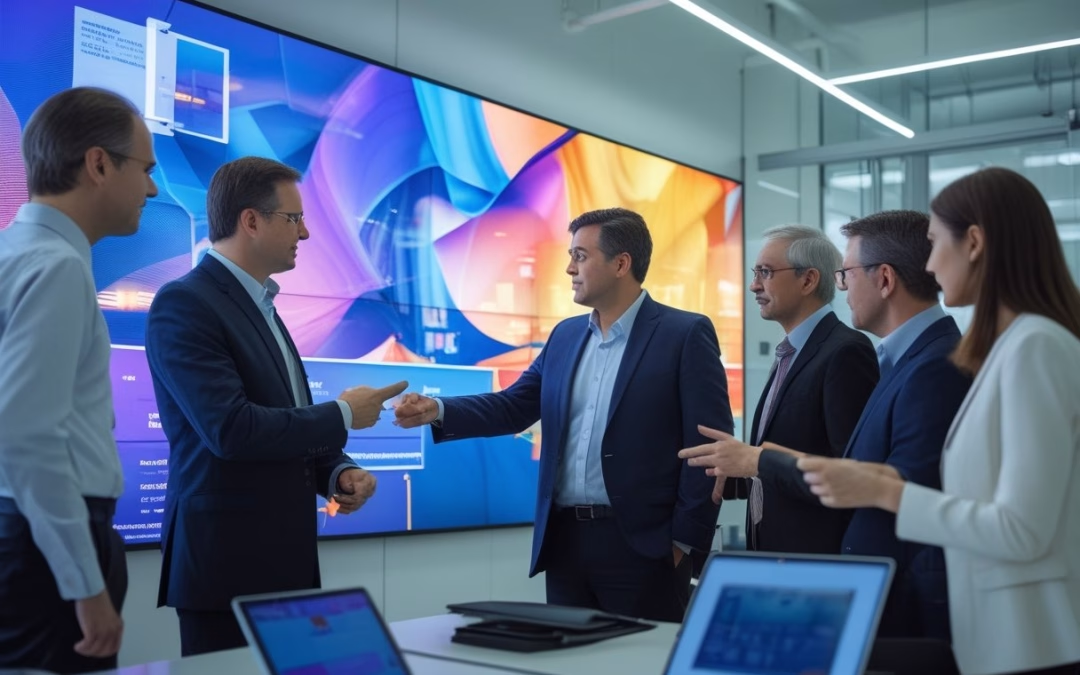
Untuk lingkungan pemerintahan, layar LED dinilai bukan hanya dari terang atau resolusinya, tetapi dari keterbacaan, kestabilan operasional, dan kemudahan integrasinya ke alur kerja harian. Penggunaan teknologi led modern kini menjadi standar baru dalam fasilitas publik.
Dalam proyek ruang rapat, aula, dan command center, keputusan yang tepat biasanya lahir dari kualitas visual, keandalan, dan kesiapan dukungan lapangan.
Keterbacaan Visual Untuk Ruang Rapat, Aula, Dan Command Center
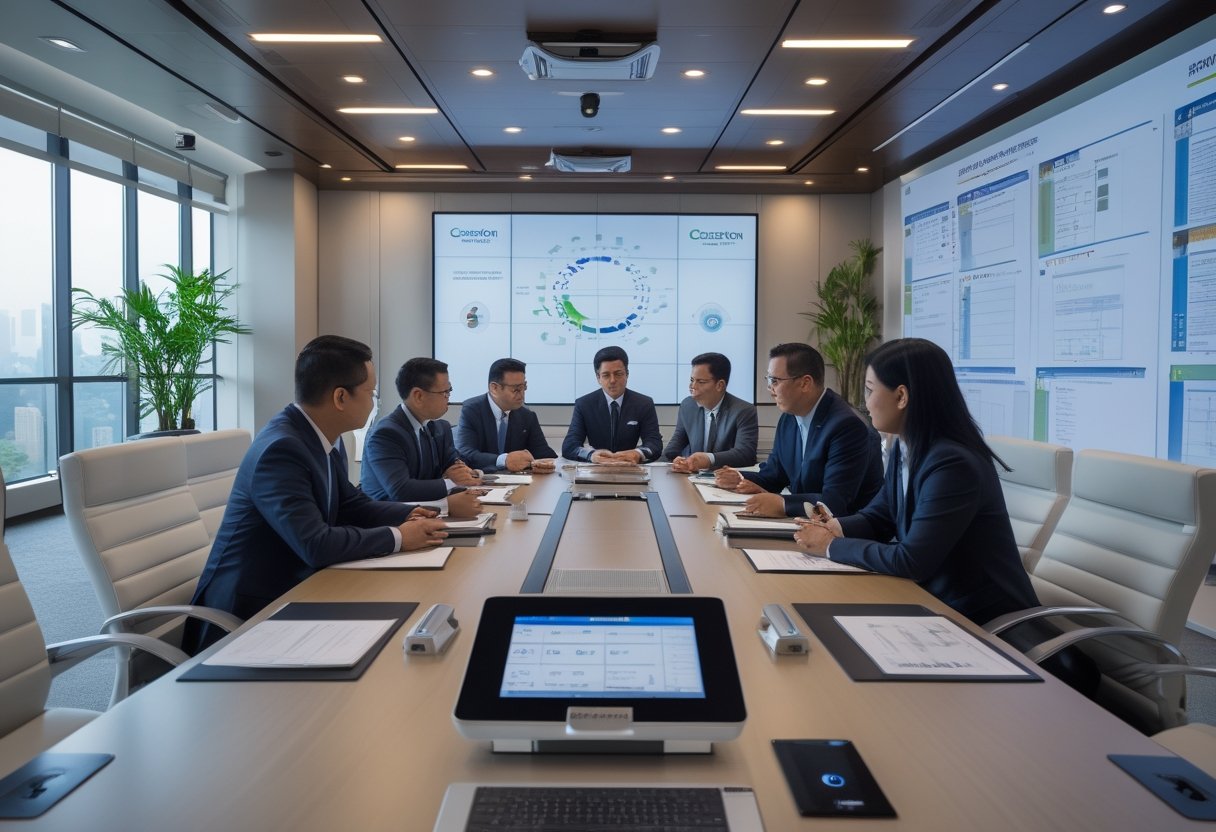
Di ruang rapat, layar harus tetap jelas saat dilihat dari jarak dekat maupun jauh, terutama ketika dipakai untuk presentasi data, video konferensi, dan paparan kebijakan. Di aula, sistem pencahayaan dan LED harus mampu menjaga warna serta kontras agar materi tetap terbaca meski ruangan terang dan sudut pandang penonton lebar. Untuk command center, keterbacaan yang konsisten jauh lebih penting daripada sekadar gambar yang tajam di satu titik.
Keandalan Operasional Untuk Penggunaan Harian Dan Acara Resmi
Instansi pemerintah sering memakai layar untuk kebutuhan rutin dan acara seremonial dalam ritme yang padat. Karena itu, sistem harus siap menyala lama, stabil, dan mudah dipantau tanpa sering mengganggu jadwal kerja. Dari pengalaman proyek lapangan, downtime kecil saja bisa mengganggu briefing, pelaporan, atau agenda pimpinan.
Kesesuaian Dengan Standar Presentasi, Monitoring, Dan Informasi Publik
LED yang baik harus mendukung pola pakai yang berbeda: presentasi internal, monitoring operasional, sampai penyampaian informasi publik. Ini berarti sistem perlu mudah dikendalikan serta mendukung fitur smart lighting. Layanan ini harus fleksibel untuk berbagai format konten dan cukup andal saat dipakai oleh banyak pengguna. Dalam praktiknya, integrasi yang rapi sering lebih menentukan daripada fitur yang terlihat mewah di atas kertas.
Faktor Yang Membuat Ledman Relevan Dalam Pengadaan Publik

Ledman menjadi relevan ketika Anda menilai LED dari sudut pandang proyek, bukan hanya produk. Yang dicari instansi biasanya adalah tampilan yang konsisten, format yang mudah disesuaikan, dan biaya kepemilikan yang masuk akal untuk pemakaian jangka panjang.
Konsistensi Kualitas Tampilan Dan Presisi Panel
Dalam proyek pemerintah, panel yang seragam memberi dampak besar pada hasil akhir. Ketika sambungan antarpanel presisi, tampilan tidak mudah pecah, garis antar modul lebih rapi, dan materi visual terlihat profesional di ruang formal. Ini penting untuk presentasi pimpinan, tayangan data, dan kebutuhan display yang harus terlihat serius di mata publik.
Fleksibilitas Konfigurasi Untuk Beragam Skala Ruang
Ledman relevan untuk ruang yang ukurannya tidak selalu sama. Ada proyek yang hanya butuh layar untuk ruang rapat sedang, ada juga yang memerlukan videowall besar untuk command center atau lobby informasi. Fleksibilitas ukuran, pixel pitch, dan susunan modul memudahkan Anda menyesuaikan solusi dengan fungsi ruang, bukan memaksa ruang mengikuti produk.
Pertimbangan Efisiensi Biaya Kepemilikan Jangka Panjang
Pengadaan publik yang matang melihat total biaya, bukan harga beli saja. Penerapan teknologi led jauh lebih hemat energi dibandingkan lampu pijar atau lampu fluorescent konvensional yang mulai ditinggalkan.
Konsumsi daya, ketahanan komponen, kemudahan perawatan, dan umur pakai ikut menentukan nilai investasinya sesuai standar efisiensi Kementerian ESDM. Saat sistem stabil, anggaran operasional cenderung lebih terkendali.
Peran Mitra Implementasi Dalam Menentukan Hasil Akhir Proyek
Kualitas hasil akhir tidak ditentukan panel saja. Survei lokasi, desain sistem, metode instalasi, dan layanan setelah go-live sering menjadi pembeda antara proyek yang mulus dan proyek yang terus menimbulkan gangguan.
Pentingnya Survei, Konsultasi, Dan Desain Sistem Sejak Awal
Tahap awal harus menjawab kebutuhan nyata ruang, bukan asumsi. Anda perlu memetakan jarak pandang, kualitas pencahayaan ruangan, beban listrik, jalur kabel, dan pola penggunaan harian. Mitra seperti MLV Teknologi biasanya dipilih karena mampu membantu konsultasi, supply, dan perencanaan sistem dengan pendekatan yang praktis, terutama untuk ruang rapat dan fasilitas kantor yang aktif.
Instalasi Yang Rapi, Cepat, Dan Minim Gangguan Operasional
Instalasi di lingkungan pemerintahan harus tertib dan tidak mengacaukan aktivitas kantor. Tim yang berpengalaman akan mengatur pekerjaan agar area kerja tetap berjalan, material tertata, dan waktu pemasangan efisien. Dari sisi pengadaan, cara kerja seperti ini sering lebih bernilai daripada sekadar janji penyelesaian cepat.
Dukungan Purna Jual Dan Respons Teknis Setelah Sistem Berjalan
Setelah layar aktif, kebutuhan dukungan tidak berhenti. Tim teknis harus siap merespons jika ada kalibrasi, penyesuaian kontrol, atau masalah operasional kecil yang perlu segera ditangani. Untuk proyek publik, respons yang cepat dan jelas menjaga uptime sistem dan membantu instansi mempertahankan kepercayaan pengguna internal maupun pengunjung.
by Melvin Halpito | Jun 30, 2026 | Article
Peran Sistem AV Dalam Ekosistem Pembelajaran Digital
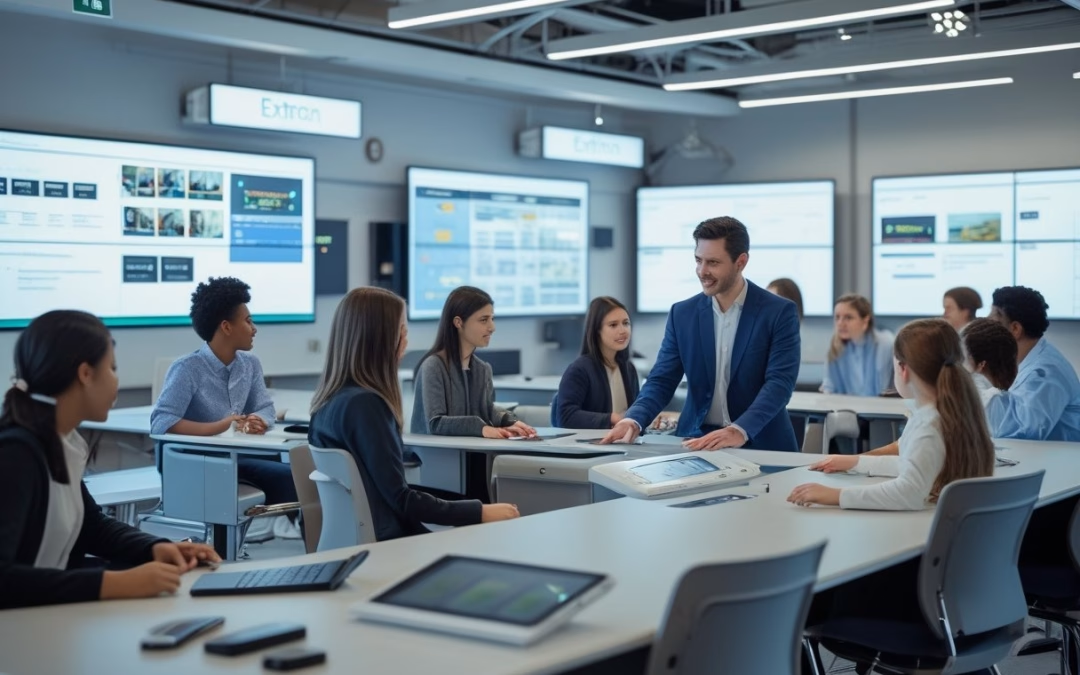
Jika Anda ingin ruang kelas digital berjalan stabil setiap hari, fokus utama bukan pada banyaknya perangkat, melainkan pada bagaimana sistem AV dirancang agar mudah dipakai, konsisten, dan siap mendukung proses belajar tanpa gangguan.
Dalam praktiknya, ruang kelas modern membutuhkan tampilan visual yang jelas, audio yang merata, kontrol yang sederhana, dan alur kerja yang tidak membebani guru. Saat semua elemen itu tersusun rapi, pengalaman belajar terasa lebih lancar bagi pengajar, siswa, dan tim operasional.
Kebutuhan Dasar Ruang Kelas Modern Yang Tidak Bisa Ditawar
Ruang kelas digital tidak cukup hanya dengan layar besar dan koneksi internet. Anda memerlukan distribusi sinyal yang stabil, audio yang terdengar jelas di seluruh ruangan, serta kontrol yang mudah dipahami oleh pengajar yang tidak selalu memiliki latar teknis. Jika salah satu unsur ini lemah, kelas cepat terasa tidak nyaman dipakai.
Di banyak implementasi yang saya lihat, masalah paling sering muncul bukan pada perangkat tunggal, melainkan pada alur penggunaan harian. Guru membutuhkan sistem yang bisa dinyalakan cepat, berpindah sumber tanpa rumit, dan tetap konsisten dari satu ruang ke ruang lain. Di titik ini, standarisasi menjadi kebutuhan dasar, bukan tambahan.
Mengapa Stabilitas Sistem Lebih Penting Daripada Banyaknya Fitur
Bagi institusi pendidikan, fitur yang terlalu banyak sering tidak sebanding dengan beban pengelolaan yang muncul. Sistem yang stabil memberi nilai lebih karena guru bisa fokus mengajar, sementara tim IT tidak perlu terus-menerus menangani gangguan kecil. Itulah sebabnya reliabilitas harian sering lebih penting daripada daftar fungsi yang panjang.
Pengalaman lapangan juga menunjukkan bahwa sistem yang sederhana tapi konsisten lebih mudah diterapkan ke banyak ruang. Saat perangkat, kontrol, dan audio mengikuti pola yang sama, pelatihan pengguna jadi lebih singkat dan risiko salah pakai turun. Untuk sekolah dan universitas yang ingin tumbuh, fondasi seperti ini jauh lebih aman untuk jangka panjang.
Faktor Teknis Yang Membuat Extron Relevan Untuk Institusi Pendidikan

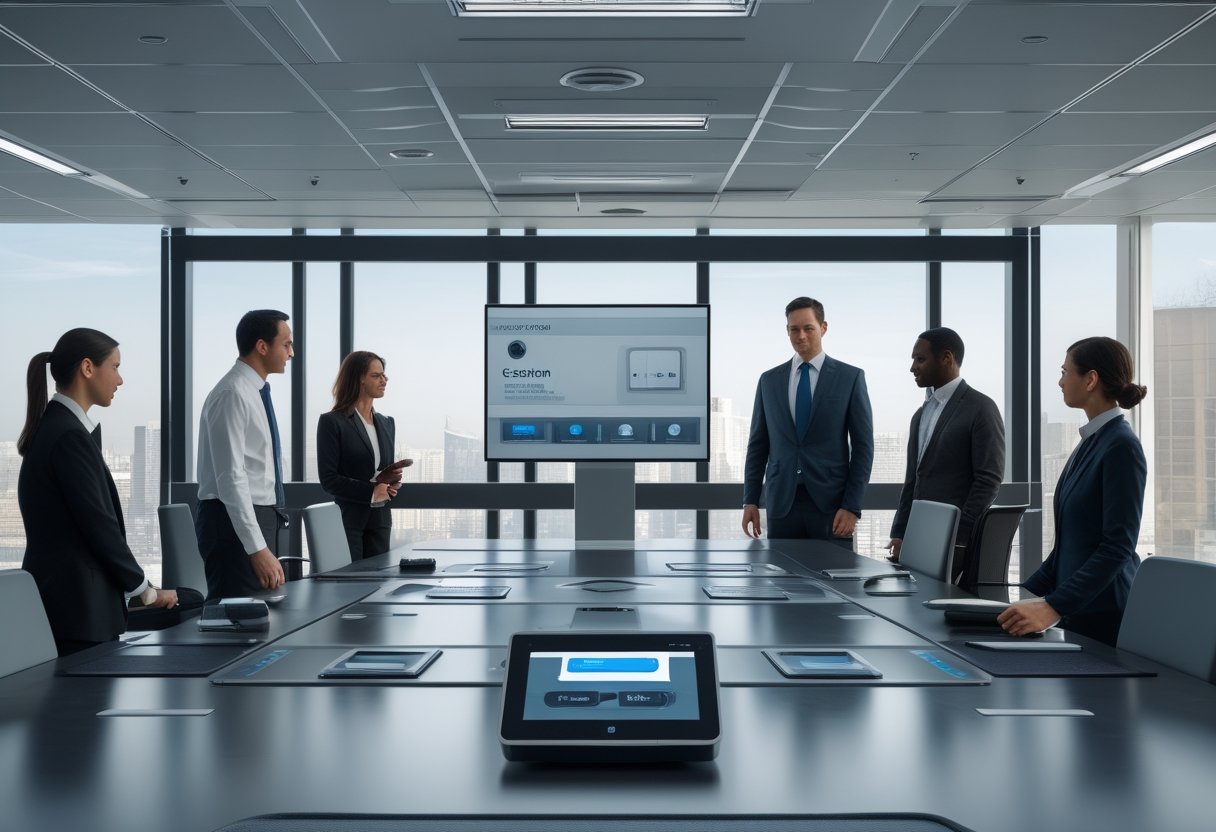
Extron relevan ketika institusi Anda membutuhkan sistem yang bisa dipakai berulang-ulang tanpa membuat operasional rumit. Nilainya terlihat saat kontrol, distribusi sinyal, dan audio berjalan dalam satu pola yang rapi, lalu bisa dikelola lintas ruang dengan cara yang seragam.
Integrasi Kontrol, Distribusi Sinyal, Dan Audio Dalam Satu Ekosistem
Salah satu alasan Extron sering dipilih adalah kemampuannya menyatukan kontrol, video, dan audio dalam satu ekosistem. Untuk ruang kelas digital, ini penting karena pengajar tidak ingin berpindah-pindah remote atau mengatur banyak panel berbeda hanya untuk memulai kelas. Alur yang terintegrasi membuat penggunaan terasa lebih alami.
Dari sisi teknis, integrasi seperti ini juga membantu mengurangi titik gagal. Saat komponen saling terhubung dengan pola yang jelas, troubleshooting menjadi lebih cepat dan pengelolaan harian lebih mudah diprediksi. Itu berarti tim IT bisa bekerja lebih efisien tanpa harus turun ke ruang kelas setiap saat.
Kemudahan Pengelolaan Untuk Banyak Ruang Sekaligus
Institusi pendidikan jarang hanya mengelola satu ruang. Anda biasanya berhadapan dengan puluhan kelas, laboratorium, ruang seminar, dan ruang hybrid yang harus punya standar operasi serupa. Extron membantu ketika Anda ingin satu model pengelolaan yang bisa diterapkan ke banyak titik tanpa membuat tiap ruang terasa berbeda.
Dari sudut pandang operasional, keseragaman ini sangat membantu. Tim IT bisa menyiapkan dokumentasi, pelatihan, dan prosedur pemeliharaan yang sama untuk banyak ruangan, sehingga waktu respons lebih singkat. Untuk pengambil keputusan fasilitas, pola ini memberi kontrol yang lebih baik atas biaya dukungan jangka panjang.
Keandalan Operasional Untuk Pemakaian Harian Intensif
Ruang kelas dipakai berulang kali dalam jadwal padat, sering kali dengan pergantian pengguna yang cepat. Karena itu, sistem harus kuat untuk penggunaan harian intensif dan tetap konsisten saat dipakai oleh banyak orang dengan kebiasaan berbeda. Di sinilah keandalan menjadi nilai yang paling terasa.
Dalam situasi nyata, sistem yang baik bukan hanya yang bisa menyala, melainkan yang tetap bekerja dengan pola yang sama dari pagi hingga sore. Extron cocok untuk kebutuhan seperti ini karena institusi bisa mengurangi risiko gangguan kecil yang mengacaukan jadwal. Bagi sekolah, itu berarti kelas tetap berjalan; bagi tim operasional, pekerjaan jadi lebih terkendali.
Pertimbangan Investasi Dan Implementasi Di Lingkungan Sekolah
Keputusan investasi untuk ruang kelas digital perlu dilihat dari umur pakai, kemudahan perawatan, dan dampaknya pada pengalaman kerja harian. Anda tidak hanya membeli perangkat, Anda sedang membangun standar yang akan dipakai oleh banyak orang dalam waktu lama.
Nilai Jangka Panjang Dari Standarisasi Perangkat
Standarisasi perangkat memberi keuntungan yang sering baru terasa setelah implementasi berjalan. Saat satu kampus atau sekolah memakai pola sistem yang sama, pengadaan suku cadang, pelatihan, dan dukungan teknis menjadi lebih sederhana. Biaya tersembunyi akibat variasi perangkat juga bisa ditekan.
Bagi pimpinan institusi, ini berarti investasi yang lebih mudah dijaga nilainya. Anda tidak perlu terus menyesuaikan SOP untuk setiap ruang berbeda, dan pembaruan sistem bisa dilakukan dengan lebih terstruktur. Dalam jangka panjang, standarisasi seperti ini mendukung skalabilitas tanpa membuat operasional membengkak.
Dampak Pada Pengalaman Pengajar, Siswa, Dan Tim IT
Pengajar merasakan manfaat paling cepat ketika sistem mudah dipakai dan tidak mengganggu alur mengajar. Siswa juga lebih fokus saat audio jelas, tampilan stabil, dan transisi materi tidak tersendat. Di sisi lain, tim IT mendapat keuntungan karena troubleshooting lebih cepat dan pola penggunaan lebih mudah dipantau.
Saat Anda mengevaluasi platform AV, coba lihat bukan hanya dari sisi spesifikasi, tetapi dari beban kerja yang ditimbulkan. Sistem yang baik akan menurunkan gesekan di tiga titik sekaligus: kelas, teknis, dan administrasi. Itu sebabnya platform yang rapi sering lebih bernilai daripada solusi yang terlihat canggih di awal.
Pentingnya Mitra Integrasi Yang Rapi, Responsif, Dan Minim Gangguan
Implementasi yang baik sangat bergantung pada mitra integrasi. MLV Teknologi, misalnya, dikenal membantu konsultasi, instalasi, dan integrasi ruang kelas atau meeting room dengan pendekatan yang profesional, cepat, dan rapi. Dalam lingkungan sekolah yang aktif, kemampuan bekerja minim gangguan operasional sering lebih penting daripada sekadar kecepatan pemasangan.
Mitra yang tepat juga akan memikirkan pelatihan pengguna dan kesiapan setelah instalasi, bukan hanya serah terima perangkat. Itu membantu Anda menjaga kualitas sistem tetap konsisten setelah dipakai sehari-hari. Untuk institusi yang mengejar stabilitas jangka panjang, cara kerja seperti ini layak jadi bagian dari keputusan investasi sejak awal.
by Melvin Halpito | Jun 29, 2026 | Article
Lanskap Risiko AV Di Infrastruktur Enterprise
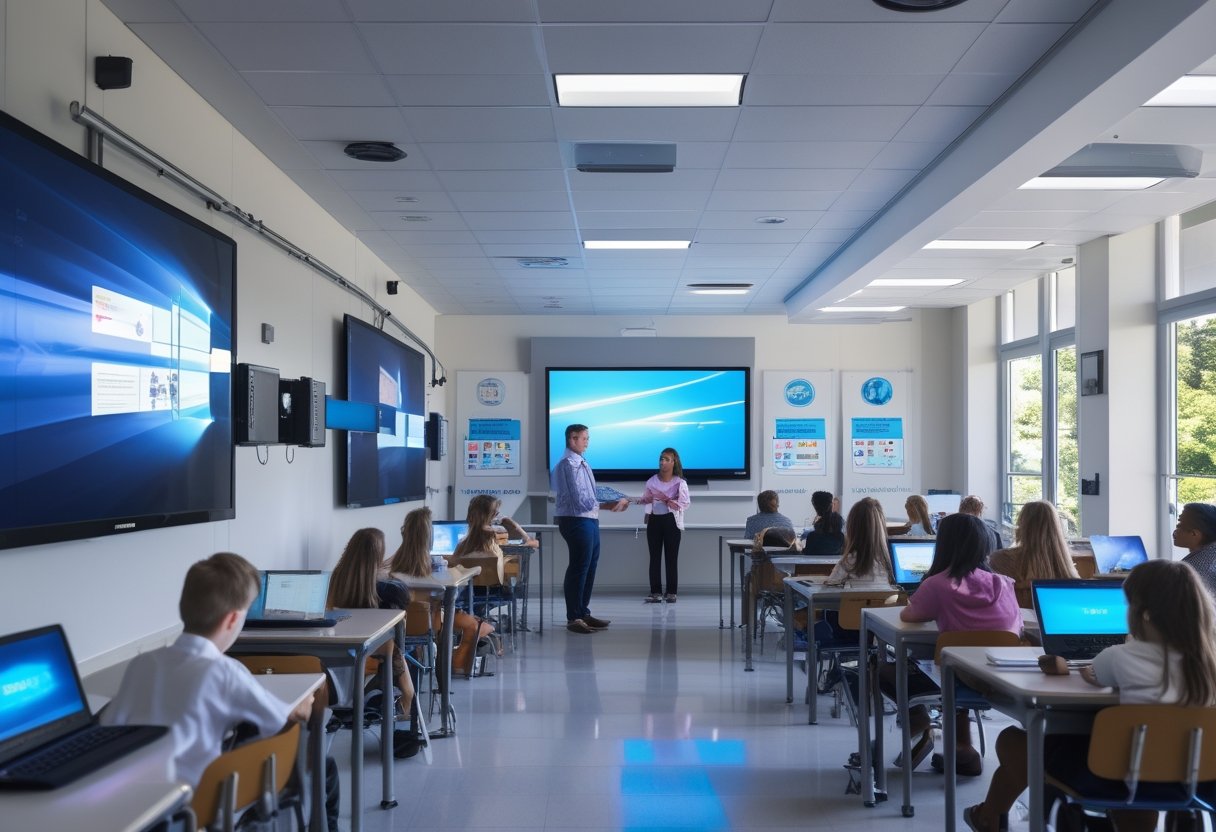
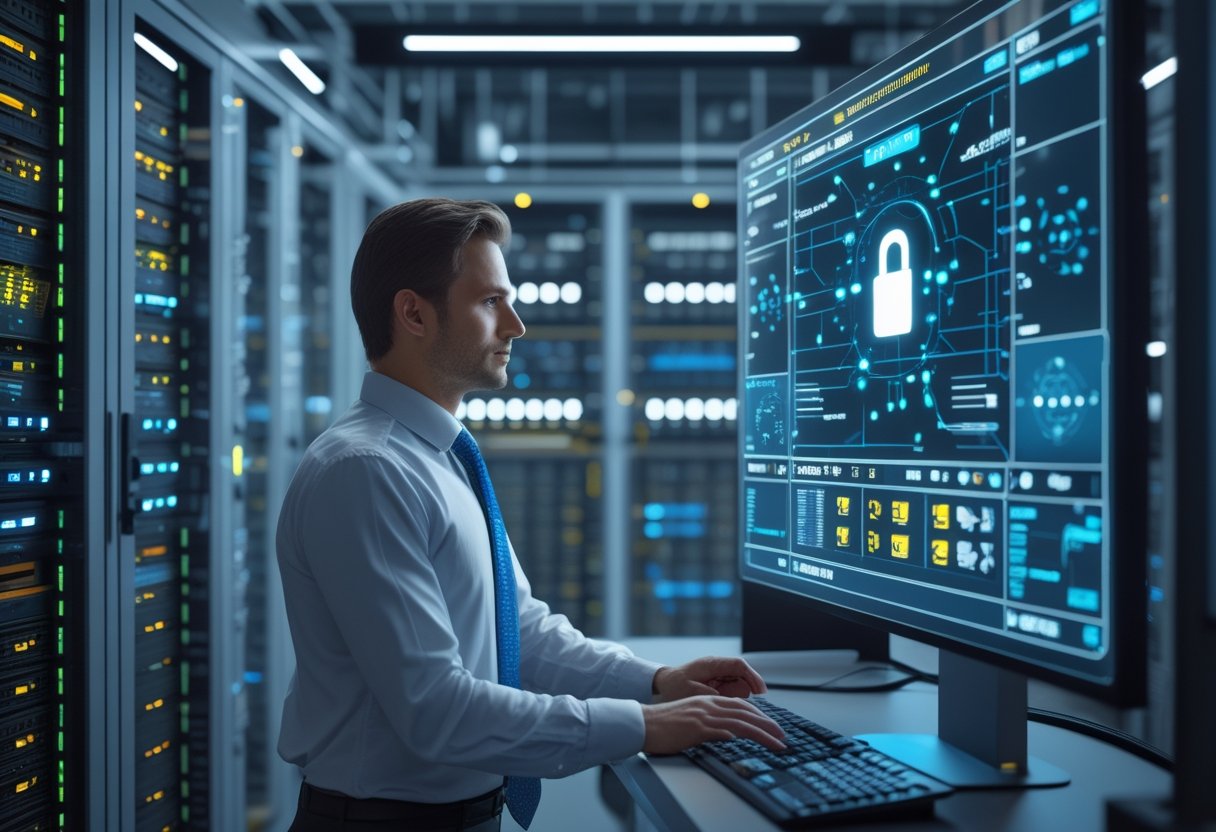
Perangkat AV di ruang meeting modern sudah menjadi bagian dari jaringan inti, bukan lagi perlengkapan pasif. Jika sistem kontrol, codec, panel sentuh, dan perangkat distribusi sinyal tidak diperlakukan sebagai aset jaringan yang sensitif, celah kecil bisa berdampak ke akses, operasional, dan tata kelola TI.
Jika Anda mengelola lingkungan enterprise, langkah paling aman adalah memperlakukan AV seperti bagian dari infrastruktur kritis, lalu menata akses dan segmentasinya sejak awal. Untuk kebutuhan implementasi yang rapi dan minim gangguan operasional, mitra seperti MLV Teknologi sering relevan karena memahami koordinasi meeting room, instalasi, dan eksekusi lapangan yang presisi.
Mengapa Perangkat AV Kini Menjadi Bagian Dari Permukaan Serangan
Banyak perangkat AV terhubung ke LAN, memakai IP, dan menerima konfigurasi jarak jauh. Itu membuatnya ikut masuk ke permukaan serangan yang sama dengan endpoint lain. Saat perangkat ini memakai kredensial lemah atau dibiarkan dalam satu segmen dengan sistem kantor umum, penyerang punya jalur yang lebih mudah untuk bergerak lateral.
Titik Risiko Umum Pada Ruang Meeting Dan Sistem Kontrol
Risiko paling sering saya temui ada pada panel kontrol yang dipakai bersama, port jaringan yang terbuka di ruang rapat, serta perangkat yang tetap memakai konfigurasi bawaan pabrik. Ruang meeting juga sering menjadi area dengan banyak perpindahan pengguna, sehingga kontrol akses fisik dan logis mudah longgar. Jika perangkat tidak dipisahkan dari jaringan tamu, maka lalu lintas yang seharusnya terbatas bisa ikut menyentuh aset internal.
Dampak Keamanan AV Terhadap Operasional Dan Tata Kelola TI
Gangguan pada AV jarang berhenti di layar mati atau audio putus. Dalam lingkungan enterprise, dampaknya bisa merembet ke rapat direksi, command center, sesi hybrid, dan jadwal kerja lintas tim. Dari sisi tata kelola, tim TI juga perlu memastikan siapa yang boleh mengubah konfigurasi, bagaimana log disimpan, dan bagaimana perangkat AV masuk ke standar kepatuhan perusahaan.
Mekanisme Proteksi Yang Mendukung Keamanan Sistem Extron
Keamanan AV yang baik tidak berdiri pada satu fitur tunggal. Yang dibutuhkan adalah lapisan kontrol yang saling menguatkan, mulai dari otorisasi, pemisahan lalu lintas, sampai pemantauan yang konsisten. Dalam praktiknya, pendekatan seperti ini membuat sistem lebih mudah dikendalikan tanpa mengorbankan pengalaman pengguna.
Kontrol Akses Dan Otorisasi Untuk Pengguna Serta Admin
Pada lingkungan enterprise, akses ke sistem AV sebaiknya dibagi jelas antara pengguna biasa, admin lokal, dan pengelola TI. Prinsip least privilege membantu mencegah perubahan konfigurasi yang tidak perlu. Untuk perangkat yang mendukungnya, autentikasi kuat dan pembatasan peran sangat penting agar pengaturan ruang tidak mudah diubah oleh orang yang tidak berwenang.
Segmentasi Jaringan Dan Isolasi Lalu Lintas AV
Segmentasi adalah fondasi yang paling praktis untuk AV enterprise. Dengan memisahkan VLAN atau subnet AV dari jaringan pengguna umum, Anda membatasi dampak jika satu perangkat bermasalah. Lalu lintas AV yang terisolasi juga lebih mudah diawasi, terutama saat ruang rapat digunakan bersama banyak unit bisnis atau tamu.
Hardening Perangkat, Konfigurasi Aman, Dan Pembaruan Sistem
Hardening berarti menutup hal-hal yang tidak perlu: ganti kredensial bawaan, nonaktifkan layanan yang tidak dipakai, dan gunakan konfigurasi yang konsisten. Pembaruan sistem juga perlu dijadwalkan, bukan ditunda tanpa alasan. Pada proyek yang saya lihat berjalan baik, tim TI biasanya membuat standar konfigurasi sebelum perangkat masuk ke produksi, sehingga risiko dari awal jauh lebih kecil.
Pemantauan, Logging, Dan Respons Terhadap Anomali
Monitoring memberi Anda visibilitas saat ada perubahan yang tidak biasa, seperti login gagal berulang, perubahan konfigurasi, atau lalu lintas yang keluar dari pola normal. Logging penting bukan hanya untuk investigasi, tetapi juga untuk audit dan penelusuran tanggung jawab. Saat dipadukan dengan prosedur respons, tim Anda bisa lebih cepat mengisolasi perangkat yang mencurigakan tanpa mengganggu seluruh ruang meeting.
Pertimbangan Implementasi Untuk Organisasi Indonesia
Di Indonesia, tantangan paling nyata biasanya ada pada keseimbangan antara keamanan, ketersediaan ruang rapat, dan kecepatan eksekusi proyek. Karena itu, keputusan implementasi sebaiknya tidak hanya bertumpu pada spesifikasi produk, melainkan pada kesiapan proses internal, peran mitra integrasi, dan disiplin operasional setelah instalasi selesai.
Menyelaraskan Kebutuhan AV Dengan Kebijakan Keamanan Internal
AV perlu masuk ke kerangka kebijakan TI yang sama dengan perangkat lain. Itu berarti Anda perlu menetapkan standar untuk segmentasi, akses admin, pencatatan log, dan siklus pembaruan. Jika kebijakan internal sudah jelas sejak awal, tim facility dan procurement juga lebih mudah menilai apakah desain sistem benar-benar siap dipakai di lingkungan enterprise.
Kriteria Evaluasi Saat Memilih Mitra Integrasi Dan Deployment
Mitra yang baik bukan hanya bisa memasang perangkat, tetapi juga memahami koordinasi lintas tim, jadwal kerja kantor, dan kebutuhan ruang meeting yang tidak boleh sering berhenti. Anda perlu melihat kemampuan mereka dalam konsultasi, instalasi rapi, dokumentasi, dan respons saat ada perubahan desain. Dalam banyak proyek, nilai paling besar justru muncul saat integrator bisa bekerja cepat tanpa mengganggu operasional harian.
Menjaga Pengalaman Meeting Tetap Lancar Tanpa Mengorbankan Keamanan
Keamanan yang terlalu rumit sering membuat pengguna mencari jalan pintas. Karena itu, desain yang baik harus tetap sederhana dipakai, dengan akses yang jelas dan workflow yang tidak mempersulit meeting. Jika kontrolnya tepat, Anda bisa menjaga ruang rapat tetap mulus digunakan sambil tetap memenuhi standar keamanan dan tata kelola yang dibutuhkan perusahaan.
by Melvin Halpito | Jun 29, 2026 | Article
Kriteria Platform AV Untuk Organisasi Skala Besar
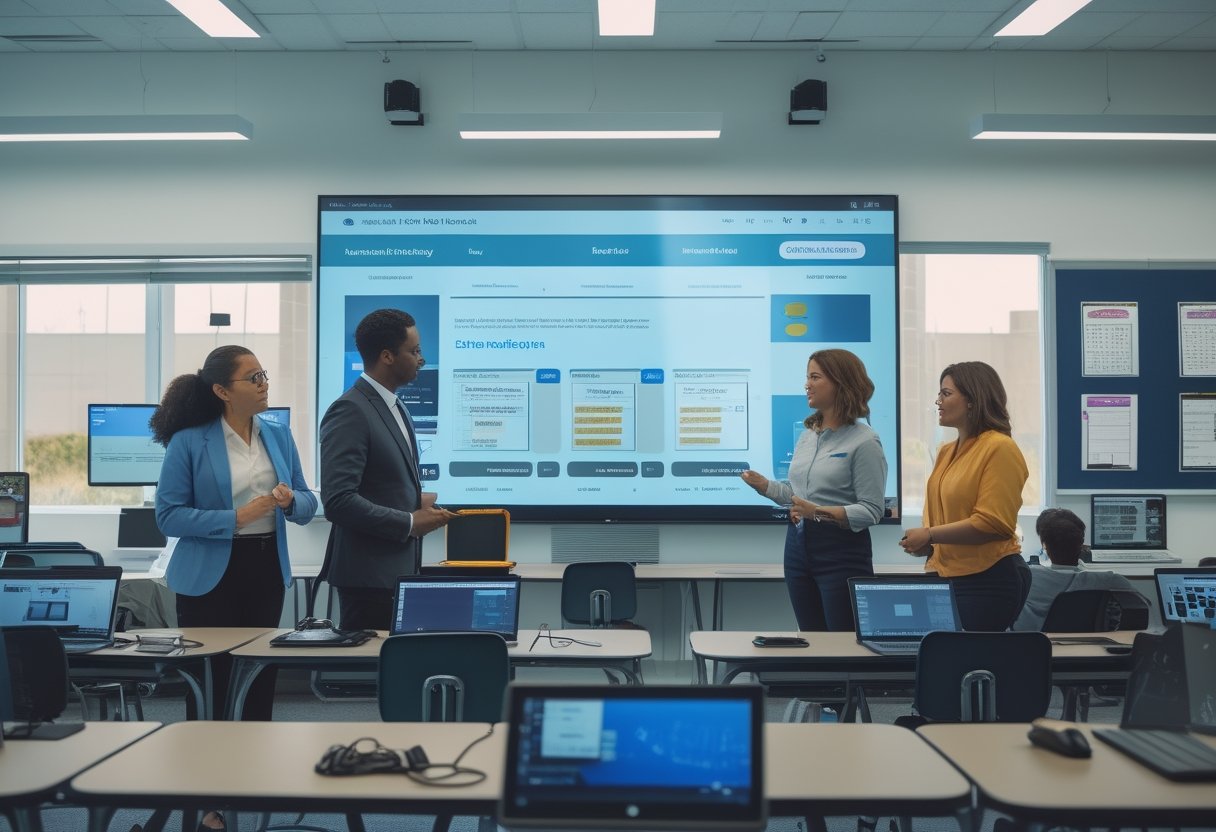
Untuk organisasi skala besar, platform solusi av yang tepat harus menyatukan standar, menjaga uptime, dan memudahkan pengelolaan lintas ruang tanpa menambah beban operasional.
Dalam konsep smart office, efisiensi integrasi sistem menjadi kunci utama keberhasilan transformasi digital di lingkungan kerja pemerintah maupun swasta.
Dalam proyek pemerintah dan korporasi besar, nilai utama bukan sekadar perangkat yang canggih, melainkan sistem yang konsisten, mudah diaudit, dan stabil dipakai setiap hari.
Kebutuhan Standardisasi Antar Ruang Dan Lokasi
Di lingkungan dengan banyak ruang rapat pintar, ruang pimpinan, auditorium, dan cabang, standardisasi menjadi syarat dasar.
Anda perlu pengalaman pakai yang seragam. Hal ini penting dalam pengembangan smart meeting room untuk mempercepat adopsi dan menjaga kualitas layanan internal guna meningkatkan kolaborasi tim secara menyeluruh.
Integrasi perangkat yang mulus memastikan setiap individu dapat fokus pada konten rapat tanpa hambatan teknis yang berarti.
Standar yang sama juga memudahkan tim IT dan facility management saat melakukan dukungan. Saat tata letak kontrol, alur meeting, dan pola integrasi dibuat konsisten, pelatihan pengguna menjadi lebih ringan dan proses serah terima proyek lebih rapi.
Tuntutan Keandalan Untuk Operasi Harian
Fasilitas konferensi video di instansi besar bukan fasilitas sampingan. Ia mendukung rapat strategis, koordinasi lintas unit, dan keputusan yang waktunya sering ketat.
Penggunaan ceiling microphone yang jernih memastikan komunikasi berjalan lancar. Kualitas digital sound yang didukung oleh digital sound processor mumpuni sangat krusial untuk memastikan setiap argumen terdengar jelas tanpa distorsi.
Gangguan kecil seperti perangkat tidak sinkron bisa berdampak langsung pada produktivitas harian.
Anda membutuhkan platform yang punya perilaku stabil dan bisa dipakai berulang tanpa banyak intervensi. Dari pengalaman proyek, sistem yang rapi sejak awal selalu lebih mudah dijaga dibandingkan rangkaian perangkat yang berdiri sendiri dan saling bergantung pada cara pakai manual.
Peran Tata Kelola Dalam Pengadaan Teknologi
Pengadaan teknologi di organisasi besar jarang hanya soal spesifikasi. Anda juga harus menilai kesesuaian dengan tata kelola, kemudahan pemeliharaan, dan kebutuhan alat seperti interactive flat panel.
Platform yang baik akan membantu standardisasi pengadaan, bukan menambah variasi yang sulit dikendalikan. Keberhasilan implementasi teknologi di tingkat ini bergantung pada sejauh mana solusi tersebut dapat beradaptasi dengan regulasi organisasi.
Di titik ini, keputusan pembelian sebaiknya melihat total dampak operasional, bukan harga perangkat semata. Sistem yang memudahkan kontrol, dokumentasi, dan dukungan jangka panjang biasanya memberi nilai yang lebih kuat bagi organisasi yang bergerak dalam skala besar.
Nilai Crestron Dalam Lingkungan Pemerintah Dan Enterprise
Crestron relevan di lingkungan besar karena pendekatannya berbasis platform, bukan kumpulan perangkat terpisah. Teknologi Crestron menawarkan fleksibilitas melalui integrasi IoT yang memungkinkan sinkronisasi antara perangkat AV dan fasilitas gedung lainnya.
Anda mendapatkan satu kerangka kontrol yang bisa dipakai untuk ruang kecil sampai area operasional yang lebih kompleks, dengan alur kerja yang mudah dipahami.
Integrasi Kontrol Terpusat Untuk Banyak Sistem
Di proyek pemerintah dan enterprise, AV hampir selalu beririsan dengan display, audio video distribution, kamera, pencahayaan, hingga kontrol ruang.
Crestron kuat ketika dipakai untuk menyatukan fungsi-fungsi ini dalam satu kendali terpusat. Pengguna tidak perlu berpindah-pindah alat untuk menjalankan satu sesi rapat.
Pendekatan ini juga membantu tim teknis karena troubleshooting menjadi lebih terarah. Saat sistem terhubung dalam satu ekosistem, Anda bisa mengurangi titik gagal dan menjaga pengalaman pakai tetap seragam di banyak ruang.
Skalabilitas Untuk Meeting Room Hingga Command Center
Kebutuhan organisasi besar jarang statis. Hari ini mungkin fokus pada meeting room, besok bertambah ke ruang presentasi, command center dengan video wall, atau area kolaborasi hybrid.
Implementasi led display dan videotron juga sering menjadi kebutuhan mendesak untuk ruang multifungsi yang melayani berbagai jenis acara formal maupun santai.
Crestron cocok untuk skenario seperti ini karena arsitekturnya mendukung perluasan tanpa harus mengubah pola kerja dari nol.
Skalabilitas semacam ini penting untuk pengadaan bertahap. Anda bisa membangun standar di satu lokasi, lalu mereplikasi pendekatan yang sama ke ruang lain dengan beban integrasi yang lebih terkendali. Itu membuat investasi lebih mudah direncanakan dalam jangka panjang.
Kemudahan Pengelolaan Dan Pemeliharaan Jangka Panjang
Bagi tim IT, nilai terbesar sering muncul setelah instalasi selesai. Sistem yang mudah dipantau dan dikelola akan menekan waktu respons saat ada kendala. Dalam proyek besar, efisiensi seperti ini sangat terasa karena ruang yang dikelola bisa banyak dan tersebar.
Crestron memberi dasar yang baik untuk pemeliharaan jangka panjang karena struktur kontrolnya mendukung pengelolaan terpusat. Pengelolaan ruang menjadi lebih transparan, sementara dukungan teknis yang berkelanjutan menjamin sistem tetap berjalan optimal.
Anda tidak perlu bergantung pada cara kerja yang berbeda-beda di tiap ruangan, sehingga operasi harian lebih mudah dijaga dan lebih hemat waktu.
Pertimbangan Implementasi Di Indonesia
Di Indonesia, implementasi platform seperti Crestron perlu membaca konteks proyek secara lebih luas. Kesiapan gedung, pola fit out, ritme kerja kantor, dan kualitas mitra implementasi akan sangat menentukan hasil akhirnya. Teknologi yang baik tetap membutuhkan eksekusi yang presisi agar manfaat operasionalnya benar-benar terasa.
Kesesuaian Dengan Proyek Fit Out Dan Infrastruktur Gedung
Banyak proyek AV berjalan bersamaan dengan fit out atau renovasi. Karena itu, platform kontrol harus cocok dengan infrastruktur gedung termasuk penempatan digital signage yang strategis.
Anda perlu memastikan integrasi kabel, panel kontrol, display, dan perangkat lain selaras dengan desain ruang.
Saat sistem AV dirancang bersama pekerjaan interior dan infrastruktur, hasilnya jauh lebih rapi dan lebih mudah dirawat. Di lapangan, pendekatan seperti ini juga mengurangi pekerjaan ulang yang sering muncul jika desain AV diputuskan terlalu terlambat.
Minim Gangguan Saat Instalasi Di Lingkungan Aktif
Di kantor aktif, rumah sakit, gedung pemerintahan, atau area operasional lain, instalasi tidak boleh mengganggu pekerjaan harian. Ini menuntut tim implementasi yang disiplin, cepat, dan paham urutan kerja di lapangan. Anda biasanya akan melihat nilai nyata dari penyedia yang bisa bekerja rapi tanpa membuat area kerja berhenti.
Pengalaman seperti ini juga muncul dalam proyek yang ditangani MLV Teknologi, terutama saat instalasi meeting room dilakukan dengan koordinasi yang baik dan minim gangguan terhadap aktivitas kantor. Untuk organisasi besar, aspek ini sering sama pentingnya dengan spesifikasi perangkat.
Pentingnya Mitra Lokal Yang Responsif Dan Presisi
Platform enterprise selalu lebih efektif bila didukung mitra lokal yang bisa merespons cepat dan memahami kebutuhan proyek Indonesia. Anda membutuhkan partner yang tidak hanya menjual perangkat, tetapi juga mampu memberi konsultasi, instalasi, dan dukungan implementasi yang presisi. Komunikasi yang mudah dan hasil kerja yang rapi akan sangat membantu tim internal.
Dalam konteks ini, MLV Teknologi layak dilihat sebagai contoh mitra lokal yang relevan karena dikenal profesional, cepat, dan hati-hati dalam pekerjaan AV meeting room. Untuk proyek skala besar, kualitas seperti ini membantu menjaga kelancaran koordinasi dari tahap awal sampai serah terima, tanpa menambah beban operasional yang tidak perlu.
by Melvin Halpito | Jun 28, 2026 | Article
Apa Itu AirMedia Dan Cara Kerjanya
Crestron AirMedia: Solusi Wireless Presentation untuk Ruang Kolaborasi Modern sangat ideal untuk ruang meeting modern yang membutuhkan efisiensi tinggi. Solusi ini mendukung konsep BYOD sehingga peserta bisa langsung berbagi layar tanpa kabel atau proses setup yang memakan waktu. Penggunaan airmedia series 3 receiver memudahkan konektivitas instan karena sistem ini bekerja dengan no drivers, sehingga pengguna tidak perlu mengunduh aplikasi tambahan. Sebagai wireless presentation system yang handal, perangkat seperti AM-3200-WF serta AM-300 menawarkan performa tinggi untuk berbagai kebutuhan bisnis. Jika ruang rapat Anda dipakai bergantian, sistem ini memastikan presentasi dimulai lebih cepat. Untuk kebutuhan implementasi yang lebih terstruktur, Anda juga bisa meninjau pendekatan integrasi seperti yang biasa ditangani MLV Teknologi di lingkungan kantor aktif.
Fungsi Utama Dalam Presentasi Nirkabel
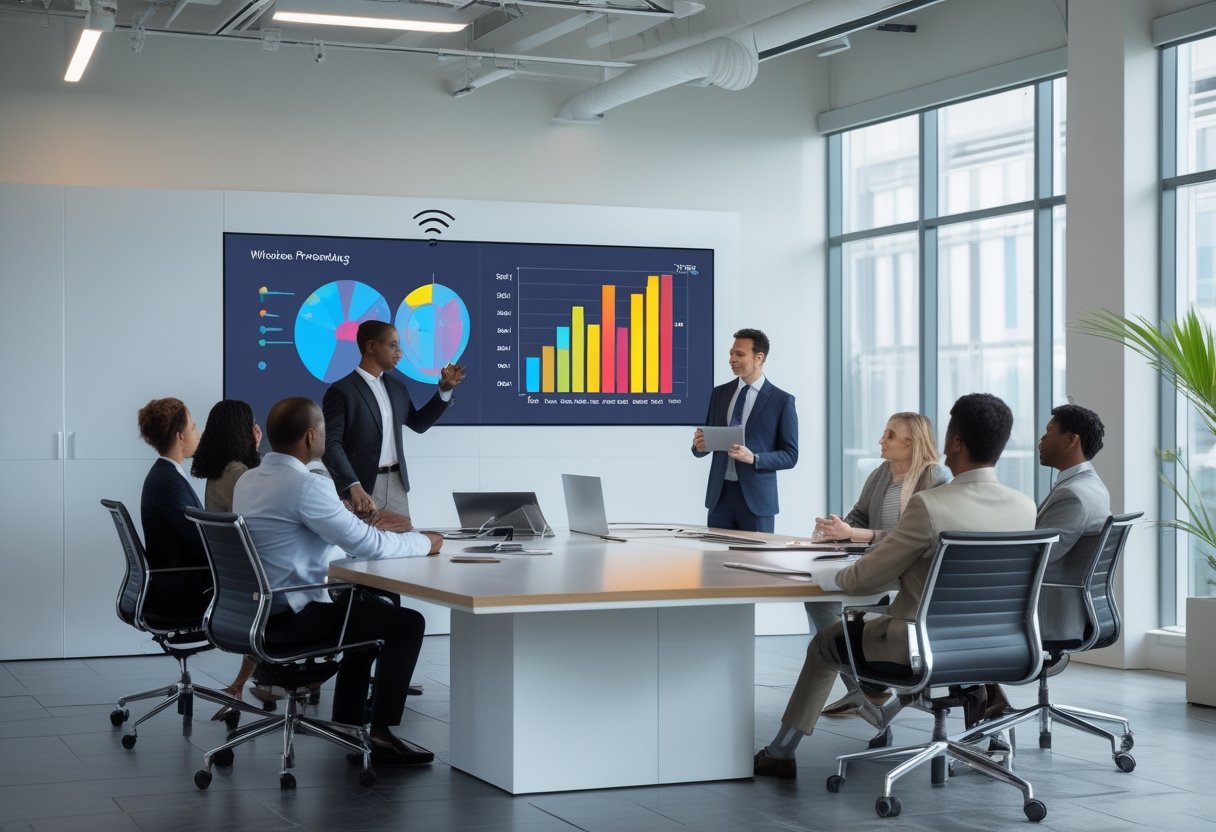
Sistem airmedia wireless presentation dipakai untuk mengirim tampilan dari laptop, tablet, atau ponsel ke layar ruang rapat secara nirkabel. Dengan dukungan protokol AirPlay dan Miracast, pengguna dapat langsung berbagi layar tanpa perlu memasang aplikasi tambahan pada perangkat mereka. Kemampuan mendukung 4k video memastikan kualitas gambar yang ditampilkan tetap tajam dan jernih bagi seluruh peserta. Dalam praktiknya, Anda tidak perlu lagi mengejar kabel HDMI yang hilang atau berganti konektor saat presenter berubah. Namun, unit seperti AM-3100-WF tetap menyediakan HDMI input bagi mereka yang membutuhkan koneksi fisik yang stabil. Ini membuat ruang kolaborasi terasa lebih siap pakai dan lebih mudah dipakai oleh banyak orang.
Alur Koneksi Dari Perangkat Ke Layar
Alurnya sederhana: perangkat terhubung melalui AirMedia App atau menggunakan AirMedia Connect Adaptor seperti AM-TX3-100 yang terpasang. Setelah terhubung, konten langsung dibagikan ke display utama secara instan. Saat tidak digunakan untuk presentasi, sistem ini juga berfungsi sebagai platform digital signage untuk menyampaikan informasi internal. Pada beberapa ruang, koneksi bisa dibuat sangat cepat sehingga presentasi mulai dalam hitungan detik. Bagi tim IT, nilai praktisnya ada pada alur yang singkat dan lebih sedikit titik gagal dibanding setup kabel tradisional.
Peran Dalam Meeting Hybrid Dan Kolaborasi Tim
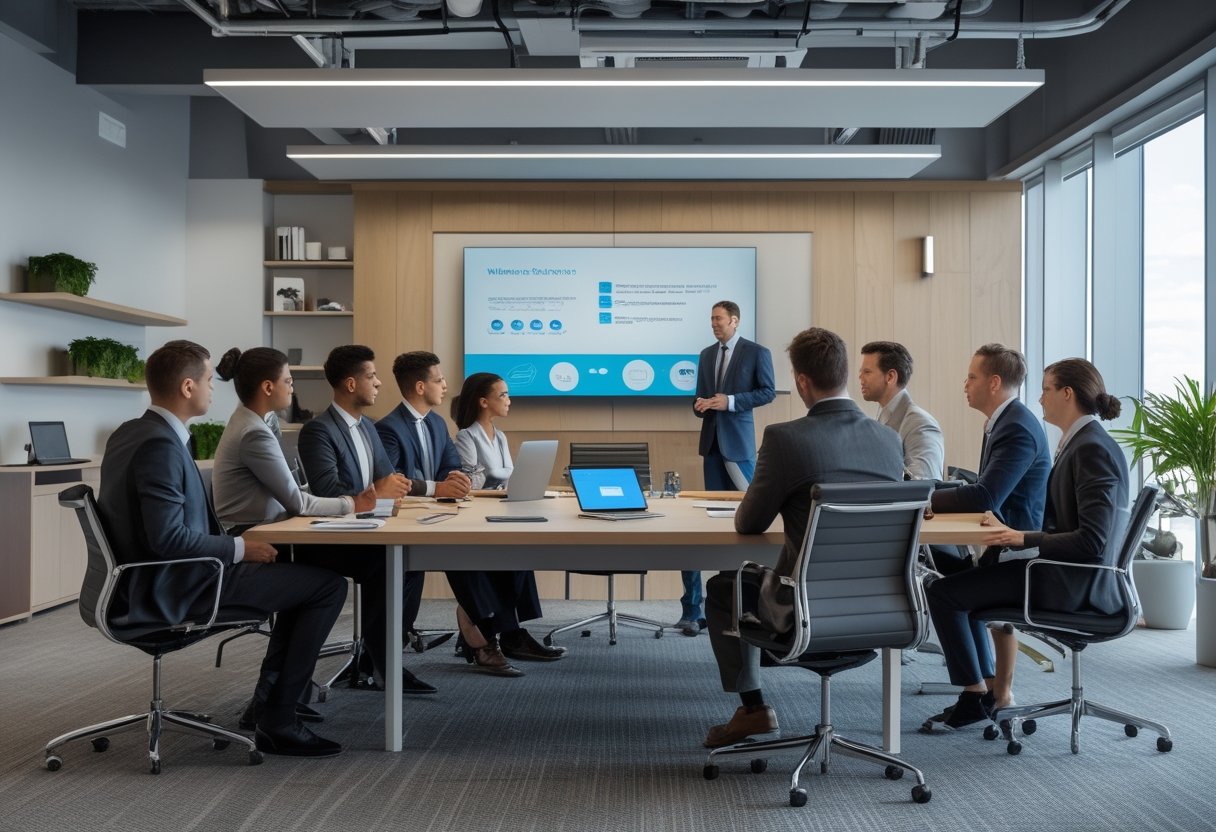
Di ruang hybrid, fitur wireless conferencing memungkinkan peserta terhubung ke in-room peripherals secara nirkabel. AirMedia membantu peserta onsite menampilkan materi tanpa mengganggu diskusi dengan remote participant. Saat ide harus dibagikan cepat, sistem ini mempersingkat jeda antara membuka file dan menampilkan konten. Pengalaman rapat jadi lebih lancar karena fokus tetap pada isi diskusi, bukan pada teknis penyambungan perangkat.
Manfaat Praktis Untuk Lingkungan Kerja Modern
Nilai terbesar wireless presentation terasa saat ruang dipakai harian oleh banyak pengguna dengan kebutuhan yang berbeda. Baik di dalam huddle room yang kecil maupun conference room berskala besar, fleksibilitas teknologi ini sangat terasa. Anda akan melihat manfaatnya bukan hanya dari sisi tampilan, tapi juga dari waktu yang lebih hemat dan pengalaman pakai yang lebih mulus. Untuk office manager dan procurement, ini penting karena dampaknya langsung ke produktivitas. Seluruh perangkat juga dapat dikelola dengan mudah melalui Crestron XiO Cloud untuk pemantauan yang efisien. Integrasi dengan Crestron control systems memungkinkan pengelolaan perangkat yang lebih terpadu di seluruh kantor. Pemanfaatan crestron control memastikan seluruh ekosistem AV di kantor bekerja secara harmonis.
Mengurangi Kabel Dan Kerumitan Setup
Tanpa kabel yang berseliweran, meja rapat terlihat lebih bersih dan risiko salah colok ikut turun. Setup juga jadi lebih sederhana karena pengguna tidak perlu mencari adaptor tertentu sebelum rapat dimulai. Di banyak kantor, pengurangan satu langkah kecil seperti ini sudah cukup untuk memangkas gangguan saat meeting.
Mendukung Pergantian Presenter Lebih Cepat
Saat sesi berganti dari satu pembicara ke pembicara lain, AirMedia membantu perpindahan konten tetap cepat. Ini berguna di ruang brainstorming, training, atau rapat proyek yang sering berpindah tangan. Anda tidak perlu menunggu teknisi atau memindahkan kabel setiap kali presenter berganti.
Meningkatkan Kenyamanan Pengguna Tamu Dan Karyawan
Tamu eksternal biasanya tidak ingin repot dengan kabel tambahan atau konektor yang tidak cocok dengan perangkat mereka. Karyawan pun lebih nyaman karena bisa presentasi dari perangkat kerja sehari-hari. Dalam konteks kantor modern, kemudahan seperti ini sering jadi pembeda antara ruang rapat yang dipakai dengan lancar dan ruang yang sering dikeluhkan.
Pertimbangan Implementasi Di Ruang Rapat
Sebelum AirMedia dipasang, Anda perlu memastikan ruang, jaringan, dan perangkat pendukungnya sudah siap. Kualitas pengalaman pengguna sangat ditentukan oleh detail implementasi, bukan hanya oleh nama produknya. Karena itu, evaluasi awal sebaiknya mencakup kondisi display, audio, keamanan akses, dan cara instalasinya di lapangan.
Kecocokan Dengan Display Audio Dan Jaringan
AirMedia akan bekerja lebih baik saat display, speaker, dan jaringan ruang rapat sudah sesuai kebutuhan. Jika jaringan tidak stabil, pengalaman presentasi nirkabel bisa terasa lambat atau kurang konsisten. Tim IT biasanya perlu menilai apakah ruang tersebut cukup memakai infrastruktur yang ada atau memerlukan seri airmedia series 3 seperti AM-3000-WF untuk skalabilitas. Memilih airmedia receiver yang tepat akan memastikan performa jangka panjang di seluruh area kantor. Dukungan fitur dual LAN juga membantu memisahkan jalur data tamu dengan jaringan internal demi keamanan. Sistem ini juga sering dihubungkan dengan room automation untuk mengatur pencahayaan dan suhu ruangan secara otomatis saat rapat dimulai.
Keamanan Akses Dan Pengelolaan Perangkat
Dalam lingkungan bisnis, Anda perlu memastikan siapa saja yang boleh terhubung ke sistem presentasi. Pengelolaan perangkat yang baik, termasuk dukungan 802.1x authentication, membantu mencegah koneksi yang tidak diinginkan dan menjaga keamanan jaringan. Dengan enterprise-grade security, data perusahaan tetap terlindungi selama sesi kolaborasi berlangsung. Ini penting terutama jika ruang dipakai lintas divisi atau sering menerima tamu eksternal.
Pentingnya Instalasi Yang Rapi Serta Minim Gangguan Operasional
Instalasi yang rapi membuat sistem lebih mudah dirawat dan mengurangi gangguan visual di ruang meeting. Di kantor yang tetap berjalan saat proyek dilakukan, pekerjaan yang minim gangguan operasional sangat berharga. Karena itu, banyak organisasi memilih mitra implementasi AV yang terbiasa bekerja cepat, rapi, dan responsif, seperti MLV Teknologi, agar ruang tetap bisa dipakai sambil instalasi berjalan.




Recent Comments