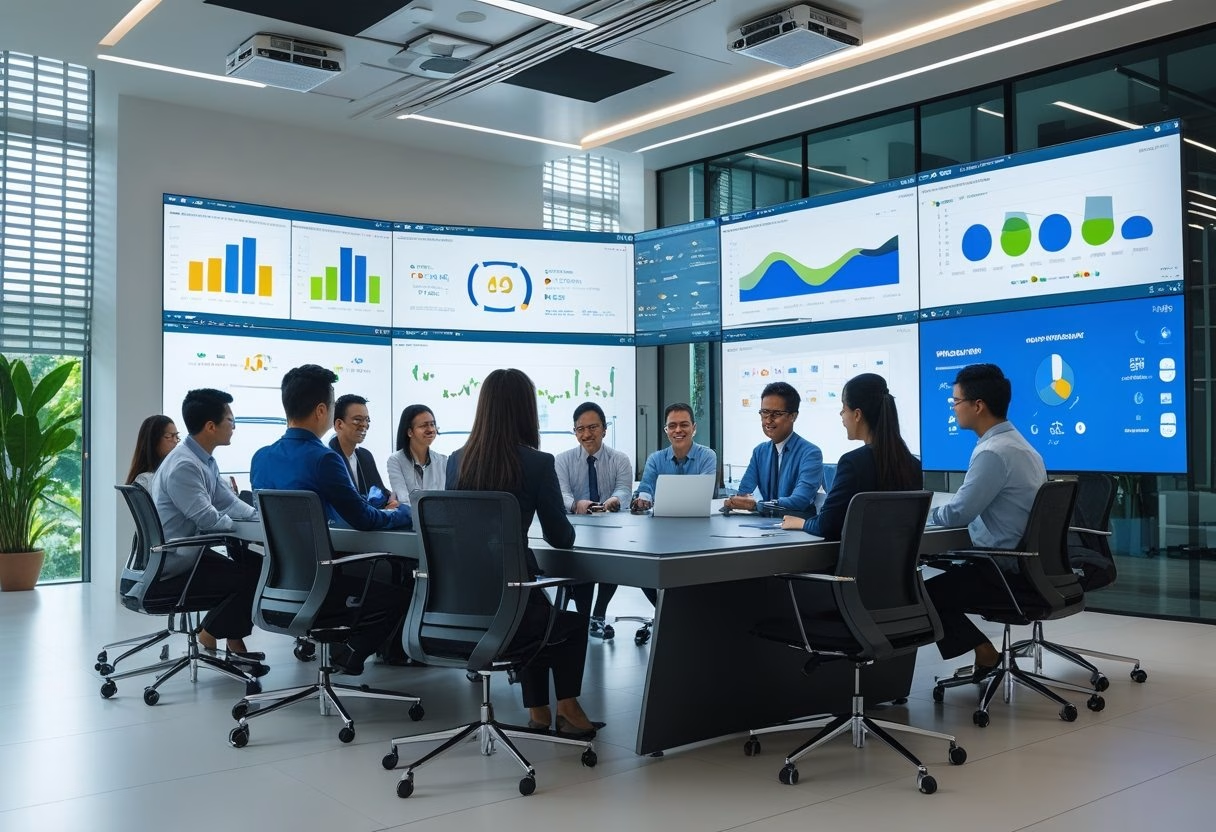
Indonesia’s offices are changing fast. Companies no longer rely on basic meeting rooms and manual systems. They invest in smart technology that connects teams, spaces, and data in real time. Audio visual (AV) technology sits at the center of Indonesia’s smart office boom because it powers communication, automation, and collaboration in one integrated system. Modern offices now depend on video conferencing, interactive displays, smart room controls, and automated scheduling to support hybrid work and daily operations.
As businesses push for higher productivity and better energy control, AV systems link lighting, sound, security, and network tools into a single platform. This shift turns traditional offices into connected environments that support flexible work, improve efficiency, and strengthen team coordination.
Key Takeaways
- Smart offices in Indonesia rely on integrated technology to modernize daily operations.
- AV systems drive communication, automation, and seamless collaboration.
- Connected workplaces improve efficiency, comfort, and operational control.
The Smart Office Revolution in Indonesia
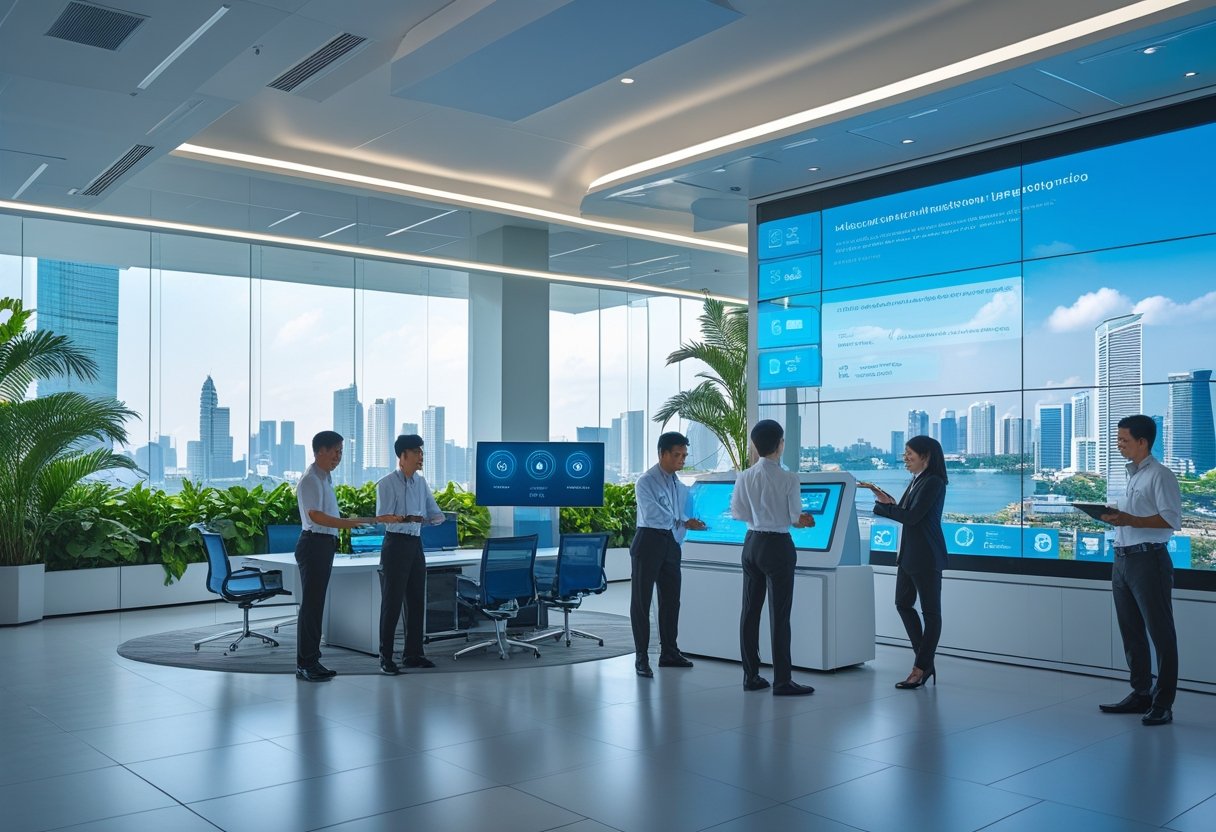
Companies across Indonesia now invest in integrated AV systems, automation, and cloud tools to support hybrid work and tighter cost control. This shift reshapes how the modern workplace operates, from daily meetings to building management.
Market Growth and Changing Workplace Trends
Indonesia’s major business hubs, especially Jakarta, lead the shift toward the smart office model. New office towers in areas such as Sudirman and SCBD promote integrated AV and automation as core building features, not add-ons.
Industry coverage of Jakarta Smart Office Audio Visual Automation shows how companies now treat intelligent AV as a basic need for daily operations.
Hybrid work also drives demand. Teams split time between home and office, so meeting rooms must support clear video, strong audio, and simple controls. Firms no longer accept unstable calls or complex setups.
Reports on Smart Office trends in Indonesia note that many Southeast Asian companies plan to increase spending on digital workspace tools. This budget shift reflects a clear goal: improve collaboration and reduce wasted time.
Core Concepts of Smart Office Environments
A kantor pintar combines automation, AV systems, and digital access control into one connected setup. It links devices through a central platform so staff can manage rooms, lighting, and displays from one interface.
Key elements often include:
- Interactive displays and video conferencing systems
- Automated lighting and climate control
- Room booking panels with live schedules
- Cloud-based CCTV and secure entry systems
The Smart Office Audio Visual Automation di Jakarta approach shows how AV and automation work together to improve comfort and efficiency.
This konsep smart office focuses on practical gains. Motion sensors switch off unused lights. Integrated AV reduces meeting delays. Access systems log entry data in real time.
Each feature supports daily tasks, not just building appearance.
Digital Transformation in Indonesian Workspaces
Digital transformation in Indonesian offices centers on connected systems. Companies link AV, IoT devices, and software platforms to create a responsive modern workplace.
A typical setup may include:
| Function | Smart Office Application |
|---|---|
| Collaboration | High-quality video conferencing and screen sharing |
| Energy control | Automated lighting and temperature adjustment |
| Security | Biometric or RFID access with cloud monitoring |
| Space management | Digital room booking and occupancy tracking |
Technology providers such as those behind Smart Office Indonesia digital workspace solutions promote integrated systems that adapt to user needs.
These systems support faster decisions and clearer communication. They also give managers data on room use, energy costs, and system performance.
In Indonesia, the smart office no longer acts as a pilot project. It operates as a structured part of corporate strategy, especially in competitive urban markets.
AV Technology as a Key Driver of Smart Offices
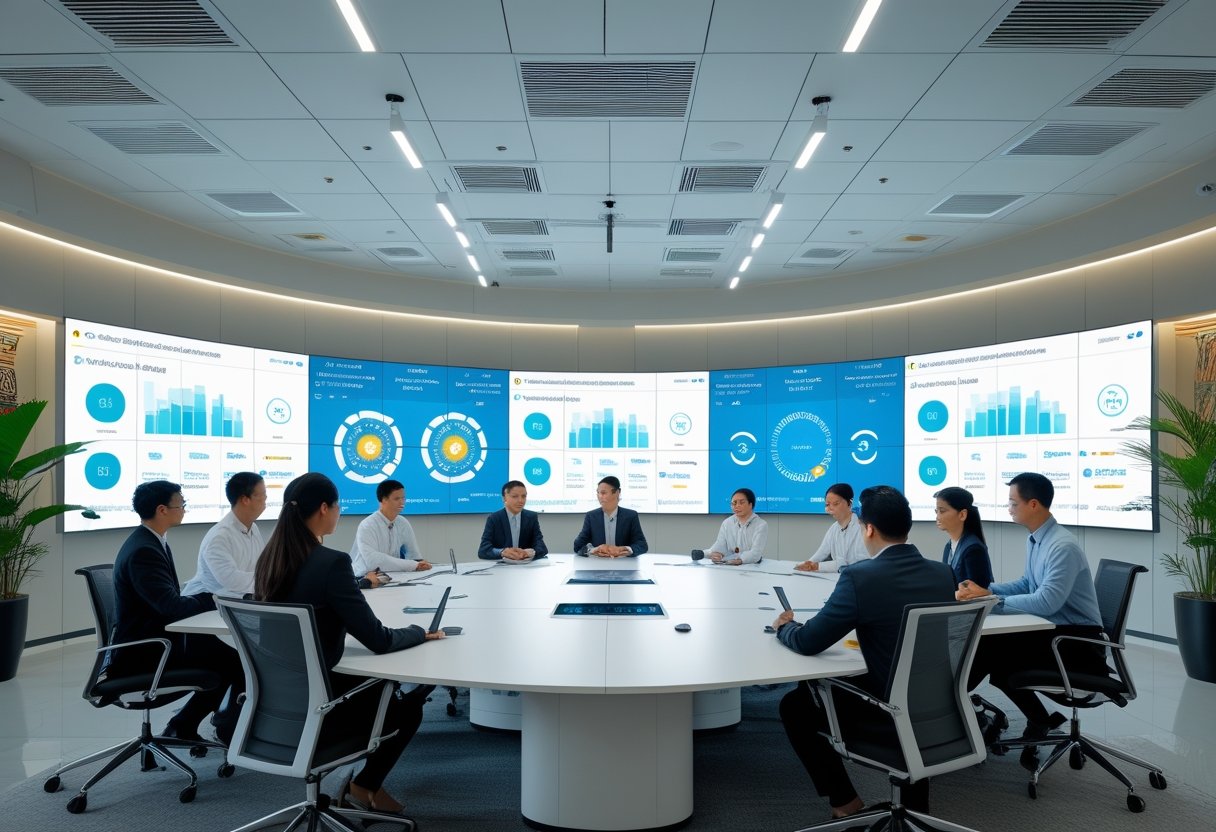
Audio visual systems now shape how smart offices in Indonesia connect people, manage space, and control daily operations. Companies rely on integrated AV, cloud platforms, and otomatisasi to support hybrid work, improve meeting quality, and reduce manual tasks.
Integrating Audio Visual Systems With Smart Office Infrastructure
Smart offices connect audio visual systems with lighting, climate control, access systems, and network infrastructure. AV no longer stands alone. It works as part of a single digital ecosystem.
In many Jakarta projects, firms adopt integrated platforms similar to those described in Jakarta Smart Office Audio Visual Automation. These setups link displays, speakers, cameras, and control panels to centralized systems that manage meeting rooms and shared spaces.
Cloud-based dashboards allow IT teams to monitor device status, push updates, and troubleshoot problems without visiting each room. This reduces downtime and keeps systems consistent across floors or buildings.
Strong integration also improves security. Companies can align AV access with ID cards or biometric systems, so only authorized staff can use certain rooms or equipment.
Interactive Displays and Smart Meeting Rooms
Modern offices replace basic projectors with interactive displays and connected smart meeting room systems. These displays support touch input, wireless screen sharing, and real-time annotation.
Teams can write on the screen, save notes to the cloud, and send files directly to participants. This shortens meetings and reduces follow-up confusion.
A typical smart meeting room includes:
- 4K interactive display
- Video conferencing camera with auto-framing
- Ceiling or table microphones
- Integrated speakers
- Central control panel or tablet
As shown in discussions about the benefits of AV integration for offices and businesses in 2026, integrated AV improves usability and reduces technical delays. Employees start meetings faster because devices connect automatically.
This setup supports both in-person and remote participants without separate tools.
Enabling Collaboration and Hybrid Work Models
Hybrid work and remote work have become standard in many Indonesian companies. AV systems now play a direct role in keeping distributed teams aligned.
High-quality cameras and microphones capture clear audio and video. Large displays show remote participants at eye level, which supports natural conversation.
Cloud-based conferencing platforms connect offices in Jakarta with branch offices or home workers. AV integrators in Indonesia highlight how connected systems support corporate and education environments, as noted in the overview of a top AV integrator in Indonesia for corporate and events.
Reliable AV reduces common hybrid problems such as echo, poor lighting, and unstable connections. When meetings run smoothly, teams focus on decisions instead of technical issues.
This directly supports productivity and faster coordination across departments.
AV Automation for Operational Efficiency
Otomatisasi strengthens the operational side of smart offices. AV systems can trigger lighting, blinds, and air conditioning when a meeting starts.
For example:
| Trigger | Automated Action |
|---|---|
| Room booking confirmed | Display turns on, camera activates |
| No motion detected | System powers down |
| Scheduled presentation | Correct input auto-selects |
These functions reduce energy waste and limit manual setup. Motion sensors switch off screens and speakers in unused rooms.
Articles on Smart Office Solutions with smart AV technology describe how connected AV systems align with sustainability and long-term cost control. Companies track usage data through cloud dashboards and adjust room layouts or device counts based on real demand.
By combining AV, cloud control, and otomatisasi, smart offices operate with fewer disruptions and clearer oversight.
Core Technologies Empowering Indonesia’s Smart Offices
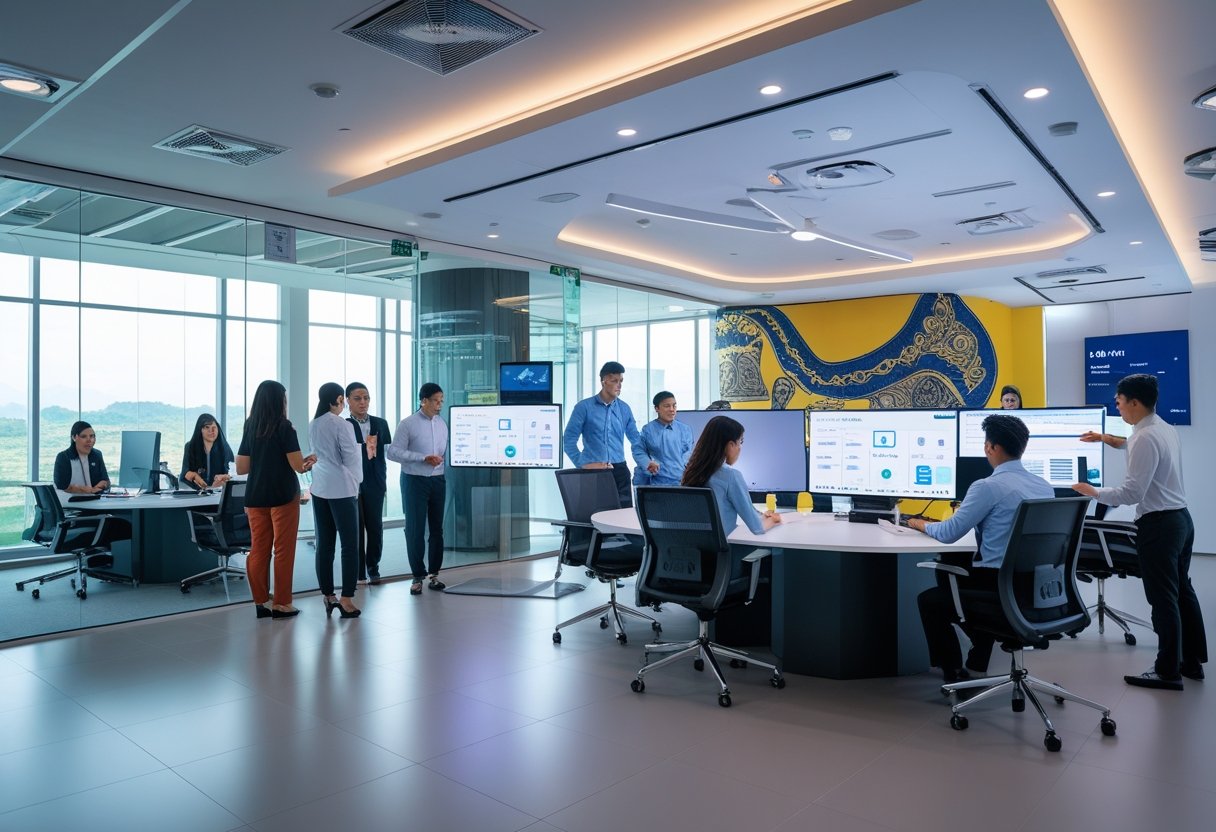
Indonesia’s smart offices rely on connected devices, data systems, and automated controls to run daily operations. These tools link AV, facilities, and IT into one coordinated smart building environment.
Internet of Things and Smart Devices
The Internet of Things (IoT) forms the base of many smart office systems in Indonesia. IoT connects sensors, cameras, meeting room panels, and access controls through a shared network.
In a typical smart building, smart devices track room occupancy, air quality, and device usage in real time. AV systems connect to this network so teams can book rooms, launch video calls, and adjust displays from one control panel.
Many providers define a smart office as a workspace that integrates IoT, AI, and digital tools into one adaptive system, as explained by Smart Office Indonesia solutions.
Cloud platforms store device data and allow remote monitoring. IT teams can update firmware, manage digital signage, and review system alerts without being on site.
This structure reduces manual work. It also gives facility managers clear data about how employees use space and technology.
Artificial Intelligence and Workplace Automation
Artificial intelligence (AI) adds intelligence to connected systems. It analyzes patterns and supports automated decisions in daily operations.
Indonesia views AI as a key driver of digital transformation, though adoption is still in early stages, according to the Indonesia digital transformation overview. Businesses now use AI to improve scheduling, customer service chatbots, and predictive maintenance.
In smart offices, AI supports:
- Automatic meeting room recommendations
- Voice control for AV systems
- Predictive equipment maintenance
- Smart visitor management
AI also strengthens workplace automation. For example, systems can adjust room layouts based on booking data or detect when a meeting ends and power down displays.
Some enterprise reports highlight how AI helps companies manage data silos and improve decision making, as discussed in AI transforming Indonesia’s enterprises.
When linked to cloud dashboards, AI tools give managers clear performance data across multiple office locations.
Automated Lighting, Temperature, and Energy Management
Energy control is central to any smart building strategy. Offices now use sistem pencahayaan otomatis and smart HVAC systems to lower waste.
Pencahayaan otomatis uses motion sensors and daylight sensors. Lights turn on when someone enters a room and dim when natural light increases.
Smart kontrol suhu systems adjust air conditioning based on occupancy data. If a meeting room sits empty, the system reduces cooling output.
Key features include:
| System | Function | Benefit |
|---|---|---|
| Automated lighting | Motion and daylight sensing | Lower electricity use |
| Smart thermostats | Occupancy-based cooling | Reduced energy cost |
| Energy dashboards | Real-time tracking | Clear usage reports |
Smart office platforms often link these systems with AV controls. When a meeting starts, lighting, displays, and temperature adjust together.
Guides on creating a smart workplace explain how automation simplifies daily tasks and improves efficiency.
Facility teams use cloud dashboards to monitor performance across floors and buildings.
Data Security and Building Safety Features
As offices connect more devices, keamanan data becomes critical. Smart devices collect user data, access logs, and video feeds.
Companies must protect this data with:
- Network segmentation
- Encrypted communication
- Secure cloud storage
- Access control policies
AV systems now integrate with building access cards and biometric scanners. This link supports stronger security features across the workspace.
Indonesia continues to build digital infrastructure, including data centers and cloud services, to support this growth, as noted in the report on accelerating digital transformation in Indonesia.
Modern smart offices combine cybersecurity tools with physical safety systems. Fire alarms, CCTV, and emergency alerts connect to centralized dashboards.
This approach helps managers respond faster to incidents while protecting both digital and physical assets.
Impact on Productivity, Sustainability, and Employee Well-Being
Smart office AV systems in Indonesia do more than improve meeting quality. They drive peningkatan produktivitas, support efisiensi operasional, reduce konsumsi energi, and strengthen corporate sustainability goals while improving kesejahteraan karyawan.
Operational Efficiency and Cost Savings
Integrated AV systems streamline daily operations. Teams launch meetings with one touch, share content wirelessly, and connect remote staff without delay. This reduces setup time and supports improved productivity across departments.
Companies also cut travel costs. High-quality video conferencing lowers the need for intercity flights between Jakarta, Surabaya, and other hubs. Fewer business trips reduce expenses and limit downtime.
Smart scheduling panels and occupancy sensors improve efisiensi operasional. Offices track real-time room usage and adjust space planning based on data. This prevents underused meeting rooms and supports better asset management.
Research shows that sustainable workplace practices support both employee engagement and business results, as seen in findings on the impact of sustainable practices on employee well-being and organizational success. AV systems play a direct role by aligning technology use with measurable efficiency goals.
Workforce Comfort and Engagement
Modern AV improves kenyamanan karyawan by creating consistent audio and visual quality. Clear sound and sharp displays reduce fatigue during long meetings. Employees spend less time repeating information or resolving technical issues.
Flexible work setups also support kesejahteraan karyawan. Hybrid meeting tools allow staff to join from home or satellite offices without losing visibility or voice. Studies on the impact of work-life balance on employee well-being and organizational productivity show that flexible arrangements help maintain performance while protecting well-being.
Interactive displays and digital collaboration boards increase participation. Teams brainstorm in real time, annotate documents, and save outputs instantly. This direct engagement strengthens focus and supports measurable peningkatan produktivitas.
Well-designed AV environments also reduce stress linked to poor communication. Reliable systems build trust in daily operations.
Energy Consumption and Environmental Sustainability
Smart offices in Indonesia now link AV systems to building management platforms. Devices power down automatically when rooms are empty. This lowers konsumsi energi without manual oversight.
Energy-efficient displays, LED walls, and smart lighting controls support efisiensi energi and hemat energi targets. Companies track usage data and adjust system settings to reduce waste during non-peak hours.
Sustainable HR and environmental strategies often connect employee health with green initiatives, as outlined in research on companies focusing on employee wellbeing and sustainability goals. AV contributes by reducing paper use through digital signage and enabling remote collaboration that cuts travel emissions.
By combining reduced energy demand with digital workflows, organizations align technology investment with long-term sustainability commitments.