
by Melvin Halpito | Jul 24, 2026 | Article
Dari Percakapan Menjadi Keputusan Yang Dapat Ditindaklanjuti
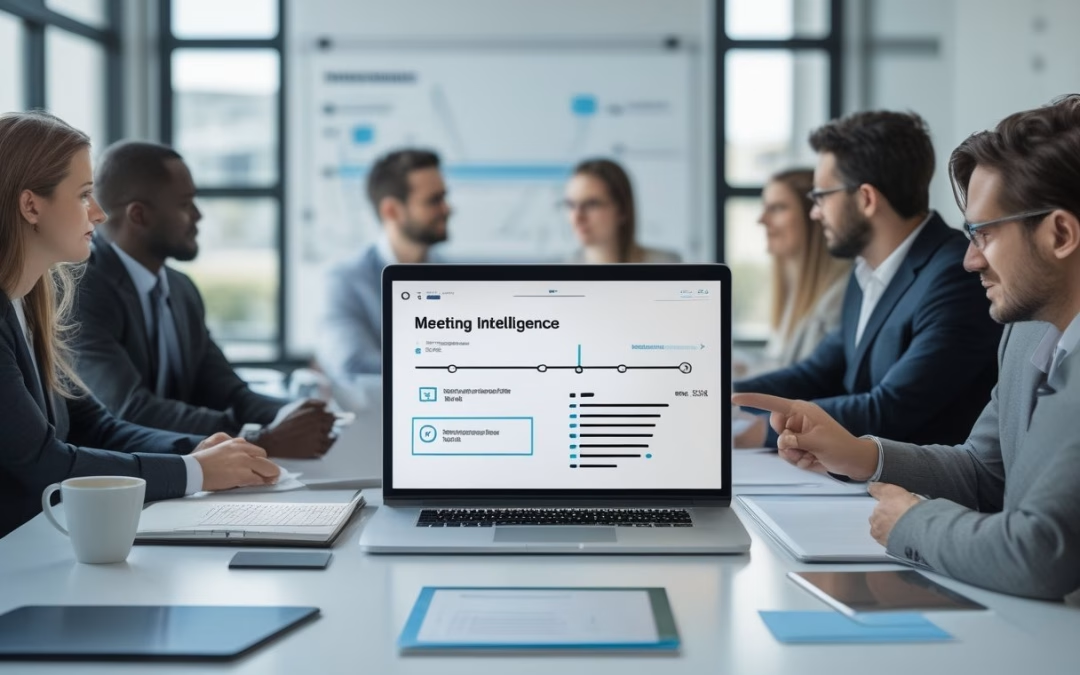
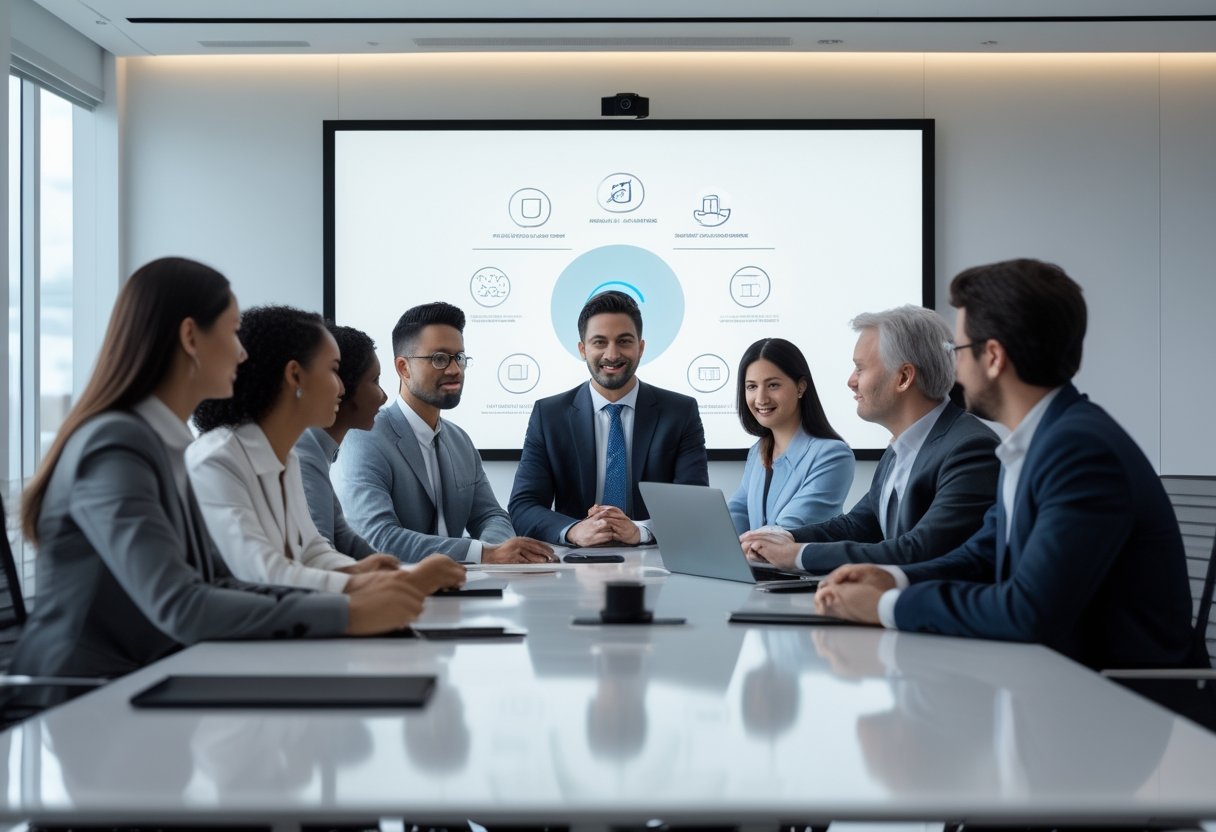
Meeting intelligence mengubah percakapan rapat menjadi data kerja: transkrip, keputusan, action items, pemilik tugas, dan tenggat waktu. Nilai utamanya bukan sekadar menghemat waktu membuat notulen, melainkan memastikan keputusan dapat dilacak dan ditindaklanjuti.
Peran Transkripsi, Pemahaman Konteks, Dan Ringkasan Berbasis AI
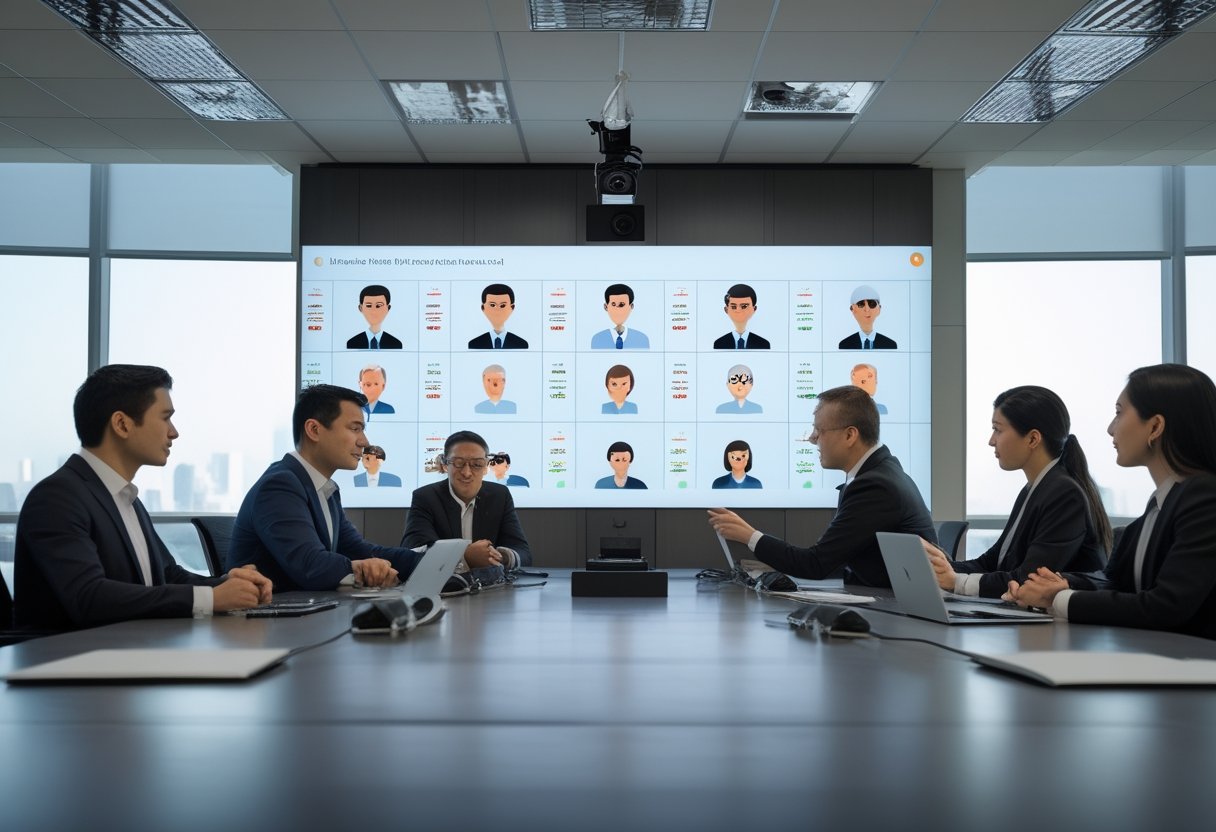
Transkripsi menjadi lapisan awal yang menangkap isi percakapan, termasuk rapat hybrid dengan peserta di ruangan dan jarak jauh. Kualitas mikrofon, posisi speaker, kebisingan, serta kestabilan koneksi sangat memengaruhi hasilnya. Audio yang tidak jelas dapat membuat nama, angka, atau istilah proyek terbaca keliru.
Setelah itu, AI mengelompokkan pembahasan berdasarkan konteks, bukan hanya memotong kalimat menjadi ringkasan. Sistem dapat memisahkan agenda, masalah, keputusan, dan pertanyaan terbuka. Anda tetap perlu memeriksa apakah ringkasan mempertahankan maksud pembicara, terutama saat diskusi melibatkan negosiasi, istilah teknis, atau keputusan yang masih bersyarat.
Cara Sistem Mengenali Keputusan, Tugas, Pemilik, Dan Tenggat Waktu
AI biasanya mencari pola bahasa seperti “disepakati”, “akan dikerjakan”, atau “selesai pada”. Dari pola tersebut, sistem menyusun tugas dengan elemen penting: apa yang harus dilakukan, siapa penanggung jawabnya, kapan harus selesai, dan ketergantungan yang mungkin menghambat pekerjaan.
Hasil terbaik muncul ketika peserta menyebutkan pemilik dan tenggat secara eksplisit. Jika rapat hanya mengatakan “nanti ditindaklanjuti”, Anda sebaiknya menandainya sebagai tugas yang belum lengkap, bukan membiarkan AI menebak. Tautan ke bagian transkrip atau rekaman juga membantu Anda memverifikasi dasar setiap keputusan.
Merancang Alur Rapat Yang Terhubung Ke Eksekusi
Meeting intelligence akan memberi dampak operasional ketika hasil rapat masuk ke alur kerja yang sudah digunakan tim. Integrasi, format keluaran, dan titik persetujuan perlu dirancang sejak awal agar minutes tidak berhenti sebagai dokumen arsip.

Integrasi Dengan Platform Konferensi Dan Alat Manajemen Proyek
Sistem dapat menerima audio atau transkrip dari platform konferensi, lalu mengirim keputusan dan tugas ke ruang kerja seperti pengelola proyek, kanal komunikasi, atau basis pengetahuan. Anda perlu menetapkan aturan yang jelas: rapat jenis apa yang direkam, proyek mana yang menerima action items, serta siapa yang boleh melihat hasilnya.
Jangan mengejar jumlah integrasi semata. Pilih alur yang mengurangi penyalinan manual dan menjaga satu sumber informasi. Misalnya, keputusan proyek dapat masuk ke papan tugas, sedangkan ringkasan eksekutif disimpan dalam ruang dokumentasi yang memiliki riwayat perubahan.
Kesiapan ruang rapat juga menjadi bagian dari desain ini. Mitra AV seperti MLV Teknologi dapat membantu memastikan perangkat audio-visual, pemasangan, dan koordinasi ruang mendukung rapat hybrid tanpa mengganggu operasi harian.
Validasi Manusia Sebelum Minutes Dan Tugas Dibagikan
Minutes yang dihasilkan AI sebaiknya masuk ke tahap review singkat sebelum dibagikan. Moderator atau pemilik rapat perlu memeriksa nama, angka, keputusan, nada kesepakatan, pemilik tugas, serta tenggat waktu.
Gunakan status sederhana seperti Draf AI, Diverifikasi, dan Dibagikan. Jika ada bagian yang tidak jelas, tandai sebagai pertanyaan terbuka. Proses ini menjaga kecepatan otomatisasi tanpa memindahkan tanggung jawab keputusan kepada sistem.
Akurasi, Keamanan, Dan Tata Kelola Informasi Rapat
Kepercayaan pada meeting intelligence dibangun dari tiga hal: input yang baik, pemeriksaan manusia, dan aturan data yang konsisten. Tanpa ketiganya, notulen yang terlihat rapi dapat tetap menghasilkan keputusan yang salah atau membuka informasi sensitif.
Risiko Kesalahan Konteks, Bias, Dan Kebocoran Data
Kesalahan dapat muncul saat beberapa orang berbicara bersamaan, mikrofon menangkap suara dari jauh, atau istilah internal tidak dikenali. AI juga dapat merangkum pendapat dominan dengan lebih kuat daripada keberatan yang disampaikan singkat. Karena itu, keputusan penting perlu dibandingkan dengan rekaman atau transkrip sumber.
Dari sisi keamanan, Anda perlu menetapkan persetujuan perekaman, hak akses, masa penyimpanan, serta aturan penghapusan. Bedakan rapat umum dari rapat HR, legal, strategi, atau pembahasan pelanggan. Pastikan data tidak otomatis dibagikan ke peserta yang tidak berkepentingan dan evaluasi kebijakan penyedia sebelum digunakan secara luas.
Indikator Keberhasilan Untuk Mengukur Dampak Operasional
Ukur hasil dengan indikator yang terkait pekerjaan, bukan hanya jumlah menit transkripsi. Anda dapat memantau waktu dari rapat ke distribusi minutes, persentase action items yang memiliki pemilik dan tenggat, tingkat koreksi pada notulen, serta jumlah tugas yang selesai tepat waktu.
Bandingkan data sebelum dan sesudah penerapan selama beberapa siklus rapat. Tanyakan pula apakah peserta lebih jarang mengulang keputusan, apakah manajer lebih cepat menemukan status tugas, dan apakah rapat lanjutan menjadi lebih terarah. Dengan ukuran tersebut, Anda dapat menilai meeting intelligence sebagai lapisan akuntabilitas operasional, bukan sekadar alat pencatat.
by Melvin Halpito | Jul 23, 2026 | Article
Fondasi AI untuk Kolaborasi Ruang Meeting
Penerapan kecerdasan buatan melalui AI di ruang meeting bukan hanya sekadar fitur kamera. Teknologi ini merupakan bagian dari transformasi digital dan infrastruktur IT yang menjadi lapisan operasional dalam ekosistem smart meeting room untuk menghubungkan perangkat, platform, dan data kerja.
Perbedaan AI di Perangkat dan Platform Meeting
AI di perangkat video conference berjalan langsung pada kamera pintar, mikrofon, prosesor, atau perangkat pengendali ruang. Contohnya adalah auto framing, pengurangan noise, speaker tracking, dan penyesuaian pencahayaan otomatis menggunakan kamera video conference berkualitas tinggi. Pemrosesan lokal dapat mengurangi ketergantungan pada koneksi internet serta membantu menjaga data perusahaan.
AI di platform meeting bekerja pada aplikasi konferensi dan layanan cloud. Fungsinya dapat mencakup transkripsi, terjemahan, pencatatan otomatis, pencarian isi rapat, dan pembuatan daftar tugas. Anda perlu memeriksa kompatibilitasnya dengan platform yang digunakan, terutama jika organisasi menjalankan Microsoft Teams Rooms, Zoom Rooms, Google Meet, atau kombinasi beberapa sistem.
Data, Sensor, dan Integrasi Sistem yang Dibutuhkan
Kinerja AI bergantung pada data yang masuk. Mikrofon array dengan teknologi beamforming, kamera dengan sudut pandang tepat, jaringan stabil, serta akustik ruangan dan tata ruang yang ideal sering lebih menentukan daripada spesifikasi AI di atas kertas.
Integrasi juga mencakup kalender, sistem booking ruangan yang terintegrasi dengan sensor iot, kontrol layar, pencahayaan otomatis, dan perangkat keamanan. Sebelum membeli, petakan alur rapat dari pemesanan hingga penutupan ruang. Site survey dan pengujian langsung membantu menemukan masalah seperti gema, blind spot kamera, atau koneksi yang tidak konsisten.
Untuk implementasi yang rapi dan minim gangguan operasional, Anda dapat melibatkan mitra lokal seperti MLV Teknologi dalam konsultasi, pengadaan, instalasi, serta integrasi AV sesuai kebutuhan ruangan.
Pengalaman Rapat yang Lebih Inklusif dan Produktif
AI dapat mengurangi hambatan dalam skema kerja hybrid dan rapat hybrid. Solusi ini meminimalisir risiko keputusan yang terlupakan dalam alur kolaborasi digital yang sedang berjalan.
Manfaat paling nyata muncul ketika kualitas audio, visual, dokumentasi, dan tindak lanjut dirancang sebagai satu alur kerja yang padu.
Penggunaan interactive flat panel (IFP) kini menjadi standar baru untuk kolaborasi yang lebih dinamis. Layar interaktif ini mendukung presentasi interaktif dan berfungsi sebagai papan tulis digital yang memudahkan tim berbagi ide secara visual.
Auto-Framing dan Speaker Tracking untuk Peserta Hybrid
Fitur auto framing menyesuaikan bidang pandang kamera agar peserta di ruangan tetap terlihat proporsional. Speaker tracking mengarahkan tampilan kepada orang yang sedang berbicara, sehingga peserta jarak jauh tidak hanya melihat meja atau sudut ruangan.
Fitur ini membantu rapat terasa lebih alami, terutama dalam diskusi kelompok. Meski begitu, performanya dapat menurun ketika beberapa orang berbicara bersamaan, pencahayaan berubah, atau posisi duduk terlalu rapat. Uji kamera dengan pola rapat yang benar-benar Anda lakukan, bukan hanya melalui demonstrasi singkat.
Transkripsi Real-Time, Terjemahan, dan Aksesibilitas
Transkripsi real-time mengubah percakapan menjadi teks yang dapat dibaca selama atau setelah rapat. Fitur ini membantu peserta yang mengalami gangguan pendengaran, bekerja di lingkungan bising, atau perlu meninjau pernyataan tertentu tanpa memutar ulang seluruh rekaman.
Akurasi dipengaruhi aksen, istilah teknis, kualitas mikrofon, dan percakapan yang saling tumpang tindih. Karena itu, perlakukan transkrip sebagai draf kerja. Untuk rapat penting, tunjuk penanggung jawab yang memeriksa nama, angka, keputusan, dan istilah sebelum dokumen dibagikan.
Meeting Summary Otomatis serta Tindak Lanjut yang Terukur
Meeting summary otomatis dapat merangkum topik, keputusan, pertanyaan terbuka, dan action item. Nilainya tidak berhenti pada notulen yang lebih cepat; ringkasan harus terhubung dengan pemilik tugas, tenggat, dan sistem kerja yang sudah digunakan tim.
Gunakan format sederhana: keputusan, tindakan, penanggung jawab, tenggat, dan status. Bandingkan hasil AI dengan catatan manual selama masa uji coba. Ukur waktu penyelesaian notulen, persentase action item yang memiliki pemilik, serta jumlah koreksi yang diperlukan.
Pertimbangan Implementasi yang Bertanggung Jawab
Penerapan AI perlu mempertimbangkan risiko operasional, bukan hanya jumlah fitur. Keputusan yang baik menyeimbangkan privasi, kualitas pengalaman, kemudahan pengelolaan, dan dampak yang dapat diukur.
Privasi, Keamanan, dan Tata Kelola Rekaman
Tentukan kapan rapat boleh direkam, siapa yang dapat mengaksesnya, berapa lama data disimpan, dan kapan data harus dihapus. Beri tahu peserta jika transkripsi atau ringkasan otomatis aktif, khususnya untuk rapat yang membahas data karyawan, kontrak, atau informasi pelanggan.
Periksa lokasi pemrosesan data, enkripsi, kontrol akses, serta jejak audit dari platform yang dipilih. Pisahkan rapat umum dari rapat sensitif melalui kebijakan dan pengaturan teknis. Jangan mengaktifkan perekaman otomatis di semua ruangan tanpa kebutuhan yang jelas.
Memilih Solusi Berdasarkan Alur Kerja dan Ukuran Ruangan
Setiap ruang kecil dalam konsep ruang rapat modern membutuhkan kamera dan mikrofon yang berbeda dari ruang konferensi besar. Perhatikan kapasitas peserta, bentuk meja, material dinding, akustik ruangan, pola presentasi, ketersediaan wireless presentation, kebutuhan interactive flat panel, kebutuhan interactive display, serta platform meeting utama.
Buat matriks kebutuhan sebelum memilih perangkat: kualitas audio, cakupan kamera, interoperabilitas, pengelolaan jarak jauh, kemudahan penggunaan, dan dukungan purnajual. Solusi modular dapat membantu Anda mengembangkan sistem secara bertahap tanpa mengganti seluruh infrastruktur IT yang sudah ada.
Mengukur Adopsi, Keandalan, dan Dampak Bisnis
Pantau metrik yang dekat dengan pekerjaan sehari-hari, seperti tingkat keberhasilan memulai rapat, jumlah gangguan teknis, waktu dukungan, penggunaan transkripsi, dan persentase action item yang selesai tepat waktu. Survei singkat juga dapat mengukur apakah peserta jarak jauh merasa terlihat dan terdengar setara.
Tetapkan masa uji coba dengan kelompok pengguna yang beragam. Jika fitur canggih jarang digunakan, penyebabnya mungkin bukan kurangnya manfaat, melainkan antarmuka yang rumit, pelatihan yang minim, atau kebijakan privasi yang belum jelas. Dukungan instalasi dan pelatihan yang responsif, seperti yang ditawarkan MLV Teknologi untuk kebutuhan AV, dapat membantu proses adopsi berjalan lebih teratur tanpa mengganggu kegiatan kantor.
by Melvin Halpito | Jul 22, 2026 | Article
Peran AI dalam Ekosistem Audio Visual Korporasi
AI dalam Perangkat AV: Standar Baru untuk Produktivitas Korporasi 2026 terlihat dari kemampuannya memperbaiki proses rapat di era digital. Implementasi kecerdasan buatan dalam sistem av kini menjadi bagian krusial dari transformasi digital perusahaan. Evolusi ini mendorong terciptanya smart office yang responsif melalui integrasi hybrid AI. Nilainya muncul ketika teknologi membantu komunikasi dan meningkatkan efisiensi operasional dalam ekosistem kerja hybrid.
Dari Otomatisasi Ruang ke Pengalaman Kolaborasi Adaptif
Otomatisasi dasar dapat menyalakan led display, memilih sumber input, atau mengatur pencahayaan. Di ruang kerja modern, AI membawa pendekatan yang lebih adaptif dengan membaca konteks penggunaan. Sistem dapat mendeteksi jumlah peserta, tingkat kebisingan, dan posisi pembicara. Pemanfaatan enterprise AI memastikan pola pemakaian ruang dianalisis secara otomatis untuk efisiensi maksimal. Hal ini memastikan setiap sesi kolaborasi berjalan optimal tanpa gangguan teknis.
Dalam praktiknya, sistem dapat menyesuaikan mikrofon, pembingkaian kamera, serta kualitas gambar secara real time. Fitur seperti transkripsi, ringkasan rapat, dan penerjemahan juga membantu peserta yang bekerja lintas lokasi atau bahasa. Manfaat tersebut bergantung pada akurasi, kebijakan data, dan integrasi dengan platform rapat. Solusi yang cerdas harus kompatibel dengan Microsoft Teams, Zoom, atau Google Meet agar kolaborasi berjalan lancar. Keselarasan dengan Microsoft 365 juga mempermudah akses dokumen dan sinkronisasi jadwal selama pertemuan berlangsung secara real-time.
Kemampuan AI yang Relevan bagi Ruang Rapat dan Kerja Hibrida
Untuk kantor korporasi, kapabilitas yang paling relevan biasanya mencakup:
- Pelacakan pembicara dan framing otomatis agar peserta di ruang rapat terlihat proporsional.
- Pengurangan kebisingan dan penguatan suara untuk menjaga kejelasan percakapan.
- Deteksi kehadiran untuk mengaktifkan perangkat dan menghemat energi saat ruang kosong.
- Analitik utilisasi ruang untuk membantu Anda menata kapasitas dan jadwal.
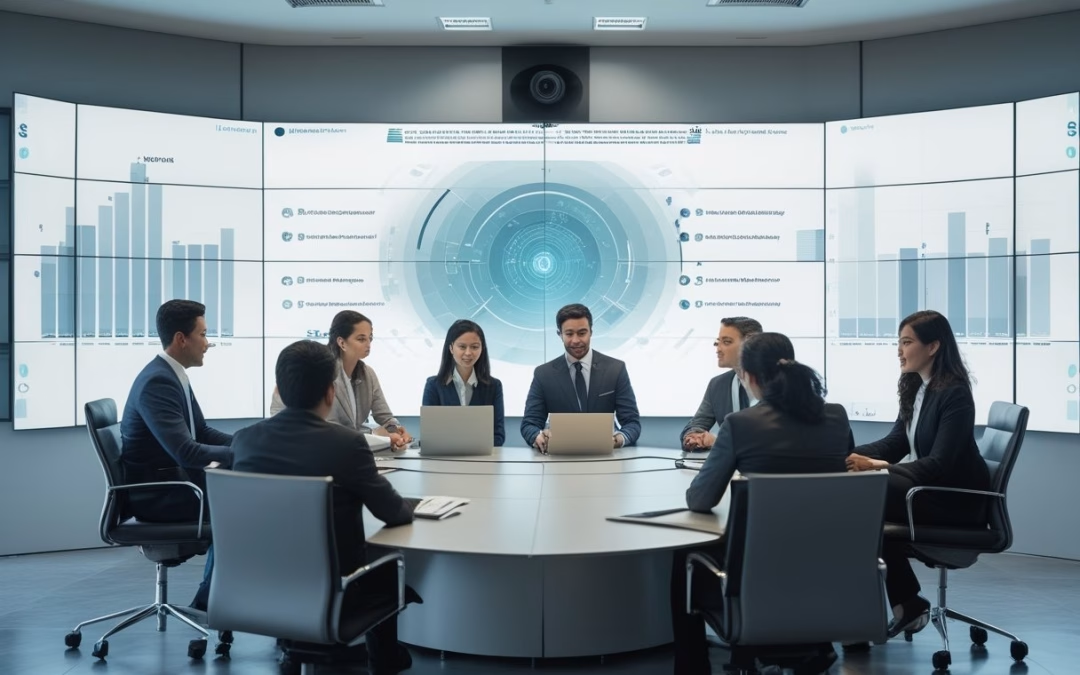
- Visualisasi data pada video wall untuk mendukung pengambilan keputusan berbasis data secara real-time.
- Pemantauan kondisi perangkat guna mengenali anomali sebelum terjadi gangguan.
- Transkripsi dan ringkasan dengan kontrol akses yang jelas.
Tidak semua fitur perlu diterapkan sekaligus. Pilih kapabilitas yang menyelesaikan masalah nyata, lalu uji dengan kondisi kantor yang sebenarnya, termasuk koneksi tidak stabil, ruang terbuka, dan kebiasaan pengguna yang beragam.
Batas antara Fitur Cerdas dan Nilai Bisnis yang Terukur
Kamera yang dapat mengikuti pembicara memang terlihat canggih, tetapi nilainya terbatas jika mikrofon sering gagal menangkap suara atau pengguna tetap membutuhkan bantuan TI untuk memulai rapat. AI bernilai bisnis ketika hasilnya dapat dihubungkan dengan indikator seperti waktu mulai rapat, jumlah tiket dukungan, kualitas partisipasi jarak jauh, dan utilisasi ruang.
Anda perlu meminta vendor menjelaskan cara kerja fitur, kebutuhan jaringan, lokasi pemrosesan data, serta batas akurasinya. Solusi dari mitra lokal seperti MLV Teknologi dapat mengintegrasikan perangkat Extron dengan desain modular yang fleksibel. Penggunaan standar terbuka memastikan sistem mudah dikelola dan diperbarui seiring waktu.
Dampak Operasional terhadap Produktivitas dan Pengalaman Pengguna
Perangkat AV berbasis AI memengaruhi produktivitas melalui detail operasional yang sering dianggap kecil. Kejernihan suara, tampilan peserta yang wajar, dan kemudahan memulai rapat dapat menentukan apakah kolaborasi berjalan lancar atau terhambat.
Kejernihan Audio, Pembingkaian Kamera, dan Kesetaraan Peserta Rapat
Audio tetap menjadi prioritas utama. Mikrofon dengan beamforming, pengurangan gema, dan pemisahan suara dapat membantu peserta mengikuti percakapan meski ruangan memiliki pantulan suara atau gangguan dari area kerja sekitar.
Kamera berbasis artificial intelligence dapat mengatur framing secara otomatis. Dukungan komputasi AI pada perangkat memastikan proses visual berjalan lancar tanpa jeda. Ini membuat peserta jarak jauh memperoleh konteks visual yang lebih baik. Penggunaan video wall yang terintegrasi dengan sensor cerdas membantu menampilkan data kompleks dengan lebih jernih.
Pengelolaan Ruang serta Dukungan TI yang Lebih Efisien
Sensor dan analitik dapat membantu Anda melihat ruang mana yang sering dipakai, kapan terjadi kelebihan kapasitas, dan perangkat mana yang berulang kali bermasalah. Data ini mendukung keputusan tentang penjadwalan, tata letak, dan prioritas investasi.
Diagnostik prediktif juga dapat memberi peringatan sebelum perangkat gagal total. Dampaknya akan terasa jika sistem memiliki pemantauan terpusat, alur eskalasi yang jelas, dan tim yang mampu menindaklanjuti peringatan. Tanpa proses tersebut, dashboard hanya menambah informasi tanpa mempercepat penyelesaian masalah.
Risiko Ketergantungan Otomasi dan Pentingnya Kontrol Manusia
Otomasi tidak selalu menghasilkan pengalaman yang lebih baik. Framing kamera dapat keliru saat peserta duduk tidak beraturan, pengenalan suara dapat terganggu aksen atau kebisingan, dan transkripsi dapat menyimpan informasi sensitif tanpa disadari.
Sediakan kontrol manual, indikator saat AI aktif, serta cara mudah untuk menonaktifkan fungsi tertentu. Tim TI juga perlu memiliki prosedur pemulihan ketika jaringan, platform rapat, atau layanan AI mengalami gangguan. Komunikasi responsif dari penyedia dan instalasi yang tepat, seperti yang ditekankan dalam layanan MLV Teknologi, membantu mengurangi friksi saat sistem digunakan setiap hari.
Kerangka Implementasi yang Aman dan Bernilai
Implementasi AI AV sebaiknya diperlakukan sebagai proyek infrastruktur, bukan pembelian perangkat tunggal. Anda perlu menilai kesiapan teknis, risiko data, perilaku pengguna, dan biaya sepanjang masa pakai sebelum memilih solusi.
Menilai Kesiapan Infrastruktur, Ruang, dan Integrasi Platform
Mulailah dengan audit kondisi ruang: akustik, pencahayaan, posisi layar, jalur kabel, kapasitas jaringan, dan ketersediaan daya. Ruang dengan gema tinggi atau kamera yang terhalang furnitur tidak akan menghasilkan pengalaman baik hanya karena memakai perangkat AI.
Periksa interoperabilitas dengan platform konferensi, kalender, sistem kontrol ruangan, direktori pengguna, dan perangkat keamanan. Mintalah uji coba di ruang nyata, bukan hanya demonstrasi vendor. Ukur waktu mulai rapat, keberhasilan koneksi, kualitas audio, dan kemudahan penggunaan bagi peserta lokal maupun jarak jauh.
Privasi, Keamanan Data, dan Tata Kelola Penggunaan AI
Tentukan data apa yang dikumpulkan, apakah suara atau video dikirim ke layanan cloud, berapa lama data disimpan, dan siapa yang dapat mengaksesnya. Transkripsi rapat, analitik kehadiran, serta pengenalan wajah memerlukan dasar penggunaan yang matang. Aspek keamanan siber harus diperhatikan serius melalui sistem keamanan yang terintegrasi. Hal ini krusial untuk penguatan keamanan jaringan internal guna melindungi data sensitif perusahaan. Mengadopsi prinsip zero trust membantu memastikan bahwa setiap akses perangkat tetap terverifikasi dan aman dari risiko kebocoran.
Buat kebijakan yang menjelaskan kapan AI boleh digunakan dan bagaimana data dihapus. Terapkan autentikasi, enkripsi, pembaruan perangkat lunak, serta segmentasi jaringan. Kerangka manajemen AI membantu Anda membangun tata kelola yang konsisten. Kepatuhan terhadap regulasi AI sangat penting untuk memastikan penggunaan teknologi tetap etis dan aman di Indonesia.
Mengukur Keberhasilan melalui Adopsi, Keandalan, dan Total Biaya Kepemilikan
Gunakan metrik sebelum dan sesudah implementasi, seperti:
- Waktu rata-rata untuk memulai rapat.
- Persentase rapat tanpa bantuan TI.
- Jumlah tiket gangguan AV.
- Kualitas audio yang dinilai pengguna.
- Tingkat pemakaian ruang berdasarkan kapasitas.
- Waktu henti perangkat dan kecepatan pemulihan.
- Biaya lisensi, dukungan, energi, pelatihan, serta penggantian perangkat.
Adopsi pengguna sama pentingnya dengan spesifikasi teknis. Sediakan panduan singkat, pelatihan berbasis skenario, dan kanal bantuan yang mudah diakses. Dengan evaluasi bertahap serta komunikasi yang cepat dari mitra implementasi, Anda dapat memastikan AI benar-benar meningkatkan produktivitas korporasi pada 2026, bukan sekadar mempercantik ruang rapat.
by Melvin Halpito | Jul 21, 2026 | Article
Memahami Pixel Pitch dan Dampaknya pada Hasil Visual
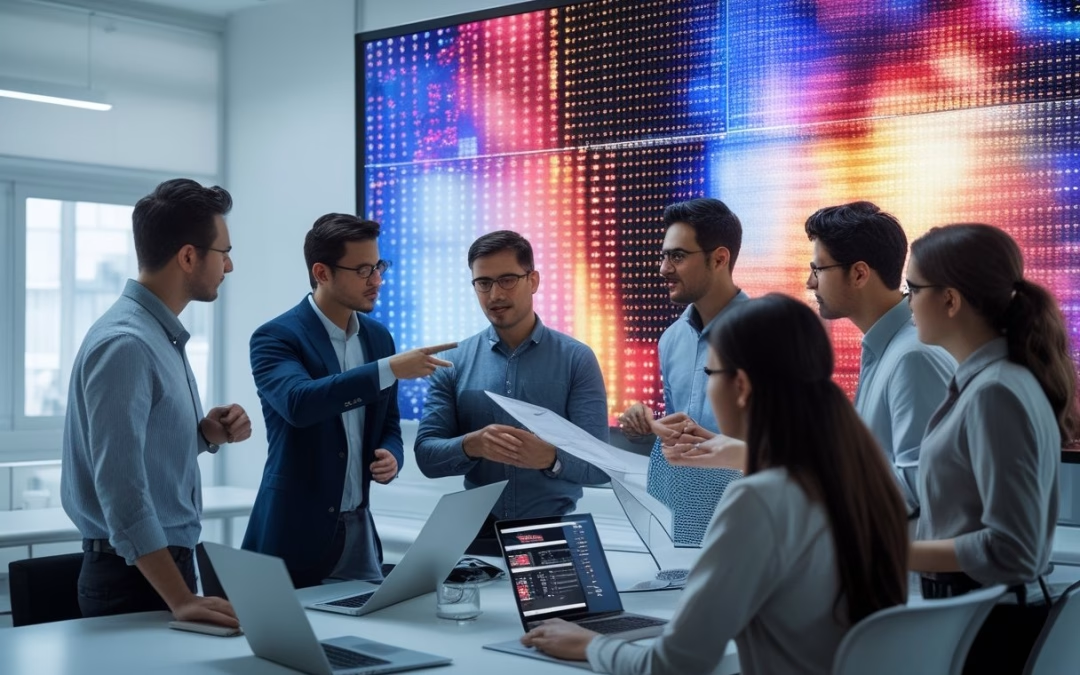
Pixel pitch adalah titik awal yang paling penting saat Anda menilai layar led buatan LEDman, karena angka ini langsung memengaruhi ketajaman gambar, jarak pandang yang nyaman, dan hasil visual di ruang kerja Anda.
Jika Anda memilih terlalu rapat atau terlalu renggang tanpa melihat kebutuhan proyek, layar bisa terasa mahal di awal, tetapi tidak optimal saat dipakai harian.
Arti Pixel Pitch pada Layar LEDman
Pixel pitch adalah jarak antar titik LED, biasanya dalam milimeter. Semakin kecil angkanya, semakin rapat susunan LED dan semakin halus tampilan gambar yang Anda lihat dari dekat. Dalam proyek kantor, hal ini sangat menentukan resolusi videotron indoor agar teks presentasi dan detail grafis tetap jelas.
Hubungan Jarak Pandang dengan Kerapatan Pixel
Jarak pandang penonton menentukan seberapa kecil pixel pitch yang benar-benar Anda butuhkan. Untuk ruang meeting, jarak dekat sering menuntut pitch kecil seperti p1.2 agar gambar tidak terlihat pecah. Untuk lobby atau area komersial yang dilihat dari jarak lebih jauh, pitch seperti p3 bisa tetap memadai dan lebih efisien dari sisi anggaran.
Pengaruh Resolusi, Ketajaman, dan Ukuran Layar
Ukuran layar saja tidak menjamin hasil yang tajam. Resolusi videotron akhir terbentuk dari kombinasi ukuran fisik layar led dan pixel pitch, jadi layar besar dengan pitch yang salah bisa tetap terlihat kasar. Dalam praktik proyek, Anda perlu menyeimbangkan ketajaman, ukuran tampilan, dan posisi audiens agar hasilnya nyaman dilihat sepanjang hari.
Menentukan Spesifikasi Sesuai Kebutuhan Proyek
Spesifikasi yang tepat selalu dimulai dari fungsi ruang, bukan dari katalog produk. Anda perlu membaca pola penggunaan harian, kondisi cahaya, dan jenis konten agar layar LEDman bekerja sesuai kebutuhan nyata di lokasi.
Kebutuhan Ruang Meeting, Lobby, dan Area Komersial
Ruang meeting biasanya memerlukan pitch lebih rapat seperti p2.5 karena audiens duduk dekat layar dan sering membaca teks kecil atau angka. Lobby dan area komersial cenderung memberi jarak pandang lebih longgar, sehingga Anda bisa menimbang pitch yang lebih ekonomis tanpa mengorbankan keterbacaan. Dari pengalaman lapangan, kesalahan paling sering muncul saat kebutuhan videotron outdoor dan indoor disamakan perlakuannya. Padahal, pemasangan di luar ruangan mungkin membutuhkan pitch p4 atau p10 yang lebih sesuai dengan skala pandang publik.
Kondisi Pencahayaan dan Sudut Pandang Penonton
Cahaya ambient di ruang aktif sangat memengaruhi persepsi gambar. Berbeda dengan resolusi videotron outdoor yang membutuhkan tingkat kecerahan tinggi, layar led di dalam ruangan harus menyeimbangkan kontras agar tetap nyaman dipandang. Sudut pandang juga penting, karena penonton yang melihat dari samping tetap harus mendapat gambar yang stabil dan tidak mudah berubah warna.
Pertimbangan Konten yang Ditampilkan
Konten presentasi eksekutif, video promosi, dan dashboard operasional punya kebutuhan berbeda. Teks kecil dan data detail cenderung meminta pitch yang lebih rapat, sedangkan visual bergerak untuk branding bisa lebih fleksibel. Saat Anda sering berganti jenis konten, pilih spesifikasi yang aman untuk skenario paling menuntut, bukan yang hanya cukup untuk tampilan paling sederhana.
Menyeimbangkan Anggaran, Instalasi, dan Keandalan Jangka Panjang
Keputusan yang baik tidak berhenti pada harga pembelian. Anda juga perlu menilai kesiapan struktur, integrasi sistem, dan kemudahan perawatan supaya investasi tetap masuk akal saat dipakai jangka panjang.
Trade-Off antara Biaya Awal dan Kualitas Tampilan
Pitch yang lebih kecil hampir selalu berarti biaya lebih tinggi, karena komponen LED yang lebih rapat dan sistem yang lebih presisi. Di sisi lain, pitch yang terlalu besar bisa membuat tampilan kurang nyaman, terutama untuk ruang dekat. Anda perlu menimbang apakah tambahan biaya untuk mengejar resolusi videotron yang tinggi di awal akan terbayar oleh kenyamanan baca, citra ruang, dan umur pakai yang lebih sesuai.
Kesiapan Struktur, Integrasi Sistem, dan Perawatan
Sebelum pemasangan, struktur dinding, akses servis, jalur listrik, dan ventilasi harus dicek dengan rapi. Di kantor aktif, instalasi yang bersih dan minim gangguan sangat penting agar operasional harian tetap jalan. Integrasi dengan sistem presentasi, kontrol, dan sumber konten juga perlu direncanakan sejak awal, supaya layar tidak menjadi aset yang sulit dipakai.
Peran Konsultasi Teknis untuk Meminimalkan Salah Spesifikasi
Asesmen lokasi sering menentukan sukses atau gagalnya proyek LED. Konsultasi teknis membantu Anda membaca jarak pandang, arah cahaya, titik akses instalasi, dan kebutuhan integrasi sebelum keputusan dibekukan. Dalam proyek seperti ini, tim seperti MLV Teknologi biasanya berguna karena bisa menghubungkan kebutuhan ruang, instalasi yang rapi, dan koordinasi kerja yang tidak mengganggu aktivitas kantor.
by Melvin Halpito | Jul 20, 2026 | Article
Dasar Teknologi LEDman Yang Perlu Dipahami
Kalau Anda memilih LEDman untuk ruang kerja, keputusan paling penting bukan sekadar melihat terang atau harga, melainkan menyesuaikan teknologi panel dengan jarak pandang, tingkat aktivitas ruangan, dan kebutuhan perawatan.
Memahami perbedaan antara led smd dan led cob sangat krusial bagi pengelola gedung maupun desainer interior. Keduanya menawarkan keunggulan unik dalam ekosistem layar led modern saat ini.
Cara Kerja Panel SMD Dan COB
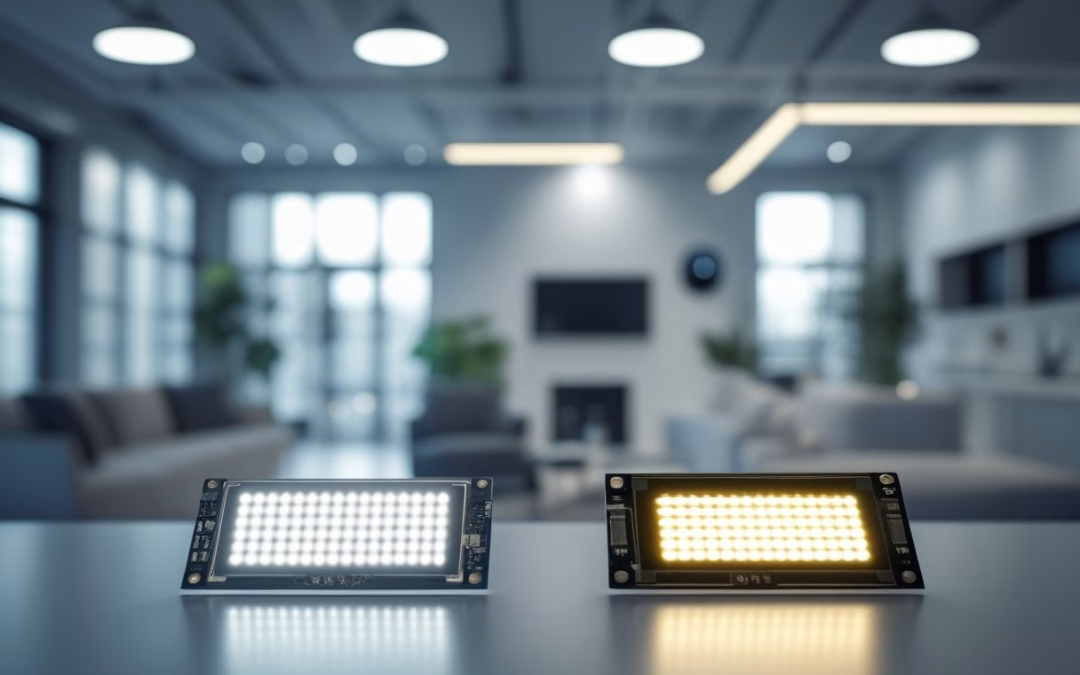
SMD atau surface mounted device memakai dioda merah, hijau, dan biru yang dipasang di permukaan PCB. Struktur ini membuat panel lebih fleksibel untuk produksi dan lebih mudah dirawat. Sementara itu, chip on board atau COB menanam chip LED langsung ke papan lalu menutupnya dengan resin.
Dalam praktik AV, perbedaan cara kerja ini langsung terasa saat instalasi dan penggunaan harian. SMD cocok saat Anda butuh sistem yang matang, mudah diservis, dan tersedia luas. COB lebih kuat saat Anda mengejar permukaan yang halus, perlindungan fisik lebih baik, dan tampilan dekat yang lebih nyaman.
Perbedaan Tampilan, Ketahanan, Dan Kerapatan Piksel
Smd led cenderung memberi titik cahaya yang lebih jelas, terutama jika Anda berdiri terlalu dekat. Pada pixel pitch yang lebih besar, visualnya tetap tajam untuk jarak menengah. Sedangkan cob led memberi tampilan yang lebih rata dan lembut, sehingga lebih enak dilihat dari dekat.
Dari sisi ketahanan, COB biasanya lebih siap untuk area dengan risiko sentuh, benturan ringan, atau paparan debu yang lebih tinggi. Kerapatan piksel yang rapat juga lebih sering diasosiasikan dengan COB untuk indoor premium. SMD tetap unggul saat Anda butuh biaya yang lebih efisien dan perbaikan lapangan yang sederhana. Teknologi terbaru bahkan mulai memperkenalkan micro led yang menawarkan kontras jauh lebih tinggi untuk kebutuhan visual ekstrem.
Dampak Teknologi Terhadap Pengalaman Visual Pengguna
Pengguna akhir sering tidak menyebut istilah teknis, tetapi mereka langsung merasakan pantulan, ketajaman, dan kenyamanan mata. COB biasanya terasa lebih tenang untuk ruang yang dipakai lama, seperti ruang kontrol atau boardroom, karena permukaannya lebih halus dan seragam. SMD lebih cocok saat Anda mengejar visibilitas kuat dari berbagai sudut dan jarak yang tidak terlalu dekat.
Jika ruang Anda sering dipakai untuk presentasi, meeting, dan video conference, pengalaman visual yang stabil sering lebih penting daripada sekadar spesifikasi di atas kertas. Di titik ini, konsultasi teknis dari tim seperti MLV Teknologi membantu Anda menilai apakah ruang Anda lebih cocok ke SMD atau COB berdasarkan pola pakai nyata, bukan asumsi umum.
Faktor Penentu Pemilihan Berdasarkan Kondisi Ruang
Pilihan yang tepat hampir selalu ditentukan oleh konteks ruang, bukan oleh teknologi yang paling baru. Jarak pandang, cahaya ruangan, dan tingkat risiko fisik akan mengubah hasil akhir secara nyata.
Jarak Pandang Dan Ukuran Area Tampilan
Untuk ruang besar dengan jarak pandang menengah hingga jauh, SMD sering lebih masuk akal karena efisien dan cukup aman secara visual. Saat Anda duduk dekat layar led, terutama di ruang meeting kecil, COB memberi pengalaman yang lebih halus. Semakin rapat pitch yang dibutuhkan, semakin penting Anda mengecek apakah tampilan akan dilihat dari 1–3 meter atau dari 5 meter ke atas.
Ukuran area tampilan juga berpengaruh pada biaya total. Panel besar dengan resolusi tinggi membuat perbedaan biaya antara SMD dan videotron cob menjadi terasa. Pemetaan jarak duduk paling dekat sering lebih berguna daripada sekadar membandingkan spesifikasi panel.
Pencahayaan Ruangan Dan Kontrol Pantulan
Ruangan dengan banyak cahaya alami atau lampu plafon yang kuat perlu perhatian khusus pada pantulan dan kontras. COB lebih nyaman saat Anda ingin permukaan terlihat lebih rata dan tidak terlalu kasar di mata. SMD masih aman dipakai, selama posisi layar, sudut pandang, dan kontrol cahaya ruangan diatur dengan benar.
Pada lobby dan area publik indoor, Anda biasanya tidak mengontrol semua kondisi cahaya. Maka, pemilihan finish layar, tingkat kecerahan, dan penempatan menjadi sama pentingnya dengan jenis panel. Banyak proyek gagal bukan karena teknologinya salah, melainkan karena pantulan dan pencahayaan ruangan diabaikan sejak awal.
Risiko Sentuhan, Debu, Dan Intensitas Pemakaian
Jika layar ditempatkan di area dengan lalu lintas tinggi, risiko sentuhan dan debu tidak bisa dianggap kecil. COB punya keunggulan saat panel sering terpapar aktivitas fisik ringan atau dibersihkan lebih sering. SMD tetap relevan, tetapi Anda perlu lebih disiplin pada proteksi fisik dan akses maintenance.
Intensitas pemakaian juga menentukan umur layanan yang Anda rasakan. Ruang yang hidup 12–24 jam per hari menuntut kestabilan termal dan rencana servis yang jelas. Untuk ruang aktif seperti ini, solusi instalasi yang rapi dan minim gangguan operasional sering lebih bernilai daripada sekadar memilih panel yang paling mahal.
Panduan Rekomendasi Untuk Lingkungan Komersial
Rekomendasi yang paling aman datang dari cara pakai ruang, bukan dari label teknologi. Pada lingkungan komersial, kebutuhan visual, operasional, dan perawatan harus dibaca sebagai satu paket.
Ruang Meeting Dan Boardroom
Untuk ruang meeting dan boardroom, COB sering lebih unggul jika peserta duduk dekat layar dan presentasi berlangsung lama. Tampilan yang lebih halus membantu saat Anda membaca teks, grafik, atau tampilan video conference. Jika ruangnya kecil dan pencahayaan sulit dikendalikan, COB memberi margin kenyamanan yang lebih baik.
SMD tetap tepat jika boardroom Anda lebih besar, jarak pandangnya menengah, dan anggaran perlu dijaga. Dalam proyek kantor yang aktif, instalasi yang tidak mengganggu pekerjaan harian juga penting. Di sinilah pendekatan konsultasi dan eksekusi yang rapi, seperti yang biasa dikerjakan MLV Teknologi, membantu Anda menyeimbangkan kualitas tampilan dan kelancaran operasional.
Lobby, Retail, Dan Area Publik Indoor
Untuk lobby dan retail, SMD sering dipilih karena fleksibel, terang, dan cocok untuk menarik perhatian dari jarak lebih jauh. Saat area cukup luas dan konten visual berubah-ubah, SMD memberi hasil yang praktis dan ekonomis. COB lebih pas jika Anda ingin tampilan premium di area resepsionis atau display yang dilihat dekat.
Di area publik indoor, daya tahan fisik dan kemudahan servis perlu masuk ke daftar prioritas. Layar yang mudah diakses teknisi dan tidak merepotkan saat perawatan harian biasanya lebih bernilai daripada spesifikasi yang hanya bagus di brosur. Pemilik bisnis sering lebih untung saat desain sistem mempertimbangkan downtime sesedikit mungkin.
Command Center Dan Ruang Operasional Kritis
Command center menuntut konsistensi tampilan, kenyamanan mata, dan stabilitas jangka panjang. COB biasanya lebih kuat untuk skenario ini karena gambar terasa lebih halus dan nyaman saat dipantau terus-menerus. Untuk ruang yang dipakai operator dalam shift panjang, perbedaan kecil pada kejernihan visual bisa berdampak pada fokus kerja.
SMD masih bisa menjadi pilihan jika ruangnya lebih besar, pantauan dilakukan dari jarak tertentu, dan efisiensi biaya tetap menjadi target utama. Yang paling penting adalah integrasi sistem, akses servis, dan pemasangan yang tidak mengganggu operasional. Untuk ruang kritis seperti ini, Anda sebaiknya menilai teknologi bersama tim AV yang paham konteks kerja lapangan, bukan hanya mengejar spesifikasi teknis tertinggi.

Recent Comments