
by Melvin Halpito | Apr 20, 2026 | Article
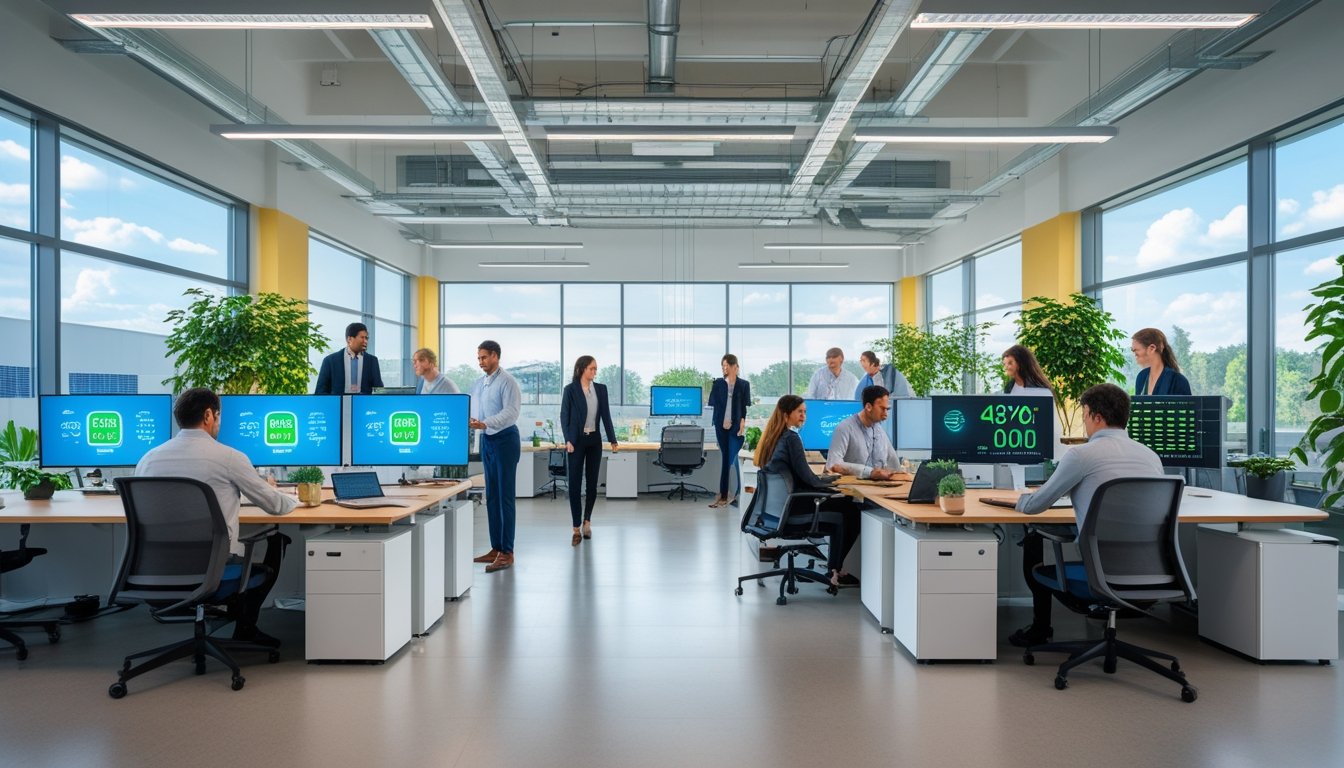
You will find new ways to link MLV Teknologi with global OEMs to shift from selling hardware bundles to delivering complete, integrated workplace ecosystems. They show how combining systems, software, and services can cut friction, improve uptime, and make teams work smarter across locations.
This shift lets companies replace one-off devices with platforms that unite tools, data, and workflows so operations run smoother and costs drop. They can use modular designs, cloud services, and better supplier collaboration to scale faster and stay competitive.
Key Takeaways
- Companies gain operational consistency by moving to platform-based workplace solutions.
- Integrated systems reduce downtime and simplify maintenance across sites.
- Cloud, modular hardware, and connected services enable faster scaling and innovation.
From Hardware Bundles to Integrated Workplace Ecosystems

MLV Teknologi connects AV devices, room control, security, and displays into a single operational layer. The work focuses on integration, vendor partnerships, and services that turn stacked hardware into managed workplace functions.
MLV Teknologi’s System Integration Approach
MLV Teknologi acts as an AV system integrator that designs and builds complete installations. It teams with global OEMs and local partners to combine LED displays, video walls, conferencing gear, and control systems into one platform. Projects often include site surveys, room programming, cabling, and on-site commissioning.
They emphasize repeatable templates for meeting rooms, huddle spaces, and public areas. This lowers deployment time and reduces configuration errors. The company also offers training and aftercare so operations teams can manage devices and workflows without constant vendor intervention.
For customers, the benefit is predictable performance and a single vendor relationship for hardware, software, and services. MLV Teknologi lists its capabilities and projects on its site, which provides contact and location details for further inquiry (mlvteknologi.com).
The Shift Towards Smart Office Solutions
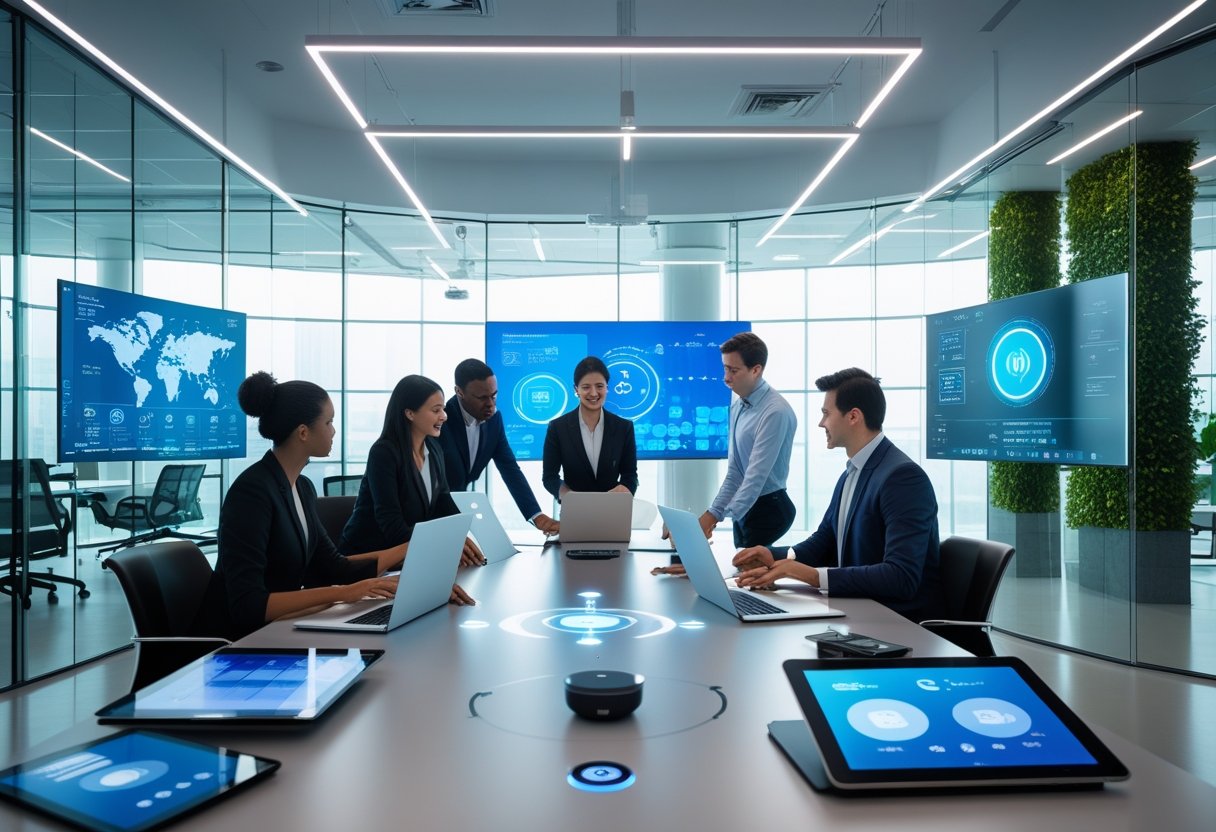
Organizations now demand systems that manage space, AV, and security together. Smart office solutions add sensors, room booking, and automated controls to traditional AV setups. This turns equipment bundles into services that schedule rooms, optimize energy use, and improve meeting experiences.
MLV Teknologi integrates Crestron or Extron control with displays from Planar and Samsung to enable centralized control and consistent user interfaces. Automation can pause AV sources, adjust lighting, or switch cameras based on meeting state. These workflows reduce meeting friction and support hybrid work patterns.
Decision makers value measurable outcomes: reduced idle rooms, faster meeting starts, and fewer helpdesk tickets. That makes investment in smart office systems easier to justify than buying isolated hardware items.
Role of Global OEMs in Ecosystem Transformation
Global OEMs like Extron, Crestron, Planar, and Samsung provide standardized, enterprise-grade components that system integrators use to build ecosystems. OEMs supply reliable hardware, developer APIs, and management tools that simplify large deployments and remote support.
They also offer certification, warranty, and software updates that protect long-term investments. MLV Teknologi partners with these OEMs to match product capabilities to client needs and to scale solutions across buildings. OEM collaboration helps with interoperability testing and creating design-and-build packages that speed procurement and installation.
Together, integrator and OEMs move clients from one-off hardware purchases to platforms that can be monitored, updated, and extended as workplace needs change. See reporting on MLV Teknologi’s OEM collaborations for examples of these partnerships in action (MLV Teknologi and Extron partnership).
Key Technologies Powering Modern Workplace Integration
These technologies connect displays, audio, sensors, and control systems into a single operational layer. They enable predictable meeting experiences, centralized monitoring, and data-driven room and building management.
AV System Integration and Digital Signage
AV system integration ties displays, video walls, and sound systems to a central control plane. It links interactive flat panels, LED displays, and videotron screens with video matrixing and signal management to deliver seamless presentations and branded digital signage.
For large venues, distributed AV over IP reduces cabling and simplifies signal routing. Matrix switchers, encoders/decoders, and networked media players handle multi-source distribution while preserving resolution and low latency.
Sound design matters: quality loudspeakers, ceiling arrays, and microphone systems—such as omnidirectional mics and noise-cancellation processors—ensure intelligible speech in hybrid meetings. Control systems standardize room presets, volume, and input switching through touch panels or mobile apps.
Integrators must plan infrastructure: rack space, power, cable pathways, and service access. MLV Teknologi’s work shows how integrated AV supports both corporate communications and public-facing displays like lobby video walls and wayfinding signage (see integration example).
Smart Meeting and Command Center Solutions
Smart meeting solutions combine room booking, sensor data, conferencing devices, and automations to reduce friction. A meeting room can auto-select camera presets, set lighting scenes, and route the correct AV source when a booking starts. Interactive whiteboards and collaboration displays sync content to cloud services for immediate sharing and archival.
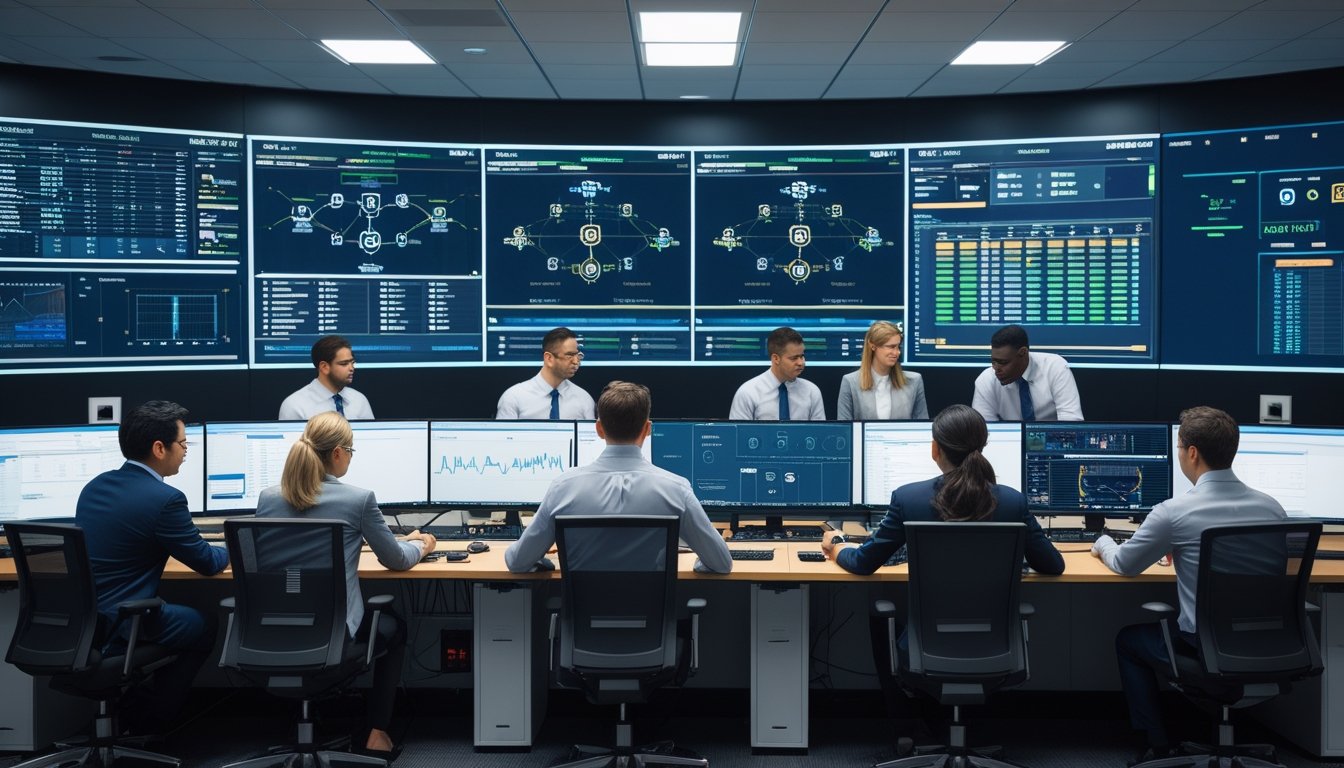
Command centers consolidate CCTV feeds, analytics, and building sensors for situational awareness. Video walls and control-room processors present prioritized alerts, while access control and visitor systems feed security workflows. Integrated CCTV plus video analytics enables event detection and faster incident response.
Resilient network design, redundant display controllers, and clear operator interfaces matter most. Service-level agreements and on-site support keep critical rooms and command centers available.
Collaboration, Productivity, and Operational Efficiency
Collaboration tech pairs conferencing hardware with software services to improve remote teamwork and meeting outcomes. High-quality cameras, beamforming microphones, and echo-canceling audio increase meeting usability. Peripherals and room kits standardize the user experience across sites and reduce setup time.
Operational efficiency grows from sensor-driven space management. Occupancy sensors, desk booking platforms, and room analytics feed utilization dashboards so facilities teams can reassign space and cut costs. IoT integrations—HVAC triggers, lighting control, and automated room sanitization—tie operational systems to room state.
AI and analytics add value: meeting transcription, participant presence detection, and noise-level monitoring help optimize policies and equipment placement. Post-installation support, spare-part planning, and maintenance contracts ensure long-term performance for enterprise-scale AV and smart office deployments.
by Melvin Halpito | Apr 19, 2026 | Article
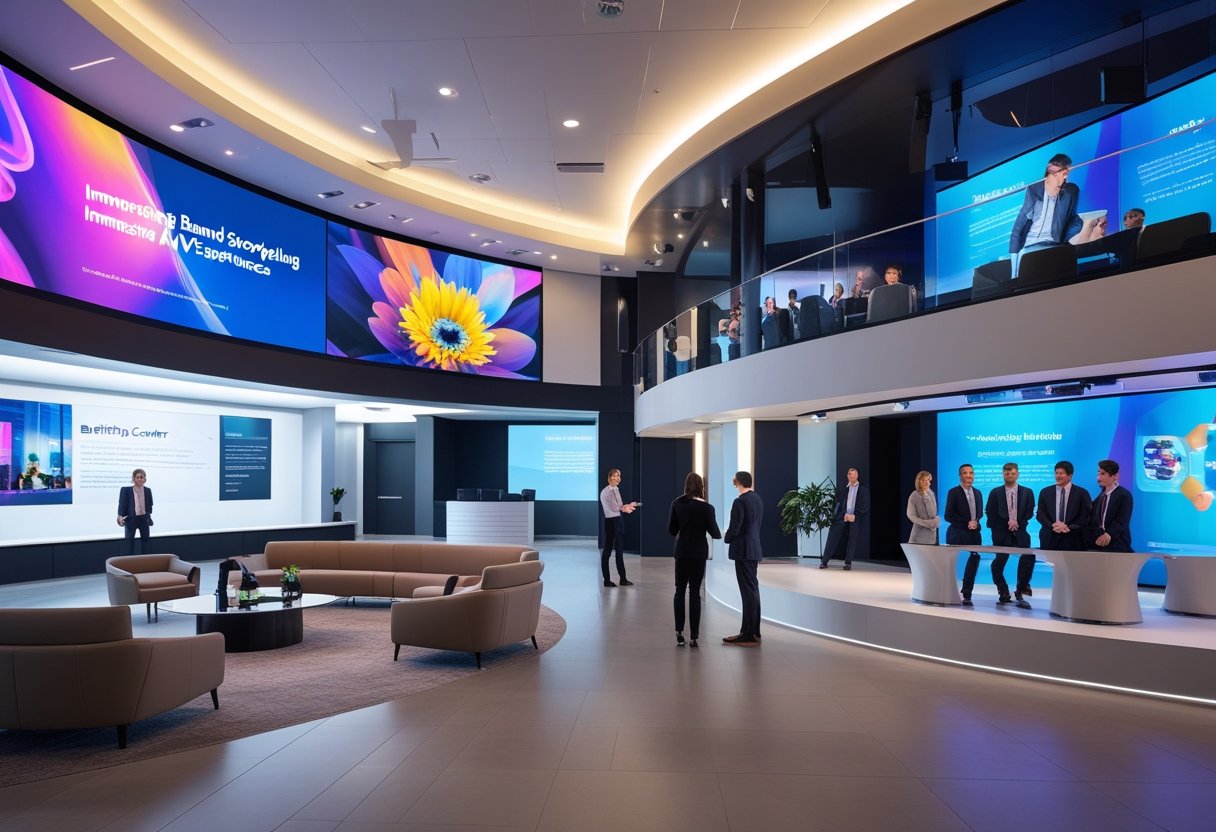
You step into a lobby, briefing center, or product theater and feel a message instead of just seeing one. AV design turns architecture into a storytelling, using light, sound, motion, and interactivity to make brand values immediate and memorable. When you place purposeful AV in these key spaces, you speed understanding, build trust, and make your brand easier to recall.
This article shows how to use AV in lobbies, briefing centers, and product theaters to shape perception and drive action. It explains what matters most—visual clarity, consistent narrative, and immersive interaction—and gives practical ideas you can apply to your own spaces to make every visit purposeful and persuasive.
Key Takeaways
- Use AV to communicate brand identity quickly and clearly.
- Design experiences that align visuals, sound, and interaction.
- Choose spaces that convert interest into meaningful engagement.
Core Principles of Brand Storytelling Through AV
Brand storytelling should guide visitor movement, reveal brand values, and create moments that build loyalty. AV design must map content to space, emotion, and brand identity to deliver clear, repeatable experiences.
Defining Brand Narrative in Physical Spaces
They must translate the brand story into a physical sequence of moments. Start by mapping the visitor journey: entry, focal points, decision spots, and exit. Place key brand messages at high-attention zones like lobby sightlines, briefing-center demo stations, and product-theater stages.
Use consistent visual and verbal cues: logo treatment, color palette, typography, and short taglines. Tie those cues to measurable goals such as recall, demo requests, or sales leads. Ensure architecture supports storytelling—sightlines, acoustics, and lighting should guide attention to narrative beats.
Align every AV asset with brand positioning and values. Avoid generic stock content; use bespoke visuals and real customer stories to strengthen brand identity and consumer engagement.
Emotional Connection and Brand Experience
They must design AV to trigger specific emotions tied to brand values. Identify the desired feeling—trust, excitement, or comfort—and craft audio, pacing, and imagery to elicit it. For example, a briefing center aiming for trust uses calm lighting, slower cuts, and testimonial audio.
Use human voices and real-world footage to increase authenticity. Music and voiceover should match the emotional arc: tension at challenge points, resolution when the product solves a problem. Small tactile or scent cues in lobbies can reinforce the on-screen message and deepen emotional impact.
Measure emotional outcomes with simple metrics: dwell time, repeat visits, and qualitative feedback from guided tours. These link emotional connection to brand loyalty and long-term customer experience.
Multisensory Engagement with AV Technology
They must layer sight, sound, and motion to make stories immersive without overwhelming visitors. Combine high-quality displays with directional audio and subtle motion (kinetic walls, moving light) to focus attention. Use interactive touchpoints in product theaters so visitors can control pacing and explore features.
Optimize AV for clarity: readable on-screen text, consistent audio levels, and lighting that prevents glare. Integrate sensors and content scheduling so experiences change by time of day or audience size. That adaptability supports multipurpose spaces and keeps the brand experience fresh.
Balance novelty with purpose. Every multisensory element should reinforce the brand narrative and drive consumer engagement toward a clear action, like signing up for a demo or visiting a product table.
AV-Driven Immersive Environments: Lobbies, Briefing Centers, and Product Theaters
These spaces use visual and audio technology to shape first impressions, explain complex ideas, and showcase products in motion. They rely on integrated AV systems, adaptable room elements, and content that responds to visitors to deliver clear, memorable brand messages.
Interactive Displays and Digital Signage in Lobbies
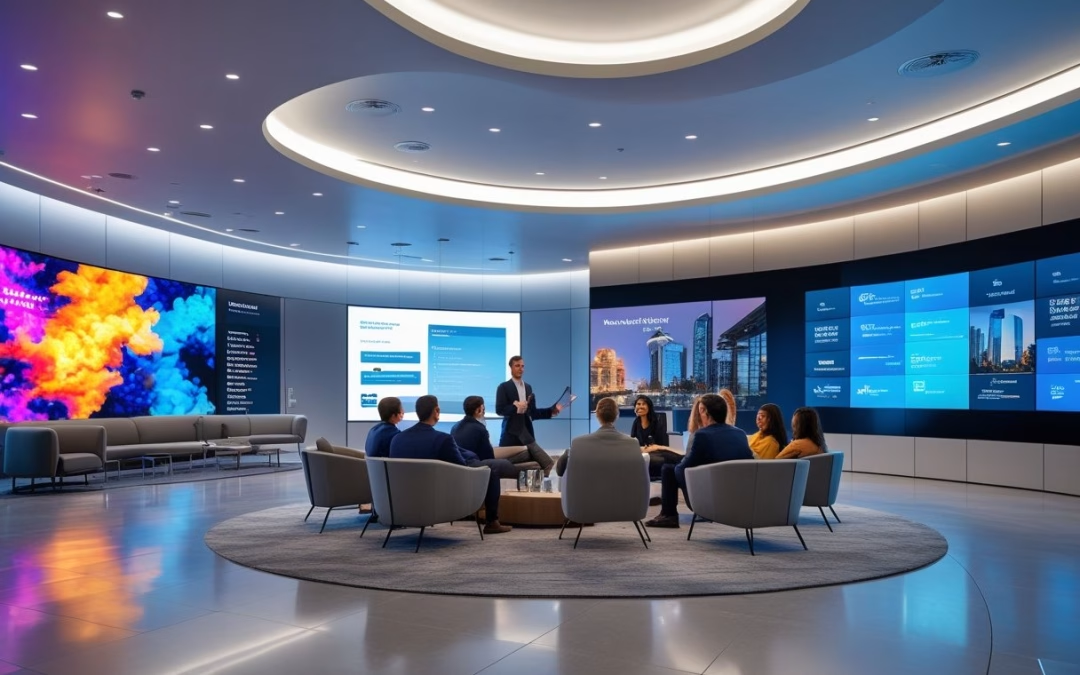
Lobbies act as the brand’s open door. They pair large-format digital signage, touch-enabled kiosks, and smart mirrors to greet visitors with tailored content. Displays can show live building wayfinding, event schedules, or personalized welcome messages pulled from CRM systems.
Designers should specify energy-efficient displays and smart lighting systems that dim or color-shift with content to save power and match brand tones. Remote monitoring lets facilities staff check screen health and content playback without onsite visits.
Practical layout tools include retractable screens and movable walls that reconfigure the lobby for events or quiet waiting areas. Operators often combine static hardware with cloud-based content managers so teams update messaging centrally and push regional variations fast.
Immersive Storytelling in Briefing Centers
Briefing centers convert complex services into tangible experiences using immersive soundscapes, high-resolution projection, and architectural design integration. They use spatial audio and synchronized lighting cues to guide attention and create emotional context for technical demos.
Interactive elements—AR stations, interactive displays, and multi-touch tables—let visitors explore scenarios and data at their own pace. Multipurpose spaces use retractable screens and movable walls so one room supports a demo, a hands-on workshop, or a formal presentation.
Data-driven personalization improves engagement. Systems read visitor intent from registrations and present tailored sequences. Facilities integrate dynamic AV systems with building controls to adjust HVAC and lighting for comfort while keeping energy-efficient building goals in mind.
Product Theaters: Dynamic Brand Showcases
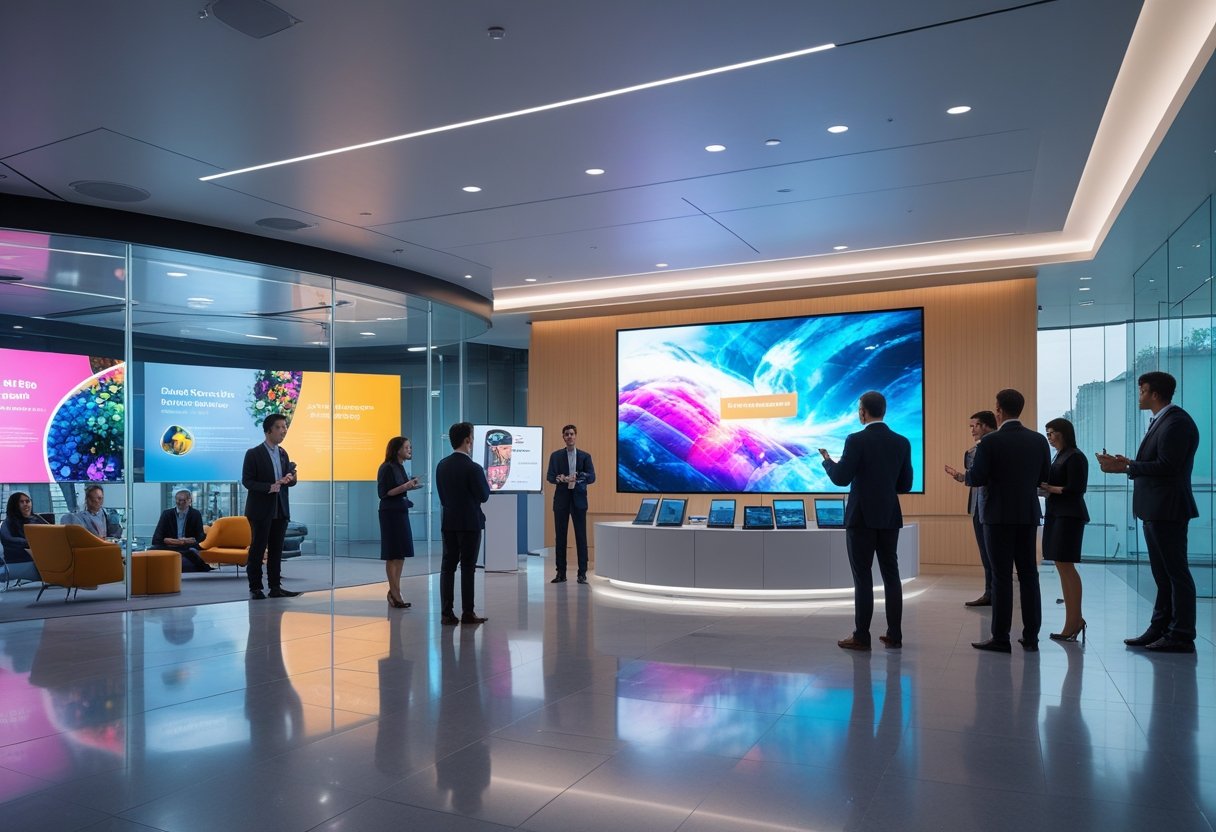
Product theaters stage products with timed lighting, projection mapping, and integrated sound to show features in real conditions. They combine demo pods, immersive projection, and live operator stations so staff switch between guided tours and self-led exploration.
Architectural design and AV technology merge to hide speakers, projectors, and cables for a seamless look. Movable staging and retractable screens let teams swap demos quickly between sessions and adapt theater size for audiences.
Operators use analytics from interactive displays and sensors to measure dwell time and interaction rates. This data feeds content loops and schedules, helping teams refine experiences and prove the theater’s impact on customer engagement.
by Melvin Halpito | Apr 19, 2026 | Article
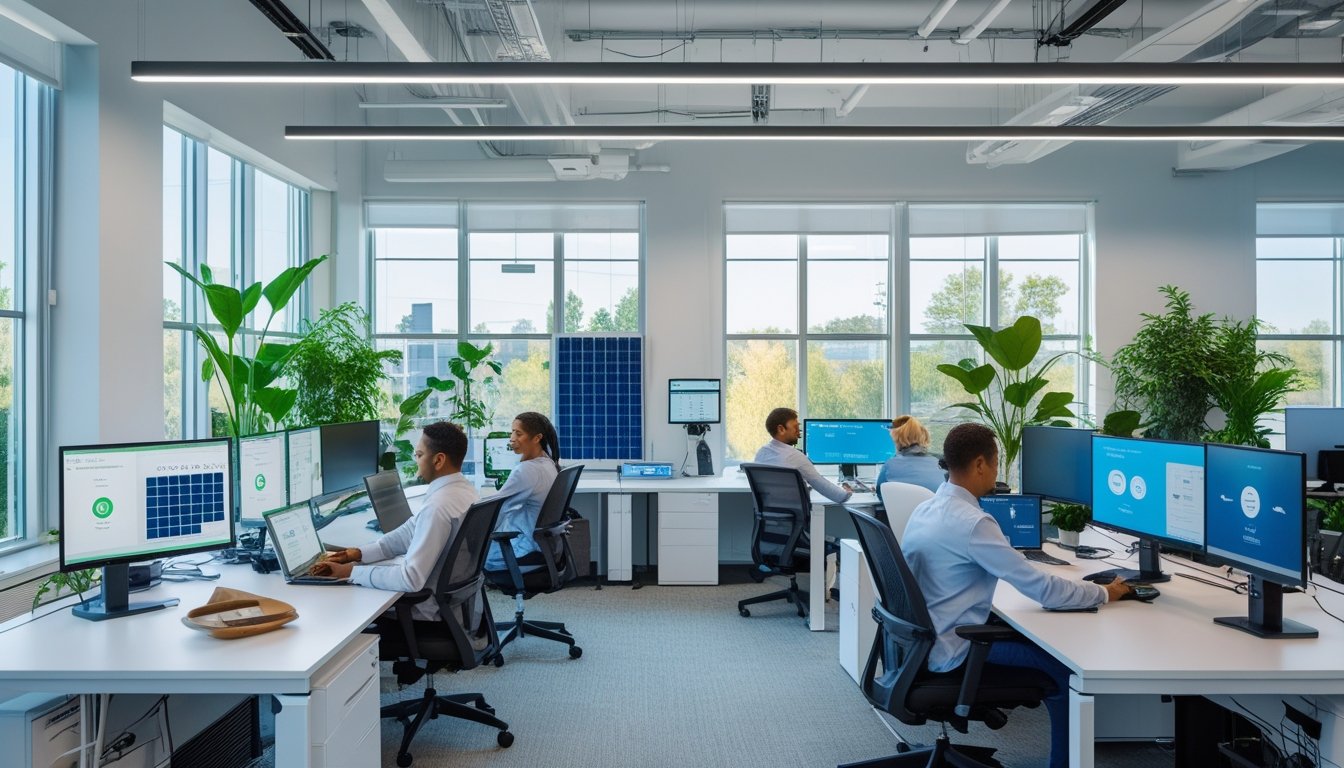
Anda bisa mengubah kantor dari beban biaya menjadi aset iklim dan modal dengan teknologi yang sadar energi. Dengan data real-time dari sensor dan platform manajemen energi, Anda akan melihat pengurangan penggunaan energi, bukti kepatuhan ESG, dan peluang penghematan biaya yang nyata. Teknologi kantor yang mengukur dan mengotomasi pemakaian energi memberi ROI cepat sekaligus menurunkan emisi dan biaya operasional.
Pikirkan soal sensor yang mematikan lampu dan HVAC saat ruang kosong, sistem yang mengoptimalkan konsumsi air, dan dashboard yang menghubungkan metrik ESG ke keputusan sewa atau renovasi. Anda akan mendapatkan bukti yang bisa ditunjukkan pada pemangku kepentingan, meningkatkan reputasi perusahaan, dan mengunci penghematan yang terus berjalan.
Ringkasan Utama
- Kantor bisa jadi aset strategi keberlanjutan dengan pengukuran energi yang akurat.
- Otomasi dan sensor memangkas pemborosan dan menurunkan biaya operasional.
- Data ESG membantu kepatuhan, keputusan ruang, dan menarik talenta serta klien.
Peran ESG dan Strategi Berkelanjutan dalam ROI Kantor Modern
Perusahaan yang mengadopsi kebijakan ESG dan strategi keberlanjutan mengurangi biaya operasional, menaikkan nilai merek, dan membuka akses modal lebih baik. Langkah praktis meliputi efisiensi energi, pelaporan yang transparan, dan program sosial yang meningkatkan retensi penyewa dan produktivitas karyawan.
Keterkaitan ESG, Strategi Berkelanjutan, dan Pengembalian Investasi
Implementasi teknologi hemat energi—seperti sensor HVAC, lampu LED terintegrasi, dan sistem manajemen energi—menurunkan konsumsi listrik dan biaya utilitas langsung. Penghematan ini terlihat pada arus kas operasional dan meningkatkan cap rate properti kantor.
Strategi keberlanjutan memperpanjang umur aset lewat retrofit yang menurunkan kebutuhan pemeliharaan. Selain itu, properti dengan sertifikasi hijau sering mendapatkan tingkat hunian lebih tinggi dan sewa premium, sehingga menaikkan valuasi properti.
Poin-poin utama:
- Pengurangan biaya utilitas = ROI operasional lebih cepat.
- Retrofit & manajemen fasilitas = pengeluaran CAPEX lebih efisien.
- Sewa premium & hunian stabil = peningkatan nilai aset jangka panjang.
Dampak ESG pada Nilai Merek dan Akses Modal
Investasi dalam ESG meningkatkan persepsi merek dan mempermudah negosiasi dengan penyewa korporat yang mengutamakan keberlanjutan. Perusahaan properti yang menunjukkan kinerja ESG baik lebih mudah menarik penyewa kelas atas dan mempertahankan tingkat hunian.
Di sisi pembiayaan, lembaga keuangan dan investor institusional memberi kondisi kredit lebih menguntungkan untuk aset dengan metrik ESG kuat. Ini termasuk suku bunga pinjaman lebih rendah, akses ke green bonds, dan peningkatan minat investor yang mencari produk berkelanjutan.
Fakta praktis:
- Brand value yang kuat menurunkan churn penyewa.
- Akses modal lebih murah mempercepat proyek retrofit.
- Investor ESG-minded menaikkan likuiditas pasar untuk aset tersebut.
Transparansi Korporasi dan Laporan ESG untuk Peningkatan Kinerja Keuangan
Pelaporan ESG yang jelas dan terstandar membantu manajemen mengidentifikasi area penghematan dan risiko keuangan yang tersembunyi. Data penggunaan energi, emisi CO2, dan indikator sosial menyediakan dasar untuk keputusan investasi yang mengoptimalkan total biaya kepemilikan.
Transparansi juga memperkuat kepercayaan investor dan kreditur. Laporan berkala sesuai standar internasional memudahkan perbandingan kinerja ESG dan memberi sinyal bahwa perusahaan menjaga tata kelola yang baik.
Tindakan yang direkomendasikan:
- Terapkan sistem pengukuran energi real-time.
- Laporkan metrik ESG dengan standar yang diterima pasar.
- Gunakan hasil laporan untuk perencanaan CAPEX dan manajemen risiko finansial.
Optimalisasi Teknologi Kantor untuk Hemat Energi, Kepatuhan, dan Efisiensi Biaya
Teknologi kantor yang hemat energi menurunkan tagihan listrik, mengurangi emisi gas rumah kaca, dan membantu memenuhi persyaratan kepatuhan. Investasi pada sensor, BMS, dan perangkat efisiensi mendorong ROI melalui penghematan operasional, pengurangan risiko iklim, dan data ESG yang dapat dipakai untuk pelaporan.
Manfaat Teknologi Hemat Energi dalam Pengurangan Biaya Operasional
Teknologi seperti lampu LED terintegrasi dengan sensor gerak dan daylight harvesting menurunkan konsumsi penerangan hingga 40% dibanding sistem lama. Sistem Manajemen Bangunan (BMS) dan kontrol HVAC berbasis jadwal mengurangi beban puncak dan biaya energi waktu nyata.
Penggunaan inverter pada unit pendingin dan perangkat berlabel efisiensi (mis. Energy Star) memperpanjang umur peralatan dan menurunkan biaya pemeliharaan. Mereka juga mengurangi phantom load ketika peralatan diatur ke mode hemat daya.
Perusahaan dapat menghitung ROI sederhana: penghematan energi tahunan dikurangi biaya investasi menghasilkan payback period. Data meteran digital mempercepat verifikasi penghematan untuk laporan keuangan dan klaim pengurangan emisi.
Pengelolaan Risiko Iklim, Regulasi, dan Pengurangan Emisi
Teknologi energi-aware membantu mengukur dan menurunkan GHG emissions secara langsung melalui pengurangan konsumsi listrik dan integrasi energi terbarukan. Data real-time dari IoT dan meter pintar mendukung pelaporan emisi dan kepatuhan pada standar lokal atau target nasional.
Sistem otomatisasi juga mengurangi risiko ketidakpatuhan dengan mencatat operasi dan setelan HVAC, sehingga audit regulator menjadi lebih mudah. Dalam skenario transisi iklim, optimasi beban mengurangi eksposur terhadap fluktuasi harga energi dan denda regulasi.
Penggunaan data emisi yang tervalidasi mendukung klaim ESG dan memudahkan terhubungnya perusahaan dengan instrumen pembiayaan hijau atau insentif pajak.
Investasi Berkelanjutan: Pengaruh pada Kinerja Keuangan dan Pengurangan Limbah
Investasi pada teknologi hemat energi sering kali memberi dampak positif pada neraca melalui pengurangan biaya operasional dan nilai properti yang meningkat. Penyusunan business case yang memasukkan ROI of sustainability dan potensi insentif pajak mempercepat persetujuan investasi.
Teknologi juga menurunkan limbah operasional: peralatan yang efisien membutuhkan penggantian lebih jarang, sementara praktik circularity (perbaikan, reuse, dan daur ulang) mengurangi biaya pengadaan. Digitalisasi inventori dan pemeliharaan prediktif mengurangi pemborosan suku cadang.
Investor ESG melihat laporan kinerja energi dan pengurangan limbah sebagai indikator risiko yang lebih rendah, yang dapat menurunkan biaya modal dan membuka aliran investasi berkelanjutan.
Budaya Perusahaan dan Kepemimpinan untuk Membangun Kantor Berkelanjutan
Kepemimpinan yang menetapkan KPI energi dan memasukkan target ESG ke dalam penilaian manajerial mempercepat adopsi teknologi. Pelatihan karyawan pada cara menggunakan fitur hemat energi—mis. mode tidur perangkat, booking ruang yang memicu HVAC—mengubah perilaku sehari-hari.
Budaya perusahaan yang mendukung transparansi data energi mendorong partisipasi staf; dashboard energi publik di area umum meningkatkan kepatuhan operasional. Pemimpin harus mengaitkan inisiatif ini dengan reward dan pelaporan keberlanjutan untuk memastikan pelaksanaan berkelanjutan.
Perubahan budaya memperkuat klaim ESG dan menyediakan data yang berguna untuk sustainability reporting, yang pada gilirannya memperkuat posisi perusahaan di mata pemangku kepentingan dan investor.
by Melvin Halpito | Apr 18, 2026 | Article
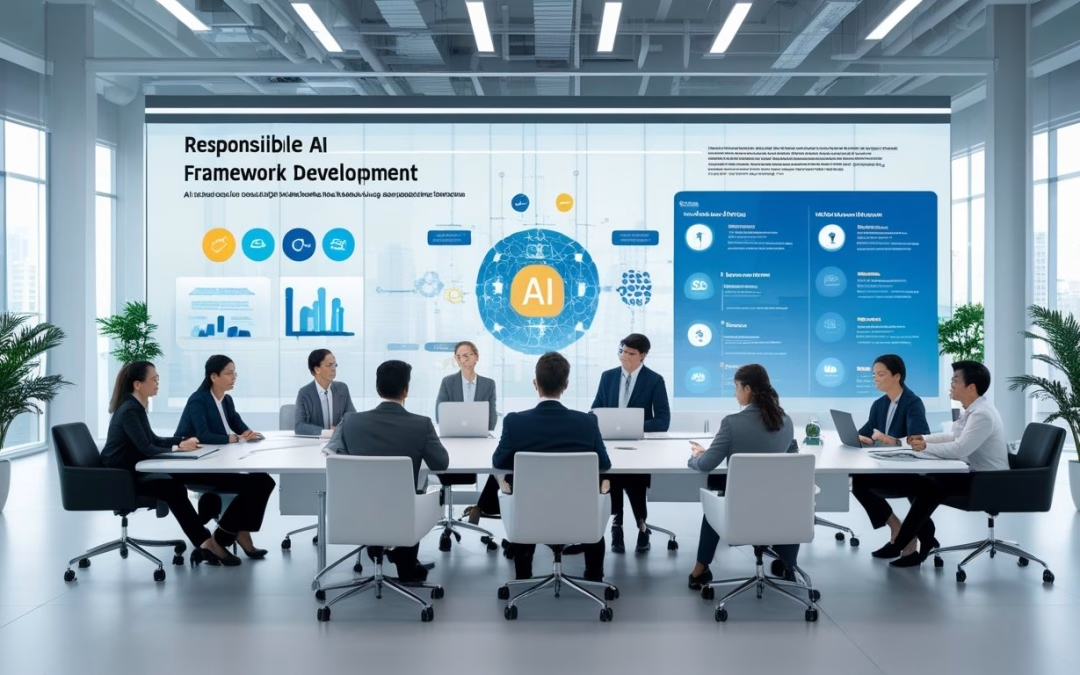
Smart Office mengumpulkan banyak data rapat: rekaman, transkrip, dan ringkasan otomatis. Anda perlu aturan jelas supaya informasi itu aman, akurat, dan adil, terutama saat keputusan bisnis bergantung pada isi rapat. Buat kerangka Responsible AI yang mengatur bagaimana data rapat dikumpulkan, disimpan, dianalisis, dan siapa yang bertanggung jawab untuk hasilnya.
Dengan kebijakan yang tepat, Anda bisa mengurangi bias dalam transkrip, melindungi privasi peserta, dan memastikan ringkasan dapat diaudit jika terjadi kesalahan. Panduan praktis ini menunjukkan langkah-langkah tata kelola, kontrol akses, dan peran yang harus ditetapkan agar teknologi membantu — bukan merugikan — organisasi.
Ringkasan Utama
- Bangun kebijakan yang mengatur siklus hidup data rapat.
- Tetapkan peran dan akuntabilitas untuk penggunaan AI pada transkrip dan ringkasan.
- Terapkan kontrol privasi dan pengujian bias sebelum produksi.
Membangun Kerangka Responsible AI untuk Data Rapat, Transkrip, dan Ringkasan
Kerangka ini mengatur kapan AI boleh dipakai, bagaimana data disamarkan, siapa yang punya akses, dan bagaimana hasil ringkasan bisa diaudit. Fokus pada kontrol teknis (enkripsi, RBAC), proses (consent, review manusia), dan output yang dapat ditindaklanjuti (action items, owner, due date).
Peran AI Generatif dalam Merangkum Rapat dan Tindakan Lanjutan
AI generatif mempercepat pembuatan meeting notes dan meeting recap dengan mengekstrak keputusan, action items, dan insight dari meeting transcripts. Ia harus dilatih pada dataset yang relevan dan dikonfigurasi untuk menandai sumber klaim dengan time-stamp agar reviewer manusia bisa melacak asal pernyataan.
Organisasi wajib menentukan tingkat otomatisasi berdasarkan risiko: gunakan AI untuk weekly ops dan status update, tetapi minta human-in-the-loop untuk rapat HR, legal, atau M&A. Output yang disetujui harus berformat: keputusan — alasan singkat — action item — owner — due date.
Integrasi dengan platform seperti Microsoft Teams dan layanan AI di cloud (mis. Azure) memudahkan deployment, tetapi perlu kebijakan retention, enkripsi, dan opsi BYOK agar data meeting recording dan summaries tidak dipakai untuk training model pihak ketiga tanpa izin.
Transkrip Otomatis, Pencatatan, dan Perlindungan Privasi
Transkripsi otomatis menurunkan beban pencatatan namun memperbesar risiko kebocoran PII. Terapkan redaction otomatis untuk nama, nomor telepon, alamat, dan data sensitif sebelum menyimpan atau mengirim ke layanan AI. Sistem DLP harus memeriksa meeting transcripts dan memberi peringatan bila pola sensitif terdeteksi.
Gunakan RBAC untuk membatasi akses: hanya PIC rapat dan pemilik proyek yang boleh mengakses raw transcript. Simpan hanya meeting notes final sebagai dokumen utama; raw transcript boleh disimpan terbatas waktu atau dimusnahkan untuk rapat berisiko tinggi. Catat audit trail: siapa mengakses, kapan, dan perubahan apa yang dibuat.
Jika memakai cloud AI services, pastikan lokasi data, kebijakan retention, dan apakah vendor menggunakan data untuk melatih LLM. Pilih private deployment atau on-prem untuk rapat sensitif dan aktifkan customer-managed keys bila tersedia.
Strategi AI untuk Kolaborasi dan Efisiensi Smart Office
AI tools harus mendukung workflow, bukan menggantikannya. Rancang integrasi yang mengubah meeting capture menjadi tugas konkret: buat action items otomatis, push-notification ke owner, dan sinkronisasi ke task manager. Sertakan metadata: agenda item, keputusan, risiko, dan dependency agar tim bisa menindaklanjuti cepat.
Tetapkan standar output agar semua notulen konsisten. Contoh format singkat: 1) Keputusan utama; 2) Alasan/data pendukung; 3) Action item + owner + due date. Terapkan versioning dan approval workflow supaya setiap ai-generated summary diverifikasi sebelum distribusi luas.
Gunakan metrik kualitas: factuality (cek sumber), coverage (apakah semua keputusan tercatat), dan actionability (apakah tugas bisa dieksekusi). Ambil sample audit reguler—mis. 1 dari 10 notulen—untuk memonitor performa model dan proses review manusia.
Implementasi Multi-Bahasa dan Dukungan Inklusi dalam AI Meeting
Multi-language support penting untuk tim lintas negara. Terapkan pipeline yang memisahkan speech-to-text, terjemahan, dan summarization sehingga setiap tahap dapat diuji independen. Pastikan terminologi kunci (mis. istilah teknis atau nama produk) dipetakan agar tidak hilang makna dalam meeting summaries.
Sediakan opsi bahasa lokal dan fallback ke bahasa sumber saat terjemahan tidak pasti. Latih model dengan contoh bilingual agar hasil ringkasan mempertahankan konteks budaya dan sopan santun bisnis. Untuk inklusi, aktifkan subtitle real-time dan ringkasan singkat (bullet points) sehingga peserta dengan kebutuhan berbeda bisa mengakses informasi penting.
Dokumentasikan titik risiko bahasa: ambiguitas, idiom, dan istilah domain. Simpan glossary bersama notulen untuk memudahkan penelusuran istilah di audit trail dan untuk consistent terminology across Microsoft Teams, internal platforms, atau layanan AI lain.
Kebijakan dan Tata Kelola AI untuk Lingkungan Smart Office
Organisasi perlu menata aturan, peran, dan kontrol teknis agar data rapat, transkrip, dan ringkasan diproses dengan aman, adil, dan dapat dijelaskan. Kebijakan harus jelas tentang kepemilikan data, akses, audit, dan penilaian risiko sebelum AI dipakai.
Landasan AI Governance dan Standar Internasional
Landasan tata kelola mesti mengacu pada kerangka yang diakui, misalnya ISO/IEC 42001 dan NIST AI Risk Management Framework. Mereka memberi struktur untuk menetapkan kebijakan, peran kepemimpinan, dan siklus hidup AI yang dapat diaudit.
Organisasi harus menuliskan kebijakan AI governance yang mencakup: tujuan penggunaan AI, daftar sistem AI yang disetujui, pemilik bisnis, dan jadwal audit.
Integrasi dengan kebijakan keamanan informasi (mis. ISO 27001) dan perlindungan data pribadi kuat diperlukan untuk mengelola akses ke transkrip rapat dan metadata.
Dokumentasi teknis wajib: desain model, sumber data pelatihan, metrik performa, dan catatan perubahan. Ini mendukung explainability dan akuntabilitas saat terjadi masalah.
Etika, Transparansi, dan Manajemen Risiko dalam Penggunaan AI
Etika dan transparansi harus menjadi bagian dari kebijakan operasional. Tim tata kelola menetapkan prinsip seperti fairness, non-diskriminasi, privasi, dan keterbukaan algoritmik.
Setiap penggunaan AI pada data rapat harus melalui AI Impact Assessment (AIA) yang menilai potensi dampak hukum dan sosial. Hasil AIA menentukan mitigasi dan tingkat persetujuan yang diperlukan.
Transparansi praktis meliputi: label kemampuan AI pada antarmuka (mis. “ringkasan otomatis”), penjelasan singkat tentang basis keputusan model, dan mekanisme banding bila ringkasan atau keputusan salah.
Manajemen risiko mencakup metrik bias, pemantauan pasca-deployment, dan rencana respons insiden untuk kesalahan otomatis yang memengaruhi keputusan sumber daya manusia atau kontrak.
Pencegahan Risiko: Prompt Injection, Bias, dan Keamanan Data
Tindakan pencegahan harus teknis dan kebijakan. Untuk prompt injection, batasi input bebas ke model generatif dengan pra-pemrosesan, validasi konteks, dan sandboxing model dari sistem kritikal.
Untuk bias, jalankan pengujian silang dataset rapat (gender, bahasa, jabatan) dan gunakan metrik fairness. Terapkan proses pelatihan ulang berkala bila ditemukan drift atau ketidakadilan.
Keamanan data wajib: enkripsi end-to-end untuk rekaman dan transkrip, kontrol akses berbasis peran, serta kebijakan retensi dan penghapusan data yang jelas.
Sertifikasi atau audit independen terhadap kebijakan AI governance dan sistem teknis membantu membuktikan kepatuhan terhadap standar internasional dan peraturan seperti EU AI Act.
by Melvin Halpito | Apr 18, 2026 | Article
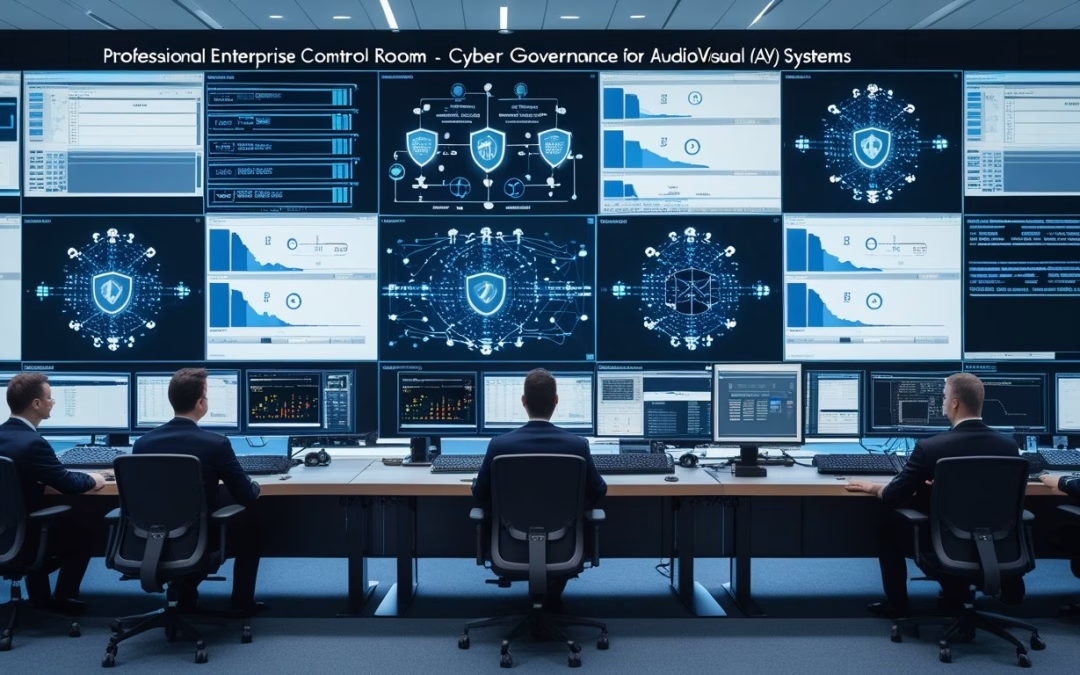
Anda mengelola ruang pertemuan, layar digital, kamera pengawas, atau prosesor audio—semua perangkat ini terhubung ke jaringan dan menjadi pintu masuk potensial bagi serangan. Terapkan prinsip zero‑trust : jangan percaya perangkat, otentikasi setiap koneksi, batasi akses sesuai kebutuhan, dan pantau aktivitas terus‑menerus untuk melindungi aset AV pada skala perusahaan. Kalimat ini memberi Anda langkah langsung yang bisa mulai diterapkan hari ini.
Artikel ini menjelaskan cara menata tata kelola siber untuk kamera, codec, DSP, dan signage sehingga tim TI dan AV bekerja sama untuk menerapkan kontrol identitas, segmentasi jaringan, enkripsi, dan pemantauan. Temukan strategi praktis untuk mengurangi risiko, mematuhi regulasi, dan menjaga pengalaman pengguna tetap mulus tanpa mengorbankan keamanan.
Poin Penting
- Menetapkan kebijakan dan kontrol identitas untuk semua perangkat AV.
- Memisahkan dan mengamankan trafik AV melalui segmentasi dan enkripsi.
- Menerapkan pemantauan berkelanjutan dan proses operasi untuk pengelolaan Zero‑Trust.
Dasar-dasar Zero-Trust untuk AV Enterprise
Zero‑trust menghilangkan kepercayaan bawaan pada perangkat dan jaringan, serta menegakkan verifikasi, segmentasi, dan hak akses minimal untuk setiap permintaan. Praktiknya melibatkan identitas yang kuat, kontrol akses dinamis, dan pemantauan berkelanjutan pada kamera, codec, DSP, dan signage.
Prinsip Utama Zero-Trust dalam Konteks AV
Zero‑trust berarti “jangan pernah percaya, selalu verifikasi” untuk perangkat AV. Setiap kamera, codec, DSP, dan signage harus diautentikasi dan diberi otorisasi per sesi sebelum mengakses jaringan atau stream.
Prinsip least privilege berlaku: perangkat hanya mendapat izin yang perlu untuk fungsi spesifiknya, misalnya hanya mengirim RTSP ke server perekaman tertentu.
NIST SP 800-207 menekankan pengambilan keputusan berbasis konteks. AV harus mengevaluasi atribut seperti firmware, lokasi jaringan, dan status enkripsi sebelum memberi akses.
Micro‑segmentation membatasi blast radius; segmen terpisah untuk kontrol, streaming, dan manajemen meminimalkan dampak bila satu perangkat disusupi.
Penerapan Zero-Trust pada Kamera, Codec, DSP, dan Signage
Implementasi dimulai dengan identitas perangkat unik—sertifikat X.509 atau TPM yang tertanam. Perangkat harus mendukung otentikasi mutlak (MFA untuk admin) dan rotasi kunci otomatis.
Enkripsi end-to-end pada aliran video dan kontrol penting: TLS/DTLS untuk manajemen, SRTP untuk media. Kontrol akses diterapkan lewat kebijakan dinamis yang menilai risiko waktu nyata, seperti versi firmware atau anomali trafik.
Endpoint hardening wajib: nonaktifkan layanan tak terpakai, pasang patch, dan gunakan secure boot bila tersedia. Monitoring kontinu untuk telemetri AV (latensi, failover, pola RTSP) membantu mendeteksi kompromi lebih cepat.
Integrasi ke sistem IAM dan SIEM memastikan kejadian otorisasi dan perubahan konfigurasi terekam serta dapat otomatis memicu tindakan mitigasi.
Perbandingan Model Keamanan Tradisional dan Zero-Trust pada AV
Model tradisional mengandalkan perimeter: kamera di jaringan internal dipercaya setelah terhubung. Hal ini menyisakan risiko ketika perimeter ditembus atau perangkat berpindah jaringan.
Zero‑trust menilai setiap permintaan akses secara independen. Ia memakai identitas, konteks, dan policy engine untuk izin per sesi. Ini mengurangi eksposur saat perangkat berpindah atau saat integrasi cloud dilakukan.
Perbedaan praktis: di model lama satu kredensial admin memberi akses luas; di zero‑trust hak akses dipisah dan dibatasi. Segmentasi mikro dan kontrol per aplikasi menghindari eskalasi lateral antar sistem AV.
Organisasi yang mengadopsi zero‑trust memperoleh visibilitas lebih baik dan kontrol granular terhadap data streaming serta metadata yang sensitif.
Pilar Identitas, Akses, dan Otentikasi di AV IoT
Identitas adalah fondasi: perangkat harus memiliki ID unik dan sertifikat yang dikelola oleh PKI internal atau layanan terkelola. Rotasi sertifikat dan daftar revokasi memperkecil risiko.
Akses dikontrol lewat kebijakan berbasis peran dan konteks. Policy engine menilai atribut seperti lokasi VLAN, integritas firmware, dan waktu permintaan untuk menentukan izin. Prinsip least privilege menuntut pemberian hak minimal untuk fungsi tertentu.
Otentikasi harus kuat: mutual TLS untuk komponen server–perangkat, dan MFA untuk admin. Otentikasi dinamis berguna untuk sesi sementara, seperti troubleshooting vendor dengan akses waktu terbatas.
Semua keputusan akses direkam. Audit, logging, dan integrasi ke NIST‑aligned control frameworks membantu memenuhi regulasi dan mendukung respons insiden yang cepat.
Strategi Implementasi dan Pengelolaan Zero-Trust di Lingkungan AV
Pendekatan ini menekankan verifikasi terus-menerus, segmentasi jaringan, pengelolaan identitas terpusat, dan pemantauan otomatis. Fokusnya pada kamera, codec, DSP, dan perangkat signage dengan kontrol akses ketat dan jaga log untuk respons cepat.
Arsitektur dan Segmentasi Jaringan AV Modern
Arsitektur harus memisahkan domain fungsional: perangkat edge (kamera, codec, DSP, signage), kontrol lokal, dan layanan cloud. Setiap domain berjalan di VLAN atau microsegment terpisah dengan PEP (Policy Enforcement Point) di switch atau gateway.
Gunakan firewall aplikasi, enkripsi TLS untuk aliran video, dan MACsec atau IPsec di link kritis. Terapkan Zero Trust Network Access (ZTNA) untuk remote access dan batasi protokol ke yang diperlukan saja.
Desain jaringan wajib memasukkan policy engine/PDP terpusat yang mengeluarkan keputusan akses berdasarkan konteks: identitas perangkat, lokasi, integritas firmware, dan risiko sesi. Otomasi deployment kebijakan via orchestration mengurangi kesalahan manual.
Manajemen Identitas dan Akses Terintegrasi
Manajemen identitas harus mencakup IAM terpusat untuk pengguna dan perangkat AV. Implementasi wajib meliputi device certificates, sertifikat PKI untuk boot aman, dan MFA untuk operator.
Gunakan continuous authentication: token waktu-nyata, health attestation perangkat, dan pemeriksaan posture sebelum memberi akses. PDP menilai permintaan akses berdasarkan kebijakan granular seperti peran, waktu, dan tingkat ancaman.
Integrasikan IAM dengan katalog aset dan CMDB agar kebijakan menyesuaikan otomatis. Audit akses dan rotasi kunci otomatis menjaga kepatuhan. Perangkat IoT yang tidak mendukung kuat harus ditempatkan di zona dengan kontrol lebih ketat.
Monitoring Berkelanjutan & Respon Insiden pada AV Endpoint
Implementasi SIEM yang menyerap log dari kamera, codec, DSP, gateway, dan policy components memberi visibilitas penuh. Terapkan UBA/UEBA untuk deteksi anomali pada perilaku perangkat dan aliran media.
Gunakan IDS/IPS yang paham protokol AV dan monitoring trafik video untuk mengenali replay atau manipulasi stream. Alarm otomatis harus memicu playbook incident response yang mencakup isolasi perangkat, snapshot forensic, dan patching terkoordinasi.
Automasi dan orkestrasi memungkinkan tindakan cepat: memblokir sesi, memperbarui PDP, dan mengirim notifikasi ke tim SOC. Retain log immutably untuk investigasi dan bukti kepatuhan.
Faktor Kritis dan Penilaian Maturitas Adopsi Zero-Trust
Faktor kritis meliputi dukungan manajemen, peta aset lengkap, dukungan vendor untuk security controls, dan integrasi IAM-SIEM. Keberhasilan bergantung pada kebijakan yang terotomasi, orkestrasi patching, dan telemetry dari perangkat AV.
Gunakan kerangka penilaian maturitas (mis. capability levels) yang mengukur: segmentasi jaringan, coverage IAM, continuous monitoring, automation, dan incident readiness. Nilai baseline lalu tentukan roadmap bertahap: pilot domain, scale ke zona lain, lalu integrasi cloud.
Metrik sukses termasuk waktu deteksi, waktu mitigasi, persentase perangkat bernilai posture compliant, dan pengurangan blast radius saat insiden. Penilaian ulang berkala memastikan adopsi Zero Trust berkembang sesuai ancaman dan teknologi.







Recent Comments