
by Melvin Halpito | May 15, 2026 | Article
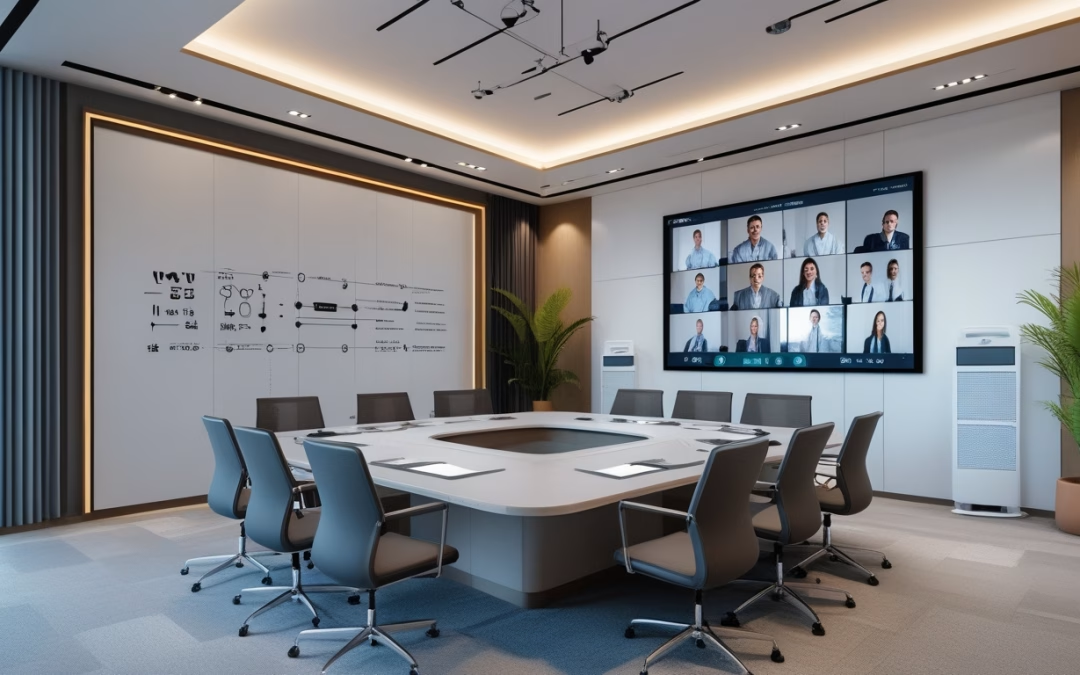
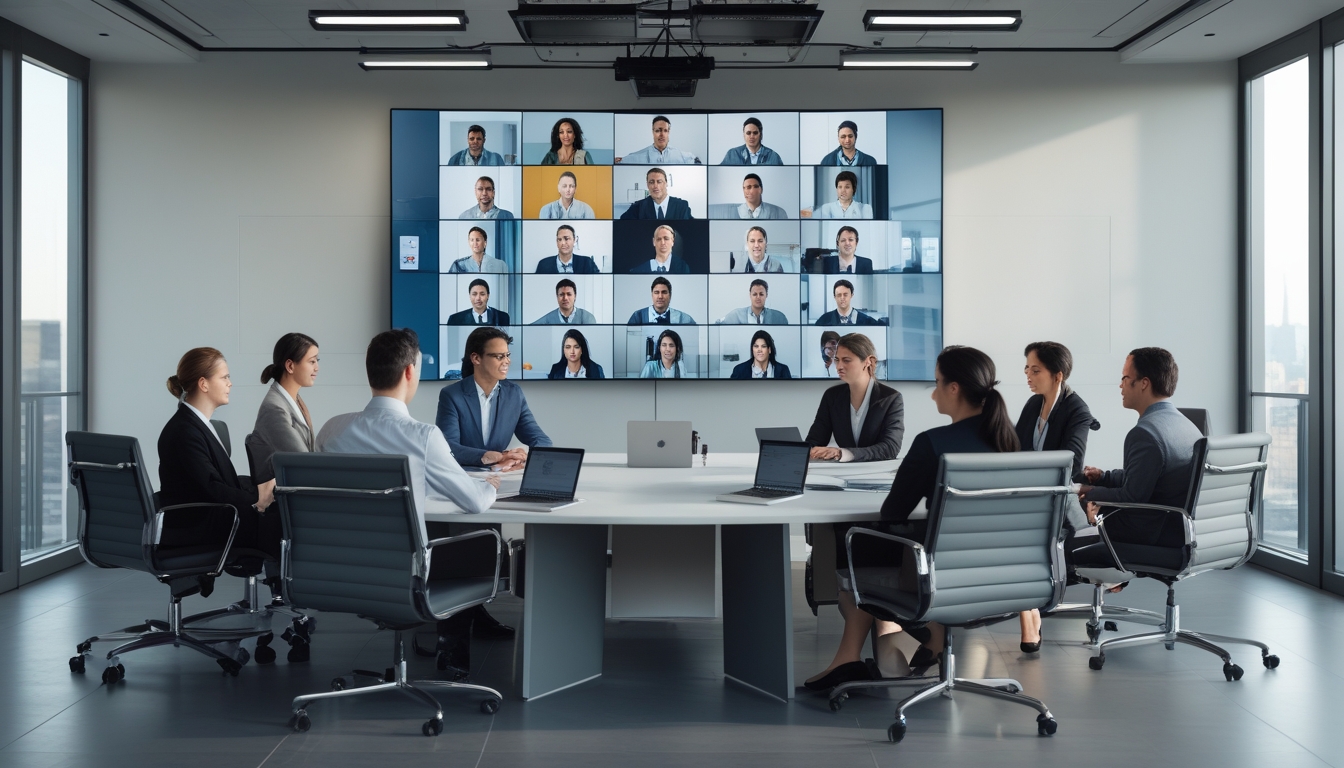
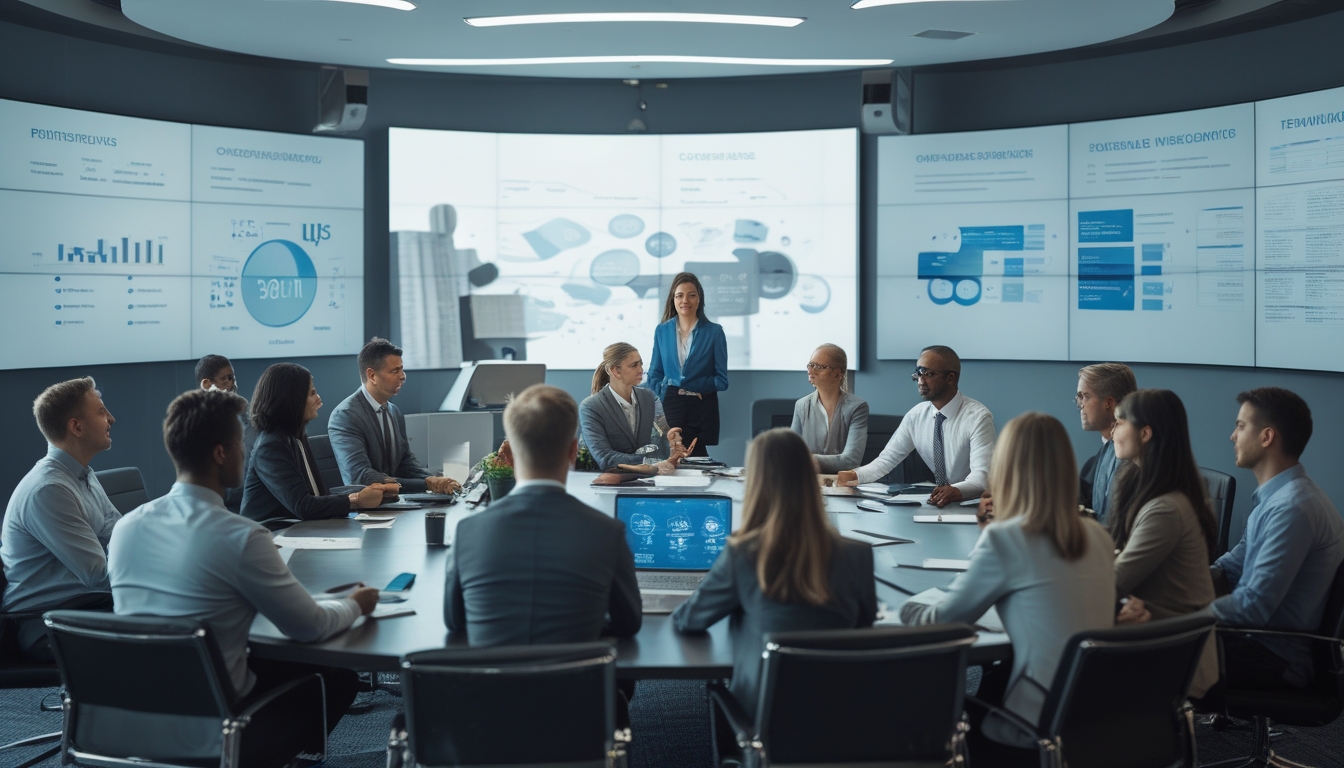
Video conference room: MLV Teknologi menjadi relevan saat tim HR, internal communication, people operations, GA, dan manajemen membutuhkan ruang rapat yang informatif, interaktif, stabil, dan mudah dipakai. Kebutuhan ini biasanya muncul pada town hall, employee gathering, rapat hybrid lintas cabang, dan sesi presentasi bisnis yang tidak boleh terganggu oleh suara pecah, gambar lambat, atau perangkat yang sulit dioperasikan.
Fokus utama bukan sekadar menaruh layar dan kamera, melainkan menyusun sistem yang membuat video conference berjalan konsisten, mudah dikontrol, dan nyaman dipakai oleh pengguna non-teknis. Dalam praktiknya, kualitas ruang seperti ini sangat ditentukan oleh integrasi solusi AV, teknologi AV, audio visual, UC, serta tata kelola ruang rapat yang rapi.
Pada banyak proyek ruang rapat modern, pendekatan MLV Teknologi membantu menyatukan video conference, konferensi video, ruang rapat, smart meeting room, dan smart conference room dalam satu alur kerja yang lebih sederhana. Hasilnya adalah pengalaman rapat yang lebih mudah dipakai, lebih terukur, dan lebih siap mendukung transformasi digital di lingkungan kerja modern.
Key Takeaways
- Kualitas rapat ditentukan oleh integrasi audio, visual, dan kontrol ruang.
- Ruang hybrid yang baik harus mudah dipakai oleh pengguna non-teknis.
- Sistem yang rapi membantu komunikasi, efisiensi, dan pengalaman peserta.
Komponen Inti yang Menentukan Kualitas Rapat

Ruang rapat yang stabil biasanya lahir dari komponen yang saling terhubung, bukan dari satu perangkat yang berdiri sendiri. Pada implementasi seperti av Crestron, Crestron, dan Extron, kuncinya ada pada integrasi yang rapi, bukan sekadar daftar perangkat yang lengkap.
Peran Audio yang Jernih dan Stabil Sejak Awal
Kualitas suara sering menjadi titik paling sensitif dalam rapat hybrid. Mikrofon canggih, ceiling microphone, dan digital sound processor membantu menjaga kualitas audio agar suara pembicara terdengar jelas, merata, dan minim gangguan.
Dalam ruang town hall atau employee gathering, posisi mikrofon dan akustik ruangan sangat menentukan. Jika akustik ruangan buruk, gema dan noise akan langsung terasa, meski kamera dan layar sudah bagus.
Pengaturan audio yang baik juga memudahkan peserta jarak jauh mengikuti diskusi tanpa harus meminta pengulangan. Itu membuat efisiensi komunikasi meningkat dan rapat terasa lebih natural.
Visual, Display, dan Berbagi Konten Tanpa Hambatan
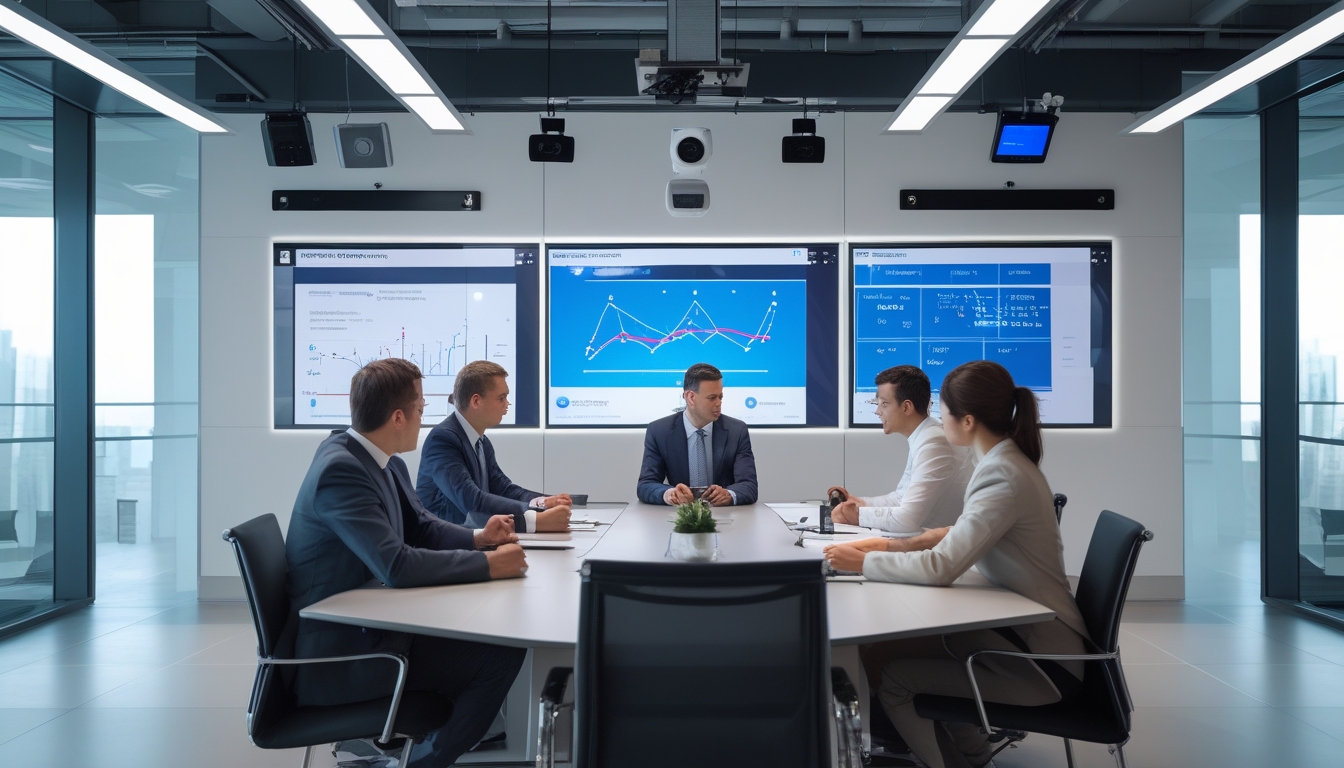
Untuk sisi visual, kamera otomatis, layar interaktif, interactive flat panel, proyektor, video wall, LED display, videotron, dan digital signage punya fungsi yang berbeda. Pilihan perangkat sebaiknya mengikuti ukuran ruang, jumlah peserta, dan jenis aktivitas yang paling sering dilakukan.
Bagi tim internal communication atau HR, berbagi layar real-time sering lebih penting daripada tampilan besar yang rumit. Presentasi, materi town hall, dan data kinerja harus bisa tampil cepat tanpa langkah teknis yang panjang.
Audio video distribution juga penting agar beberapa sumber konten dapat berpindah dengan lancar. Saat satu ruang dipakai untuk presentasi bisnis pagi hari dan diskusi lintas cabang sore hari, alur berbagi konten perlu tetap sederhana.
Infrastruktur dan Kontrol Ruangan yang Membuat Sistem Mudah Dipakai
Di balik tampilan yang rapi, network infrastructure dan infrastruktur jaringan harus cukup kuat untuk mendukung sesi yang stabil. Integrasi perangkat, kontrol otomatis, kontrol pusat, dan otomatisasi setup membuat ruang lebih siap dipakai tanpa banyak intervensi teknis.
Fitur seperti pengaturan pencahayaan, pengaturan suhu, room booking system, access door berbasis teknologi, dan keamanan ruangan ikut menentukan pengalaman pengguna. Penyimpanan preferensi pengguna juga berguna agar format ruangan yang sering dipakai bisa dipanggil kembali dengan cepat.
Pendekatan ini sangat membantu saat satu ruang harus mendukung beberapa skenario. Dengan sistem yang konsisten, operator tidak perlu mengatur ulang semuanya dari awal setiap kali rapat dimulai.
Penerapan untuk Kolaborasi Hybrid dan Operasional Harian
Penerapan di lapangan biasanya paling terasa saat ruang dipakai untuk banyak kebutuhan sekaligus. Kolaborasi tim, presentasi, dan operasional harian membutuhkan konfigurasi yang berbeda, meski memakai ruang yang sama.
Use Case untuk Meeting Internal, Presentasi Bisnis, dan Kolaborasi Jarak Jauh
Untuk meeting internal, ruang perlu mendukung diskusi cepat, catatan visual, dan pertukaran file yang lancar. Presentasi interaktif lebih cocok bila peserta ingin memberi masukan langsung pada layar atau papan digital.
Untuk presentasi bisnis, kualitas video conference harus menjaga citra profesional perusahaan. Peserta dari luar kantor perlu melihat gambar yang stabil, mendengar suara yang jelas, dan mengikuti alur presentasi tanpa jeda panjang.
Kolaborasi jarak jauh dan kerja jarak jauh membutuhkan sistem berbasis cloud agar akses lebih fleksibel. Dalam workspace modern dan lingkungan kerja modern, kebutuhan ini juga sering muncul di smart office, command center, dan ruang multifungsi.
Dampak pada Produktivitas, Pengambilan Keputusan, dan Pengalaman Pengguna
Saat kualitas video conference baik, produktifitas tim biasanya ikut naik karena diskusi tidak banyak terputus. Efisiensi operasional meningkat karena tim tidak membuang waktu untuk menata ulang perangkat atau memanggil dukungan teknis berulang kali.
Pengalaman pengguna juga menjadi lebih penting daripada sekadar spesifikasi perangkat. Jika sistem terasa sederhana, peserta akan lebih cepat aktif, lebih percaya diri berbicara, dan lebih mudah terlibat.
Dalam praktik implementasi di Jakarta, termasuk proyek yang dapat ditelusuri lewat peta lokasi MLV Teknologi di Google Maps, pendekatan ruang rapat yang terintegrasi membantu tim lintas fungsi bekerja lebih rapi. Hal seperti ini sangat penting untuk organisasi dengan banyak cabang dan ritme rapat yang padat.
Dukungan Teknis dan Keberlanjutan Sistem Setelah Implementasi
Setelah instalasi selesai, pemeliharaan sistem AV tetap diperlukan agar performa tidak turun. Pemantauan performa, pelatihan pengguna, dan dukungan teknis membuat sistem lebih mudah dipakai dalam jangka panjang.
Sistem berbasis cloud juga memudahkan pembaruan dan pengawasan dari jarak jauh. Ini penting untuk perusahaan yang ingin menjaga inovasi berkelanjutan tanpa harus mengubah ruang setiap saat.
Pada lingkungan kerja yang cepat berubah, audio-visual yang terkelola baik akan lebih tahan dipakai untuk berbagai kebutuhan. MLV Teknologi biasanya lebih bernilai saat ruang dirancang sebagai aset operasional, bukan sekadar fasilitas rapat.
by Melvin Halpito | May 14, 2026 | Article
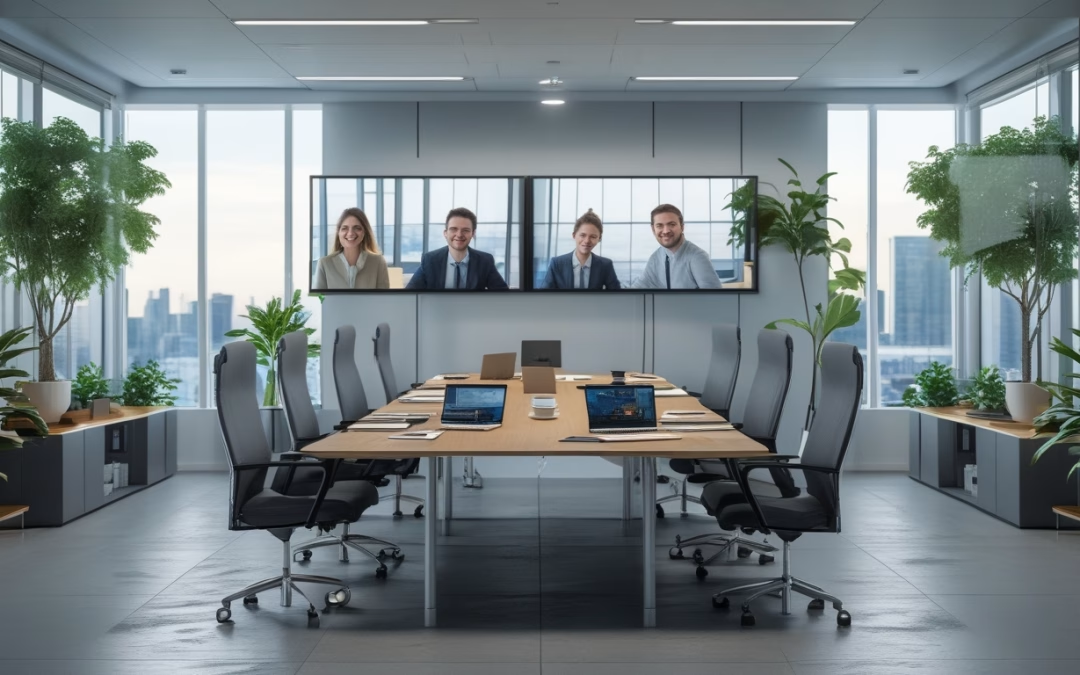
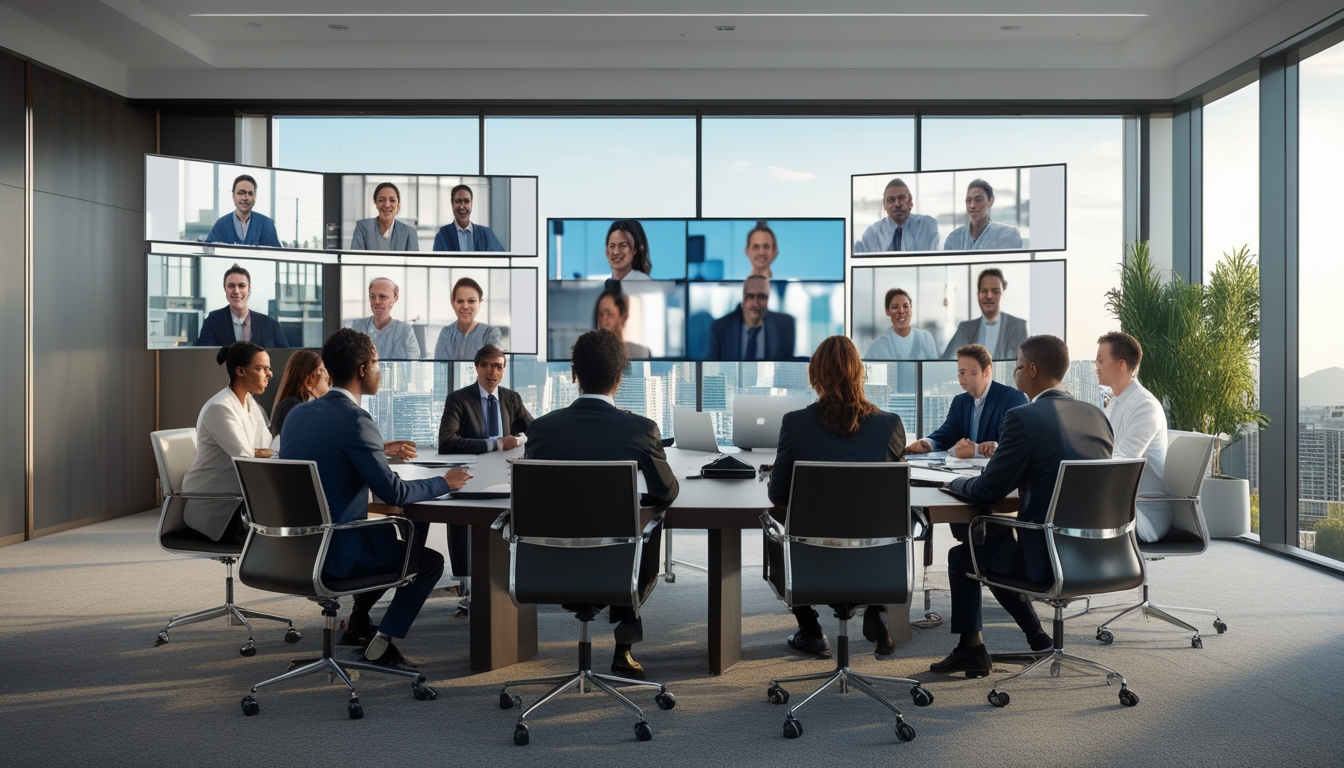
Meeting room hybrid untuk kerja remote perlu dirancang dari keputusan paling penting terlebih dulu, yaitu fungsi ruang, kapasitas peserta, dan cara tim bekerja saat hybrid meeting berlangsung. Jika keputusan awal ini tepat, ruang meeting akan lebih mudah dipakai untuk online meeting, meeting virtual, dan rapat tatap muka tanpa banyak gangguan teknis.
Dalam praktik kerja hybrid, satu ruang tidak selalu cocok untuk semua agenda. Rapat operasional, presentasi klien, dan diskusi tim kecil punya kebutuhan yang berbeda, jadi setup meeting room harus mengikuti pola kerja, bukan hanya mengikuti ukuran ruangan. Meeting room hybrid yang baik membuat peserta onsite dan remote bisa mendengar, melihat, dan berinteraksi dengan setara, sehingga keputusan bisa diambil lebih cepat dan rapat terasa lebih teratur.
Perusahaan juga perlu memikirkan sisi operasional, bukan hanya perangkat. Tim office manager, HRGA, IT, AV, procurement, dan pemilik bisnis biasanya akan lebih mudah mengambil keputusan jika mereka melihat ruang sebagai kombinasi antara tata letak, teknologi meeting, dan kebiasaan pakai harian.
Ringkasan Utama
- Fungsi ruang harus ditentukan sebelum membeli perangkat.
- Kapasitas ruangan perlu mengikuti jenis rapat.
- Standar operasional penting agar meeting tetap lancar.
Menentukan Fungsi Ruang dan Tipe Setup yang Tepat
Meeting room modern tidak selalu harus besar. Ruang yang tepat justru biasanya lebih efektif karena sesuai dengan pola kolaborasi tim, agenda rapat, dan kebutuhan pengambilan keputusan. Dalam banyak proyek yang saya temui, masalah utama bukan kekurangan perangkat, melainkan ruang yang dipakai untuk terlalu banyak jenis rapat.
Kapan Memakai Ruang Rapat Biasa, Huddle Room, atau Smart Meeting Room
Ruang rapat biasa cocok untuk agenda formal dengan peserta yang sebagian besar onsite. Jika rapat hanya butuh diskusi cepat, evaluasi singkat, atau sinkronisasi harian, huddle room lebih efisien karena lebih kecil dan lebih mudah dijaga suaranya.
Smart meeting room layak dipilih saat perusahaan sering menjalankan meeting hybrid, presentasi eksternal, atau rapat yang melibatkan banyak peserta remote. Ruang seperti ini biasanya memakai solusi meeting room yang lebih lengkap, dari kamera, mikrofon, hingga sistem kontrol yang mudah dipakai.
Menyesuaikan Kapasitas Peserta dengan Agenda Rapat dan Pola Kolaborasi
Kapasitas ruangan sebaiknya mengikuti jumlah peserta aktif, bukan hanya jumlah kursi. Untuk kolaborasi tim, ruang kecil dengan 4 sampai 6 kursi sering lebih produktif daripada ruang besar yang terasa kosong.
Jika agenda rapat banyak membahas dokumen, data, dan keputusan cepat, layar yang jelas dan jarak duduk yang dekat akan membantu. Untuk sesi brainstorming, ruang dengan meja fleksibel dan area tulis yang cukup lebih cocok. CSA Indonesia dan penyedia integrator lain biasanya juga menekankan pentingnya menyesuaikan kapasitas dengan fungsi, bukan hanya luas lantai.
Tata Letak Ruangan agar Peserta Onsite dan Remote Tetap Setara
Tata letak ruangan harus membuat peserta remote tidak merasa seperti penonton. Kamera perlu menghadap ke area bicara utama, sementara layar peserta virtual ditempatkan sejajar pandang agar interaksi lebih natural.
Meja berbentuk oval atau persegi panjang pendek sering lebih baik untuk meeting hybrid dibanding meja yang terlalu panjang. Jika penempatan kursi dan layar sudah benar, kolaborasi real-time akan terasa lebih mudah dan percakapan lebih seimbang.
Salah satu pendekatan praktis adalah mengecek bagaimana ruangan dipakai saat jam sibuk, lalu melihat apakah peserta remote masih bisa menangkap ekspresi, suara, dan materi presentasi dengan baik. Untuk referensi lokasi atau survei awal ruang kantor, tim bisa menggunakan peta lokasi office dan meeting room di Google Maps sebagai titik awal koordinasi lapangan.
Standar Teknologi dan Operasional agar Meeting Tetap Lancar
Teknologi yang dipilih harus sederhana dipakai, stabil, dan sesuai dengan platform yang paling sering digunakan tim. Dalam banyak implementasi, masalah kecil seperti mikrofon yang menangkap suara lemah atau screen sharing yang lambat sering lebih mengganggu daripada kekurangan fitur yang mewah.
Perangkat Inti untuk Audio, Video, dan Presentasi Tanpa Hambatan
Untuk meeting room hybrid, prioritas utama ada pada audio system, kualitas video, dan perangkat presentasi. Mikrofon dengan noise cancellation membantu mengurangi suara kipas atau percakapan samping, sedangkan beamforming membantu mikrofon fokus pada suara pembicara.
Kamera dengan auto tracking berguna saat beberapa orang berbicara bergantian, karena kamera bisa mengikuti pembicara tanpa operator. Untuk presentasi, interactive display, whiteboard digital, dan wireless presentation memudahkan peserta berbagi materi tanpa kabel yang rumit.
Memilih Platform dan Integrasi yang Mudah Dipakai Tim
Ruang yang bagus tetap akan sulit dipakai jika platformnya rumit. Karena itu, banyak kantor memilih Zoom atau Microsoft Teams sebagai video conference system utama, lalu memastikan perangkat meeting dapat langsung terhubung tanpa banyak langkah.
Integrasi yang baik juga berarti screen sharing berjalan cepat dan peserta tidak perlu mencari adaptor setiap rapat. Jika ruangan dipakai oleh banyak divisi, standardisasi platform sering lebih efektif daripada membiarkan tiap tim memakai aplikasi berbeda.
Standar Penggunaan Harian, Keamanan Data, dan Kontrol Sistem
Kontrol terpusat penting agar tim IT atau AV bisa mengatur volume, kamera, input display, dan preset ruangan dari satu panel. Ini membantu mengurangi gangguan teknis saat meeting berlangsung dan membuat operasional lebih mudah dipantau.
Keamanan data juga perlu masuk ke standar kerja harian. Perangkat dan akun meeting harus dibatasi sesuai kebijakan perusahaan, terutama jika ruang sering dipakai untuk diskusi internal, dokumen sensitif, atau rapat dengan klien. Jika semua pengguna memahami aturan dasar, meeting hybrid akan lebih stabil dan lebih aman dipakai dalam jangka panjang.
by Melvin Halpito | May 14, 2026 | Article
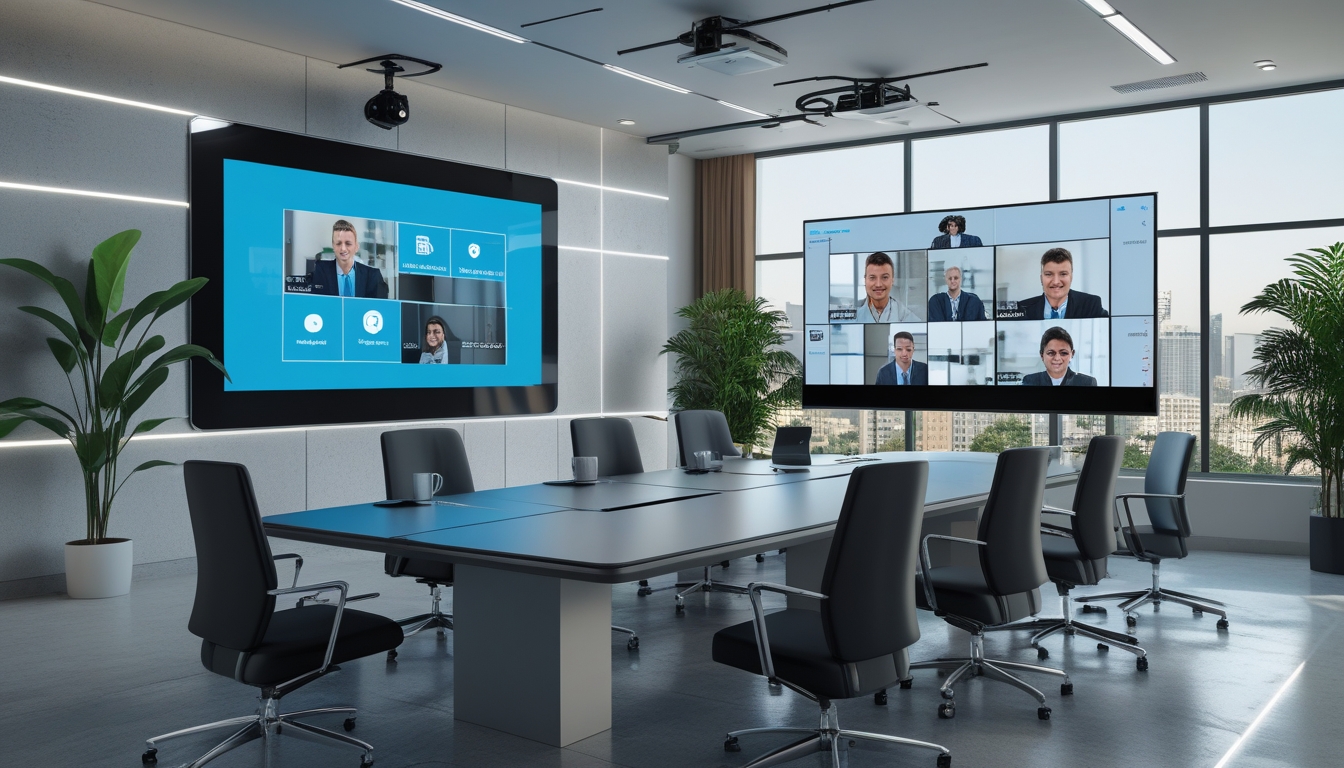
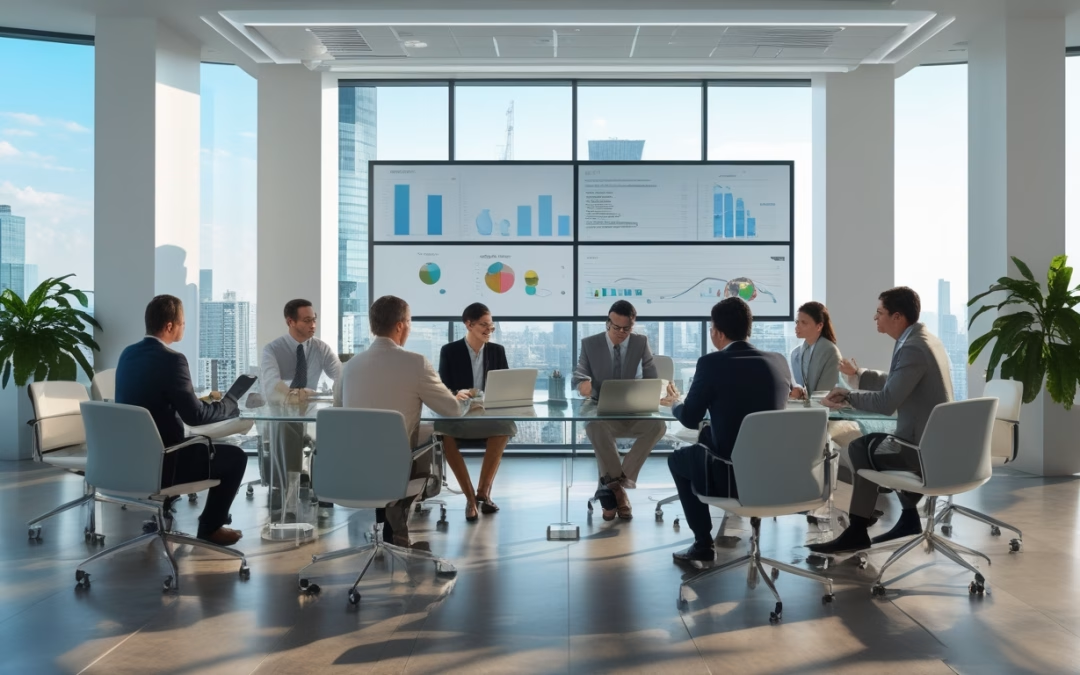
Solusi Expert ruang meeting untuk kantor yang efektif biasanya dimulai dari komponen yang paling sering dipakai setiap hari, yaitu display, kamera, mikrofon, speaker, touch control, wireless presentation, dan integrasi platform video conference. Saat elemen-elemen ini tersusun dengan benar, ruang meeting tidak hanya enak dipakai, tetapi juga lebih cepat dipakai, lebih mudah dipahami, dan lebih stabil untuk berbagai jenis rapat.
Kuncinya ada pada kesesuaian antara teknologi audiovisual, kebutuhan pengguna, dan tipe ruangan. Ruang meeting untuk town hall, employee gathering, boardroom, atau hybrid meeting lintas cabang memerlukan pendekatan yang berbeda. Jika perangkat dipilih tanpa memikirkan alur kerja, hasilnya sering terlihat dari koneksi yang lambat, audio yang kurang jelas, dan pengguna yang masih bergantung pada bantuan teknis.
Key Takeaways
- Perangkat utama harus mudah dipakai oleh banyak orang.
- Kebutuhan ruang kecil dan besar tidak sama.
- Integrasi yang rapi meningkatkan efisiensi harian.
Komponen Inti yang Menentukan Kualitas Ruang Meeting
Sebuah smart meeting room bekerja baik saat semua perangkat saling mendukung, bukan berdiri sendiri. Display yang jelas, audio yang bersih, kamera yang stabil, dan kontrol yang sederhana akan terasa langsung dampaknya saat rapat dimulai.
Display Utama: Smart Board, Interactive Flat Panel, atau Proyektor
Untuk presentasi harian, smart board, layar interaktif, atau interactive flat panel biasanya lebih praktis daripada proyektor konvensional. Warna lebih terang, tulisan lebih mudah dibaca, dan sentuhan langsung membuat diskusi terasa lebih cepat.
Pada ruang yang masih memakai proyektor, pencahayaan perlu dikontrol lebih ketat. Karena itu, banyak kantor kini memilih papan tulis digital atau panel interaktif agar tampilan tetap jelas meski ruangan terang.
Audio Jelas untuk Diskusi dan Presentasi: Mikrofon, Speaker, dan Sistem Audio Profesional
Audio sering jadi pembeda antara meeting yang lancar dan meeting yang melelahkan. Mikrofon yang tepat membantu suara terdengar jelas, sementara speaker dan sistem audio profesional menjaga distribusi suara merata di seluruh ruangan.
Dalam praktiknya, ruang rapat yang dipakai untuk presentasi manajemen atau town hall butuh audio yang lebih stabil daripada ruang diskusi kecil. Jika suara mudah putus atau bergema, peserta cepat kehilangan fokus.
Video Conference yang Stabil: Kamera Konferensi, Kamera Video Conference, dan Touch Control
Untuk video conference, kualitas kamera sangat menentukan kesan profesional. Kamera konferensi dengan sudut pandang yang sesuai membuat peserta di ruangan dan peserta jarak jauh sama-sama terlihat jelas.
Touch control memberi satu titik kendali untuk memulai rapat, mengatur volume, mengganti sumber display, dan mengelola perangkat. Saat panel kontrol dirancang rapi, tim tidak perlu berpindah-pindah remote atau membuka banyak menu.
Berbagi Konten Tanpa Repot: Wireless Presentation dan Sistem Presentasi Nirkabel
Wireless presentation dan sistem presentasi nirkabel mempercepat alur rapat karena pengguna bisa berbagi layar tanpa kabel yang rumit. Ini sangat membantu saat banyak orang bergantian presentasi dalam waktu singkat.
Di banyak kantor, fitur ini juga mengurangi gangguan kecil yang sering muncul, seperti adaptor yang tertinggal atau kabel yang tidak cocok dengan laptop. Pengalaman pengguna jadi lebih mulus, terutama di ruang yang dipakai lintas divisi.
Integrasi Perangkat dan Kontrol Terpusat untuk Pemakaian Harian
Integrasi perangkat adalah inti dari solusi smart meeting room yang efektif. Saat display, kamera, mikrofon, speaker, dan platform video conference terhubung dalam satu alur, waktu persiapan meeting jadi lebih singkat.
Banyak tim GA dan people operations juga mulai melihat nilai dari sistem yang mudah dipantau. Beberapa solusi modern mendukung pembaruan software jarak jauh dan manajemen perangkat terpusat, sehingga perawatan harian lebih ringan dan gangguan lebih cepat ditangani.
Menyesuaikan Solusi dengan Use Case dan Tipe Ruangan
Tidak semua meeting room membutuhkan spesifikasi yang sama. Ukuran ruangan, jumlah peserta, pola rapat, dan kebutuhan kolaborasi lintas lokasi akan memengaruhi pilihan perangkat dan tata letak.
Kebutuhan Small Meeting Room, Boardroom, dan Meeting Room Eksekutif
Small meeting room biasanya cukup memakai panel display yang ringkas, kamera lebar, dan audio sederhana yang tetap jelas. Fokusnya ada pada efisiensi ruang dan kemudahan pakai.
Untuk boardroom dan meeting room eksekutif, kualitas visual dan audio perlu lebih rapi karena ruang ini sering dipakai untuk keputusan penting, presentasi strategis, dan tamu eksternal. Tampilan yang bersih juga memberi kesan profesional tanpa harus berlebihan.
Ruang Meeting Hybrid untuk Kolaborasi Lintas Lokasi dan Cabang
Hybrid meeting dan meeting hybrid menuntut kualitas kamera, mikrofon, dan speaker yang lebih konsisten. Peserta di kantor cabang harus merasa setara dengan peserta yang hadir langsung di ruangan.
Pada ruang meeting hybrid, aksesibilitas juga penting. Orang yang bergabung dari lokasi berbeda perlu bisa melihat materi, mendengar diskusi, dan ikut berinteraksi tanpa hambatan teknis yang berulang.
Digital Signage, Scheduling, dan Alur Penggunaan yang Lebih Efisien
Digital signage membantu menampilkan status ruang, jadwal, atau informasi rapat di depan ruangan. Fitur ini mengurangi benturan jadwal dan memudahkan tim melihat ketersediaan ruang secara cepat.
Jika dipadukan dengan sistem jadwal yang rapi, alur penggunaan menjadi lebih efisien. Dalam banyak kantor, langkah ini juga membantu data penggunaan ruang menjadi lebih terukur untuk evaluasi kapasitas dan kebiasaan meeting.
Dari Ruang Meeting Konvensional ke Ruang Konferensi yang Lebih Interaktif
Ruang meeting konvensional masih sering bergantung pada kabel, proyektor, dan pengaturan manual. Peralihan ke ruang konferensi yang lebih interaktif biasanya dimulai dari peningkatan display, audio, dan sistem kontrol.
Pada lingkungan kerja yang makin terhubung, av over ip sering dipakai untuk distribusi sinyal yang lebih fleksibel di gedung besar atau beberapa ruang sekaligus. Pendekatan ini cocok saat perusahaan ingin ruang yang lebih mudah dikembangkan tanpa bongkar pasang besar.
Kriteria Memilih Meeting Room Terbaik untuk Kebutuhan Kantor
Meeting room terbaik bukan yang paling mahal, melainkan yang paling sesuai dengan pola kerja. Tim perlu melihat ukuran ruangan, jumlah pengguna, jenis rapat, serta tingkat ketergantungan pada video conference.
Ada baiknya juga menilai kemudahan instalasi, pemakaian harian, dan dukungan pemeliharaan. Untuk kantor yang ingin melihat contoh penerapan di lapangan, halaman solusi meeting room untuk kantor di Google Maps bisa menjadi titik awal untuk menilai pendekatan yang tersedia di Indonesia.
Solusi yang tepat akan membantu engagement rapat, mempercepat komunikasi, dan menjaga pengalaman pengguna tetap konsisten. Saat ruang meeting dirancang berdasarkan kebutuhan nyata, tim akan lebih mudah fokus pada isi rapat, bukan pada masalah teknis.
by Melvin Halpito | May 13, 2026 | Article
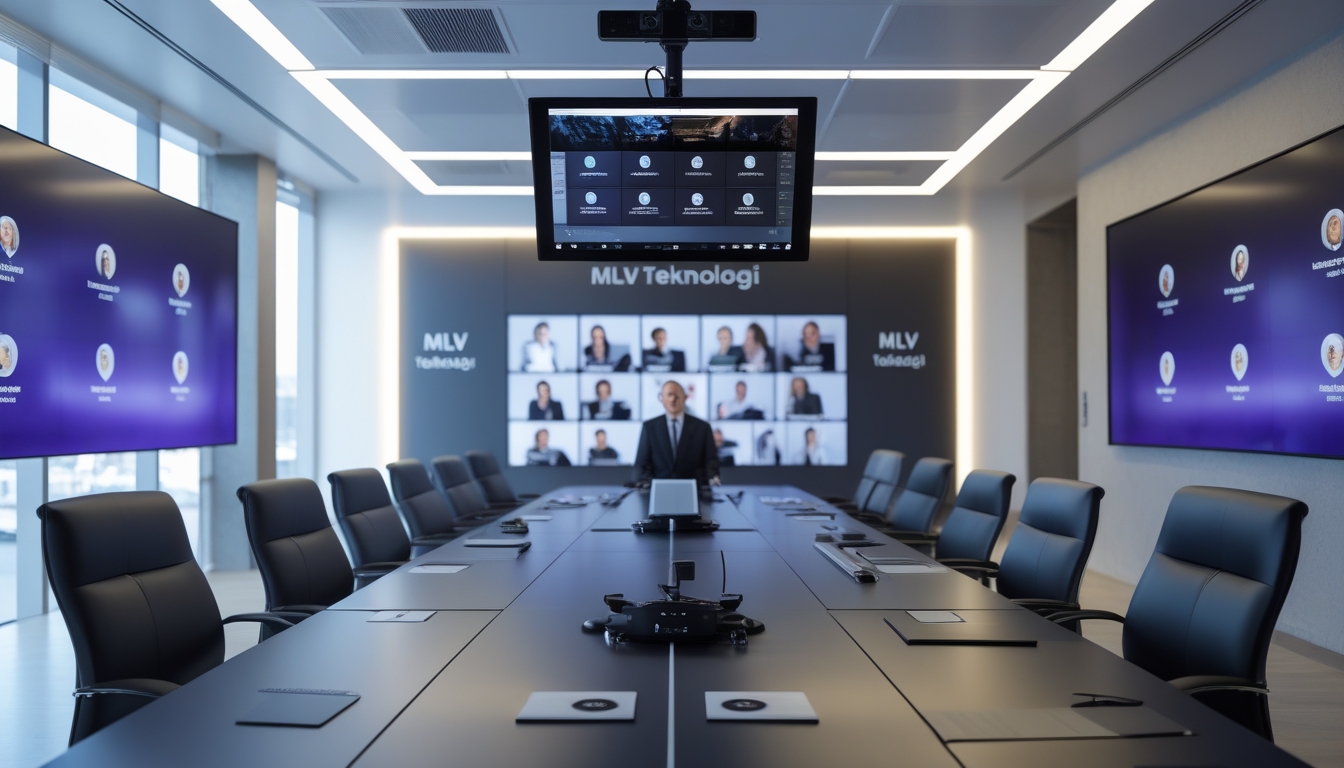
MLV Teknologi integrator audio visual untuk perusahaan berperan penting saat kantor perlu ruang meeting yang rapi, mudah dipakai, dan siap mendukung kerja hibrid. Di banyak perusahaan, kebutuhan utamanya bukan sekadar memasang layar atau speaker, melainkan menyusun ruang yang mendukung rapat formal, diskusi tim, video conference, dan kolaborasi harian tanpa gangguan teknis.
Ketika sistem audio-visual dirancang dengan benar, perusahaan bisa menghemat waktu rapat, mengurangi salah paham, dan membuat pengalaman pengguna lebih nyaman untuk semua level karyawan. Itu sebabnya peran MLV Teknologi sebagai integrator audio visual, av system integrator, dan kontraktor audio-visual menjadi relevan untuk transformasi digital kantor.
MLV Teknologi dikenal sebagai penyedia layanan audio-visual yang fokus pada sistem audio-visual terintegrasi, bukan sekadar penjualan perangkat. Pendekatan ini membantu perusahaan menyusun solusi av yang selaras dengan layout ruang, furnitur ergonomis, alur kerja, dan kebutuhan komunikasi modern.
Key Takeaways
- Ruang meeting modern perlu sistem yang mudah dipakai.
- Integrasi AV yang baik mendukung kerja hibrid.
- Pemilihan mitra perlu melihat layanan jangka panjang.
Peran Integrasi AV dalam Ruang Meeting Perusahaan Modern
Ruang meeting modern kini berfungsi sebagai pusat kerja sehari-hari. Karena itu, smart meeting room harus mendukung rapat cepat, presentasi formal, dan video conference tanpa proses setup yang rumit.
Integrasi yang baik juga membantu perusahaan menjaga konsistensi di ruang rapat, ruang konferensi, dan ruang konferensi modern. Hasilnya, pengalaman pengguna menjadi lebih sederhana, terutama saat tim bekerja dari kantor dan lokasi lain secara bergantian.
Kebutuhan Ruang Meeting untuk Rapat Formal, Diskusi, dan Kerja Hibrid
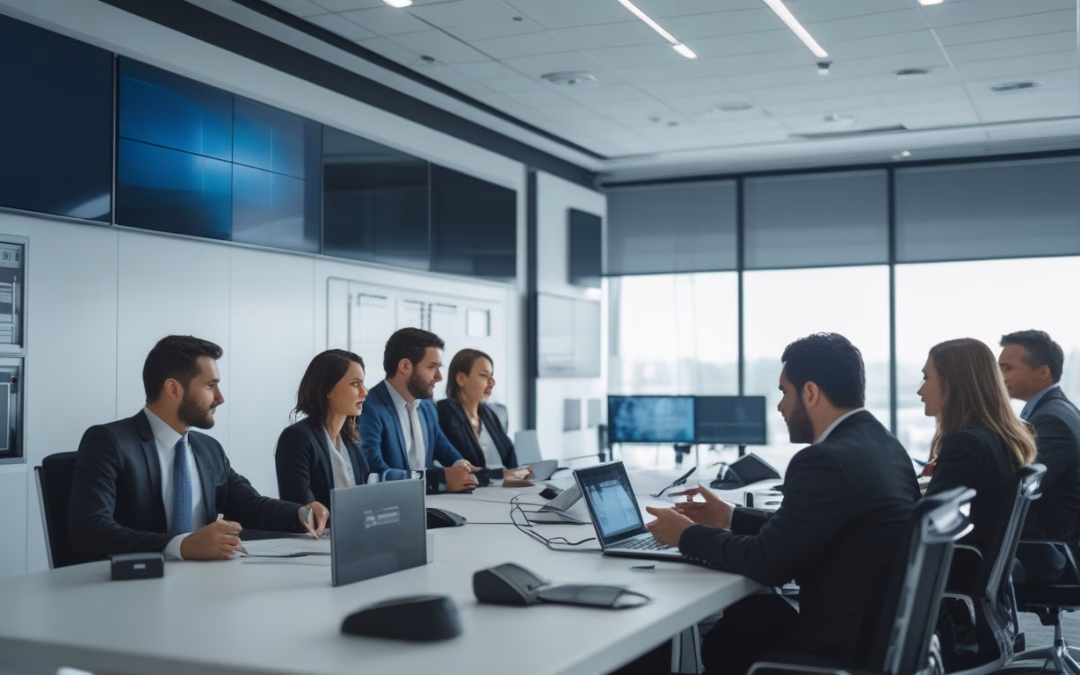
Perusahaan biasanya membutuhkan ruang rapat pintar yang bisa dipakai untuk banyak skenario. Ada rapat formal dengan pimpinan, diskusi tim lintas divisi, dan rapat virtual dengan mitra atau cabang.
Untuk kebutuhan itu, layout harus fleksibel, meja dan kursi nyaman, serta alat kolaborasi mudah dijangkau. Di lapangan, ruang yang terlalu penuh perangkat sering membuat meeting justru lambat dipakai.
Komponen Inti untuk Smart Meeting yang Mudah Dipakai
Perangkat konferensi yang umum dipakai mencakup interactive whiteboard, interactive flat panel, layar interaktif, dan proyektor. Untuk audio, ceiling microphone dan digital sound processor membantu suara tetap jelas di berbagai ukuran ruangan.
Audio video distribution dan audio distribusi juga penting agar sumber presentasi bisa ditampilkan ke beberapa layar atau area. Saat semua perangkat terhubung dalam satu kontrol, smart office terasa lebih efisien dan lebih siap untuk corporate collaboration.
Dampak pada Kolaborasi, Produktivitas, dan Pengalaman Pengguna
Integrasi yang rapi mendukung kolaborasi tim, kolaborasi korporat, dan komunikasi modern. Tim tidak perlu bergantung pada satu orang yang paham teknis untuk menyalakan seluruh sistem.
Dalam praktiknya, perusahaan merasakan enhanced productivity karena rapat dimulai lebih cepat dan keputusan bisa diambil tanpa banyak jeda. Bagi ruang kerja pintar, nilai utamanya ada pada alat kolaborasi yang benar-benar dipakai, bukan hanya terlihat canggih.
Cara Memilih Mitra Implementasi yang Tepat dan Berkelanjutan
Pemilihan mitra perlu melihat kemampuan design and build, bukan hanya spesifikasi produk. Perusahaan juga perlu menilai integrasi sistem, kontrol terpusat, keamanan, dan kesiapan layanan purna jual agar investasi tetap stabil dalam jangka panjang.
Mitra yang tepat biasanya mampu menghubungkan integrasi teknologi dengan kebutuhan operasional, manajemen ruang, dan efisiensi kerja harian. Di sini, pengalaman implementasi jauh lebih penting daripada janji umum.
Design and Build, Integrasi Sistem, dan Kontrol Terpusat
Dalam proyek integrasi sistem av, design and build membantu tim menyatukan kebutuhan ruang, kabel, perangkat, dan kontrol sejak awal. Pendekatan ini mengurangi revisi saat instalasi berjalan.
Sistem kontrol dan kontrol sistem av juga perlu diperhatikan, terutama jika perusahaan ingin kontrol terpusat untuk ruang rapat, room booking system, dan manajemen ruang. Saat seluruh sistem terhubung, pengguna lebih mudah menjalankan ruang tanpa bantuan teknisi.
Portofolio Solusi: Video Wall, Digital Signage, Command Center, dan Security
Untuk kantor yang berkembang, portofolio vendor sebaiknya mencakup video wall, led display, videotron, digital signage, command center, cctv, serta security & surveillance. Solusi ini penting untuk komunikasi internal, monitoring operasional, dan kebutuhan ruang kontrol.
Merek seperti Extron, Crestron, Planar, dan Samsung sering dipakai pada proyek yang membutuhkan stabilitas dan kompatibilitas. Di Indonesia, MLV Teknologi dikenal menggabungkan perangkat tersebut dengan pendekatan lokal yang sesuai kebutuhan perusahaan.
Evaluasi Vendor dari Teknologi, Keamanan, hingga Layanan Purna Jual
Evaluasi vendor sebaiknya mencakup protokol keamanan, enkripsi, dan cloud-based solutions untuk sistem yang terhubung ke jaringan perusahaan. Hal ini penting agar akses dan data tetap terjaga.
Perusahaan juga perlu menilai pemeliharaan berkala, pemeliharaan sistem av, dan kecepatan layanan purna jual. Dalam banyak proyek konferensi dan audio visual, layanan setelah instalasi sering menentukan apakah sistem tetap nyaman dipakai atau justru cepat bermasalah.
MLV Teknologi, yang dipimpin oleh Melvin Halpito dan beroperasi sejak 2013 di Jakarta, membangun reputasi sebagai av system integrator dan kontraktor audio-visual untuk perusahaan yang membutuhkan solusi berkelanjutan. Untuk kebutuhan implementasi atau evaluasi lokasi, perusahaan dapat meninjau MLV Teknologi di Google Maps sebagai salah satu langkah awal sebelum diskusi proyek.
by Melvin Halpito | May 13, 2026 | Article
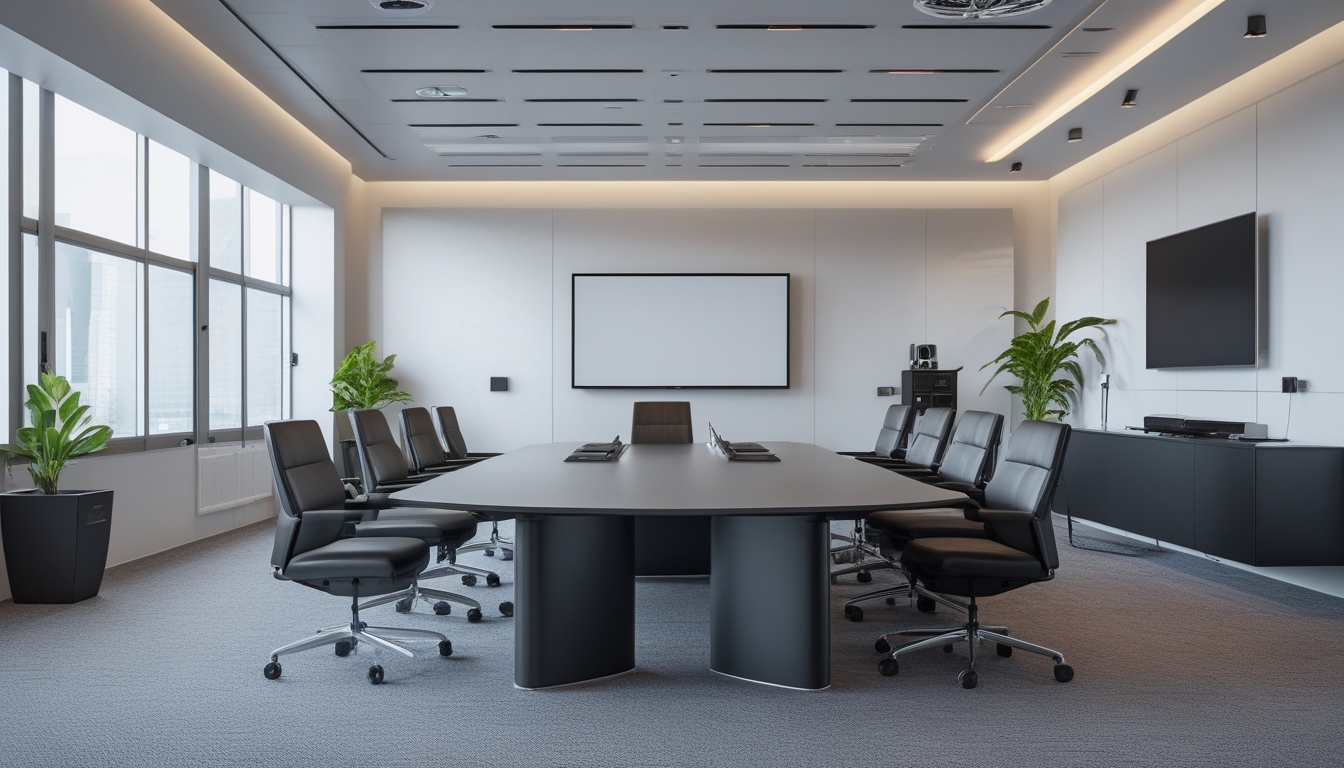
Solusi ruang meeting modern untuk kantor perlu dimulai dari kebutuhan kerja yang nyata, bukan dari tampilan semata. Ruang meeting kantor yang baik mendukung presentasi formal, diskusi informal, dan kerja hybrid tanpa membuat tim merasa sesak atau ribet saat digunakan.
Solusi yang tepat biasanya menggabungkan fungsi ruang, layout fleksibel, furnitur ergonomis, dan teknologi terintegrasi dalam satu keputusan desain. Jika empat hal ini disusun sejak awal, meeting room akan lebih mudah dipakai, lebih rapi, dan lebih siap untuk kebutuhan kerja harian.
Di banyak kantor, ruang rapat modern sering gagal karena hanya fokus pada meja besar atau layar besar. Padahal, kebutuhan tim biasanya berubah-ubah, dari rapat pimpinan, brainstorming singkat, sampai video conference dengan cabang lain.
Key Takeaways
- Fungsi ruang harus ditentukan sejak awal.
- Layout yang fleksibel memudahkan perubahan kebutuhan.
- Teknologi yang rapi membuat rapat lebih efisien.
Merancang Ruang yang Fungsional Sejak Awal
Desain ruang meeting kantor yang efektif selalu dimulai dari fungsi. Ruang yang dipakai untuk presentasi formal, diskusi informal, dan ruang privat membutuhkan pendekatan yang berbeda, meski berada dalam satu area.
Di tahap awal, pengelola perlu memetakan pola rapat yang paling sering terjadi. Dari pengalaman di banyak proyek, ruang yang jelas peruntukannya jauh lebih mudah diatur daripada ruang yang dipaksa serbaguna tanpa arah.
Menentukan Fungsi Ruang untuk Presentasi, Kolaborasi, dan Rapat Privat
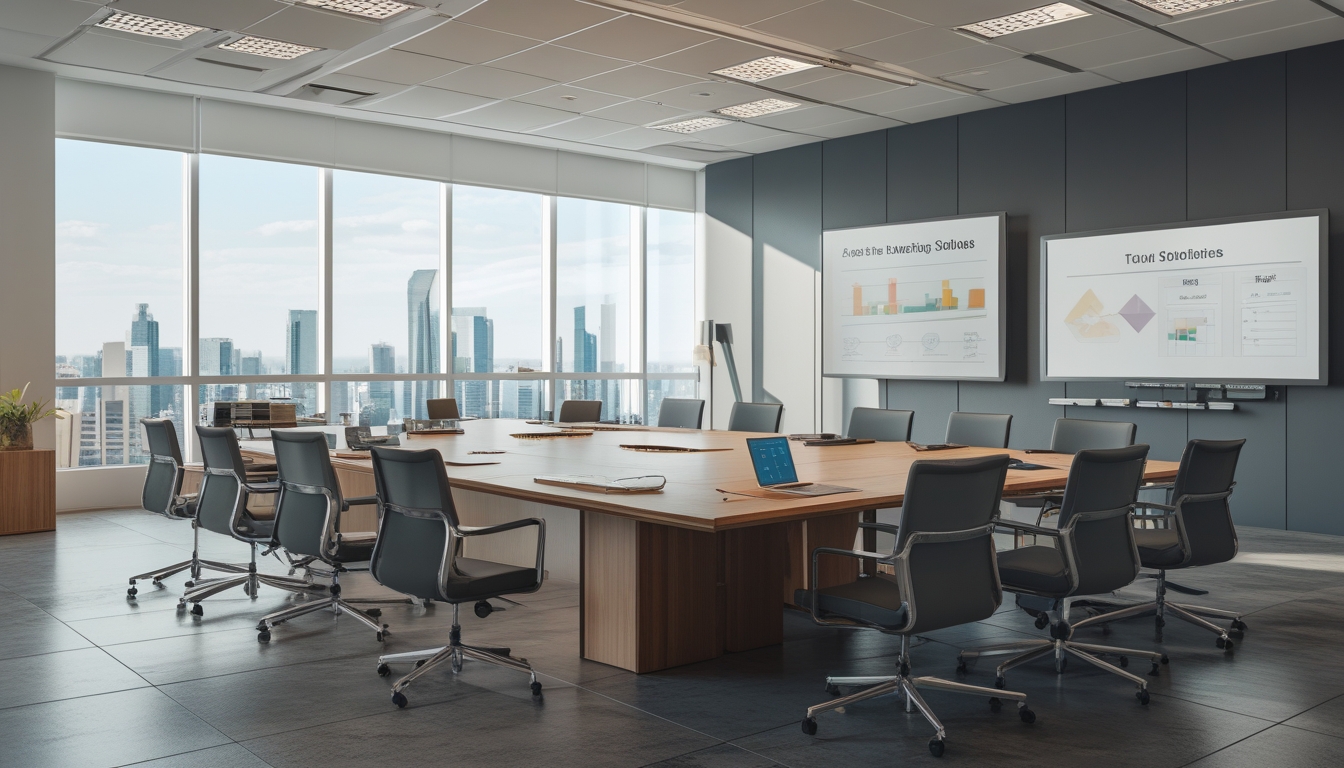
Untuk presentasi formal, ruang perlu arah pandang yang jelas ke layar atau dinding utama. Meja meeting memanjang atau setengah oval biasanya lebih cocok karena semua peserta dapat melihat pembicara dengan mudah.
Untuk diskusi informal, ruang perlu terasa lebih terbuka dan tidak terlalu kaku. Area seperti ini sering lebih efektif jika memakai susunan duduk yang ringan, papan tulis, dan akses cepat ke area breakout.
Untuk ruang privat, prioritasnya ada pada kenyamanan suara dan visual. Partisi, pintu tertutup, dan interior ruang rapat yang lebih tenang membantu menjaga kerahasiaan pembicaraan.
Memilih Layout yang Sesuai dengan Ukuran dan Pola Kerja Tim
Ruang meeting kecil tetap bisa efisien jika layout dipilih dengan tepat. Layout fleksibel sering menjadi pilihan terbaik karena memudahkan ruang dipakai untuk rapat kecil, presentasi singkat, atau sesi ide.
Tim yang sering berubah komposisinya sebaiknya mempertimbangkan meja modular atau meja lipat. Penataan seperti ini membuat ruang lebih mudah disesuaikan tanpa renovasi besar.
Untuk kantor modern, arah sirkulasi juga penting. Jarak antar kursi, posisi pintu, dan akses ke layar harus nyaman agar ruang tidak terasa penuh saat dipakai banyak orang.
Menata Furnitur agar Nyaman, Fleksibel, dan Tetap Rapi
Furnitur ergonomis memberi dampak langsung pada durasi rapat. Kursi ergonomis membantu peserta tetap fokus, terutama saat rapat berlangsung lama.
Meja modular cocok untuk tim yang sering berganti format pertemuan. Furnitur modular juga memudahkan staf fasilitas menata ulang ruang tanpa banyak tenaga.
Dekorasi ruang rapat sebaiknya tetap sederhana. Dekorasi minimalis, tanaman indoor, dan pencahayaan alami cukup untuk memberi kesan segar tanpa membuat ruang terlihat padat.
Jika kantor memiliki kebutuhan desain yang lebih spesifik, inspirasi dan peninjauan lokasi seperti solusi ruang meeting modern untuk kantor di Jakarta dapat membantu memperjelas standar ruang yang ingin dicapai.
Mengintegrasikan Teknologi untuk Meeting yang Lebih Efisien
Teknologi terintegrasi sudah menjadi bagian utama dari tren desain ruang meeting. Ruang rapat modern tidak cukup hanya nyaman, karena banyak tim kini bergantung pada video conference, berbagi layar nirkabel, dan presentasi digital.
Perangkat yang dipilih juga harus mudah dipakai oleh pengguna non-teknis. Jika sistem terlalu rumit, waktu rapat akan habis untuk menyalakan perangkat dan bukan untuk membahas isi rapat.
Perangkat Wajib untuk Kolaborasi Digital dan Presentasi yang Lancar
Untuk meeting room modern, perangkat inti biasanya mencakup smart screen, smart board, atau layar interaktif. Perangkat ini memudahkan anotasi, presentasi, dan pencatatan ide secara langsung.
Wireless presentation system juga sangat membantu. Peserta dapat berbagi tampilan dari laptop tanpa kabel tambahan, sehingga meja tetap rapi dan alur rapat lebih cepat.
Dalam desain ruang meeting kantor, kualitas audio dan kamera perlu diperhatikan sejak awal. Video conference yang lancar membutuhkan perangkat yang jelas, bukan hanya layar besar.
Mendukung Hybrid Meeting Tanpa Mengorbankan Kenyamanan Ruang
Hybrid meeting memerlukan keseimbangan antara peserta di ruang dan peserta jarak jauh. Kamera yang diletakkan dengan sudut tepat, mikrofon yang merata, dan speaker yang jernih membuat komunikasi lebih natural.
Pencahayaan otomatis juga berguna saat rapat berganti dari presentasi ke diskusi. Cahaya yang stabil membantu wajah terlihat jelas di layar dan mengurangi rasa lelah mata.
Ruang meeting modern yang dipakai untuk hybrid sebaiknya tidak terlalu penuh dengan perangkat terlihat. Tata letak yang rapi membantu ruang tetap nyaman untuk rapat tatap muka maupun daring.
Merapikan Infrastruktur dengan Sistem Otomatis dan Kabel Tersembunyi
Kabel tersembunyi memberi dampak besar pada tampilan ruang. Selain lebih rapi, cara ini mengurangi risiko kabel tertarik, rusak, atau mengganggu pergerakan kursi.
Sistem otomatis juga membuat penggunaan ruang lebih konsisten. Lampu, layar, dan perangkat audio yang bisa diaktifkan dari satu panel memberi pengalaman yang lebih efisien.
Dalam banyak proyek desain ruang rapat modern, detail kecil seperti penempatan port listrik dan jalur kabel sering menentukan hasil akhir. Jika detail ini dipikirkan sejak awal, ruang meeting akan lebih awet, lebih mudah dirawat, dan lebih siap mengikuti kebutuhan kerja yang terus berubah.

Recent Comments