
by MLV Teknologi | May 18, 2026 | Article
MLV Teknologi fit out kantor dengan solusi AV dan IT menjadi relevan saat perusahaan ingin membangun ruang kerja yang siap dipakai, bukan sekadar rapi secara visual. Saat AV dan IT direncanakan sejak awal, tata ruang, kabel, perangkat, dan alur kerja dapat disatukan tanpa banyak revisi di akhir proyek.
Pendekatan ini penting untuk kantor di Indonesia, terutama di Jakarta, tempat kebutuhan transformasi digital, smart office, dan kolaborasi tim terus meningkat. Dalam praktiknya, ruang kerja modern tidak lagi cukup hanya dengan furnitur dan finishing yang baik, karena audio visual, jaringan, kontrol ruang, dan integrasi teknologi juga menentukan performa harian kantor.
Perencanaan yang tepat sejak tahap awal membantu kantor bekerja lebih lancar, lebih mudah dikelola, dan lebih siap berkembang. MLV Teknologi dikenal melalui pendekatan integrasi yang menghubungkan desain ruang dengan sistem AV, IT, dan kebutuhan operasional jangka panjang.
Key Takeaways
- AV dan IT sebaiknya masuk sejak tahap desain.
- Ruang kerja yang terintegrasi lebih mudah dikelola.
- Pengalaman pengguna ikut membaik saat sistemnya tertata.
Peran AV dan IT dalam Fit Out Kantor Modern
Fit out kantor modern tidak hanya membahas layout, material, dan finishing. Di banyak proyek, nilai ruang justru naik ketika solusi audiovisual, sistem audio visual, dan perangkat IT dirancang sebagai bagian dari fungsi kerja harian.
Dalam pengalaman proyek kantor, ruang yang paling efektif biasanya adalah ruang yang tidak memaksa pengguna berpikir panjang saat mulai rapat, presentasi, atau video conference. Sistem yang sederhana dipakai, stabil, dan sesuai kebutuhan ruang memberi dampak langsung pada kolaborasi tim.
Mengapa Perencanaan AV dan IT Harus Dimulai Sejak Tahap Desain
Perencanaan sejak awal membantu menentukan posisi perangkat av, jalur kabel, kebutuhan listrik, akustik, dan ventilasi perangkat. Jika semua ditambahkan belakangan, hasilnya sering kurang rapi dan lebih sulit dirawat.
Pada ruang rapat pintar, keputusan kecil seperti posisi layar interaktif, kamera otomatis, atau mikrofon omnidirectional memengaruhi kenyamanan pengguna. Karena itu, desain ruang dan integrasi teknologi perlu berjalan bersama, bukan terpisah.
Komponen Inti untuk Ruang Rapat, Area Kolaborasi, dan Ruang Multifungsi
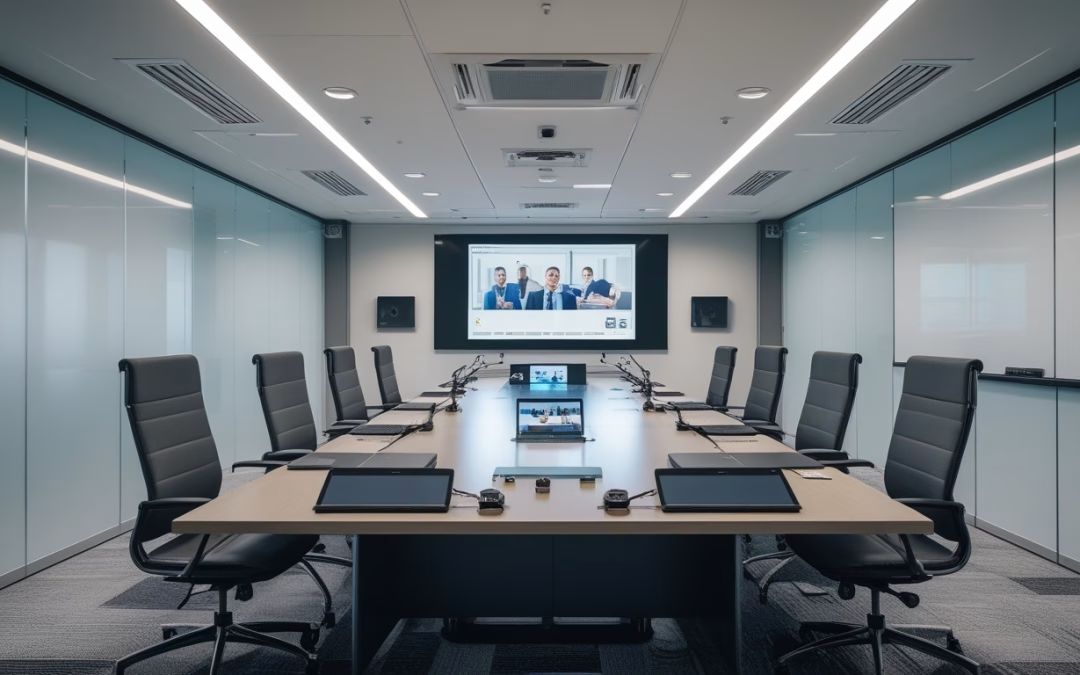
Ruang rapat modern biasanya memerlukan interactive flat panel, smartboard interaktif, layar sentuh, speaker berkualitas tinggi, dan sistem suara berkualitas tinggi. Untuk konferensi video berkualitas tinggi, kamera otomatis dan noise cancellation juga menjadi elemen penting.
Pada area kolaborasi dan ruang multifungsi, fleksibilitas lebih penting daripada perangkat yang terlalu kompleks. Smart meeting room yang baik mendukung berbagi layar, video conference, dan kolaborasi jarak jauh tanpa langkah teknis yang berlebihan.
Dampak pada Pengalaman Kerja, Efisiensi, dan Produktivitas
Saat sistem audio visual bekerja baik, komunikasi modern menjadi lebih jelas dan lebih cepat. Rapat juga terasa lebih singkat karena peserta tidak banyak waktu terbuang untuk mengatur perangkat.
Bagi tim GA, facilities, dan IT, ruang yang terencana dengan baik memberi penghematan waktu dalam operasional harian. Bagi pengguna akhir, pengalaman kerja menjadi lebih nyaman karena perangkat mendukung tugas, bukan menghambatnya.
Implementasi, Integrasi, dan Pengelolaan Jangka Panjang

Tahap implementasi menentukan apakah sistem akan mudah dipakai dalam jangka panjang atau sering menimbulkan gangguan. Di titik ini, peran av system integrator dan av contractors menjadi penting karena mereka perlu menyesuaikan infrastruktur av dengan kebutuhan ruang, kontrol, dan pemeliharaan.
Integrasi yang baik juga membantu pengelolaan ruang otomatis, kontrol terpusat, dan efisiensi operasional. Pada proyek yang lebih besar, sistem manajemen ruang dan pengelolaan sinyal video perlu dibuat konsisten agar tiap area bekerja dengan standar yang sama.
Integrasi Sistem Terpusat untuk Ruang, Perangkat, dan Otomatisasi
Kontrol sentralisasi memudahkan tim mengatur kontrol av, sistem otomatisasi, dan sistem manajemen ruang dari satu titik. Ini penting saat kantor memiliki banyak ruang rapat, ruang kerja hybrid, atau zona komunikasi yang berbeda fungsi.
Dalam proyek yang saya lihat, integrasi awal juga memudahkan instalasi video conference dan pengaturan keamanan data. Solusi seperti crestron, extron, dan extron electronics sering dipakai saat perusahaan membutuhkan kontrol perangkat yang stabil dan dapat berkembang.
Contoh Penerapan pada Command Centre, Lobi, dan Area Komunikasi Visual
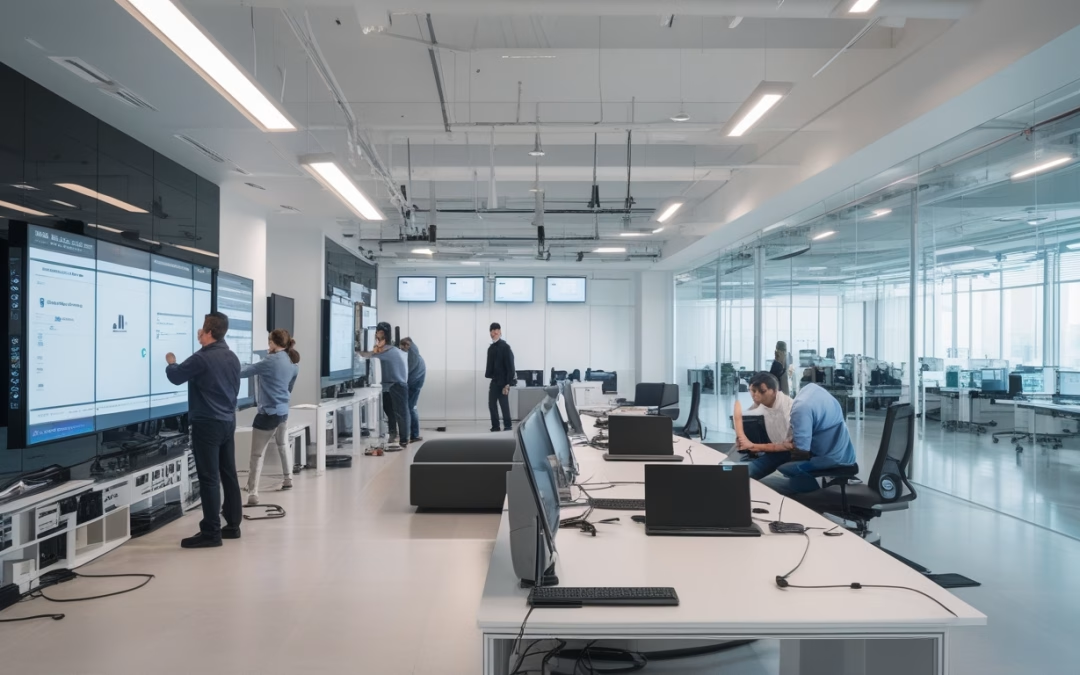
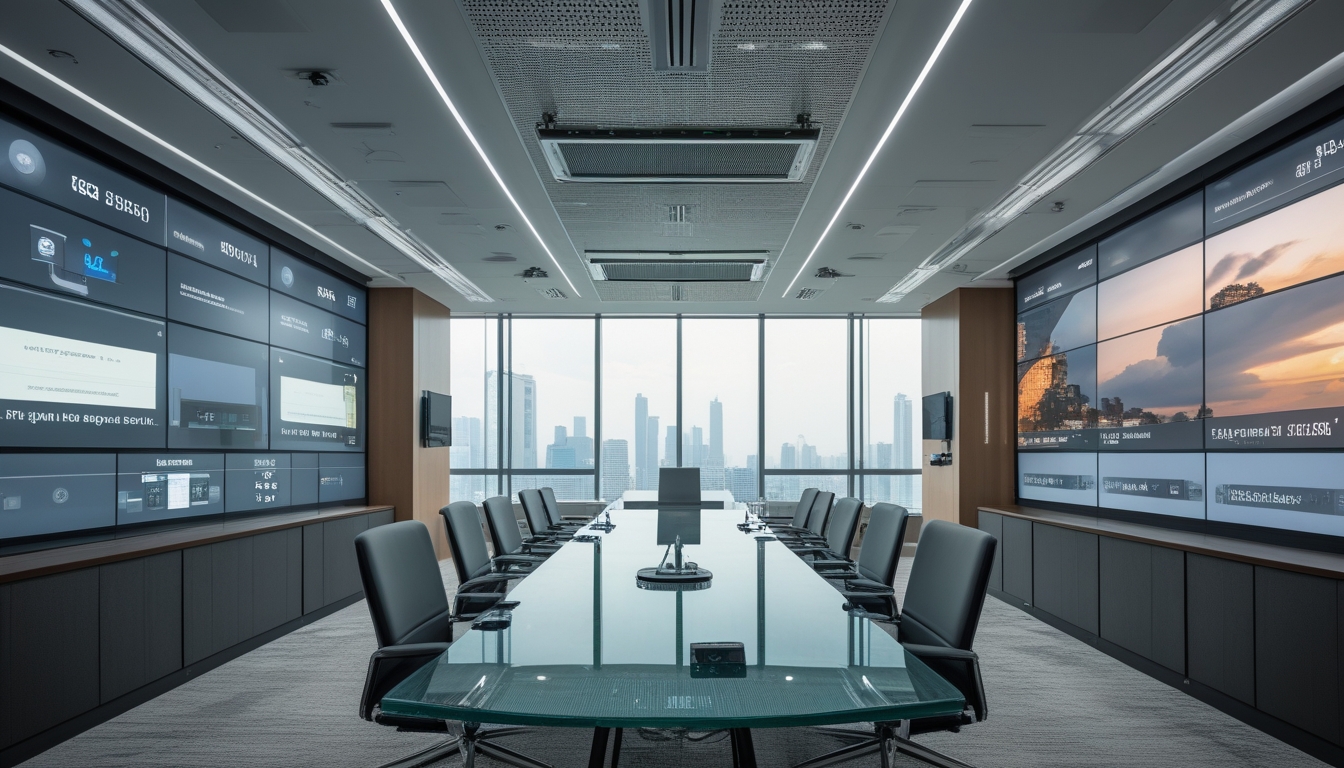
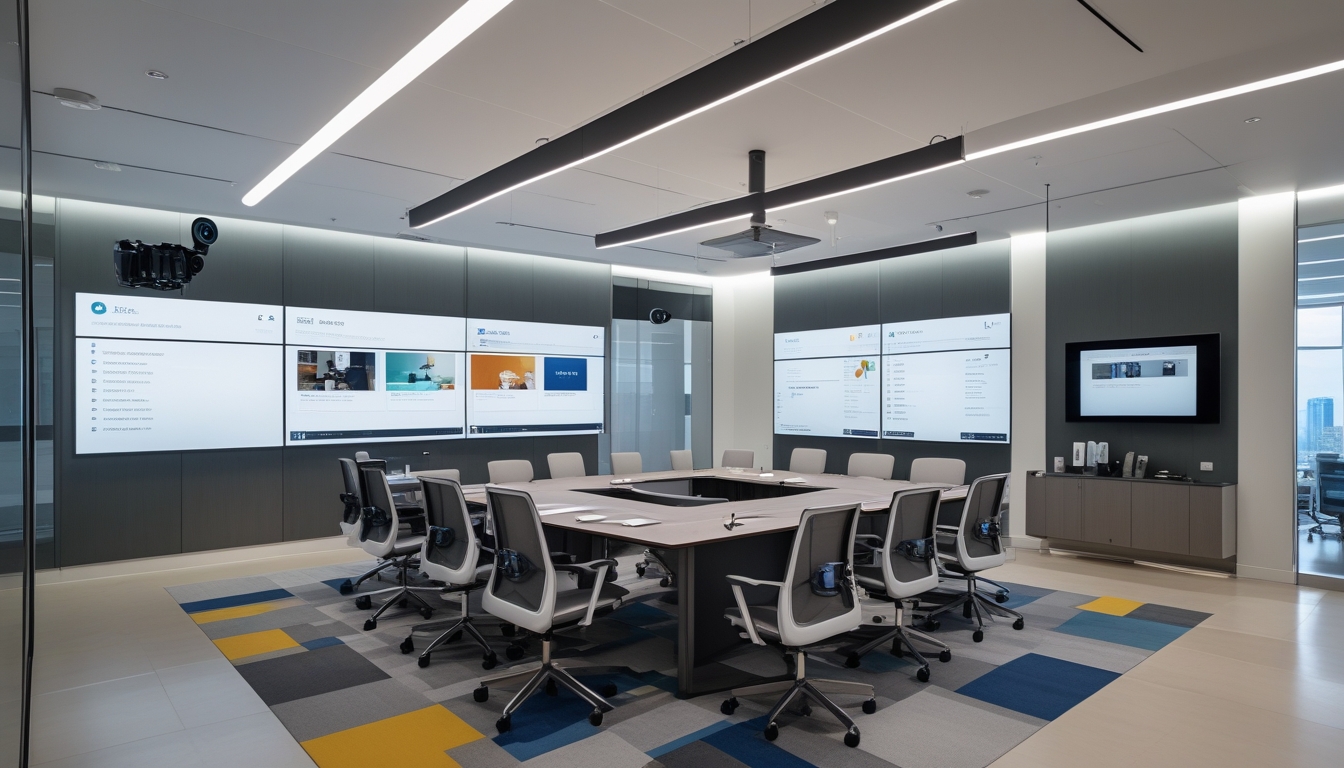
Pada command centre, kebutuhan utamanya adalah tampilan real-time, video wall, dan pengelolaan visual yang konsisten. Untuk lobi dan area publik, digital signage, led display, dan videotron membantu komunikasi internal maupun eksternal secara lebih jelas.
Di kantor berskala besar, solusi av skala besar juga sering dipakai untuk mendukung operasional harian. Penerapan seperti ini banyak ditemukan pada kantor di Jakarta yang ingin menyatukan presentasi, informasi internal, dan komunikasi merek dalam satu alur yang rapi, termasuk melalui lokasi bisnis seperti MLV Teknologi di Jakarta.
Pemeliharaan, Monitoring, dan Dukungan Setelah Instalasi
Setelah instalasi, pekerjaan belum selesai. Monitoring performa sistem, pemeliharaan sistem av, dan layanan purna jual diperlukan agar perangkat tetap stabil dan tidak mengganggu aktivitas kantor.
Dukungan berkelanjutan juga membantu pengembangan kapasitas tim internal. Melvin Halpito dan tim yang menangani implementasi semacam ini biasanya menekankan bahwa sistem yang baik harus mudah dipantau, mudah dirawat, dan siap menyesuaikan kebutuhan kantor di masa depan.
by MLV Teknologi | May 17, 2026 | Article
Standard teknologi ruang meeting untuk gedung perkantoran bersama MLV Teknologi harus dimulai dari kebutuhan kerja yang nyata, bukan dari daftar perangkat yang panjang. Tim IT, GA, procurement, dan project lead biasanya membutuhkan ruang yang stabil, mudah dipakai, dan siap untuk rapat tatap muka maupun hybrid tanpa banyak langkah teknis.
Dalam praktik implementasi MLV Teknologi, standar yang paling penting selalu berkisar pada audio visual yang konsisten, integrasi perangkat yang rapi, jaringan yang siap beban kerja rapat, dan kontrol terpusat yang mudah dipahami pengguna. Bila fondasi ini benar sejak awal, ruang meeting akan lebih cepat dipakai, lebih mudah dirawat, dan lebih siap mendukung smart office di gedung perkantoran.
Key Takeaways
- Standar ruang meeting dimulai dari audio, visual, jaringan, dan kontrol.
- Hybrid meeting butuh perangkat yang mudah dipakai dan stabil.
- Desain enterprise mengurangi gangguan operasional dan biaya perawatan.
Standar Inti Teknologi untuk Ruang Meeting Modern
Ruang meeting modern perlu dibangun sebagai satu sistem, bukan kumpulan alat terpisah. Audio, visual, kolaborasi hybrid, dan jaringan harus bekerja sebagai satu alur yang mudah dipakai oleh pengguna non-teknis.
Standar enterprise yang baik juga harus mempertimbangkan konsistensi antar ruang. Ruang kecil, ruang rapat menengah, dan ruang boardroom memerlukan pendekatan yang berbeda, meski prinsip integrasinya tetap sama.
Komponen Wajib Audio, Visual, dan Kolaborasi Hybrid
Audio adalah titik paling kritis. Mikrofon harus menangkap suara dengan jelas, baik melalui ceiling microphone, speakerphone, atau array dengan beamforming, noise cancellation, dan noise reduction agar kualitas suara tetap bersih saat ada banyak peserta.
Untuk visual, interactive flat panel, interactive display, atau interactive whiteboard membantu presentasi dan anotasi langsung. Pada ruang yang sering dipakai untuk kerja tim, interactive collaboration board memberi pengalaman yang lebih praktis daripada layar biasa.
Kolaborasi hybrid perlu dukungan video conference dan solusi video conference yang stabil. Kamera konferensi dengan framing otomatis, speaker tracking, dan tampilan 4K sangat membantu saat peserta remote harus melihat ekspresi dan gestur pembicara.
Standar Integrasi Perangkat dan Infrastruktur Jaringan
Integrasi perangkat harus memakai standar yang jelas, seperti SIP untuk komunikasi, serta koneksi yang stabil untuk presentasi dan video. Di lapangan, masalah paling sering muncul bukan dari perangkat utama, melainkan dari network infrastructure yang tidak siap untuk beban audio video.
Jaringan perlu memisahkan trafik rapat dengan VLAN atau kebijakan QoS. Ini penting saat ruang meeting dipakai bersamaan dengan sistem kantor lain, termasuk aplikasi cloud, conference call, dan audio video distribution.
Integrasi perangkat juga harus mempertimbangkan kompatibilitas antar vendor. Dalam proyek enterprise, alur kerja yang mulus lebih penting daripada memilih perangkat yang paling mahal. Sistem yang rapi akan memudahkan collaboration, kolaborasi jarak jauh, dan kolaborasi hybrid di seluruh ruang meeting modern.
Kontrol Terpusat, Otomasi Ruangan, dan Pengalaman Pengguna
Control system dan sistem kontrol terpusat membuat pengguna tidak perlu mengatur banyak perangkat satu per satu. Satu panel bisa dipakai untuk menyalakan layar, memilih sumber, mengatur kamera, dan memulai rapat.
Platform seperti Crestron sering dipakai sebagai referensi untuk kontrol ruang yang terpusat dan mudah dirawat. Fitur seperti preset mode, integrasi kalender, dan room booking system membantu pengguna masuk rapat tanpa kebingungan.
Pengalaman pengguna harus sederhana. Di proyek yang baik, ruang rapat modern cukup memiliki satu alur: masuk ruang, duduk, rapat dimulai, tanpa banyak konfigurasi manual. Itulah yang membuat fasilitas meeting berteknologi tinggi benar-benar berguna, bukan sekadar terlihat canggih.
Implementasi Enterprise dan Contoh Penerapan di Gedung Perkantoran
Pada level enterprise, ruang meeting harus dilihat sebagai bagian dari operasi gedung. Karena itu, peran system integrator, sistem integrator, av system integrator, dan audio visual contractor sangat penting sejak tahap awal desain.
Pendekatan yang tepat biasanya menggabungkan kebutuhan teknis, tata ruang, dan pola kerja perusahaan. Hasilnya adalah ruang meeting korporasi yang siap dipakai untuk operasional harian, rapat manajemen, hingga presentasi strategis.
Tahapan Desain, Survey, Instalasi, dan Commissioning
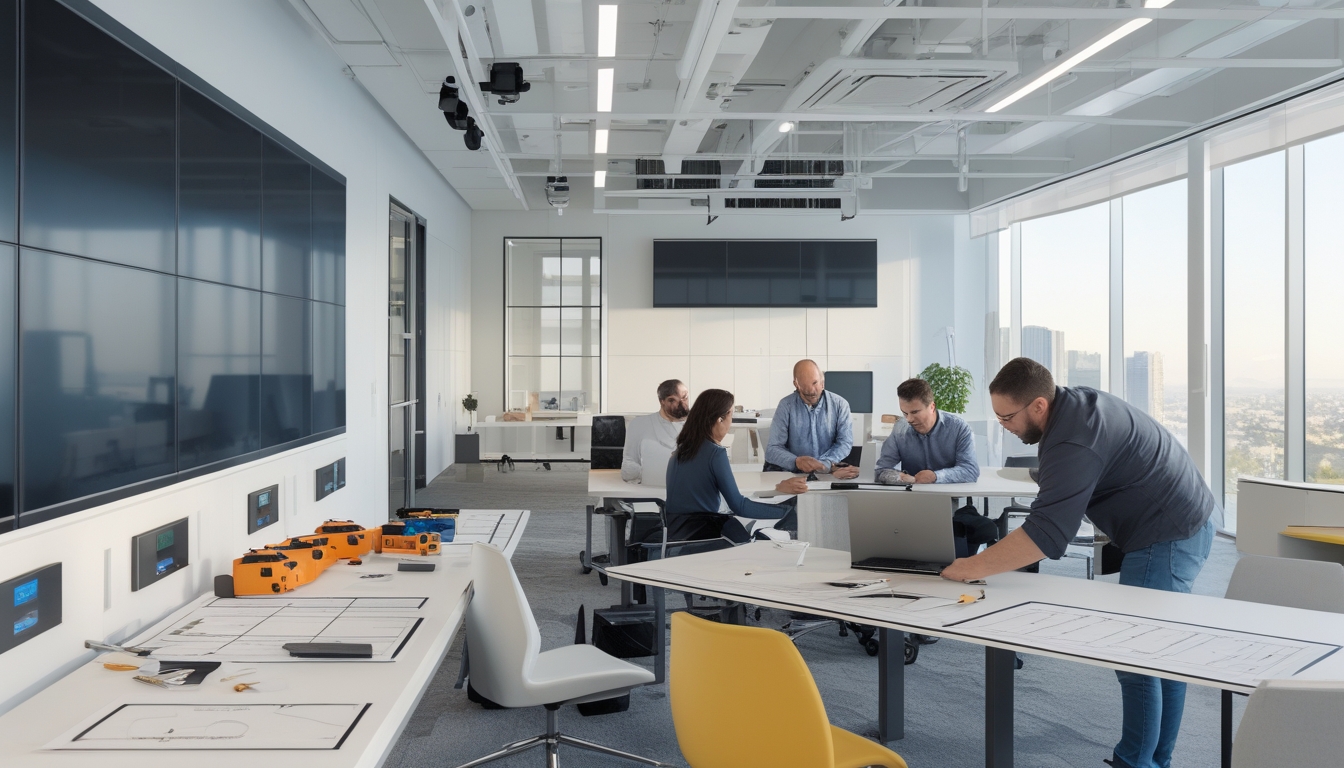
Tahap awal selalu dimulai dari survey ruang. Tim teknis perlu melihat ukuran ruangan, akustik, posisi layar, jalur kabel, kebutuhan daya, dan pola duduk sebelum menentukan perangkat.
Setelah itu, desain teknis dibuat bersama kebutuhan interior. Pada beberapa proyek, koordinasi dengan tim desain interior ruang meeting seperti Canary Design membantu memastikan layar, kamera, dan pencahayaan tetap selaras dengan fungsi ruang.
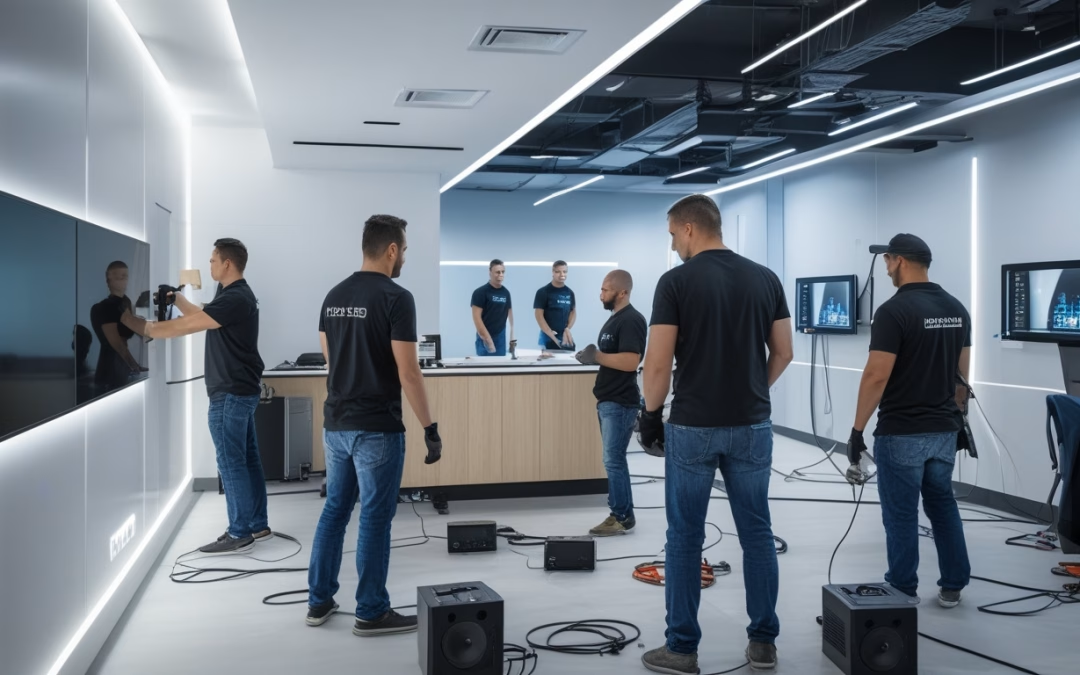
Instalasi yang baik diikuti commissioning dan uji coba pengguna. Proses ini penting agar implementasi sistem kolaborasi berjalan sesuai tujuan, bukan sekadar aktif secara teknis. Untuk banyak organisasi, dukungan dari av consultants dan audio visual solution provider membantu menyusun standar yang rapi sejak awal.
Penyesuaian Standar untuk Ukuran dan Fungsi Ruang
Tidak semua ruang membutuhkan desain yang sama. Ruang meeting menengah hingga besar biasanya memerlukan kamera konferensi yang lebih kuat, audio yang lebih merata, dan display yang lebih besar agar semua peserta terlihat dan terdengar jelas.
Untuk ruang kecil, fokusnya ada pada kemudahan pakai dan waktu setup yang singkat. Untuk ruang boardroom, fokusnya bergeser ke kualitas presentasi, framing kamera, dan tampilan yang mendukung pengambilan keputusan.
Perangkat pendukung juga harus dipilih sesuai fungsi. Dalam proyek tertentu, perangkat seperti Poly Studio E60, 4K MPTZ Camera, 12x Optical Zoom, Smart Framing, Poly Sync 60, HP Thunderbolt 4 Ultra Dock, dan HP Thunderbolt 4 Ultra 280W G6 Dock dapat membantu skenario kerja yang berbeda, dari desk setup hingga ruang rapat formal.
Contoh Implementasi MLV Teknologi untuk PT KIA Sales Indonesia
Salah satu contoh yang relevan adalah implementasi MLV Teknologi untuk PT KIA Sales Indonesia di RDTX Place, Jakarta. Proyek ini menunjukkan bagaimana ruang meeting korporasi bisa dibangun untuk kebutuhan hybrid dan presentasi kerja yang konsisten.
Dalam proyek tersebut, integrasi Samsung QB85C, interactive display, dan solusi video conference dipakai di beberapa ruang agar kolaborasi tetap lancar. Pendekatan ini membantu perusahaan menjaga standar ruang rapat tanpa membuat pengguna menghadapi banyak langkah teknis.
Pada lingkungan yang lebih luas, pendekatan yang sama juga bisa diperluas ke digital signage, LED display, all in one LED display, video wall, dan videotron untuk area lobby, command center, CCTV, security & surveillance, dan access door. Saat semua sistem ini terhubung dengan baik, gedung perkantoran mendapatkan fondasi smart workspace yang lebih siap untuk transformasi ruang kerja dan smart conference room yang benar-benar fungsional.
Untuk lokasi dan cakupan layanan, tim yang ingin menilai akses proyek dan koordinasi lapangan dapat melihat lokasi MLV Teknologi di Jakarta melalui tautan peta yang relevan: MLV Teknologi Jakarta.
Bagi pengelola gedung dan pengambil keputusan, pola seperti ini penting karena menempatkan standar, integrasi, dan pengalaman pengguna sebagai satu kesatuan. Dengan pendekatan yang disiplin, ruang meeting tidak hanya siap dipakai hari ini, tetapi juga lebih mudah dikembangkan saat kebutuhan perusahaan berubah.
by MLV Teknologi | May 17, 2026 | Article
MLV Teknologi: vendor AV untuk proyek renovasi kantor sering dicari saat perusahaan ingin memperbarui ruang kerja tanpa mengganggu operasional harian. Dalam proyek seperti ini, pilihan partner AV memengaruhi kualitas ruang rapat, kenyamanan kolaborasi, dan kesiapan kantor untuk kebutuhan kerja hybrid.
Keputusan yang tepat biasanya dimulai dari kebutuhan ruang, lalu berlanjut ke integrasi sistem, keamanan data, dan dukungan purna jual yang jelas. Jika alurnya rapi, renovasi kantor tidak hanya menghasilkan tampilan baru, tetapi juga sistem kerja yang lebih efisien.
MLV Teknologi dikenal sebagai vendor AV dan kontraktor audio-visual yang menangani solusi audio visual untuk ruang kerja modern. Dalam proyek renovasi, pendekatan seperti ini penting karena renovasi sistem audio-visual hampir selalu terkait dengan upgrade sistem AV, tata ruang, dan transformasi digital perusahaan.
Key Takeaways
- Ruang rapat harus dirancang dari kebutuhan kerja nyata.
- Integrasi sistem AV menentukan kemudahan penggunaan harian.
- Dukungan purna jual penting untuk menjaga sistem tetap stabil.
Apa yang Perlu Diprioritaskan Saat Renovasi Kantor dengan Sistem AV
Prioritas utama renovasi kantor bukan hanya estetika, melainkan fungsi ruang. Untuk smart office, sistem AV harus mendukung audio visual yang jelas, mudah digunakan, dan selaras dengan pola kerja tim.
Perusahaan biasanya perlu menilai ruang rapat, ruang meeting, dan alur kolaborasi sebelum memilih teknologi AV. Dari situ, keputusan tentang kamera konferensi, speaker, layar interaktif, dan kontrol terpusat bisa dibuat lebih tepat.
Kebutuhan Inti Ruang Rapat, Ruang Meeting, dan Kolaborasi Hybrid
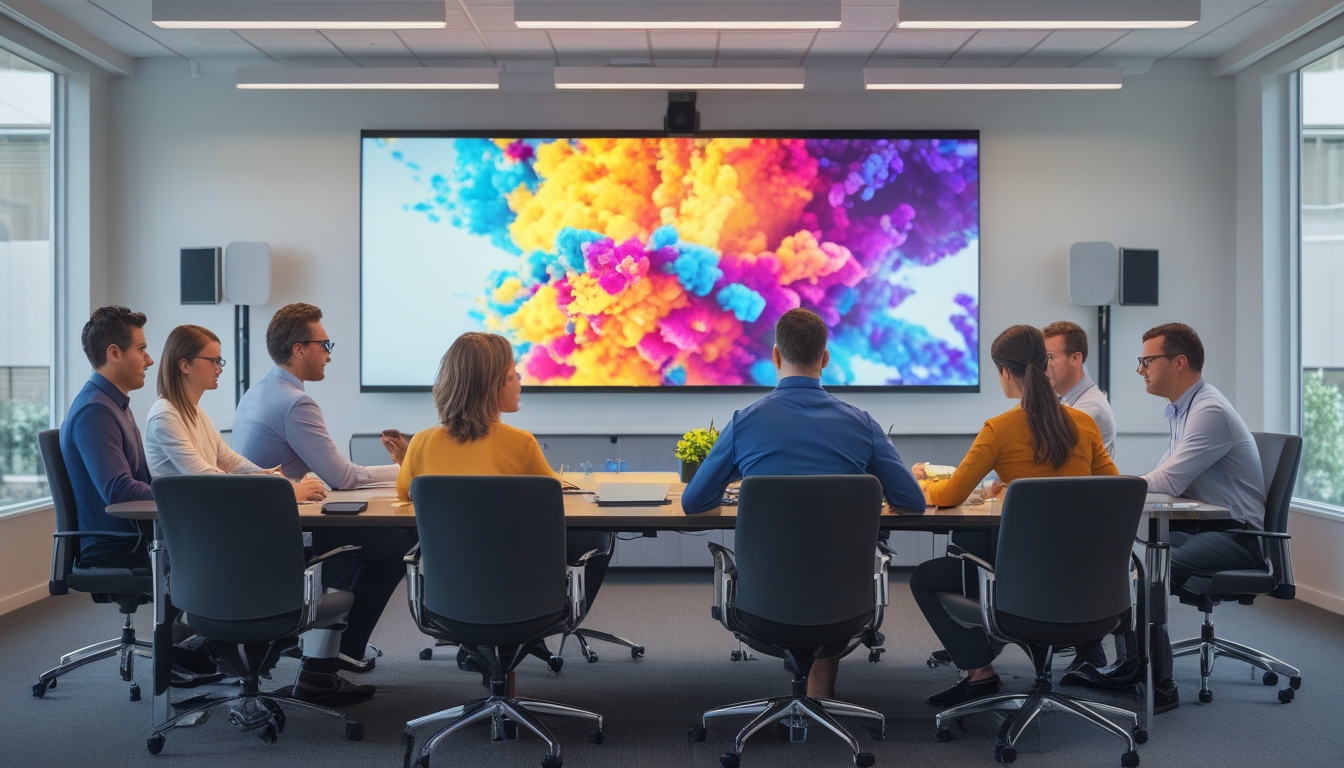
Ruang rapat modern perlu mendukung kolaborasi tim di lokasi yang sama dan kolaborasi jarak jauh. Karena itu, konferensi video harus berjalan lancar, dengan perangkat konferensi video yang stabil, kamera konferensi yang sudut pandangnya tepat, serta mikrofon omnidirectional yang mampu menangkap suara dengan baik.
Sistem suara berkualitas juga penting agar peserta di ruang meeting dan peserta remote mendengar isi diskusi dengan jelas. Dalam praktiknya, noise cancellation sangat membantu saat ruangan dekat koridor atau area kerja terbuka.
Untuk tim yang sering presentasi, sistem presentasi harus mudah dipakai tanpa banyak langkah teknis. Presentasi interaktif dan pengelolaan presentasi yang sederhana membuat rapat lebih singkat dan lebih fokus.
Integrasi Smart Office, Sistem Manajemen Ruang, dan Kontrol Terpusat
Renovasi kantor yang baik biasanya menggabungkan sistem av dengan sistem manajemen ruang terintegrasi. Manajemen ruang, pengelolaan ruang otomatis, dan optimasi penggunaan ruang membantu perusahaan melihat pemakaian ruang rapat secara lebih akurat.
Kontrol terpusat menjadi nilai penting karena pengguna tidak perlu mengatur banyak perangkat satu per satu. Sistem kontrol terpusat, perangkat kontrol av, dan kontrol av yang dirancang dengan baik juga membuat pengalaman pengguna lebih konsisten.
Dalam banyak proyek, teknologi seperti Crestron dan Extron dipilih karena mendukung kontrol ruang dan integrasi perangkat yang lebih rapi. Saat fungsi ruang berubah, otomatisasi ruang dan pengelolaan ruang tetap bisa berjalan tanpa mengganggu produktivitas.
Standar Perangkat untuk Presentasi, Video Conference, dan Audio Ruangan
Standar perangkat perlu disesuaikan dengan ukuran ruang dan jenis aktivitas. Layar interaktif cocok untuk sesi kerja aktif, sementara speaker yang tepat dan sistem suara yang merata lebih penting di ruang besar.
Untuk presentasi visual, proyektor, layar led, dan perangkat konferensi harus dipilih berdasarkan jarak pandang, pencahayaan, dan kebutuhan gambar. Di ruang yang sering dipakai untuk presentasi formal, kualitas gambar dan kemudahan pengelolaan presentasi memberi dampak langsung pada efisiensi operasional.
Perusahaan juga sebaiknya mengevaluasi pengalaman pengguna sejak awal. Jika sistem terlalu rumit, teknologi av justru menghambat komunikasi modern. Jika disusun dengan benar, solusi av akan mendukung produktivitas tanpa menambah beban tim IT atau facility manager.
Nilai Tambah MLV Teknologi dalam Implementasi dan Dukungan Jangka Panjang
Nilai tambah utama MLV Teknologi terlihat saat proyek masuk ke tahap integrasi sistem dan implementasi. Pendekatan ini penting untuk memastikan infrastruktur av tidak berdiri sendiri, melainkan menyatu dengan operasional kantor, keamanan data, dan target transformasi digital.
Bagi perusahaan di Indonesia, aspek dukungan lokal, pelatihan pengguna, dan layanan purna jual sering menjadi pembeda yang nyata. Sistem yang baik perlu tetap stabil setelah serah terima, bukan hanya saat demo instalasi.
Pendekatan Design and Build untuk Integrasi Sistem yang Rapi
Pendekatan design and build membantu menyatukan desain ruang dan kebutuhan teknis sejak awal. Dengan model ini, av system integrator dapat menyesuaikan layout, jalur kabel, posisi perangkat, dan pengelolaan sinyal video agar hasil akhir lebih rapi.
MLV Teknologi banyak dipilih karena menggabungkan perencanaan, implementasi teknologi, dan integrasi sistem dalam satu alur kerja. Cara ini penting untuk proyek renovasi, karena perubahan ruang sering memengaruhi semua infrastruktur av yang sudah ada.
Untuk lingkungan kerja modern, pendekatan seperti ini juga memudahkan koordinasi antara IT manager, procurement, dan tim fasilitas. Hasilnya, keputusan teknis lebih mudah dikontrol dan risiko perubahan di lapangan bisa ditekan.
Implementasi untuk Smart Office, Digital Signage, dan Command Center
Solusi smart office tidak hanya menyasar ruang rapat. Digital signage terintegrasi, video wall, videotron, dan led display atau layar led dapat mendukung komunikasi internal, navigasi, serta informasi operasional.
Di area tertentu, proyektor masih berguna, tetapi untuk ruang dengan kebutuhan tinggi seperti command center, pengelolaan sinyal video dan tampilan resolusi hd biasanya lebih penting. Sistem seperti ini sering dipakai untuk lingkungan yang butuh respons cepat dan visual yang konsisten.
Dalam proyek skala besar, solusi av skala besar harus mempertimbangkan cloud, jaringan aman, dan keamanan data. Jika sistem juga terhubung dengan sistem keamanan dan cctv, integrasinya perlu dirancang hati-hati agar tetap stabil dan mudah dikelola.
Dukungan Teknis, Pelatihan Pengguna, dan Layanan Purna Jual
Setelah instalasi selesai, dukungan teknis 24/7 dan dukungan lokal menjadi faktor yang sering menentukan umur pakai sistem. Banyak perusahaan membutuhkan respons cepat saat ruang rapat digunakan untuk rapat direksi, presentasi klien, atau meeting lintas negara.
Pelatihan pengguna juga penting agar staf memahami cara memakai sistem tanpa bergantung penuh pada teknisi. Dengan pelatihan yang tepat, adopsi berjalan lebih cepat dan risiko kesalahan penggunaan menurun.
Layanan purna jual, termasuk dukungan purna jual dan pemeliharaan berkala, membantu menjaga performa sistem tetap stabil. Untuk proyek yang melibatkan teknologi seperti HDII atau integrasi perangkat beresolusi tinggi, konsistensi dukungan setelah proyek sama pentingnya dengan kualitas instalasi awal.
Untuk perusahaan yang sedang menilai lokasi dan tim pelaksana, halaman MLV Teknologi di Google Maps bisa membantu memeriksa akses dan keberadaan lokasi secara praktis sebelum proses pengadaan dimulai.
Dengan alur kerja yang jelas dari desain ruang hingga layanan setelah serah terima, MLV Teknologi menunjukkan peran sebagai vendor AV yang relevan untuk proyek renovasi kantor. Pendekatan seperti ini memberi ruang bagi perusahaan untuk membangun sistem kerja yang lebih siap, aman, dan mudah dikembangkan saat kebutuhan bisnis berubah.
by MLV Teknologi | May 16, 2026 | Article
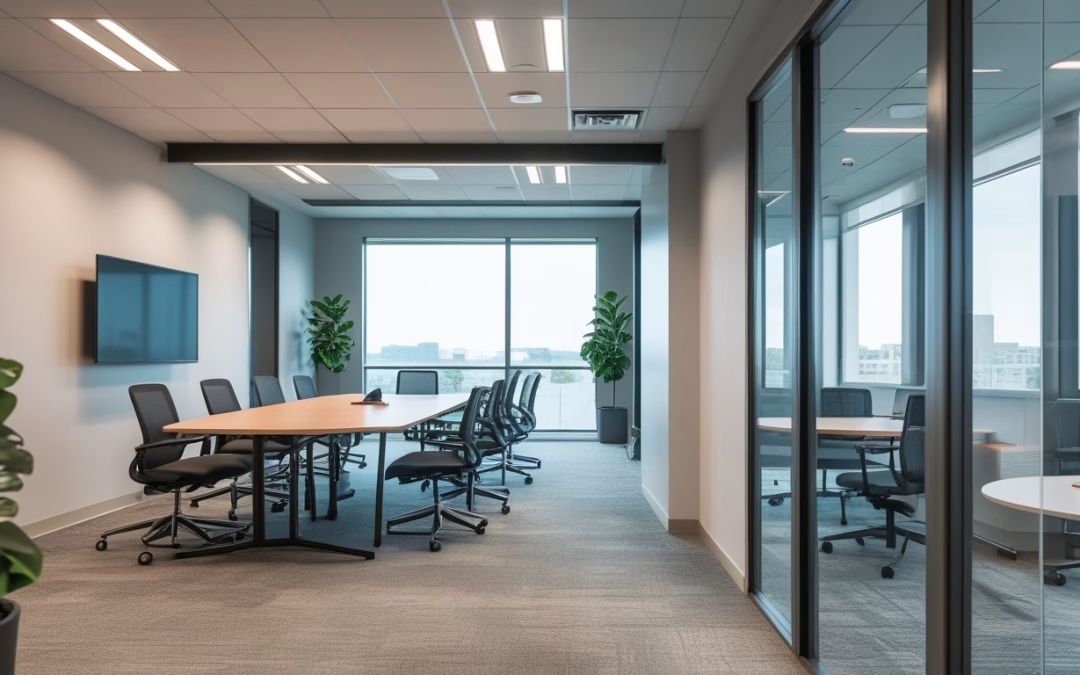
Perencanaan meeting room dan huddle room untuk kantor perlu dimulai dari keputusan paling penting, yaitu fungsi ruang, jumlah pengguna, dan jenis rapat yang paling sering terjadi. Setelah tiga hal itu jelas, barulah layout, furnitur, dan teknologi bisa disusun dengan lebih efisien.
Dalam praktik kantor modern, meeting room, ruang rapat, ruang meeting, dan huddle room punya peran yang berbeda. Ruang yang tepat akan mendukung kolaborasi tim, mempercepat pengambilan keputusan, dan menjaga efisiensi kerja tanpa membuat ruang terbuang percuma.
Perencanaan yang baik dimulai dari kecocokan fungsi, bukan dari pembelian furnitur atau perangkat. Ketika tipe ruang, kapasitas, dan kebutuhan hybrid sudah dipetakan sejak awal, proses pengadaan biasanya lebih rapi dan hasil akhirnya lebih mudah dipakai.
Key Takeaways
- Fungsi ruang harus ditentukan sebelum pembelian.
- Kapasitas yang pas membuat rapat lebih efektif.
- Teknologi hybrid perlu mudah dipakai sejak hari pertama.
Menentukan Fungsi, Tipe Ruang, dan Kapasitas
Perencanaan ruang meeting yang tepat selalu dimulai dari pola kerja harian. Ruang kecil untuk diskusi cepat tidak perlu diperlakukan sama seperti ruang rapat besar untuk presentasi tim atau sesi klien.
Kapan Memilih Ruang Meeting Biasa atau Huddle Room
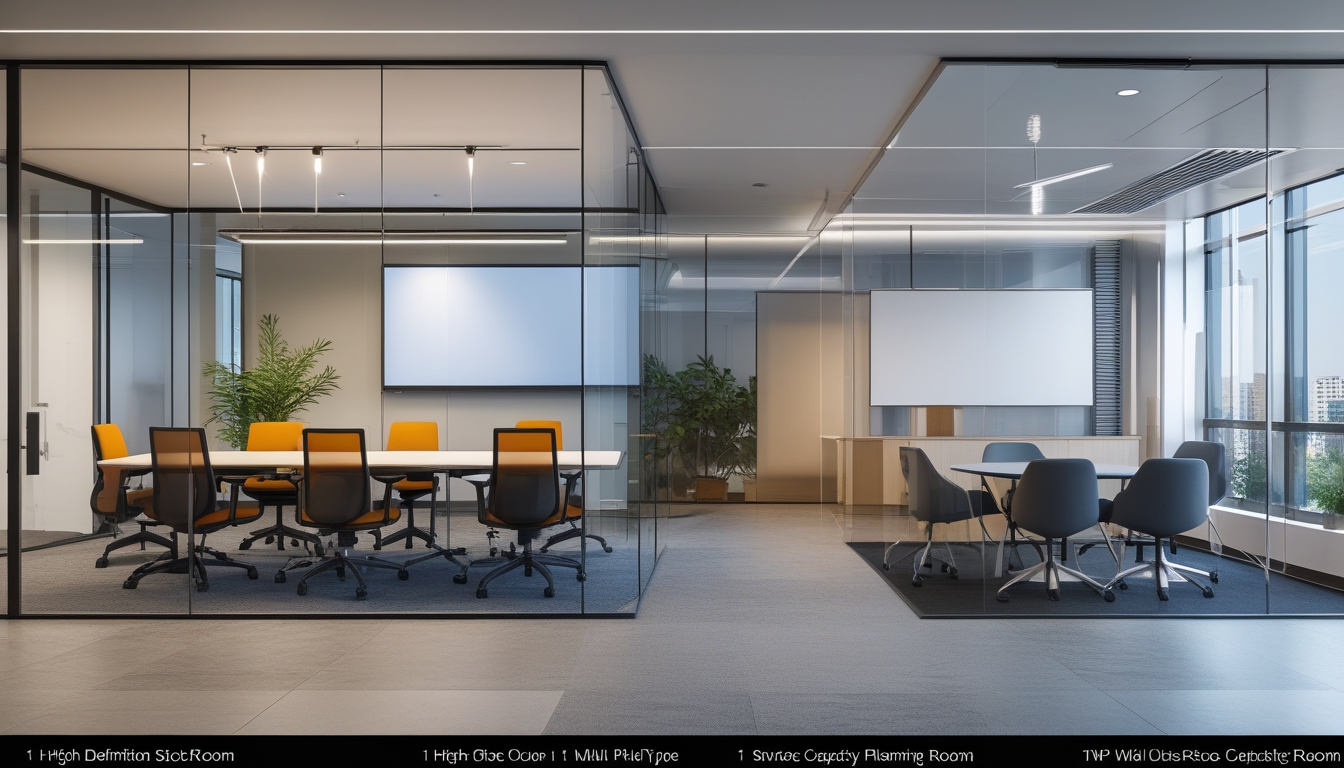
Meeting room biasa cocok untuk rapat yang butuh layar lebih besar, peserta lebih banyak, atau diskusi yang berlangsung lebih lama. Huddle room lebih tepat untuk 2 sampai 6 orang, rapat singkat, check-in tim, atau panggilan hybrid cepat.
Dalam banyak kantor, huddle rooms bekerja baik saat ruang terbatas dan kebutuhan kolaborasi terjadi spontan. Ruang rapat biasa tetap penting saat perusahaan sering menerima tamu, menjalankan review proyek, atau perlu citra perusahaan yang lebih formal.
Jika kantor juga ingin memperkuat branding ruangan, tipe ruang dapat dibedakan lewat warna, material, dan signage yang konsisten. Pendekatan ini membantu orang cepat mengenali fungsi ruang tanpa banyak penjelasan.
Menyesuaikan Kapasitas dengan Pola Rapat dan Kolaborasi
Kapasitas sebaiknya mengikuti data rapat, bukan perkiraan kasar. Jika sebagian besar rapat diisi 3 sampai 4 orang, ruang 8 kursi sering terasa terlalu besar dan kurang efisien.
Ukuran meja rapat, jarak kursi, dan area gerak perlu disesuaikan dengan pola kerja. Ruang yang terlalu padat akan mengganggu kenyamanan, sedangkan ruang yang terlalu longgar menghabiskan area kantor yang bisa dipakai untuk fungsi lain.
Untuk tim yang sering brainstorming, whiteboard dan area berdiri perlu disediakan sejak awal. Untuk rapat formal, posisi kursi dan layar harus memberi pandangan jelas ke semua peserta.
Menyusun Layout Awal untuk Alur Diskusi yang Efektif
Layout yang baik membuat alur diskusi terasa natural. Meja sebaiknya tidak menghalangi pandangan ke layar, pintu, dan papan tulis.
Pada huddle room, layout kecil dengan meja kompak dan akses mudah ke layar biasanya paling efektif. Pada ruang rapat yang lebih besar, posisi layar, whiteboard, dan kursi perlu disusun agar peserta lokal dan peserta remote tetap mudah mengikuti percakapan.
Jika kantor ingin mengecek inspirasi tata ruang dan penataan fasilitas kerja, salah satu contoh lokasi yang bisa dijadikan referensi penataan area kerja modern adalah ruang meeting kantor di Jakarta Selatan. Contoh seperti ini membantu tim melihat bagaimana ruang rapat dan area kolaborasi bisa dibedakan secara fungsional.
Standar Setup Fisik dan Teknologi untuk Ruang Hybrid
Ruang hybrid perlu nyaman dipakai oleh peserta di dalam ruangan dan peserta jarak jauh. Karena itu, kualitas fisik ruang, audio, visual, dan konektivitas harus dipikirkan sebagai satu sistem.
Furnitur, Akustik, dan Visual yang Mendukung Kenyamanan
Furnitur yang tepat membuat ruang terasa rapi dan mudah dipakai. Kursi yang ergonomis, meja dengan ukuran pas, serta penataan kabel yang bersih akan memberi kesan profesional sekaligus mengurangi gangguan saat rapat.
Akustik sering menjadi masalah utama di meeting room kecil. Panel peredam, karpet, atau material dinding yang tidak memantulkan suara terlalu keras akan membantu percakapan terdengar lebih jelas.
Dari sisi visual, pencahayaan harus cukup terang tanpa silau ke kamera atau layar. Untuk ruang kecil, interactive display sering lebih praktis daripada proyektor karena gambar lebih tajam dan anotasi lebih mudah dibaca.
Perangkat Inti untuk Presentasi dan Video Conference
Perangkat inti biasanya mencakup proyektor, speaker, kamera, dan sistem video conference. Untuk ruang modern, video bar sering dipilih karena kamera, mikrofon, dan speaker sudah terintegrasi dalam satu perangkat.
Fitur seperti auto-framing membantu kamera mengikuti pembicara atau kelompok secara otomatis. Ini sangat berguna saat peserta sering bergerak atau saat meeting berlangsung tanpa operator khusus.
Untuk kualitas suara, beamforming pada mikrofon membantu menangkap suara dari arah pembicara dan mengurangi suara sekitar. Hasilnya, peserta di Zoom atau Microsoft Teams bisa mendengar percakapan dengan lebih stabil.
Screen sharing juga perlu dirancang sederhana. Saat presentasi bisa dibagikan tanpa langkah rumit, rapat biasanya dimulai lebih cepat dan gangguan teknis lebih sedikit.
Konektivitas Mudah dengan Sistem Plug-and-Play
Sistem plug-and-play berarti perangkat dapat langsung digunakan setelah disambungkan, tanpa konfigurasi panjang. Untuk tim IT dan AV, ini penting karena mengurangi tiket bantuan dan mempercepat adopsi pengguna.
Wireless sharing memberi kemudahan saat presenter ingin membagikan layar dari laptop tanpa kabel. Di ruang yang sering dipakai bergantian, fitur ini biasanya lebih efisien daripada menyiapkan adaptor untuk setiap perangkat.
Integrasi dengan microsoft teams dan zoom sebaiknya diprioritaskan sejak awal agar pengguna tidak perlu belajar ulang di tiap ruangan. Panel kontrol yang sederhana, tombol join sekali tekan, dan kompatibilitas perangkat yang jelas akan membuat meeting room lebih konsisten dipakai.
Dalam pengadaan, keputusan yang paling aman biasanya adalah memilih standar yang sama untuk beberapa ruang. Cara ini memudahkan perawatan, pelatihan pengguna, dan pengendalian biaya support jangka panjang.
by MLV Teknologi | May 16, 2026 | Article
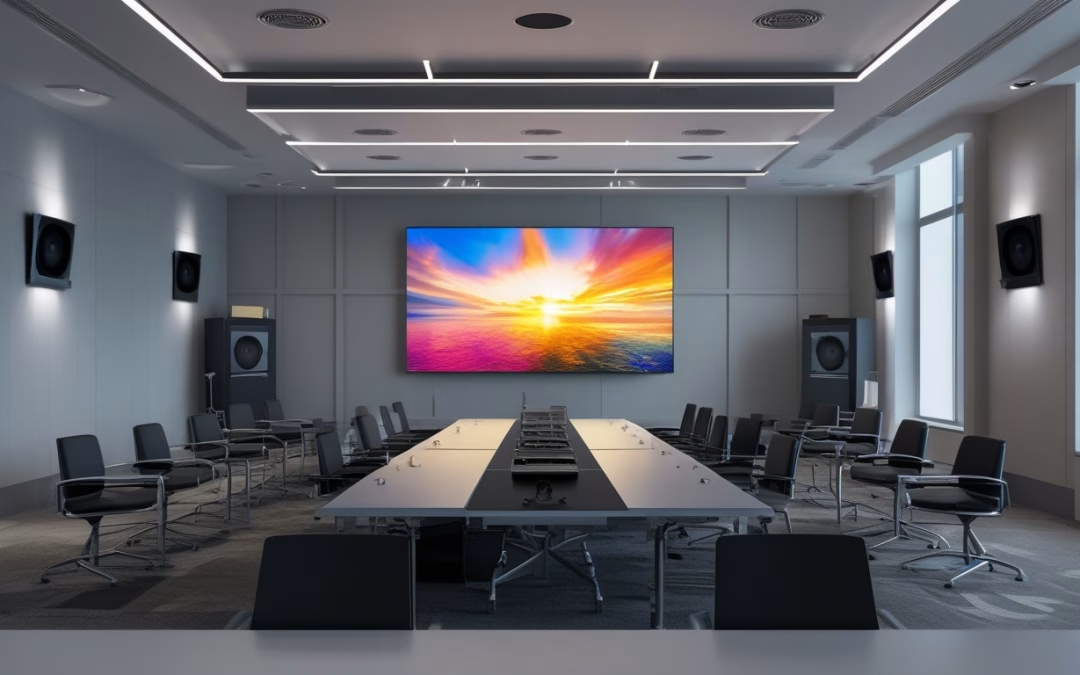
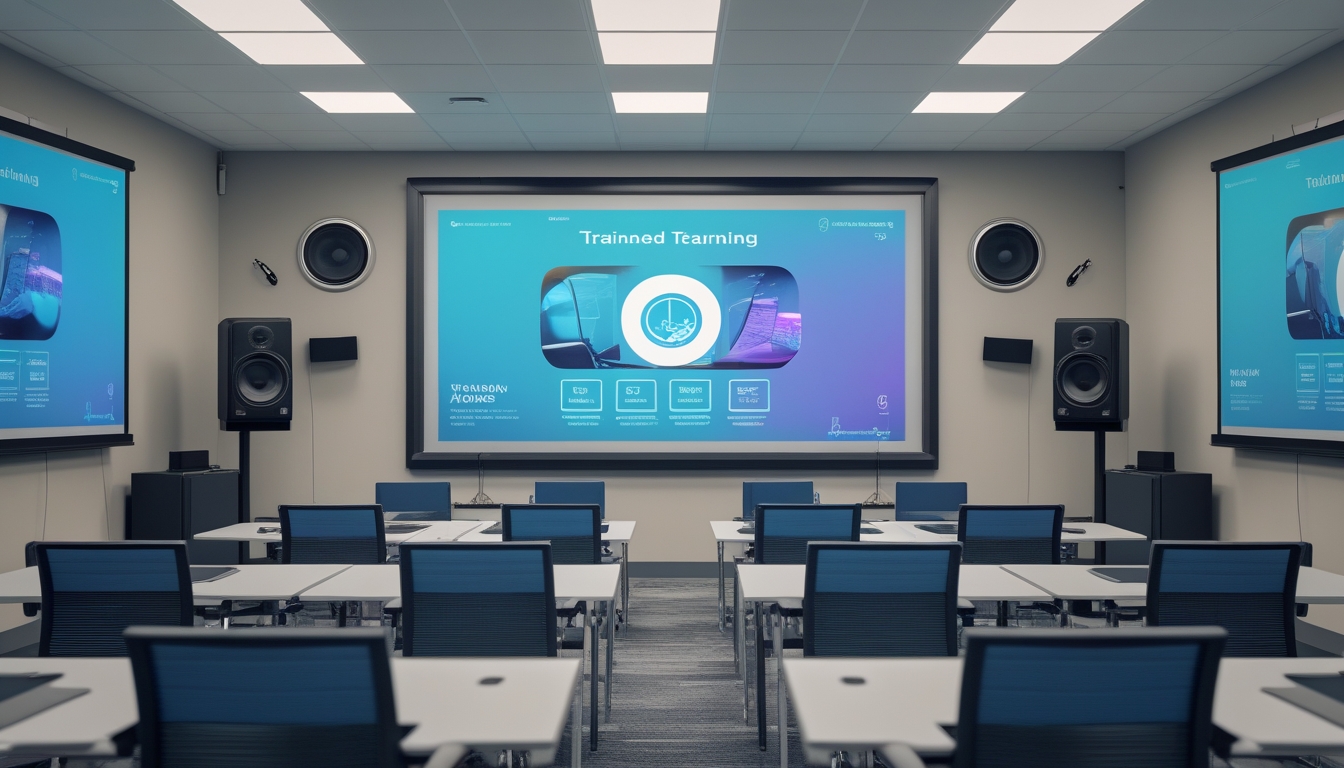
Solusi ruang training dengan layar besar dan sound system yang tepat biasanya dimulai dari satu hal sederhana, yaitu memastikan semua peserta bisa melihat, mendengar, dan ikut terlibat tanpa hambatan. Saat display terlalu kecil atau audio tidak merata, sesi pelatihan mudah melemah, meski materi yang disampaikan sudah bagus.
Solusi yang efektif menggabungkan ukuran ruangan, format pelatihan, layar besar, dan distribusi suara agar training room benar-benar mendukung kolaborasi. Pendekatan ini juga membantu tim HR, L&D, procurement, IT, dan pengelola fasilitas membuat keputusan yang lebih rapi saat upgrade ruang.
Di banyak training room, masalahnya bukan pada satu perangkat, melainkan pada kecocokan antarperangkat. Layar besar, sound system, audio visual, dan solusi audio visual harus dirancang sebagai satu sistem kerja, bukan dipilih terpisah.
Key Takeaways
- Layar dan audio harus disesuaikan dengan ukuran ruang.
- Kontrol terpusat memudahkan operasional harian.
- Integrasi yang rapi mendukung kolaborasi peserta.
Komponen Inti yang Menentukan Efektivitas Training Room
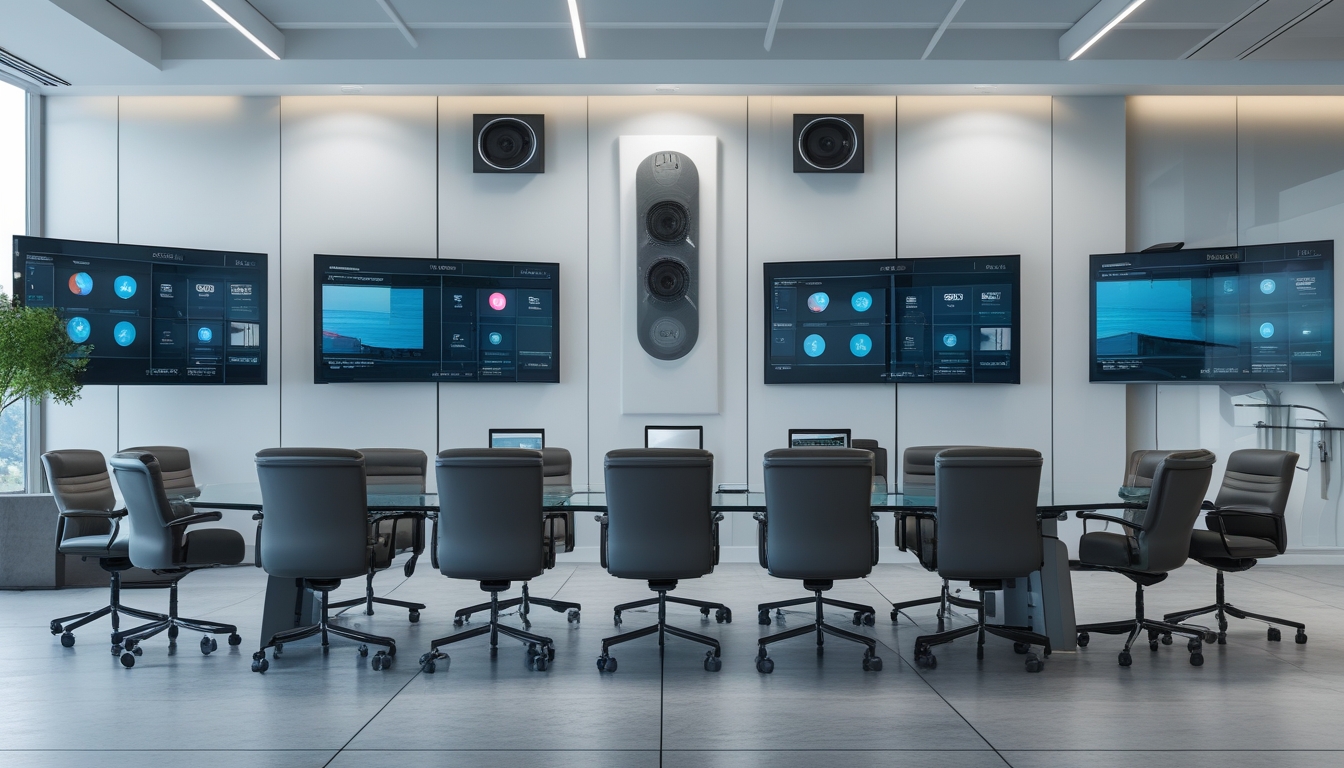
Training room yang efektif biasanya dibangun dari kombinasi tampilan yang mudah dibaca dan audio yang menyebar merata. Pemilihan perangkat seperti interactive flat panel, interactive display, video wall, atau LED videotron perlu diseimbangkan dengan sound system, amplifier, speaker ceiling, wireless presentation, dan control system.
Memilih Layar Besar Sesuai Format Pelatihan dan Ukuran Ruangan
Untuk sesi kelas kecil sampai menengah, interactive flat panel atau interactive display sering lebih praktis karena mudah dipakai untuk anotasi, presentasi, dan diskusi. Jika ruangnya luas atau peserta duduk jauh, video wall atau LED videotron memberi visibilitas lebih baik, terutama untuk materi visual dengan detail kecil.
Merek seperti BenQ sering dipertimbangkan untuk ruang pelatihan yang membutuhkan tampilan tajam dan penggunaan yang sederhana. Di lapangan, ukuran layar yang pas biasanya lebih penting daripada sekadar ukuran terbesar, karena layar yang terlalu kecil membuat peserta belakang cepat lelah.
Menentukan Sistem Audio yang Jelas dan Merata di Seluruh Ruangan
Sound system yang baik harus membuat suara presenter tetap jelas dari depan sampai belakang ruangan. Speaker ceiling sering dipilih untuk distribusi suara yang lebih rata, sedangkan amplifier membantu menjaga tenaga audio tetap stabil saat ruangan penuh.
Untuk training room yang aktif, sistem audio profesional biasanya dipilih karena lebih mudah disetel sesuai karakter ruangan. Saat suara terlalu keras di depan dan terlalu kecil di belakang, peserta akan lebih sulit fokus dan diskusi terasa tidak natural.
Peran Wireless Presentation dan Kontrol Terpusat dalam Sesi Training
Wireless presentation mengurangi waktu sambung kabel dan membuat pergantian presenter lebih cepat. Fitur ini berguna saat sesi melibatkan banyak pembicara, demo perangkat, atau diskusi kelompok.
Control system juga penting karena satu panel kendali bisa mengatur display, audio, input laptop, dan sumber presentasi lain dari satu titik. Dalam praktiknya, hal ini menurunkan risiko salah setting dan membantu staf nonteknis menjalankan ruang dengan lebih percaya diri.
Penerapan Solusi untuk Kebutuhan Operasional dan Jenis Ruang
Kebutuhan training room tidak sama dengan ruang rapat atau ruang konferensi, meski banyak komponennya bisa saling berbagi. Karena itu, solusi audio visual perlu disesuaikan dengan pola penggunaan harian, jumlah peserta, dan tingkat kemudahan operasional yang dibutuhkan tim.
Rekomendasi Setup untuk Ruang Training Kecil, Menengah, dan Besar
Untuk ruang kecil, satu interactive display, satu set speaker ceiling, amplifier yang sesuai, dan wireless presentation biasanya sudah memadai. Setup ini cocok untuk kelas internal, briefing, dan pelatihan singkat.
Untuk ruang menengah, penggunaan layar lebih besar, penempatan speaker yang lebih banyak, serta control system terpusat akan membuat operasional lebih stabil. Pada ruang besar, video wall atau LED videotron lebih masuk akal jika peserta duduk jauh dan materi harus terlihat jelas dari semua sudut.
Integrasi untuk Ruang Rapat, Ruang Konferensi, dan Smart Meeting Room
Banyak organisasi ingin satu ruangan bisa dipakai untuk training, ruang rapat, ruang konferensi, dan smart meeting room. Pendekatan ini bisa berhasil jika display, audio, dan kontrol perangkat dibuat fleksibel sejak awal.
Digital signage dan video wall juga bisa dipakai saat ruangan sesekali berfungsi sebagai ruang pertemuan atau area presentasi besar. Di Jakarta dan kota besar lain, banyak tim fasilitas memilih model ini agar satu ruangan punya nilai guna yang lebih tinggi, termasuk saat perlu mengatur kunjungan survei lokasi seperti solusi ruang training dengan layar besar dan sound system di Jakarta.
Faktor Instalasi, Kemudahan Penggunaan, dan Skalabilitas Jangka Panjang
Instalasi yang rapi memudahkan perawatan dan mengurangi gangguan saat training sedang berjalan. Jalur kabel, posisi speaker ceiling, penempatan layar, dan panel kontrol sebaiknya dipikirkan sejak awal agar ruangan tidak terlihat semrawut.
Kemudahan penggunaan juga penting karena ruang training sering dipakai oleh banyak orang dengan tingkat kemampuan teknis yang berbeda. Sistem yang mudah ditambah kapasitasnya akan lebih aman untuk jangka panjang, terutama saat organisasi memperluas jumlah peserta, menambah perangkat baru, atau mengubah format pelatihan.
Solusi yang baik bukan hanya terlihat modern, tetapi juga stabil saat dipakai setiap hari. Karena itu, keputusan pembelian sebaiknya menilai kombinasi tampilan, audio, kontrol, dan fleksibilitas ruang secara utuh, bukan hanya harga perangkat.

Recent Comments