
by Melvin Halpito | Apr 26, 2026 | News Update
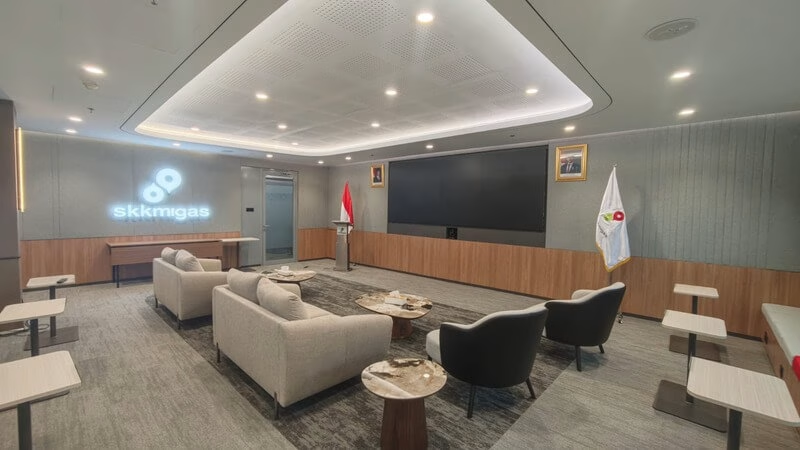
Jakarta, Indonesia (9 Desember 2025) — Dalam proses investasi hulu migas, angka dan data bukan satu-satunya hal yang menentukan. Cara sebuah institusi menyajikan informasi mulai dari kejernihan visual, stabilitas teknologi, hingga suasana ruang sering kali menjadi penentu apakah investor merasa yakin untuk melangkah lebih jauh.
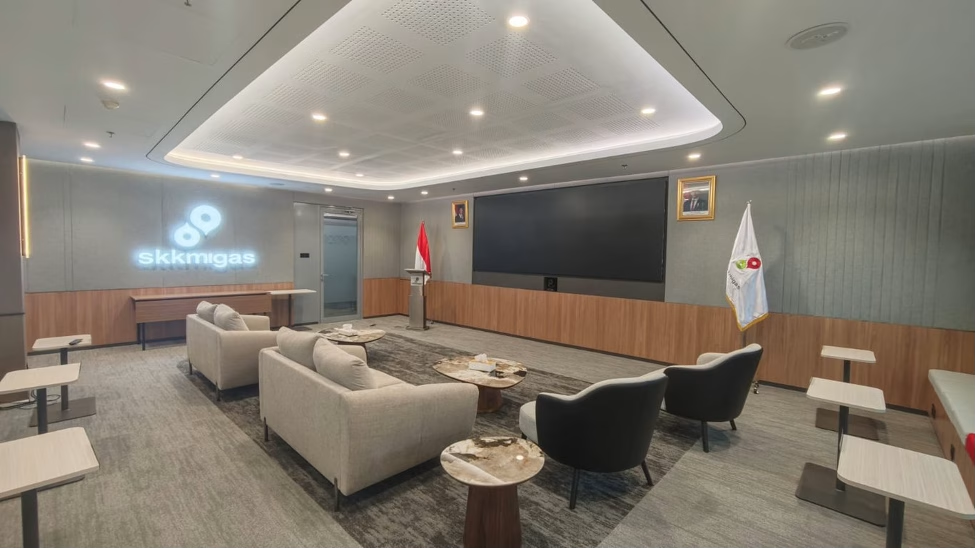
Melalui peningkatan sistem di Investor Room SKK Migas, MLV Teknologi berperan menghadirkan ruang rapat yang tidak hanya modern secara visual, tetapi juga dirancang untuk membangun kredibilitas, memperkuat transparansi, dan menciptakan pengalaman komunikasi yang profesional dan meyakinkan.
Investor Room SKK Migas merupakan ruang strategis tempat berbagai keputusan besar dimulai. Di sinilah potensi blok migas dipresentasikan, risiko dibahas secara terbuka, proyeksi produksi jangka panjang dianalisis, serta data eksplorasi dikaji secara mendalam. Oleh karena itu, ruang ini membutuhkan teknologi yang mampu menyajikan data dengan kejelasan, presisi, dan konteks seterang visi masa depan yang ingin dibangun bersama para investor.
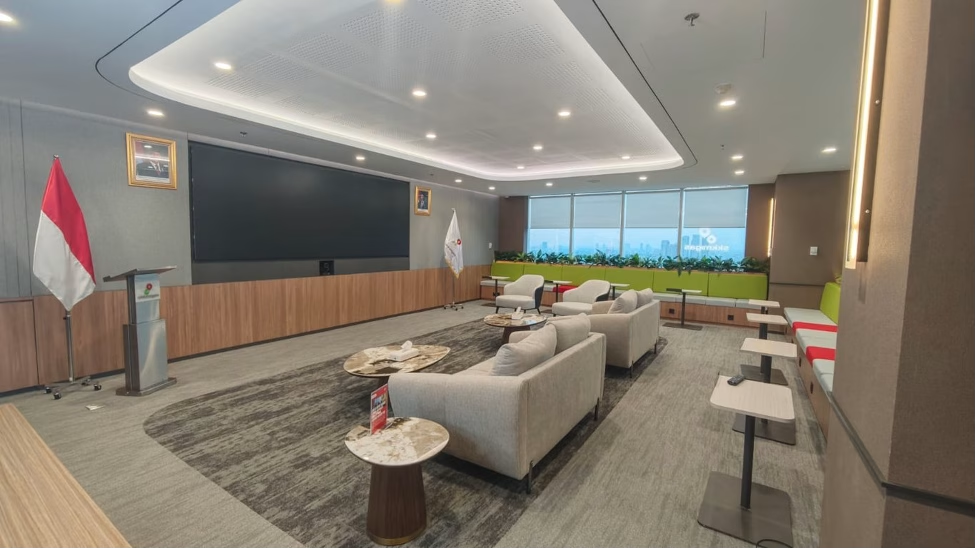
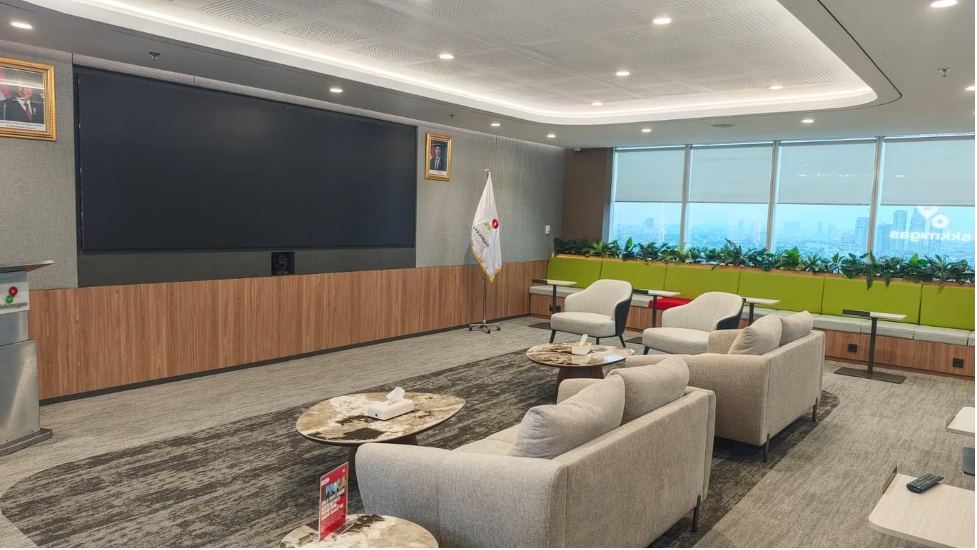
Ruang yang Menghadirkan Profesionalisme Sejak Momen Pertama Investor Room SKK Migas kini tampil lebih matang, lebih presisi, dan lebih representatif sebuah ruang yang merefleksikan keseriusan negara dalam menyambut investasi global. Tanpa terasa dominan, teknologi terintegrasi secara harmonis ke dalam desain ruang. Setiap elemen ditempatkan dengan pertimbangan matang, menciptakan suasana pertemuan yang tenang, fokus, dan profesional sejak investor pertama kali memasuki ruangan. Pendekatan ini memastikan perhatian peserta rapat sepenuhnya tertuju pada substansi diskusi dan data yang disampaikan.
Teknologi yang Terintegrasi Tanpa Terlihat, Namun Memberikan Dampak Nyata

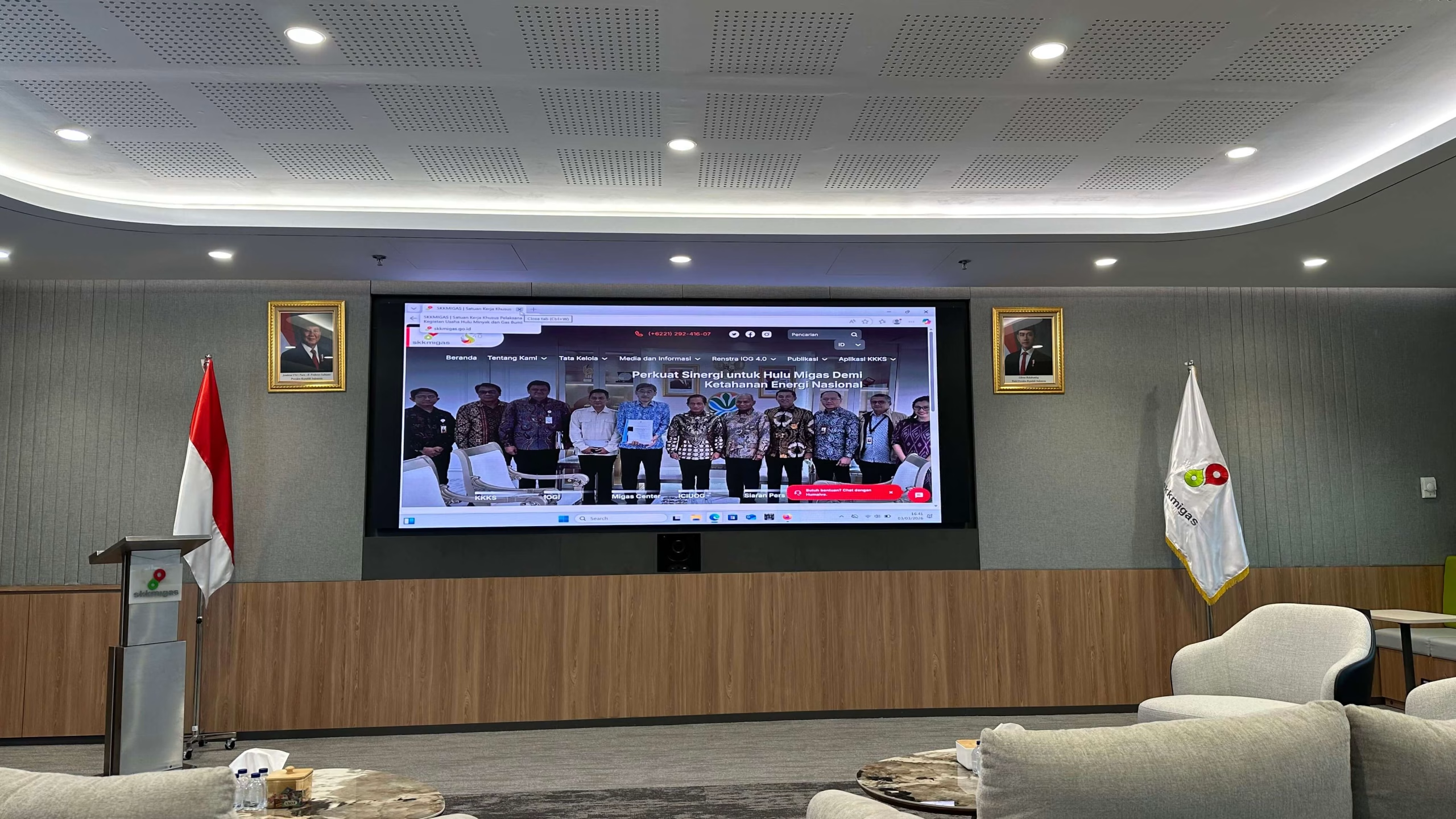
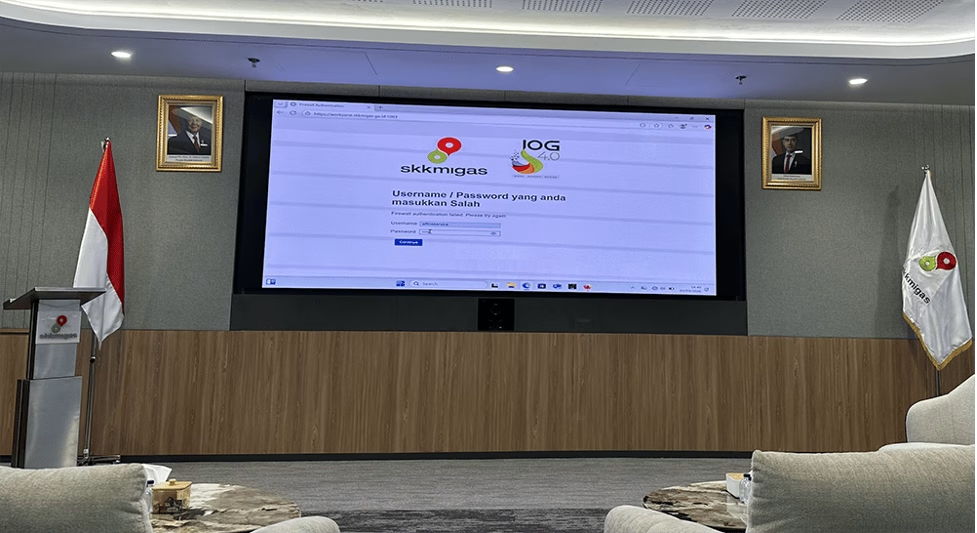
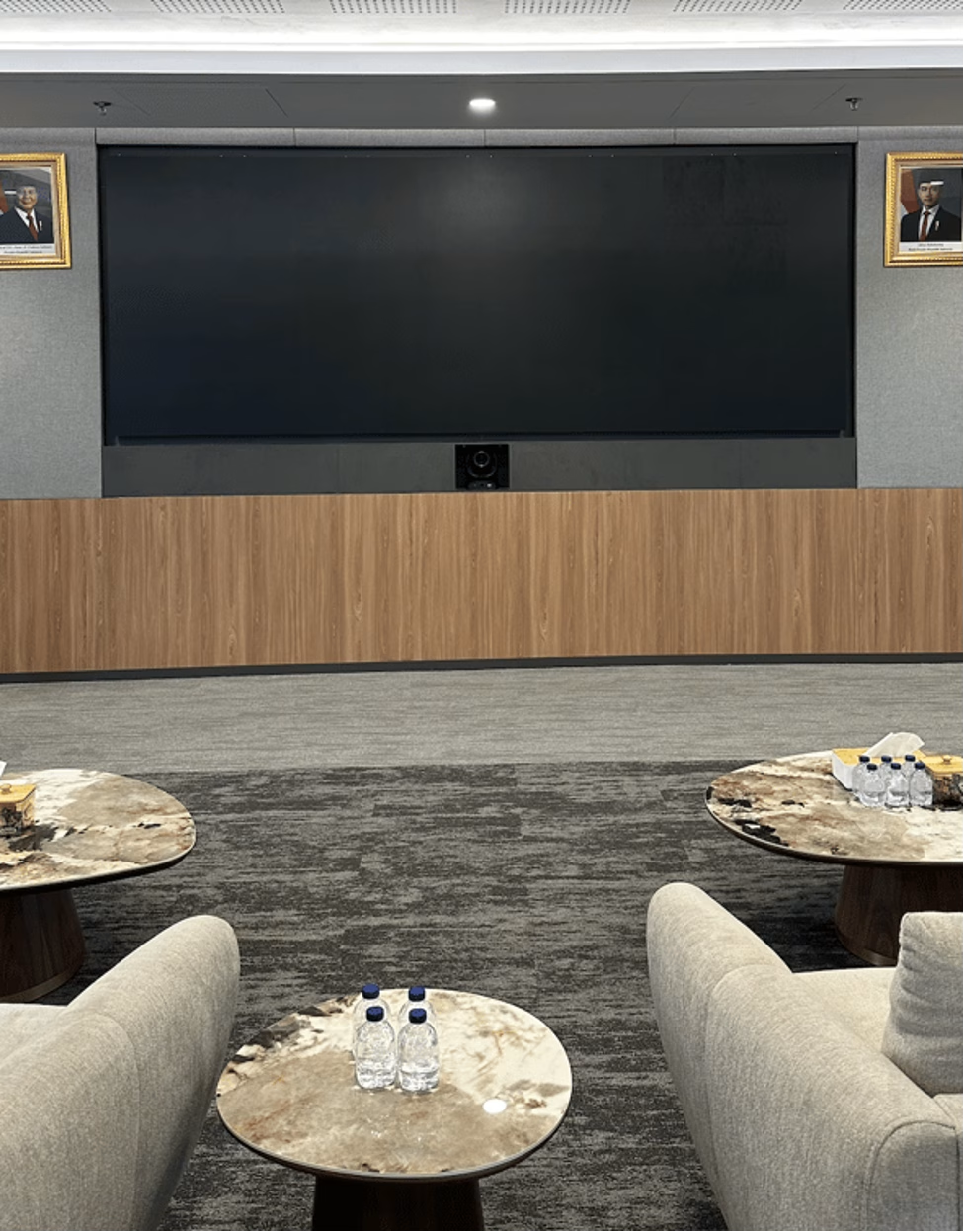
Untuk memastikan data tampil dengan akurasi tinggi, MLV menghadirkan sistem visual yang benar-benar mampu menjawab kebutuhan presentasi intensif. Di balik tampilan visual yang tajam itu, terpadu unit Ledman P0.9 LED Cabinet serta Ledman YS0.9 yang memberikan gambar ultra-detail—mulai dari kontur geologi hingga peta reservoir dengan skala presisi tinggi. Warna dioptimalkan melalui proses kalibrasi mendalam, sehingga setiap garis, setiap titik data, tampil dengan konsistensi yang dapat dipercaya. Ketika tim SKK Migas harus berpindah dari grafik statis ke video, lalu kembali ke peta digital secara cepat, proses pergantian tersebut berlangsung mulus berkat penggunaan Extron IN2004, sebuah prosesor sinyal yang memastikan switching tanpa jeda. Kehadirannya nyaris tak terlihat oleh peserta rapat, namun efeknya sangat terasa pada kelancaran presentasi.
Sementara itu, untuk investor yang hadir secara virtual dari luar negeri, pengalaman komunikasi menjadi lebih natural berkat kamera konferensi AVer CAM570. Dengan framing otomatis dan kejernihan optik yang tinggi, kamera ini membuat peserta online tetap merasa “hadir” dalam ruangan, meski berada di belahan dunia lain.
Pernyataan Melvin Halpito Managing Director, MLV Teknologi
“Dalam proses investasi, investor tidak hanya menilai angka mereka menilai bagaimana informasi tersebut disampaikan. Di Investor Room SKK Migas, teknologi audiovisual bukan sekadar penunjang, melainkan bagian integral dari bahasa komunikasi yang membangun kepercayaan.
Kami bangga dapat menghadirkan sistem yang stabil, visual yang presisi, dan pengalaman rapat yang dirancang untuk mendukung transparansi, kejelasan, dan profesionalisme SKK Migas.”
Ruang Rapat Strategis sebagai Fondasi Kepercayaan Investor.

Melalui integrasi perangkat profesional seperti Ledman, Extron, dan AVer, serta pendekatan holistik MLV Teknologi terhadap desain, teknologi, dan alur kerja ruang, Investor Room SKK Migas kini menjadi referensi baru dalam bagaimana data strategis seharusnya dikomunikasikan jelas, akurat, dan meyakinkan.
Ruang ini menunjukkan bahwa ketika teknologi, desain, dan tujuan bisnis dirancang untuk berjalan selaras, kepercayaan investor tidak hanya dibangun dari substansi yang dipresentasikan, tetapi juga dari kualitas pengalaman, kejelasan penyampaian, dan profesionalisme proses presentasi itu sendiri.
Tentang MLV Teknologi
MLV Teknologi adalah penyedia solusi Audio Visual (AV) dan Teknologi Informasi (IT) yang menghadirkan pendekatan terintegrasi untuk berbagai kebutuhan ruang dan lingkungan strategis. Fokus MLV mencakup integrasi ruang rapat modern, smart office, command center, ruang kolaborasi, digital signage, hingga sistem kontrol dan IoT yang dirancang untuk meningkatkan efektivitas komunikasi serta kualitas pengalaman pengguna.
Dengan rekam jejak yang kuat dalam menangani berbagai proyek strategis, MLV Teknologi telah menjadi mitra tepercaya bagi beragam institusi dalam mentransformasi ruang, meningkatkan cara berkolaborasi, dan mendukung cara kerja yang lebih adaptif di era digital.
Summarized
Investor Room SKK Migas kini menjadi ruang strategis yang dirancang untuk membangun kepercayaan investor melalui penyajian data yang jernih, stabil, dan profesional. MLV Teknologi dipercaya menghadirkan solusi AV & IT yang membuat teknologi “menghilang”, namun dampaknya terasa dalam setiap keputusan penting. Dengan visual ultra-detail Ledman, switching mulus Extron, hingga pengalaman konferensi alami dari AVer, ruang ini membantu menyampaikan potensi migas Indonesia dengan lebih meyakinkan. Seperti disampaikan Melvin Halpito, teknologi bukan hanya pelengkap melainkan bahasa kepercayaan yang memperkuat kredibilitas SKK Migas di mata investor.
by Melvin Halpito | Apr 26, 2026 | News Update
Jakarta, Indonesia (9 Desember 2025)— MLV Teknologi kembali menunjukkan kapabilitasnya sebagai integrator Audio Visual (AV) yang menghadirkan solusi modern, presisi, dan siap mendukung kebutuhan masa depan dan melalui peningkatan teknologi di Investor Room SKK Migas. Ruang yang menjadi titik krusial dalam komunikasi investasi ini kini tampil lebih modern, lebih presisi, dan jauh lebih interaktif.
Sebagai ruang strategis, Investor Room SKK Migas menjadi titik temu utama dalam penyampaian data eksplorasi, potensi blok migas, serta proyeksi investasi jangka panjang kepada investor nasional dan internasional. Di ruang ini, ketepatan visual dan keandalan sistem menjadi faktor krusial dalam membangun pemahaman, kepercayaan, serta keyakinan investor terhadap masa depan industri hulu migas Indonesia.
Menjawab tantangan tersebut, MLV Teknologi menghadirkan sistem AV berstandar profesional yang dirancang untuk mendukung presentasi berintensitas tinggi dan pengambilan keputusan strategis. Transformasi ini tidak berhenti pada aspek teknologi semata, melainkan mencakup pengalaman ruang secara holistik. Dalam pengembangannya, MLV Teknologi bekerja berdampingan dengan Canary Design sebagai mitra desain interior, memastikan integrasi yang harmonis antara teknologi canggih dan desain ruang yang elegan.
Hasilnya adalah Investor Room yang kini tampil lebih representatif, nyaman, dan inspiratif sebuah ruang dialog investasi yang mampu mendukung fokus, kolaborasi, dan diskusi mendalam dalam durasi yang intens.
Visual Ultra Presisi untuk Data Berbasis Riset
Pusat dari peningkatan ini terletak pada penerapan Ledman LED Screen P0.9 COB. Dengan resolusi ultra tinggi dan kerapatan piksel yang sangat rapat, layar ini menghadirkan visual yang tajam dan detail ideal untuk menampilkan grafik geologi, simulasi produksi, hingga peta reservoir yang menuntut akurasi berbasis riset.
Melalui proses kalibrasi mendalam, MLV Teknologi memastikan konsistensi warna, tingkat kecerahan yang stabil, serta reproduksi visual yang presisi di setiap sesi presentasi. Dengan kualitas tampilan yang lebih akurat dan informatif, tim SKK Migas dapat menyampaikan data teknis secara lebih meyakinkan, sementara investor memperoleh pemahaman yang lebih cepat dan komprehensif.
Konektivitas Hybrid yang Andal dan Seamless
Untuk mendukung alur presentasi yang dinamis dan sering kali membutuhkan perpindahan sumber data secara cepat, Investor Room dilengkapi dengan Extron IN2004 sebagai prosesor sinyal andal. Perangkat ini memungkinkan proses switching yang mulus tanpa jeda, menjaga ritme presentasi tetap profesional dan bebas distraksi.
Di sisi komunikasi jarak jauh, AVer CAM570 Conference Camera memperkuat pengalaman kolaborasi hybrid. Dilengkapi teknologi auto framing, sudut pandang luas, serta dual lens berkualitas tinggi, kamera ini menghadirkan visual konferensi yang jernih dan natural. Investor internasional pun dapat merasakan pengalaman komunikasi yang lebih personal dan immersive, meskipun tidak hadir secara fisik di ruangan.
Desain Interior yang Mendukung Fokus dan Dialog Strategis
Canary Design berperan penting dalam menciptakan atmosfer ruang yang mendukung dinamika diskusi investasi. Mulai dari tata letak, pencahayaan, hingga pengolahan akustik, setiap elemen dirancang untuk menjaga kenyamanan, meningkatkan fokus, dan mendukung produktivitas sepanjang sesi presentasi.
Teknologi yang diintegrasikan oleh MLV Teknologi dipadukan secara seamless ke dalam desain interior, menghasilkan tampilan ruang yang bersih, futuristik, dan professional mewakili standar ruang presentasi modern kelas institusi nasional.
“Menampilkan Kesiapan Indonesia untuk Dialog Investasi Global”
Melvin Halpito, Managing Director MLV Teknologi, menegaskan pentingnya ruang ini:
“Investor Room SKK Migas bukan hanya ruang meeting biasa, ini adalah ruang yang merepresentasikan kesiapan Indonesia di mata investor global. Karena itu, teknologi audiovisual dan desain interiornya harus bekerja saling melengkapi. Kami bangga dapat menghadirkan sistem yang lebih stabil, visual yang lebih tajam, dan pengalaman presentasi yang lebih profesional bagi SKK Migas.”
Benchmark Baru Ruang Presentasi Investasi di Indonesia

Dengan peningkatan ini, Investor Room SKK Migas menetapkan standar baru bagi ruang presentasi investasi di Indonesia ruang yang tidak hanya unggul secara teknologi, tetapi juga dirancang untuk membangun kepercayaan, memperkuat komunikasi strategis, dan menghadirkan pengalaman dialog investasi yang lebih efektif, profesional, dan modern.
Tentang MLV Teknologi
MLV Teknologi adalah penyedia solusi Audio Visual (AV) dan Teknologi Informasi (IT) yang berpengalaman dalam menghadirkan sistem terintegrasi untuk berbagai lingkungan strategis. MLV berfokus pada integrasi ruang rapat modern, smart office, command center, ruang kolaborasi, digital signage, hingga sistem kontrol dan IoT yang dirancang untuk meningkatkan efektivitas komunikasi serta pengalaman pengguna.
Dengan rekam jejak yang solid dalam menangani berbagai proyek strategis, MLV Teknologi telah menjadi mitra tepercaya bagi beragam institusi dalam mentransformasi ruang dan cara mereka berkolaborasi di era digital.
Summarized
MLV Teknologi meningkatkan Investor Room SKK Migas menjadi ruang presentasi investasi yang lebih canggih, modern, dan menarik bagi investor global. Ruang ini kini dilengkapi visual ultra presisi Ledman LED Screen P0,9 COB, prosesor sinyal Extron IN2004 yang stabil, serta AVer CAM570 untuk konferensi hybrid berkualitas tinggi. Berkolaborasi dengan Canary Design sebagai desainer interior, MLV menghadirkan ruang yang elegan, nyaman, dan didesain untuk dialog investasi yang intens. Managing Director Melvin Halpito menegaskan komitmen MLV menghadirkan teknologi yang meningkatkan kepercayaan investor dan memperkuat posisi SKK Migas.
by Melvin Halpito | Apr 25, 2026 | News Update
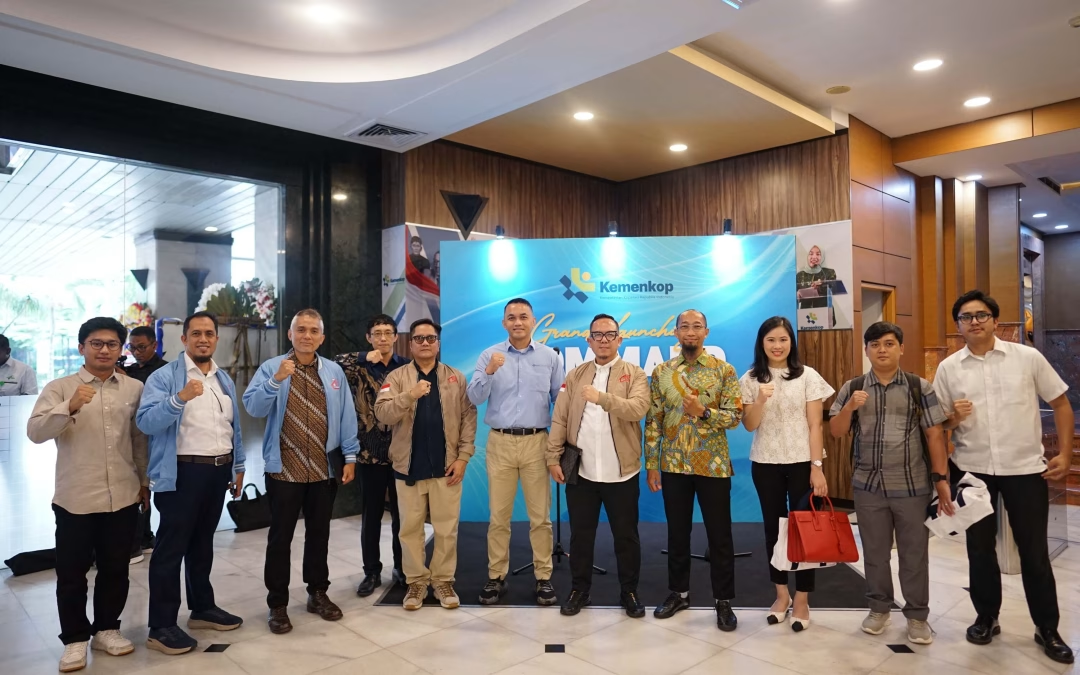
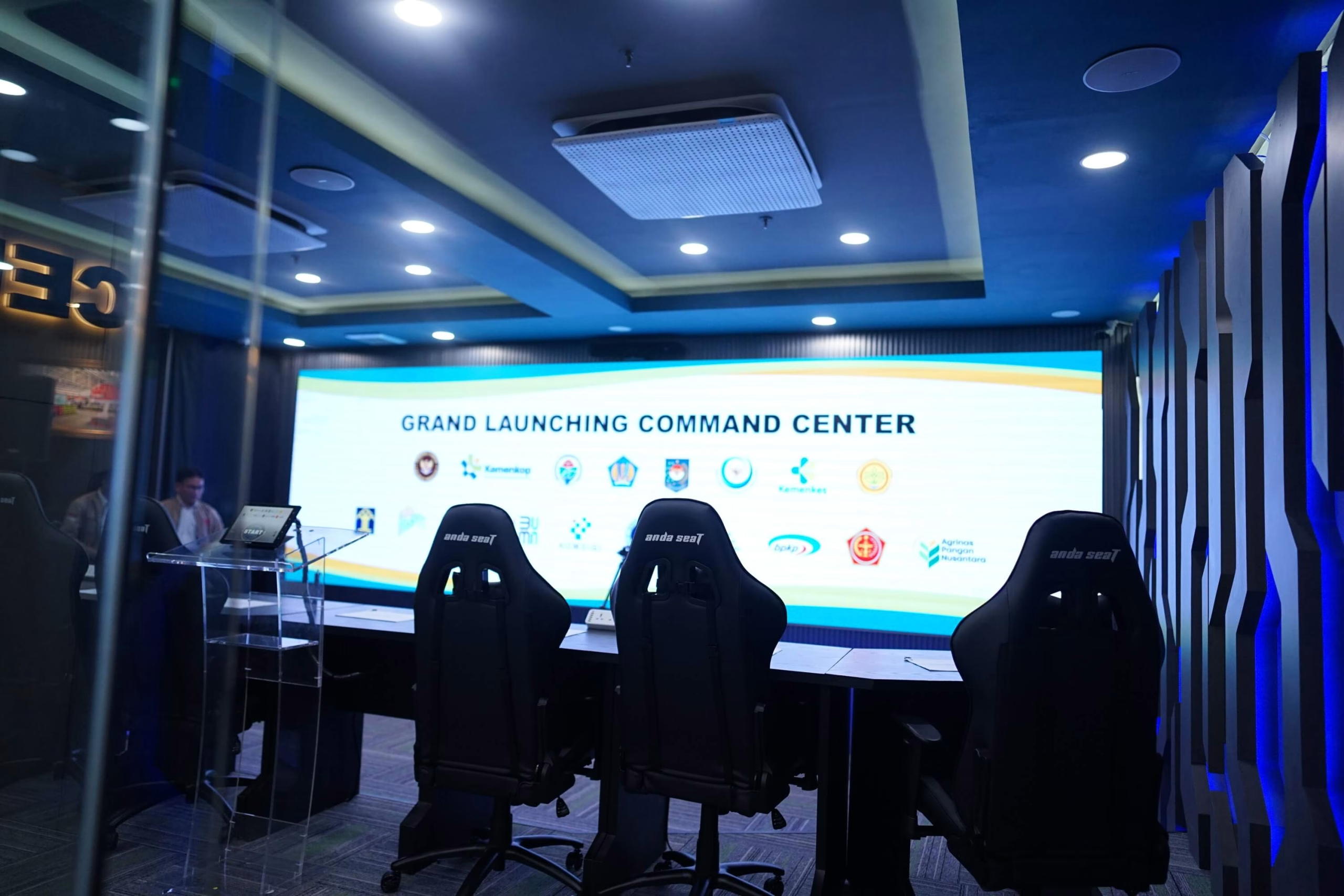
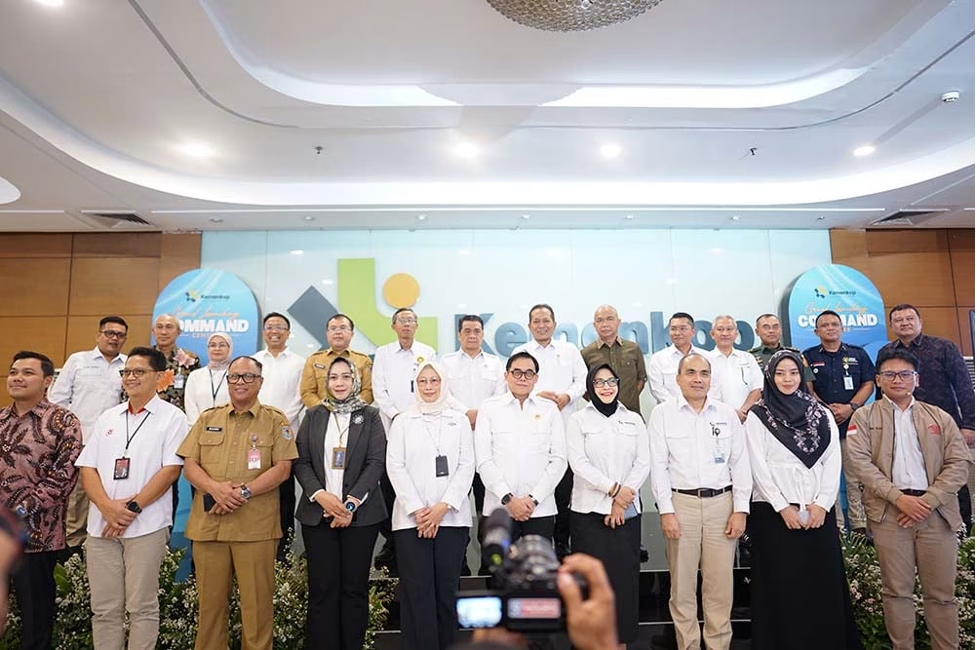
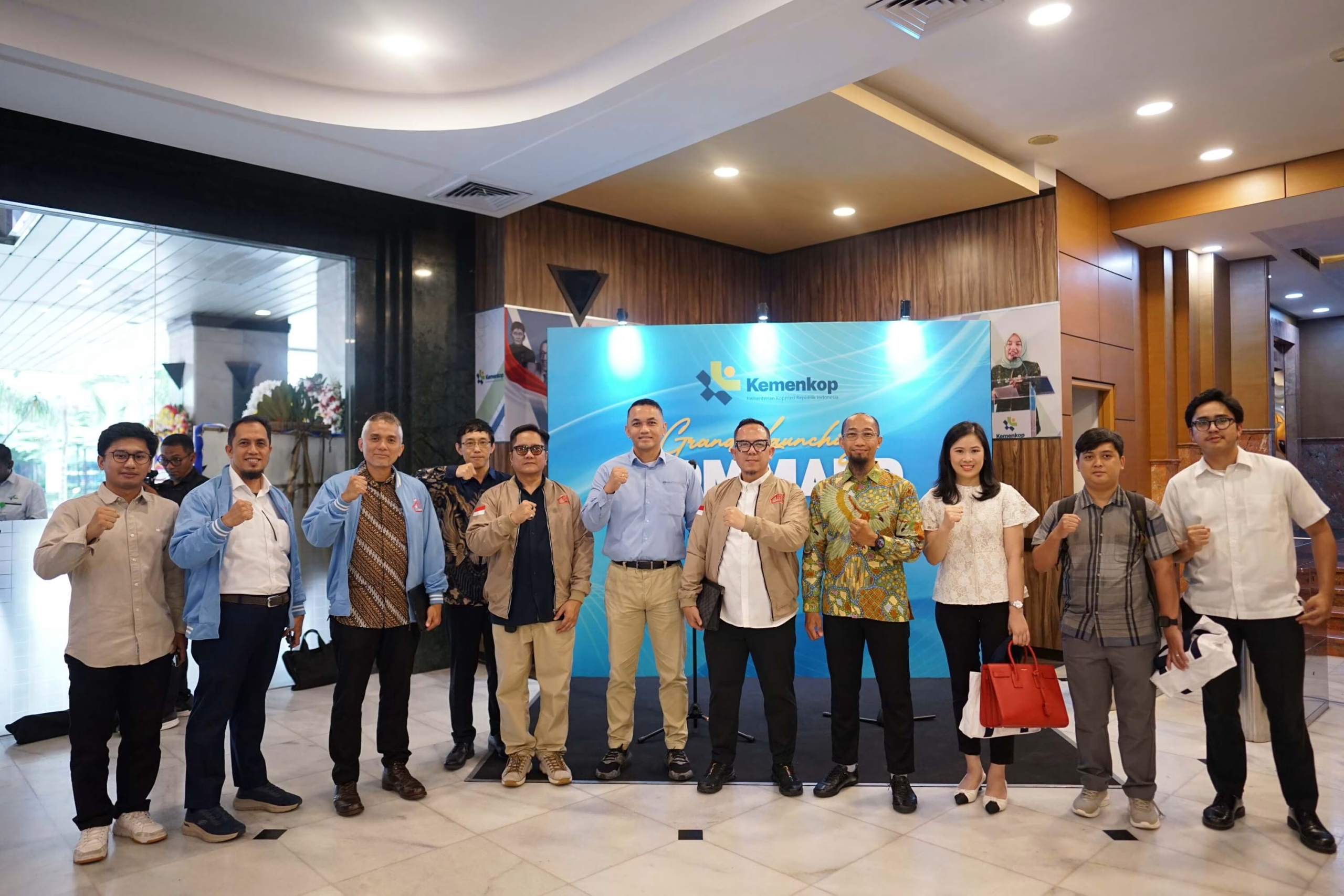
Jakarta, Indonesia (17 Maret 2026) — Setiap keputusan besar lahir dari informasi yang jelas. Dan di tengah upaya mempercepat transformasi digital koperasi di seluruh Indonesia, Kementerian Koperasi dan UKM Republik Indonesia menggandeng MLV Teknologi untuk menghadirkan sebuah Command Center Audio Visual (AV) yang modern, highly responsif, dan siap menangani dinamika data nasional.
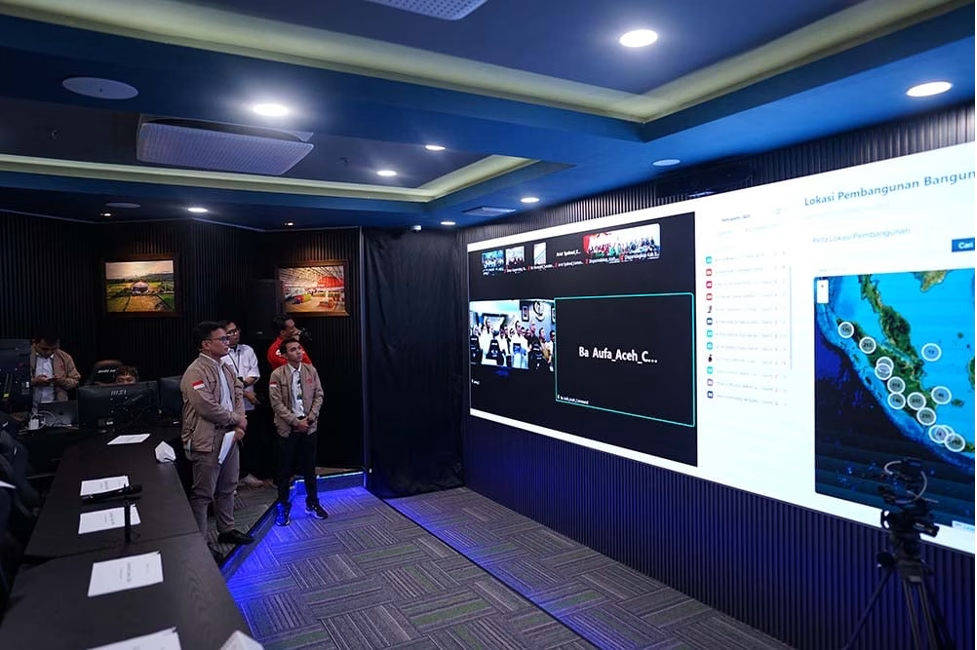
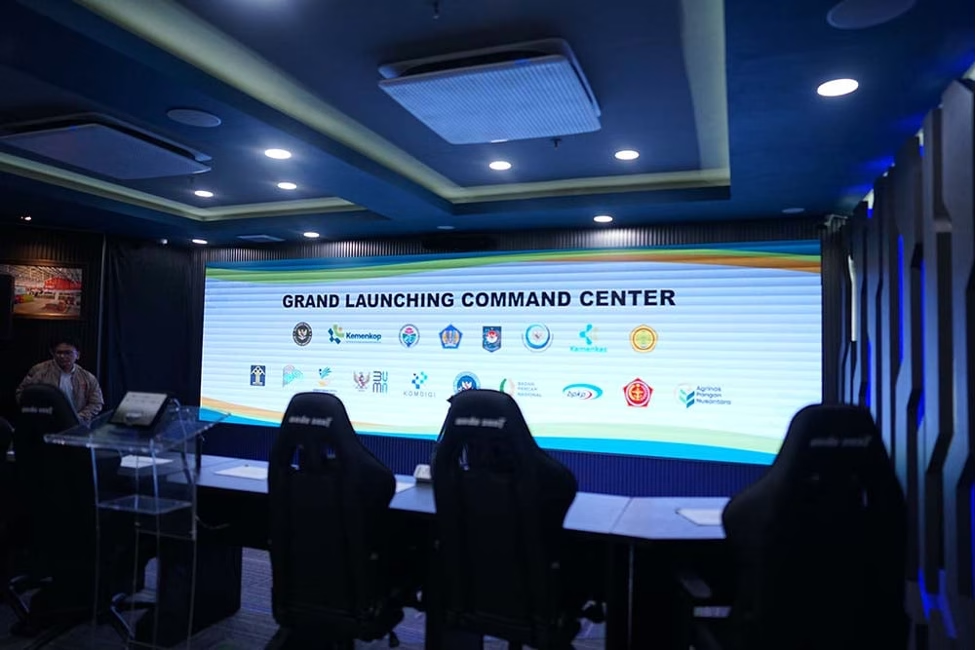
Command Center ini dibangun bukan sekadar untuk memantau angka dan grafik tetapi untuk menghadirkan kejelasan di tengah ribuan data yang datang setiap hari. Di ruang ini, Kemenkop UKM dapat melihat kondisi koperasi secara real-time: mulai dari aktivitas operasional, distribusi anggota, perkembangan kelembagaan, hingga potensi risiko yang perlu ditangani cepat dan akurat. Command Center terbaru ini menjadi simbol cara kerja baru: lebih terencana, lebih terhubung, dan lebih dekat dengan kebutuhan masyarakat.
Ruang Kendali yang Dibangun Agar Bisa Diandalkan

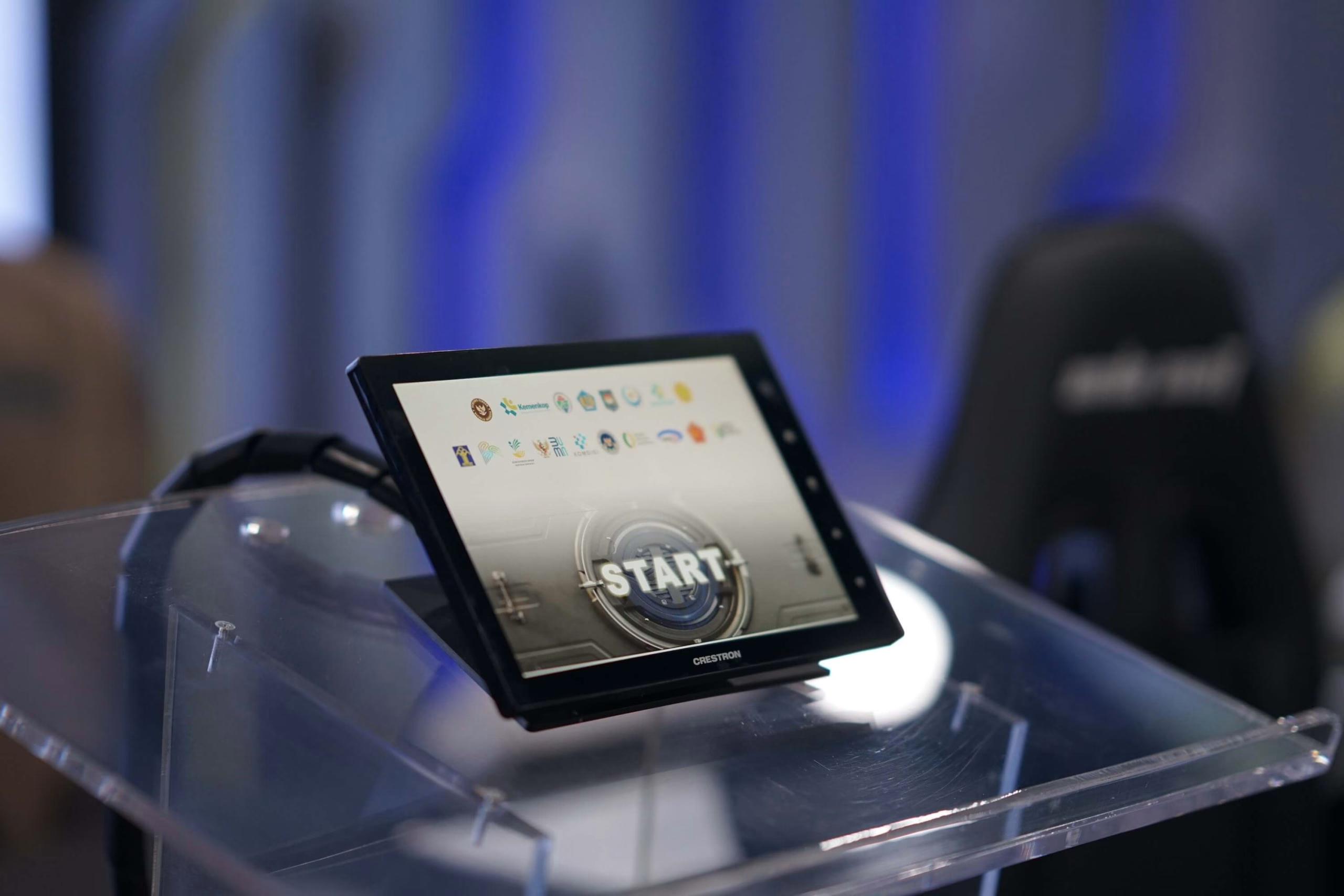
Untuk menciptakan ruang yang bukan hanya canggih dari luar, tetapi juga stabil dari dalam, MLV Teknologi menghadirkan solusi integrasi AV dan IT secara end-to-end. Seluruh komponen dirancang bekerja sebagai satu ekosistem yang harmonis mudah dioperasikan, mudah dipelajari, namun kuat dalam performa. Pada inti sistem kendali, Command Center ini menggunakan Crestron RMC4, otak yang memastikan semua perangkat berbicara dalam bahasa yang sama. Setiap layar, setiap alur kerja, dan setiap fitur dikendalikan melalui antarmuka sentuh Crestron TS‑770, panel yang dibuat agar operator bisa mengakses seluruh fungsi cukup dengan beberapa sentuhan.
Untuk kebutuhan rapat dan komunikasi lintas wilayah, ruang ini dilengkapi Aver VB350 Video Bar, menghadirkan kualitas video dan audio yang tajam dan professional sebuah kebutuhan penting, mengingat koordinasi nasional kini terjadi hampir setiap jam.
Pada sisi audio, sistem mengandalkan Extron DMP128 Plus CAT sebagai digital sound processor, memastikan setiap suara baik dari rapat, pemantauan, maupun diskusi internal dibersihkan, diseimbangkan, dan disalurkan secara merata melalui Extron FF220T Flat Field Speaker. Tidak ada lagi area “mati”; seluruh ruangan mendapatkan suara yang konsisten dan nyaman didengar.

Hasil akhirnya: sebuah Command Center yang bukan hanya terlihat modern, tetapi juga memberikan rasa percaya bagi setiap orang yang masuk ke dalamnya.
Kutipan Eksekutif — Melvin Halpito, Managing Director MLV Teknologi
“Teknologi yang baik selalu punya satu tujuan: membantu manusia membuat keputusan dengan lebih jelas,” ujar Melvin Halpito, Managing Director MLV Teknologi.
“Ruang ini bukan hanya soal perangkat canggih. Ini tentang menghadirkan keyakinan bahwa data yang muncul dapat dipercaya, bahwa operator bisa bekerja dengan tenang, dan bahwa kementerian bisa merespons kebutuhan masyarakat dengan cepat dan akurat.”
Ia menambahkan,
“Di balik setiap perangkat, ada filosofi sederhana: teknologi harus memanusiakan pekerjaan. Kami bangga menjadi bagian dari perjalanan besar Kemenkop UKM untuk membangun ekosistem koperasi yang lebih kuat, lebih transparan, dan lebih siap menghadapi tantangan masa depan.”
Tentang MLV Teknologi
MLV Teknologi merupakan integrator solusi Audio Visual dan Information Technology yang dikenal karena kapabilitasnya dalam menghadirkan enterprise‑grade, mission‑critical technology environments, dengan fokus pada integrasi sistem ruang meeting, smart office, digital signage, control system, dan infrastruktur AV profesional. MLV Teknologi berkomitmen untuk menghadirkan solusi yang inovatif, andal, serta memberikan pengalaman kolaborasi terbaik bagi klien di berbagai sektor industri.
Summarized
Kementerian Koperasi dan UKM mempercayakan MLV Teknologi untuk membangun Command Center AV bertaraf nasional ruang yang membuat data tidak hanya terlihat, tetapi benar‑benar bermakna.
Dengan integrasi sistem yang rapi dan mudah digunakan, Command Center ini membantu kementerian memantau ribuan koperasi secara real‑time, mengambil keputusan lebih cepat, dan bekerja lebih percaya diri. Teknologi seperti Crestron, Aver, dan Extron dirangkai untuk menghadirkan pengalaman visual dan audio yang jernih, stabil, dan intuitif.
by Melvin Halpito | Apr 25, 2026 | News Update
Jakarta, Indonesia (9 December 2025) — Setiap data menyimpan cerita. Dan di tengah upaya memperkuat ekosistem koperasi nasional, Kementerian Koperasi dan UKM Republik Indonesia menghadirkan sebuah ruang yang mampu membuat cerita-cerita itu terlihat lebih jelas Command Center Kemenkop UKM. Ruang ini menjadi pusat kendali yang memungkinkan kementerian memantau koperasi di seluruh Indonesia secara real time dari data operasional, perkembangan lembaga, hingga potensi permasalahan yang perlu ditangani lebih cepat dan lebih tepat.
Command Center ini bukan hanya sebuah ruang penuh layar dan grafik command center ini merupakan simbol dari cara kerja baru: lebih terbuka, lebih terhubung, dan terlihat lebih professional. Dengan menghadirkan data dalam bentuk yang lebih intuitif, Kemenkop UKM kini dapat melihat kondisi koperasi secara menyeluruh, membuat pola monitoring yang dulu manual dan tersebar menjadi lebih terintegrasi dan berbasis data aktual. Transformasi ini memberi kementerian kemampuan untuk mengambil keputusan yang lebih percaya diri, responsif, dan berbasis bukti.
Membangun Ruang yang Bisa Dipercaya
Dalam mewujudkan ruang kendali yang dapat diandalkan stabil, intuitif, dan mudah digunakan setiap hari, Kemenkop UKM menggandeng MLV Teknologi , perusahaan solusi Audio Visual dan Teknologi Informasi terdepan di Indonesia. MLV Teknologi menghadirkan integrasi sistem secara end-to end, memastikan seluruh perangkat bekerja dalam satu ekosistem yang harmonis.
Pada sisi sistem kontrol, Command Center ini menggunakan Crestron RMC4 , yang berfungsi sebagai pusat komando bagi seluruh perangkat dalam ruangan. Sistem pengendali ini memastikan setiap alur kerja berjalan mulus, terhubung, dan mudah dikelola. Semua fungsi ini dioperasikan melalui Touchscreen Crestron TS‑770, antarmuka sentuh yang responsif, sederhana, dan dirancang agar operator dapat mengakses seluruh fitur hanya dengan beberapa sentuhan.
Untuk kebutuhan komunikasi visual dan koordinasi lintas wilayah, Command Center dilengkapi Aver VB350 Video Bar, perangkat konferensi yang menghadirkan kualitas video dan audio tingkat tinggi. Dengan kamera presisi dan mikrofon yang sensitif, perangkat ini memastikan setiap rapat daring berjalan lancar, jelas, dan profesional sebuah kebutuhan penting mengingat ruang ini menjadi titik pusat komunikasi antarwilayah.
Melengkapi kebutuhan audio dalam ruangan, Extron DMP128 Plus CAT berfungsi sebagai digital sound processor yang mengolah audio secara presisi. DSP ini memastikan setiap suara yang masuk dan keluar terdengar jernih dan seimbang, baik ketika digunakan untuk rapat, monitoring aktivitas koperasi, maupun diskusi teknis internal. Suara tersebut kemudian disebarkan secara merata melalui Extron FF220T Flat Field Speaker , speaker yang dirancang untuk memberikan distribusi suara penuh ke seluruh area ruangan tanpa area mati. Kombinasi ini memberi pengalaman audio yang stabil dan profesional bagi seluruh operator maupun tamu yang hadir.
Keseluruhan sistem ini bekerja dalam sinkronisasi yang rapi, menghadirkan Command Center yang tidak hanya modern secara tampilan, tetapi juga solid dalam performa—ruang di mana setiap layar menghadirkan informasi, setiap suara menghadirkan kejelasan, dan setiap data menghadirkan kepastian bagi pengambil keputusan.
Kutipan Eksekutif — Melvin Halpito, Managing Director MLV Teknologi
“Bagi kami, teknologi selalu tentang bagaimana ia membantu manusia membuat keputusan yang lebih baik,” ujar Melvin Halpito, Managing Director MLV Teknologi.
“Di Command Center ini, setiap grafik, peta, dan informasi harus muncul tepat waktu, jelas, dan bisa dipercaya. Itulah mengapa kami merancang sistem ini dengan fokus pada keandalan dan kemudahan. Kami ingin membuat Kemenkop UKM merasa nyaman dan yakin setiap kali ruang ini digunakan karena ruang kendali adalah tentang rasa percaya.”
Melvin menambahkan,
“Di balik perangkat-perangkat canggih yang terpasang, ada filosofi sederhana: teknologi harus membuat pekerjaan lebih manusiawi. Dan kami bangga menjadi bagian dari perjalanan digitalisasi kementerian ini.”
Tentang MLV Teknologi
MLV Teknologi merupakan integrator solusi Audio Visual dan Information Technology yang dikenal karena kapabilitasnya dalam menghadirkan enterprise‑grade, mission‑critical technology environments, dengan fokus pada integrasi sistem ruang meeting, smart office, digital signage, control system, dan infrastruktur AV profesional. MLV Teknologi berkomitmen untuk menghadirkan solusi yang inovatif, andal, serta memberikan pengalaman kolaborasi terbaik bagi klien di berbagai sektor industri.
Summarized
Command Center Kemenkop UKM hadir sebagai ruang baru yang menghubungkan ribuan koperasi di seluruh Indonesia secara real-time—membuat data yang tersebar menjadi lebih hidup, mudah dipahami, dan siap ditindaklanjuti. Dengan pendekatan yang lebih manusiawi dan terintegrasi, ruang ini membantu kementerian mengambil keputusan lebih cepat dan lebih yakin dalam mendukung ekosistem koperasi nasional. MLV Teknologi menjadi mitra di balik transformasi ini, menghadirkan solusi AV dan IT terbaru mulai dari visual beresolusi tinggi hingga sistem kontrol terpadu. Teknologi ini memastikan setiap informasi tersaji jelas, akurat, dan memperkuat kepercayaan dalam setiap langkah pengambilan keputusan.
by Melvin Halpito | Apr 24, 2026 | News Update
SKK Migas membangun Investor Room sebagai ruang baru untuk menghadirkan cerita energi Indonesia dengan lebih transparan dan meyakinkan. Ruang ini lahir dari kebutuhan menampilkan data eksplorasi dan peluang investasi secara modern dan mudah dipahami. Untuk mewujudkannya, SKK Migas mempercayakan MLV Teknologi sebagai mitra yang menghadirkan visual tajam, sistem hybrid andal, dan teknologi AV terintegrasi agar setiap pertemuan dengan investor berlangsung mulus dan impresif. Menurut Melvin Halpito, teknologi yang tepat membantu menumbuhkan kepercayaan—itulah yang ingin dihadirkan MLV Teknologi bagi SKK Migas.
SKK Migas Hadirkan Investor Room untuk Perkuat Transparansi Investasi, MLV Teknologi sebagai Mitra Teknologi
Jakarta (Desember 2025), Setiap keputusan besar selalu lahir dari ruang yang tepat. Itulah gagasan yang mendorong SKK Migas menghadirkan Investor Room, sebuah ruang yang dibangun bukan hanya untuk rapat, tetapi sebagai tempat bercerita—tentang potensi energi Indonesia, tentang peluang masa depan, dan tentang bagaimana negara ini ingin membuka diri dengan cara yang lebih transparan, modern, dan meyakinkan.
Investor Room hadir sebagai bagian dari strategi SKK Migas untuk memperkuat daya tarik investasi di sektor hulu migas. Pemerintah melalui SKK Migas menilai bahwa ruang presentasi yang lebih modern, terintegrasi, dan berbasis teknologi adalah kebutuhan mendesak dalam komunikasi dengan investor global. Peluncuran Investor Room pun menjadi salah satu langkah penting dalam mendukung peningkatan lifting migas nasional dan target swasembada energi.

Dari Kebutuhan Menjadi Ruang Nyata
Investor Room diciptakan untuk menjawab tantangan sederhana tetapi penting.
Bagaimana menyampaikan data migas yang kompleks dengan cara yang lebih mudah dipahami dan lebih menarik bagi pengambil keputusan?
SKK Migas ingin menghadirkan ruang di mana grafik geologi, peta eksplorasi, dan proyeksi prospek investasi tidak lagi hanya tampil sebagai angka dan garis tetapi menjadi cerita visual yang hidup, informatif, dan meyakinkan. Karena itulah mereka membutuhkan teknologi yang tidak hanya canggih, tapi juga manusiawi mudah digunakan, stabil, dan intuitif.
Untuk memastikan ruang ini dapat memenuhi harapan tersebut, SKK Migas pun menggandeng MLV Teknologi

MLV Teknologi Dipercaya Mentransformasi Ruang Strategis Ini
MLV Teknologi dipercaya SKK Migas untuk menangani instalasi dan integrasi sistem audio visual (AV) yang menjadi tulang punggung interaktivitas Investor Room. Solusi yang dihadirkan termasuk visual ultra tajam, sistem komunikasi hybrid yang andal, serta signal processor yang memastikan setiap pertemuan berjalan mulus tanpa hambatan teknis.
MLV Teknologi — perusahaan yang sejak 2013 dikenal sebagai penyedia solusi AV & IT terintegrasi, unified communications, IoT experience devices, dan audiovisual engineering — menjadi pilihan karena pengalaman panjangnya membantu perusahaan dan instansi pemerintah membangun ruang rapat strategis dan ruang kolaborasi modern mlvteknologi.com.
Bagi SKK Migas, memilih MLV Teknologi bukan hanya soal teknologi, tetapi soal kepercayaan. Ruang ini adalah representasi profesionalisme Indonesia di mata investor global dan teknologi yang menghidupkannya harus berada di tangan yang tepat.
Kutipan Eksekutif — Melvin Halpito, Managing Director MLV Teknologi
“Kami sangat bangga dipercaya SKK Migas untuk menjadi bagian dari ruang strategis ini,” ujar Melvin Halpito, Managing Director MLV Teknologi.
“Saat investor datang, mereka tidak hanya melihat data. Mereka ingin merasakan keseriusan sebuah lembaga dalam mengelola informasi. Tugas kami adalah memastikan setiap tampilan, setiap transisi, dan setiap percakapan di dalam ruangan ini terjadi dengan mulus dan membuat investor merasa yakin.”
Melvin menambahkan:
“Teknologi pada akhirnya bukan soal perangkat apa yang dipasang, tetapi bagaimana teknologi itu membuat orang merasa lebih percaya. Itulah filosofi kami saat membangun Investor Room ini bersama SKK Migas.”

Recent Comments