
by MLV Teknologi | Jun 8, 2026 | Article
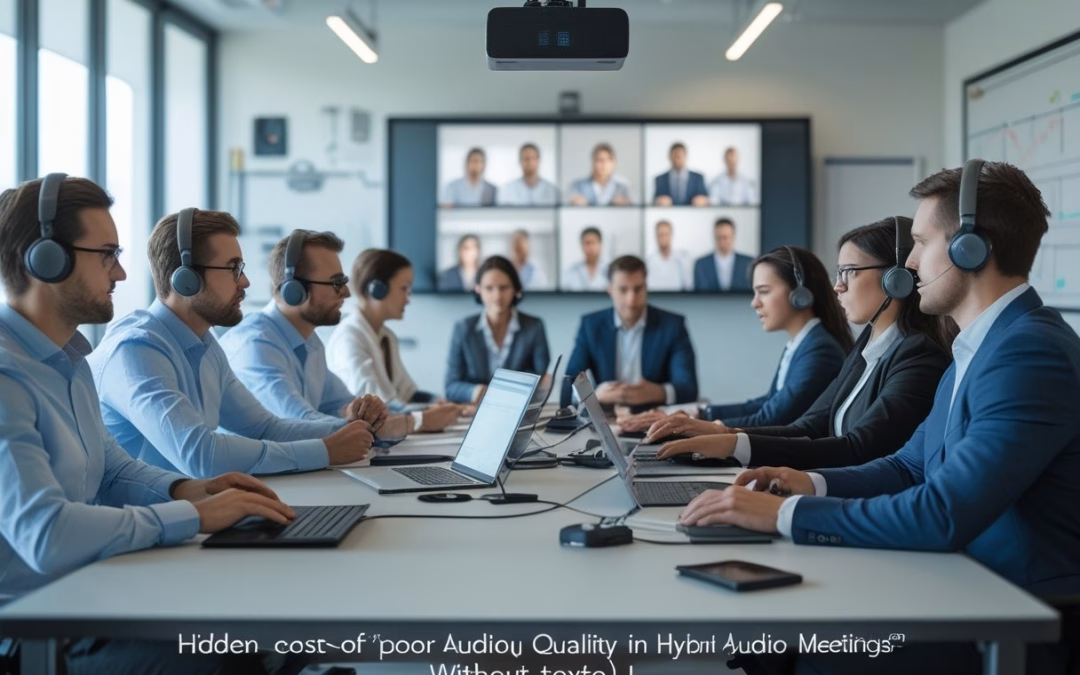
You can treat poor audio as a small annoyance, or you can treat it as a hidden tax on every hybrid meeting. When voices are muffled, delayed, or uneven, your team spends more energy decoding speech and less energy making decisions, solving problems, and moving work forward. Clear audio is not a comfort feature, it is a performance requirement that affects productivity, inclusion, and the speed of execution.
The cost is not limited to one awkward call. It shows up in repeated questions, longer meetings, missed context, and a quiet bias toward the people who are easiest to hear. For workplace leaders in Indonesia and similar hybrid-first markets, the real question is not whether audio matters, it is how much drag you are already absorbing because you have not treated it as a business issue.
Why Audio Quality Shapes Meeting Outcomes

Strong audio reduces mental effort, speeds up conversation, and makes it easier to reach a decision while everyone still has the same information. Weak audio does the opposite, and the damage is subtle enough that teams often blame the meeting, not the sound.
Comprehension
When speech is distorted, clipped, or buried under room noise, people miss words and fill gaps with guesswork. That leads to clarification loops, slower responses, and more follow-up messages after the meeting.
Attention, And Decision Velocity
Poor sound also breaks concentration. People stop listening closely, multitask more, and check out earlier, which stretches a 30-minute agenda into 45 minutes of partial attention.
How Uneven Audio Changes Power Dynamics
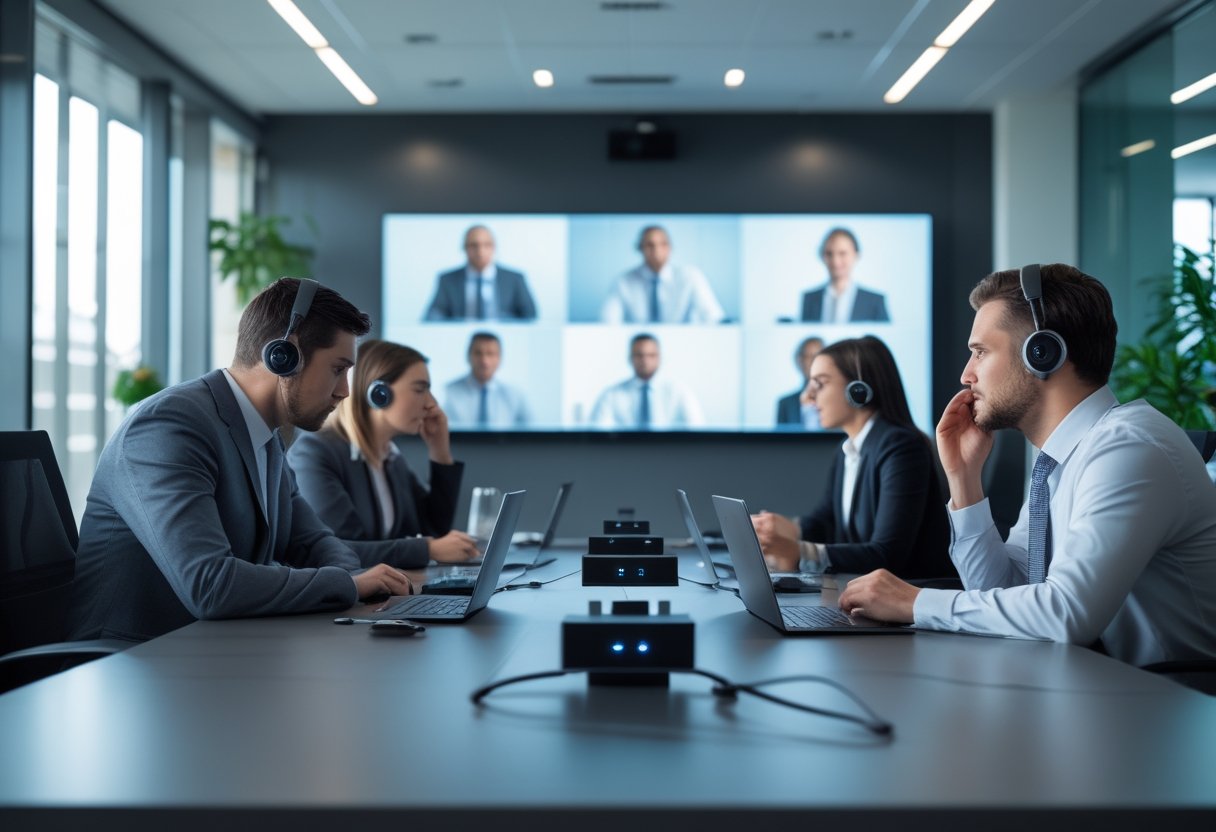
If one person is crisp and another is faint, the room naturally favors the louder voice and the easiest-to-hear participants. Remote attendees can become passive observers even when they have the best data, which lowers participation equity and weakens decision quality.
The Business Costs Leaders Often Miss
The visible cost is meeting frustration. The hidden cost is operational drag, which spreads across schedules, rework, and morale long after the call ends.
Productivity Loss And Meeting Overrun
If every person loses a few minutes to repetition, the loss compounds fast across teams and weeks. Meetings run long because key points must be restated, and the next meeting starts behind schedule.
Rework, Errors, And Slower Execution
When people miss a nuance in pricing, scope, ownership, or timing, they make decisions on incomplete input. That creates extra review cycles, avoidable mistakes, and slower handoffs between functions.
Employee Friction And Inclusion Risk
Remote employees notice when they must strain to hear or ask for repeats while in-room participants move on. Over time, that creates frustration, reduces engagement, and weakens trust in the meeting process.
Where Hybrid Meeting Audio Breaks Down
Most audio failures come from a few predictable causes, not from one bad device. Room shape, surface materials, microphone coverage, and casual setup habits all shape how usable the meeting sounds.
Room Acoustics And Background Noise
Hard walls, glass, and open ceilings reflect speech and create echo. Add HVAC hum, hallway traffic, or nearby conversations, and the room becomes harder to understand even before anyone speaks.
Microphone Coverage And Speaker Pickup
Many rooms place microphones too far from the speaker or rely on a single device to cover too much space. That leaves some voices strong and others weak, especially when people sit at the edges of the table.
Laptop-First Setups In Shared Spaces
A laptop microphone can work in a quiet room for one person, not for a team meeting with mixed in-room and remote attendance. In shared spaces, this setup amplifies background noise and creates uneven pickup for anyone not sitting close to the device.
How To Diagnose Audio Problems Systematically
You do not need a long technical audit to spot a recurring audio problem. You need to look at patterns in meeting behavior and connect them to measurable room performance.
Signals Hidden In Meeting Behavior
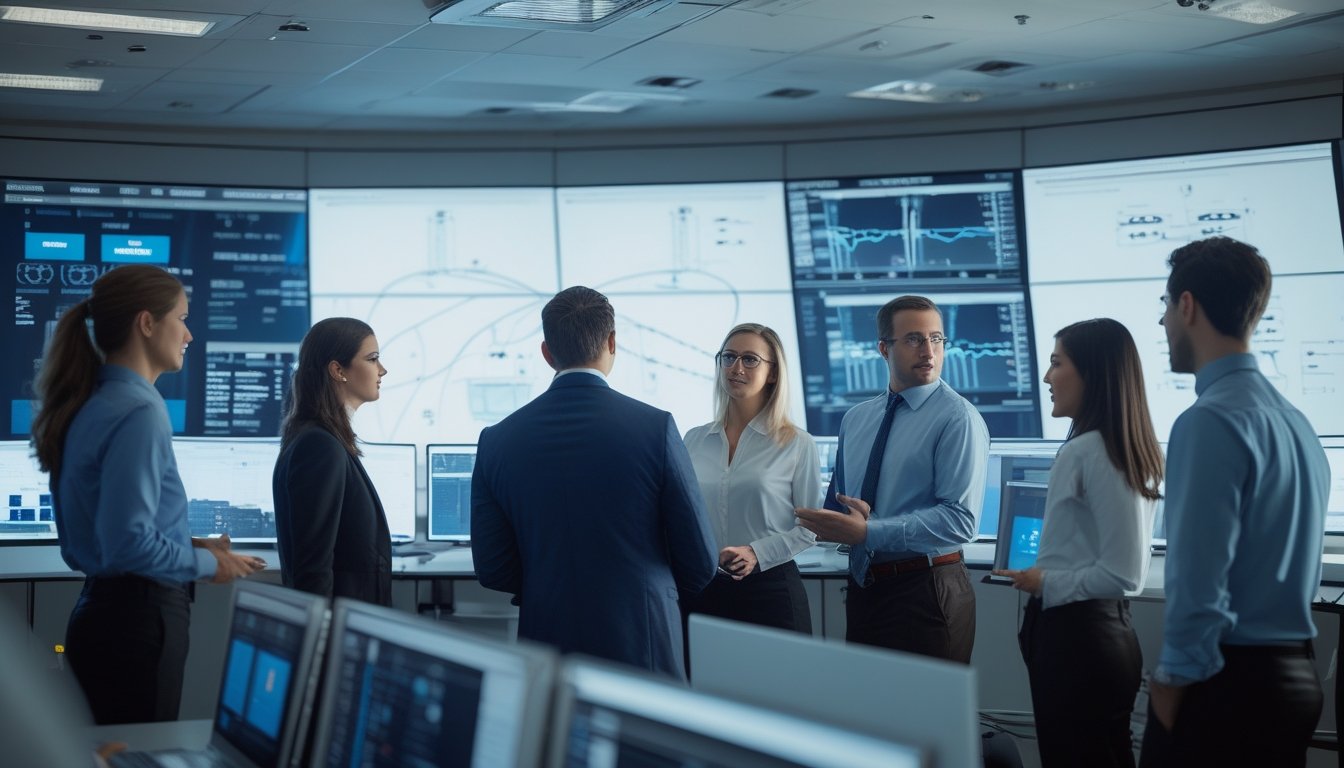
Watch for repeated phrases like “Can you say that again?”, long pauses after questions, side conversations in the room, and remote participants who speak less than they should. Frequent meeting overruns and post-meeting follow-up notes are also strong warning signs.
What IT And Workplace Teams Should Measure
Track support tickets, room usage, meeting duration overages, and the number of times participants switch to chat because audio is unclear. It also helps to test a sample of rooms for echo, noise floor, and voice pickup from multiple seating positions, not just the center of the table.
Practical Fixes That Improve Clarity Fast
The quickest gains usually come from reducing distance, removing noise, and setting standards for how rooms are used. You do not need to solve every room at once to make a meaningful difference.
Smarter Microphone And Speaker Placement
Place microphones closer to where people actually sit and speak, and make sure speakers do not feed back into the pickup area. In larger rooms, use multiple mics or an integrated room system rather than expecting one device to cover the whole space.
Platform Settings, DSP, And Noise Control
Enable platform features that suppress noise and normalize voice levels, then tune the room so the system is not fighting echo all day. Digital signal processing can help a lot, especially when it is paired with basic acoustic treatment and a quieter room environment.
Meeting Norms That Support Remote Participants
Ask people to speak one at a time, avoid talking over each other, and use a short pause before moving to the next point. These habits matter because they give remote participants the same chance to hear and respond without constant interruption.
Building An Audio Strategy That Scales
A scalable audio strategy is not about buying the fanciest equipment for every room. It is about defining a simple standard, applying it consistently, and treating room performance as part of workplace operations.
Standardizing Rooms Without Overengineering
Start with room categories, such as small huddle spaces, medium conference rooms, and executive rooms, then assign a consistent audio baseline to each type. Standardization reduces support burden, simplifies procurement, and makes user expectations clearer across locations.
Making Audio A Leadership And Culture Issue
When leaders tolerate bad sound, everyone else learns to accept slower meetings and weaker participation. When leaders expect clear audio, remote inclusion, and disciplined room setup, the organization starts to treat sound quality as part of decision quality, not a minor technical detail.
by MLV Teknologi | Jun 7, 2026 | Article
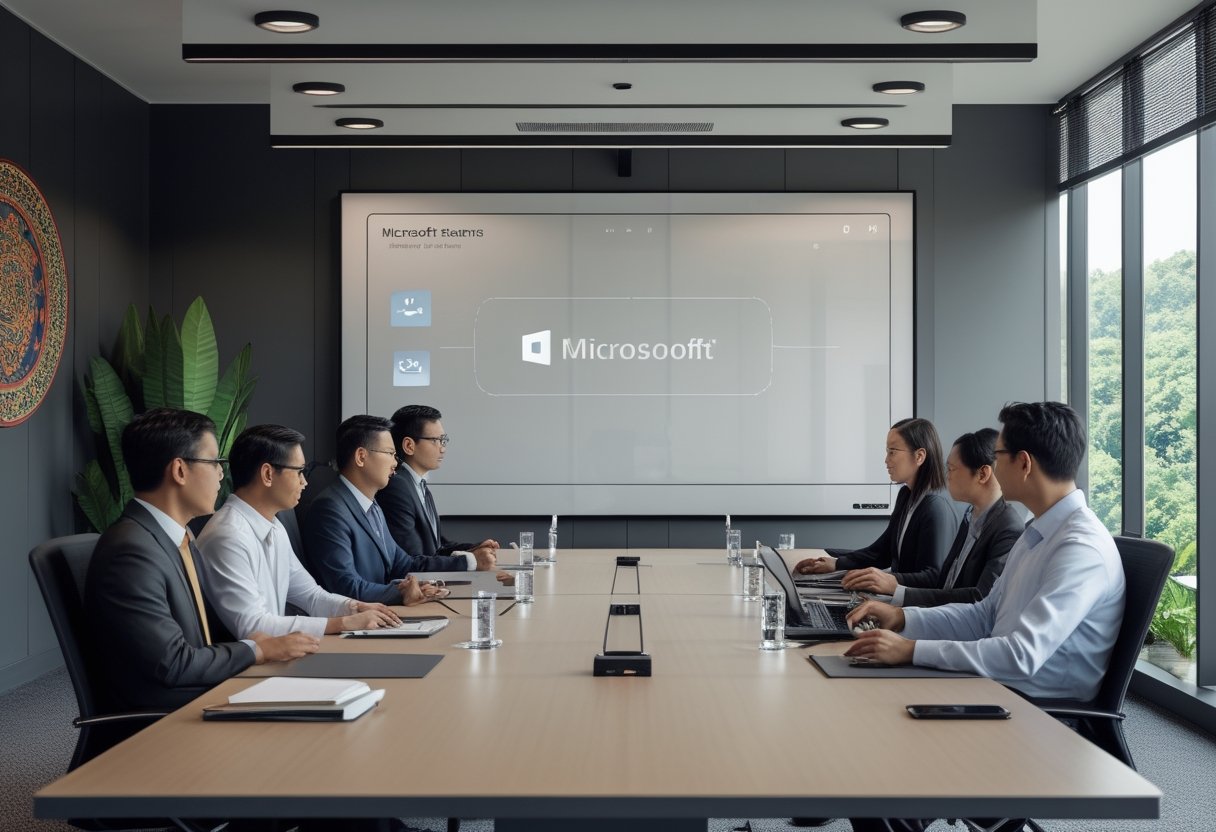
Microsoft Teams Rooms now matters in Indonesia because meeting spaces are no longer just rooms, they are part of the digital infrastructure that supports hybrid work, cloud services, and business continuity.
How Microsoft Teams Rooms Supports Enterprise-Grade Hybrid Collaboration
For large enterprises, Microsoft Teams Rooms helps turn ordinary meeting spaces into consistent collaboration environments. It brings audio, video, and device control into one experience, which reduces friction for employees joining from the office, home, or another site. In practice, that consistency matters most in boardrooms, project rooms, and training spaces where meeting quality affects decisions.
The strongest value is not the hardware itself. It is the way the room becomes a dependable endpoint for Microsoft cloud-based collaboration, with a familiar interface and fewer support issues for IT teams. That makes it easier to standardize across branches, regional offices, and state-owned enterprise environments.
Why Indonesia’s Digital Transformation Raises The Stakes For Workplace Technology
Indonesia’s digital transformation has moved workplace tools from a comfort issue to a business issue. As digitalization spreads across the digital economy, enterprises need collaboration systems that can support digital services, digital skills development, and distributed teams at scale. This is especially relevant for msmes linked to larger supply chains, as well as public sector bodies and state-owned enterprise operations.
Cloud computing has also changed expectations. Leaders now expect meeting platforms to work within a secure cloud model, support inclusive economic growth, and fit broader digital infrastructure plans. For many organizations, the meeting room is becoming a visible test of whether the wider technology stack is ready.
What Enterprises Need From Collaboration Platforms In A Fast-Growing Digital Economy
Enterprises in Indonesia need more than simple video calls. They need platforms that support cloud services, protect sensitive discussions, and adapt as teams grow across cities and islands. They also need systems that can help with digital talent retention, since employees are less patient with unreliable room setups and broken meeting flows.
A practical deployment should support security, easy management, and room consistency across sites. For CIOs and workplace leaders, the real question is whether the platform can serve as a stable digital hub for everyday work, not just a meeting aid for occasional use.
How Indonesia Central Changes Performance, Compliance, And Scale

Indonesia Central changes the conversation from basic connectivity to enterprise design. A local cloud region affects latency, data residency, and the way organizations think about nationwide rollout, especially when collaboration tools sit on top of cloud infrastructure.
Why Local Cloud Region Availability Matters For Latency And Reliability
When a meeting platform relies on nearby cloud region support, the user experience is usually more predictable. Lower latency helps with call setup, video stability, and shared content, which matters in rooms where executives and project teams need fast, clear interaction. That difference is easy to notice in long meetings, streamed town halls, and cross-office collaboration.
For enterprises with sites across Java, Sumatra, Kalimantan, and beyond, local cloud region availability can also improve operational resilience. A cloud region in-country gives IT leaders a stronger base for performance planning, especially when wide area network paths vary in quality across locations.
Data Residency, Security, And Availability Zones In Enterprise Collaboration
Data residency has become a major concern for regulated industries, government-linked organizations, and state-owned enterprise stakeholders. Keeping data inside Indonesia can simplify policy alignment and reduce concern around where meeting data, logs, and related records are processed. That is especially relevant for organizations handling strategic or sensitive internal discussions.
Availability zones matter in the same way, because they support higher resilience and better planning for enterprise workloads. In a secure cloud model, the combination of local processing, redundancy, and strong policy control gives collaboration platforms a more credible fit for business-critical use.
How Microsoft Azure And The Global Network Support Nationwide Operations
Microsoft Azure provides the cloud foundation, while the global network helps move traffic efficiently across sites and regions. For large enterprises, that combination supports scalability without forcing every location to be engineered the same way. It also helps when organizations need to support streaming for all-hands meetings, training sessions, or cross-country broadcasts.
From an IT leadership view, the value is practical. A strong cloud region, availability zone design, and global network path can reduce avoidable strain on the WAN while improving user experience for remote and in-room participants. That makes the platform more suitable for nationwide operations, not just Jakarta headquarters.
The Next Enterprise Opportunity: AI-Enabled Rooms And Ecosystem Partnerships
The next stage for Microsoft Teams Rooms in Indonesia is shaped by generative AI and partnerships. Enterprises will want meeting spaces that do more than connect people, they will want rooms that save time, improve note capture, and fit into wider AI in Indonesia strategies.
Where Generative AI And Azure OpenAI Service Can Improve Meeting Workflows
Generative AI can make meeting workflows cleaner when it is applied with care. In Microsoft Teams Rooms, that could mean better summaries, action tracking, speaker support, and faster retrieval of meeting decisions. Azure OpenAI Service gives enterprises a path to test these features within a cloud environment that aligns with existing Microsoft governance.
The best use cases are the simple ones. If AI can reduce missed action items, help with meeting follow-up, and improve search across notes and recordings, it creates clear value without changing how teams already work. Responsible AI remains essential, since enterprises will want strong controls over data use and user access.
How Partnerships Shape Enterprise Adoption In Indonesia
Ecosystem partnerships matter because enterprise adoption in Indonesia often depends on local reach and trusted delivery. Local providers help connect enterprise demand with deployment, support, and network planning. This alignment also fits the wider Berdayakan Indonesia agenda, which is closely tied to cloud adoption and workforce readiness.
Public sector alignment is part of this picture too. With support from various stakeholders and industry leaders, the market has a clearer path to discuss AI-ready infrastructure, not only device refresh cycles. The Microsoft Cloud Dividend framing also signals that meeting technology now sits inside a larger national productivity story.
What Responsible AI And Workforce Readiness Mean For Long-Term Rollout
Long-term rollout will depend on trust and readiness. If employees do not know how to use the rooms, or if IT teams do not have the skills to manage them, the technology will underperform no matter how strong the cloud layer is. That is why skilling at scale matters as much as hardware choice.
Organizations should also watch workforce inclusion. A focus on accessibility shows that modern collaboration spaces should serve more than the average user. In a market moving toward deeper digital skills and digital talent development, Teams Rooms can become part of a broader enterprise learning curve rather than a standalone AV project.
by MLV Teknologi | Jun 7, 2026 | Article
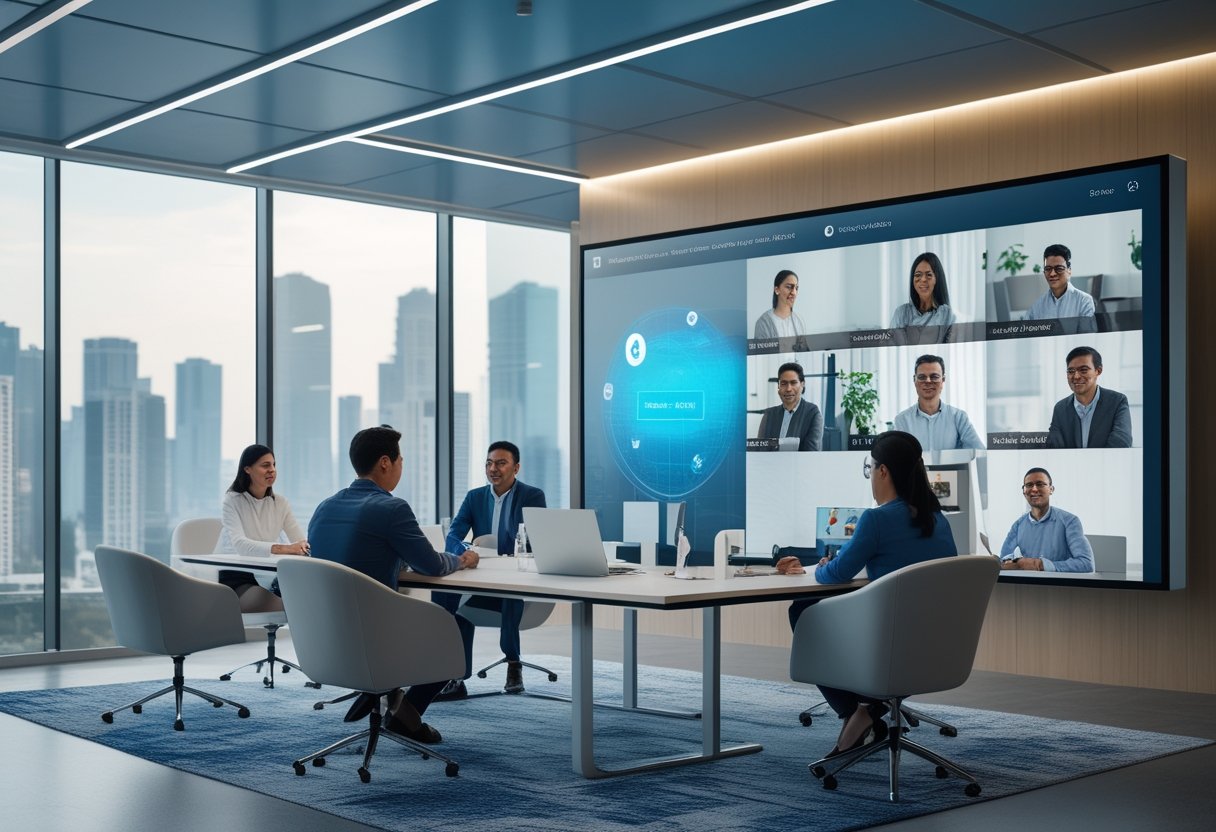
Hybrid meeting rooms matter now because they shape who gets heard, how fast teams decide, and how credible the workplace feels to both employees and clients.
How Hybrid Work Changed Expectations For Meetings
Hybrid work has made meeting quality visible in a new way. A room is no longer judged only by its chairs and table, it is judged by how well it supports hybrid meetings, remote participants, and virtual participants at the same time. In many organizations, the old standard of a simple camera in a traditional conference room no longer feels enough.
The expectation has shifted from “can we connect?” to “can everyone participate well?” That change affects daily meeting spaces, executive sessions, and hybrid events alike. When a hybrid meeting room works well, the meeting experience feels smooth for both in-room and remote attendees, which supports better focus and stronger decisions.
What Separates A Hybrid-Ready Space From A Traditional Room
A traditional room may handle video conferencing, yet still leave people struggling with poor audio, awkward sightlines, or weak content sharing. A hybrid-ready hybrid meeting room is planned around equal participation, with hybrid rooms designed to make speech, visuals, and collaboration tools work together. Even a small huddle room can feel capable when the setup is balanced and easy to use.
The difference shows up fast in real use. In a hybrid-ready space, meeting participants do not waste time repeating comments, adjusting laptops, or asking who can see the screen. That consistency matters across conference rooms because it reduces friction and makes the room usable without constant help.
Why Remote Equity Matters For Decision-Making And Culture
Remote equity is not a soft benefit, it changes who contributes and how decisions are made. If remote attendees cannot hear clearly or share content without delay, they tend to speak less, and the discussion tilts toward the people in the room. Over time, that pattern can weaken culture and lower trust.
When hybrid meeting rooms support equal visibility and clear audio, the organization sends a stronger message about inclusion. People notice when remote participants are treated as full contributors, not just guests on a screen. That is one reason modern hybrid meeting room planning has become a visible sign of workplace quality.
The Technology And Design Signals That Matter
The strongest rooms do not depend on a single device. They combine sound, cameras, screen layout, and platform support so meetings feel simple to start and steady to run.
Audio, Cameras, And Microphones That Make Participation Feel Equal
Audio quality usually decides whether a room feels polished or frustrating. Good microphones, especially those tuned for room pickup, let remote attendees hear side comments, not just the loudest voice at the table. Cameras also matter, since people engage more when faces are framed well and movement is easy to follow.
In practice, the best hybrid meeting rooms do not make users think about equipment. The room captures discussion cleanly, shows the right people on screen, and keeps the meeting experience focused on the work. That is far more valuable than adding flashy gear that requires constant adjustment.
Platform Compatibility Across Zoom, Microsoft Teams, And Google Meet
Platform consistency is a practical test of room quality. Many organizations work across zoom, microsoft teams, and google meet, so the room should support all three without awkward workarounds. Zoom Rooms and Microsoft Teams Rooms can help standardize the experience, yet the real measure is whether people can join, share, and switch between systems without confusion.
IT teams also look for clean interoperability with collaboration tools and cloud services. When a hybrid meeting room works across the main platforms, adoption improves and support calls drop. That kind of reliability matters more than a long feature list.
Layouts, Digital Whiteboards, And Content Sharing That Reduce Friction
Room layout affects whether people can actually use the technology. Screens should be placed so both in-room and remote participants can follow the discussion, and table shape should support sightlines instead of blocking them. In a huddle room, the setup should stay simple; in larger conference rooms, the room should support stronger camera coverage and clearer content sharing.
Digital whiteboards and digital whiteboard workflows add real value when they are easy to use. Shared notes, sketches, and file transfers should feel natural, not technical. When content sharing is smooth, meetings move faster and the room feels designed for real collaboration rather than occasional video calls.
Why Better Rooms Now Reflect Organizational Status
A better room is no longer only a facilities upgrade, it is a signal about how the organization operates. Executives, clients, and candidates all read the room quickly, and they notice whether the workplace feels current or neglected.
How Consistency Across Rooms Shapes Executive And Employee Perception
Consistency across hybrid rooms builds confidence. When one meeting space works well and another feels outdated, people start to question the standard behind the workplace. A consistent experience across meeting spaces tells employees that the organization takes hybrid work seriously, not as a temporary patch.
That perception reaches beyond convenience. Executives often see well-run hybrid meeting rooms as part of a broader operating standard, and employees connect that standard with respect for their time. When every room supports the same basic experience, the workplace feels more mature and more dependable.
Why Network, Cloud, And Security Readiness Influence Confidence
Room quality depends on more than the hardware people can see. A strong network, cloud readiness, and SSE-backed security controls help the system stay stable and trusted. If sign-ins fail, content lags, or access rules get in the way, the room quickly loses credibility.
IT leaders also watch how systems handle everyday interactions. Hybrid meetings should start cleanly, support secure content sharing, and keep management simple enough for scale. When the infrastructure is solid, people trust the room, and that trust shapes how the workplace is judged.
Where High-Stakes Environments Reveal The Real Standard
High-stakes spaces show the true level of investment. Boardrooms, client presentation areas, and leadership rooms expose weak audio, lagging video, or awkward switching faster than casual spaces do. If the room cannot support a critical meeting, the organization’s modern image suffers in plain view.
That is why hybrid rooms have become more than a technical choice. They reflect how a company treats hybrid work, how much it values remote participants, and how seriously it prepares for the future of meetings. In the end, the room becomes part of the brand, because it shapes every important interaction that happens inside it.
by MLV Teknologi | May 27, 2026 | Article
Peran Platform Visualisasi Dalam Operasi Data-Driven
Platform visualisasi di control room membantu tim melihat data penting secara utuh, cepat, dan seragam. Bagi organisasi yang bergantung pada respons cepat, kualitas tampilan dan alur kerja visual sering menjadi penentu apakah keputusan bisa dibuat dalam hitungan menit atau tertunda terlalu lama.
Apa Yang Dikerjakan Platform Control Room Dalam Pengambilan Keputusan Cepat
Platform seperti Barco Control Room Platform dirancang untuk menyatukan sumber informasi ke dalam satu tampilan kerja yang mudah dipantau. Operator tidak perlu berpindah-pindah aplikasi atau perangkat hanya untuk membaca status terbaru, sehingga fokus tetap pada tindakan yang harus diambil.
Dalam praktiknya, ini sangat membantu saat tim memantau insiden operasional, gangguan layanan, atau anomali sistem. Visualisasi yang rapi mempercepat koordinasi, terutama ketika command center harus membagikan informasi ke banyak peran sekaligus.
Mengapa Video Wall Dan Kolaborasi Visual Menjadi Inti Monitoring Modern
Video wall, large display, led display, videotron, digital signage, dan all in one led display memberi ruang yang lebih luas untuk menampilkan data penting secara paralel. Saat beberapa dashboard muncul bersamaan, tim bisa melihat pola, prioritas, dan dampak lintas fungsi tanpa kehilangan konteks.
Kolaborasi visual juga mendukung corporate collaboration dan kolaborasi korporat yang lebih aktif. Di banyak ruang kendali, audio visual dan teknologi audiovisual tidak lagi hanya dipakai untuk presentasi, melainkan untuk kerja harian yang menuntut enhanced productivity.
Kapan Organisasi Membutuhkan Arsitektur Yang Siap Untuk Skala Besar
Kebutuhan itu biasanya muncul saat sistem mulai tumbuh, sumber data bertambah, dan operator tidak lagi bisa mengandalkan tampilan yang terpisah-pisah. Organisasi yang menjalankan layanan kritis, operasi 24 jam, atau monitoring multi-lokasi cenderung membutuhkan arsitektur yang stabil dan mudah diperluas.
Pada tahap itu, platform control room harus siap untuk workflow yang konsisten, pengelolaan media yang tertata, dan dukungan jangka panjang. Tanpa fondasi seperti ini, skala besar justru membuat monitoring lebih lambat, bukan lebih efisien.
Integrasi AV/IT Yang Menyatukan Tampilan, Komunikasi, Dan Kontrol
Integrasi AV/IT yang baik membuat ruang kerja terasa sederhana di depan pengguna, meski sistem di belakangnya kompleks. Fokusnya ada pada satu pengalaman operasional yang mulus, dari tampilan, komunikasi, sampai kontrol perangkat.
Bagaimana MLV Teknologi Menghubungkan Infrastruktur AV Dan IT
MLV Teknologi memposisikan solusi AV sebagai bagian dari ekosistem kerja, bukan perangkat yang berdiri sendiri. Dalam proyek modern, pendekatan ini penting karena integrasi sistem av harus selaras dengan network infrastructure, sistem IT, dan kebutuhan transformasi digital.
Pada smart office dan ruang kerja pintar, hubungan antara display, kontrol, dan jaringan harus dirancang sejak awal. Ketika integrasi dilakukan dengan benar, pengguna dapat menjalankan konferensi video, berbagi konten, dan berpindah mode kerja tanpa gangguan berarti.
Komponen Kunci Untuk Ruang Rapat Pintar Dan Ruang Kendali
Ruang rapat pintar dan smart conference room biasanya memerlukan interactive whiteboard, interactive flat panel, layar interaktif, konferensi video, audio video distribution, digital sound processor, ceiling microphone, dan room booking system. Di sisi operasional, elemen seperti kontrol otomatis dan manajemen ruang membantu menjaga efisiensi operasional.
Untuk lingkungan yang lebih luas, solusi juga sering terhubung ke CCTV, security & surveillance, dan access door. Di titik ini, smart technology harus mendukung kolaborasi tim tanpa membuat pengguna terbebani oleh banyak panel kontrol yang terpisah.
Pentingnya Interoperabilitas, Keamanan, Dan Kemudahan Operasional
Interoperabilitas menentukan apakah semua perangkat bisa bekerja sebagai satu sistem, bukan kumpulan alat yang berdiri sendiri. Ini penting untuk smart meeting room, modern workspace, dan cloud-based solutions yang menuntut fleksibilitas tinggi.
Keamanan juga menjadi pertimbangan utama, terutama saat platform dipakai untuk data sensitif dan operasi mission-critical. Dengan desain yang tepat, pengguna mendapat kontrol yang mudah, sementara tim IT tetap bisa menjaga keamanan, stabilitas, dan kemudahan operasional harian.
Memilih Mitra Implementasi Yang Tepat Untuk Hasil Jangka Panjang
Keberhasilan implementasi control room tidak hanya ditentukan oleh produk, tetapi juga oleh cara sistem dirancang, dipasang, dan dipelihara. Karena itu, pemilihan mitra menjadi keputusan strategis, terutama untuk proyek yang berdampak langsung pada operasi bisnis.
Nilai Pendekatan Design And Build Dalam Proyek Mission-Critical
Pendekatan design and build memudahkan perusahaan menyatukan kebutuhan ruang, alur kerja, dan target operasional sejak awal. Pada proyek mission-critical, cara ini membantu mengurangi salah tafsir antara tim bisnis, IT, dan fasilitas.
Dalam praktiknya, audio visual kontraktor yang memahami workflow ruang kendali akan lebih mudah menyesuaikan desain dengan prioritas operasional. Hasilnya, sistem lebih relevan untuk dipakai sehari-hari, bukan hanya terlihat canggih saat serah terima.
Peran Brand Ekosistem Dan Dukungan Vendor Dalam Kestabilan Sistem
Ekosistem brand seperti Barco, Extron, Samsung, dan Planar memberi nilai tambah ketika integrasi dan dukungan teknis dibutuhkan dalam jangka panjang. Setiap komponen yang saling kompatibel cenderung membuat pemeliharaan lebih mudah dan risiko gangguan lebih rendah.
Di lapangan, kestabilan sistem sering bergantung pada konsistensi perangkat, firmware, dan dukungan vendor. Karena itu, mitra seperti Melvin Halpito dan tim implementasi yang memahami relasi antarmerek bisa membantu menjaga performa sistem tetap terukur.
Mengapa Pengalaman Lokal Berpengaruh Pada Adopsi Dan Skalabilitas
Pengalaman lokal membuat implementasi lebih sesuai dengan kondisi organisasi di Indonesia, mulai dari kebiasaan kerja, struktur tim, sampai kesiapan infrastruktur. Faktor ini penting agar solusi tidak hanya berjalan di atas kertas, tetapi juga diterima oleh pengguna operasional.
MLV Teknologi yang berperan sebagai integrator lokal dapat membantu menyesuaikan desain, pelatihan, dan ekspansi sistem sesuai kebutuhan bisnis. Untuk perusahaan yang mengejar skalabilitas, kedekatan ini sering menjadi pembeda antara proyek yang cepat adopsi dan proyek yang tertahan di tahap awal.
by MLV Teknologi | May 27, 2026 | Article
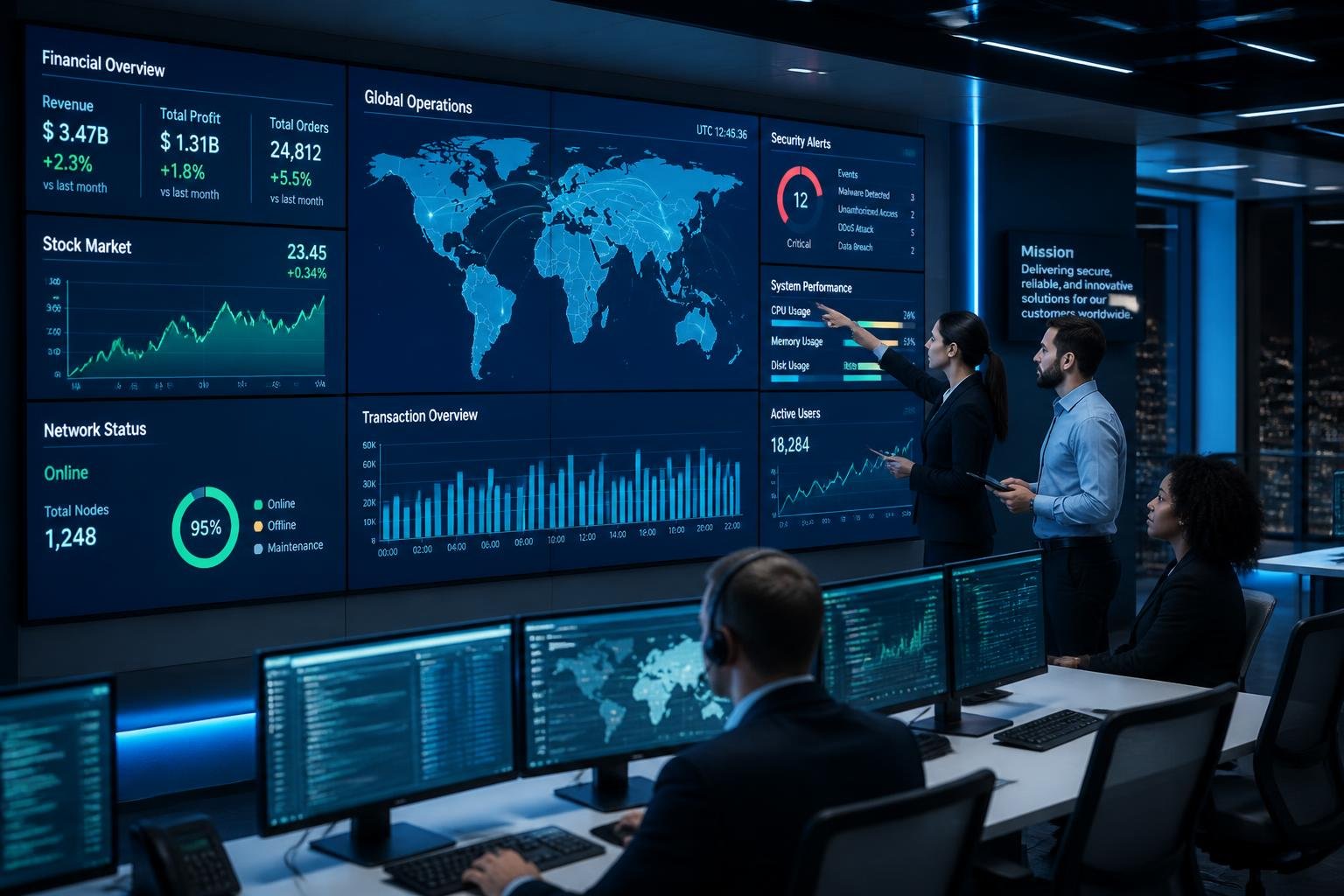
Peran Video Wall Dalam Operasi Mission-Critical
Lingkungan operasional yang tidak pernah berhenti membutuhkan lebih dari sekadar layar besar. Yang benar-benar dibutuhkan adalah sistem yang menjamin visibilitas data tanpa gangguan, mendukung koordinasi cepat, dan tidak memberi ruang bagi kegagalan tampilan di momen paling kritis sekalipun.
Kebutuhan Visibilitas Data Di Lingkungan 24/7
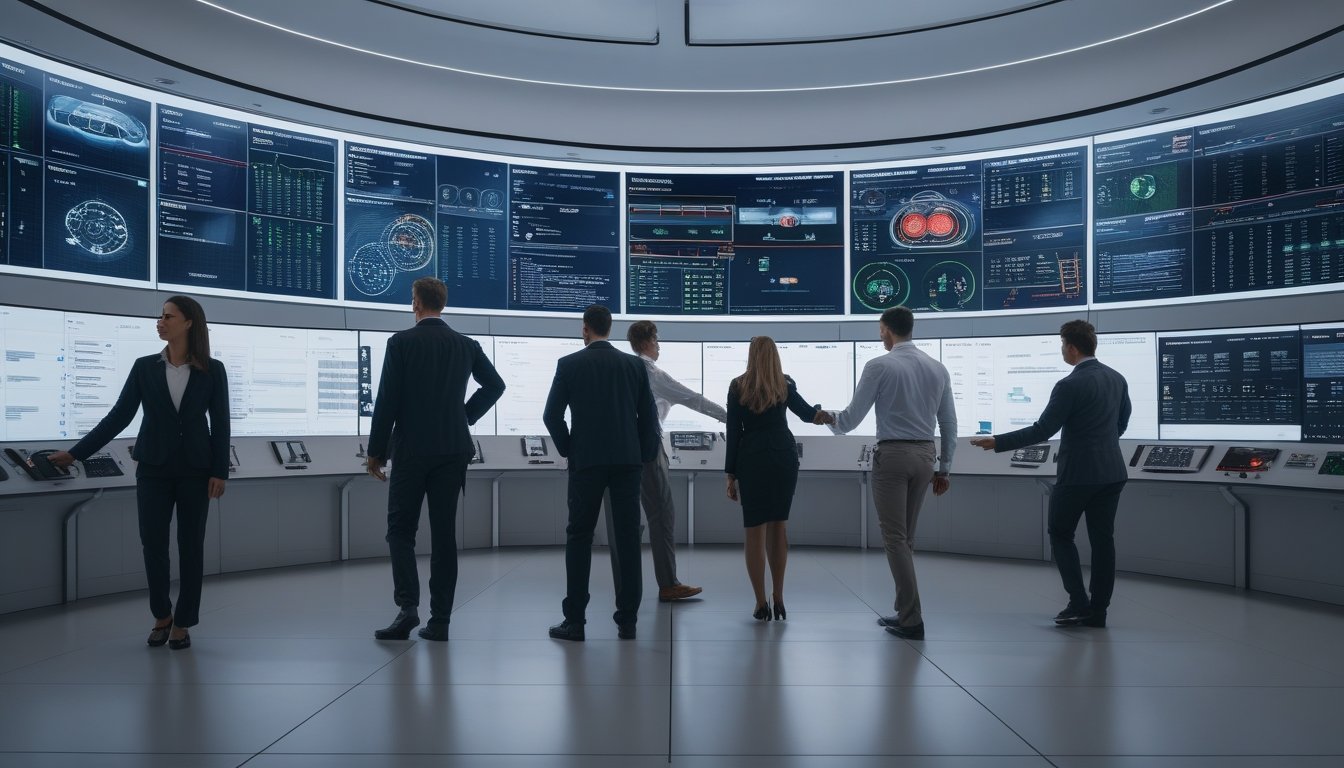
Di ruang kendali bank, NOC (Network Operations Center), atau pusat pemantauan utilitas, data mengalir dari puluhan sumber secara bersamaan. Operator Anda perlu melihat status sistem, tren anomali, dan alert keamanan dalam satu tampilan terpadu, bukan berpindah-pindah antara beberapa monitor kecil.
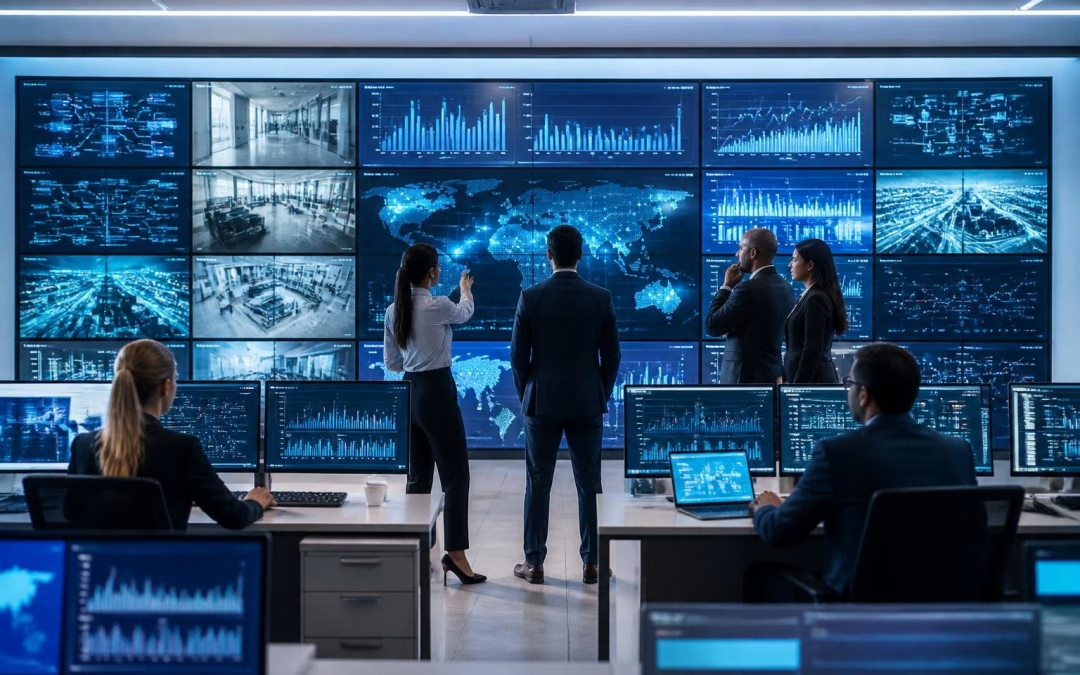
Video wall memberikan kapasitas tampilan yang memungkinkan agregasi visual dari berbagai sumber data sekaligus. Ini bukan soal estetika ruang kontrol, melainkan soal waktu respons. Ketika Anda bisa melihat seluruh lanskap operasional dalam satu pandang, identifikasi masalah menjadi lebih cepat dan keputusan lebih terinformasi.
Kondisi 24/7 juga berarti sistem tidak boleh redup, tidak boleh berkedip, dan tidak boleh membutuhkan restart di tengah sesi pemantauan. Standar uptime di lingkungan ini berbeda jauh dari standar ruang rapat biasa.
Fungsi Ruang Kontrol Pada Sektor Perbankan Dan Utilitas
Bayangkan skenario ini: tim operasional bank sedang memantau transaksi lintas cabang saat terjadi lonjakan aktivitas mencurigakan. Ruang kontrol yang dilengkapi video wall memungkinkan supervisor untuk langsung memvisualisasikan pola transaksi, mengarahkan tim respons, dan mengkomunikasikan status kepada pemangku kepentingan, semuanya dari satu ruang.
Di sektor utilitas, fungsinya serupa. Operator jaringan listrik atau distribusi air membutuhkan tampilan peta operasional, data sensor lapangan, dan status alarm dalam resolusi tinggi agar interpretasi tidak ambigu.
Ruang kontrol bukan sekadar ruangan; ruang kontrol adalah infrastruktur pengambilan keputusan. Kualitas dan keandalan video wall yang terpasang di dalamnya secara langsung memengaruhi kualitas keputusan yang dihasilkan.
Nilai Strategis Kemitraan Bagi Organisasi
Kolaborasi antara MLV Teknologi dan Barco menghadirkan kombinasi yang jarang ditemukan dalam satu meja negosiasi: keahlian integrasi sistem lokal yang dalam dan teknologi tampilan kelas enterprise dari produsen global. Dua elemen ini, jika dikelola dengan baik, secara langsung memengaruhi kecepatan respons insiden dan konsistensi layanan operasional Anda.
Sinergi Keahlian Integrasi Dan Teknologi Tampilan
MLV Teknologi telah membangun rekam jejak lebih dari satu dekade sebagai AV system integrator di Indonesia, dengan spesialisasi pada command center, ruang kendali, dan lingkungan smart office. Keahlian ini mencakup pemahaman mendalam tentang bagaimana sistem AV harus berinteraksi dengan infrastruktur IT eksisting, protokol keamanan jaringan, dan kebutuhan operasional spesifik setiap klien.
Barco, di sisi lain, membawa portofolio video wall yang dikenal dalam industri untuk keandalannya di lingkungan operasional berkelanjutan. Ketika dua kapabilitas ini digabungkan, Anda mendapatkan solusi yang tidak hanya secara teknis solid tetapi juga dapat diimplementasikan sesuai konteks lokal.
Sinergi ini penting karena banyak proyek video wall gagal bukan pada kualitas panel-nya, melainkan pada tahap integrasi dan konfigurasi sistem.
Dampak Terhadap Standar Layanan Dan Respons Insiden
Dari perspektif operasional, nilai nyata kemitraan ini terukur pada dua hal: seberapa cepat insiden dapat dideteksi dan divisualisasikan, serta seberapa andal sistem tampilan mendukung koordinasi respons.
Dalam skenario gangguan sistem perbankan, misalnya, setiap menit keterlambatan dalam visualisasi data berarti potensi eskalasi masalah yang lebih besar. Video wall yang diintegrasikan dengan benar memungkinkan tim Anda memantau dashboard secara real-time, mengalihkan sumber daya, dan mendokumentasikan respons, tanpa terhambat oleh keterbatasan tampilan.
Standar layanan di sektor perbankan dan infrastruktur kritis tidak memberikan toleransi besar bagi downtime sistem monitoring. Kemitraan yang menyatukan integrator berpengalaman dengan teknologi tampilan bermutu tinggi menjadi fondasi yang relevan untuk memenuhi standar tersebut.
Komponen Teknis Yang Menentukan Kinerja
Memilih video wall untuk lingkungan mission-critical bukan soal memilih panel dengan piksel terbanyak. Tiga faktor teknis berikut menentukan apakah sistem Anda akan benar-benar berfungsi saat dibutuhkan paling kritis: keandalan operasional, konsistensi visual, dan kemampuan integrasi dengan ekosistem sistem yang sudah ada.
Keandalan Tampilan Untuk Operasi Berkelanjutan
Sistem video wall untuk lingkungan 24/7 harus dirancang dengan asumsi bahwa ia tidak pernah dimatikan. Ini berarti Anda perlu mengevaluasi spesifikasi Mean Time Between Failures (MTBF), kapasitas pendinginan panel, dan ketersediaan komponen redundan pada controller.
Barco dikenal merancang display system dengan arsitektur redundansi built-in, termasuk redundansi pada power supply dan jalur sinyal. Dalam konteks bank atau pusat pemantauan utilitas, kemampuan ini bukan fitur tambahan, melainkan persyaratan minimum.
Pastikan Anda juga mengevaluasi garansi uptime dan komitmen service level agreement (SLA) yang ditawarkan, bukan hanya spesifikasi teknis di atas kertas.
Kualitas Visual Dan Konsistensi Monitoring
Konsistensi warna dan kecerahan antar panel dalam satu video wall menjadi faktor yang sering diremehkan, tetapi sangat krusial dalam operasi monitoring. Ketika Anda memantau peta jaringan atau dashboard transaksi dalam waktu lama, ketidakseragaman tampilan bisa menyebabkan interpretasi yang salah.
Kalibrasi warna otomatis dan kontrol kecerahan adaptif adalah fitur teknis yang membedakan video wall kelas enterprise dari solusi generik. Di ruang kontrol yang beroperasi dengan pencahayaan terkontrol, konsistensi ini langsung memengaruhi akurasi interpretasi operator Anda.
Kemudahan Integrasi Dengan Sistem Eksisting
Lingkungan perbankan dan infrastruktur kritis umumnya sudah memiliki ekosistem sistem yang kompleks: SCADA, SIEM, sistem manajemen jaringan, dan platform analitik. Video wall Anda harus mampu menerima input dari semua sumber ini tanpa memerlukan penggantian infrastruktur besar-besaran.
Kemampuan interoperabilitas menjadi pertimbangan utama. Evaluasi dukungan terhadap protokol standar, kompatibilitas dengan platform manajemen konten yang sudah Anda gunakan, dan fleksibilitas konfigurasi layout tampilan secara real-time tanpa gangguan operasional.
Pertimbangan Implementasi Di Lapangan
Implementasi video wall di lingkungan mission-critical berbeda signifikan dari proyek pemasangan display standar. Dua aspek yang paling sering menentukan keberhasilan atau kegagalan proyek adalah kesiapan infrastruktur fisik dan komitmen terhadap siklus hidup solusi jangka panjang.
Kesiapan Infrastruktur Dan Lingkungan Operasional
Sebelum Anda menyetujui spesifikasi sistem, lakukan asesmen menyeluruh terhadap kondisi ruang kontrol yang ada. Ini mencakup kapasitas daya listrik dan ketersediaan UPS, sistem pendinginan ruangan, jalur kabel terstruktur, serta kondisi pencahayaan ambien yang memengaruhi performa visual panel.
Video wall kelas enterprise membutuhkan lingkungan yang stabil. Fluktuasi suhu ekstrem, kelembaban tinggi, atau instalasi kabel yang tidak terstruktur dapat menjadi sumber masalah yang baru terlihat beberapa bulan setelah sistem beroperasi. Libatkan tim fasilitas Anda sejak tahap perencanaan, bukan hanya tim IT.
Satu hal yang perlu Anda pertimbangkan secara realistis: proses integrasi dengan sistem eksisting membutuhkan waktu pengujian yang cukup. Jangan kompromikan fase commissioning hanya karena tekanan jadwal. Kesalahan konfigurasi yang tidak terdeteksi di tahap awal akan jauh lebih mahal untuk diperbaiki saat sistem sudah berjalan penuh.
Pemeliharaan, Dukungan, Dan Siklus Hidup Solusi
Total cost of ownership (TCO) dari sebuah video wall tidak berhenti pada harga pengadaan awal. Anda perlu menghitung biaya pemeliharaan preventif, ketersediaan suku cadang lokal, waktu respons dukungan teknis, dan siklus refresh teknologi.
Kemitraan MLV Teknologi dengan Barco relevan di sini karena Anda mendapatkan integrator lokal yang dapat memberikan dukungan on-site dengan pemahaman konteks operasional Anda, bukan hanya remote support dari distributor yang tidak familiar dengan konfigurasi spesifik sistem Anda.
Pastikan perjanjian pemeliharaan mencakup ketentuan penggantian panel yang jelas, komitmen ketersediaan firmware update, dan eskalasi teknis dengan waktu respons yang terdefinisi. Di lingkungan yang beroperasi tanpa henti, respons yang lambat terhadap gangguan komponen adalah risiko bisnis nyata.
Dampak Bisnis Jangka Panjang
Investasi pada video wall untuk lingkungan mission-critical bukan sekadar keputusan pengadaan teknologi. Ini adalah keputusan strategis yang memengaruhi bagaimana organisasi Anda mengelola risiko, memenuhi kewajiban regulasi, dan mempertahankan efisiensi operasional dalam jangka panjang.
Efisiensi Operasional Dan Pengambilan Keputusan
Operator yang bekerja dengan visibilitas data lengkap dan tampilan terpadu membuat keputusan lebih cepat dan dengan tingkat kesalahan lebih rendah. Ini bukan klaim abstrak; ini adalah implikasi langsung dari desain sistem yang menempatkan informasi relevan dalam satu bidang pandang yang mudah diinterpretasikan.
Di ruang kontrol bank, misalnya, kemampuan untuk melihat anomali transaksi, status sistem core banking, dan kondisi jaringan secara bersamaan memungkinkan koordinasi lintas tim tanpa perlu eskalasi verbal yang memakan waktu. Pengurangan latensi dalam pengambilan keputusan ini berdampak langsung pada efisiensi tim operasional Anda.
Dalam jangka panjang, sistem yang mendukung visibilitas operasional yang baik juga mengurangi beban kognitif operator, yang pada gilirannya menurunkan risiko kesalahan manusia akibat kelelahan atau kurangnya informasi kontekstual.
Pengaruh Pada Mitigasi Risiko Dan Kepatuhan
Sektor perbankan dan infrastruktur kritis beroperasi di bawah kerangka regulasi yang ketat, mencakup kewajiban pemantauan, dokumentasi insiden, dan kemampuan audit jejak operasional. Sistem video wall yang terintegrasi dengan baik dapat mendukung pemenuhan persyaratan ini secara lebih sistematis.
Kemampuan merekam dan memutar ulang tampilan operasional, misalnya, menjadi alat dokumentasi yang berguna dalam proses investigasi insiden atau audit kepatuhan. Ini adalah nilai tambah yang sering tidak diperhitungkan dalam evaluasi awal, tetapi memiliki implikasi signifikan terhadap posisi kepatuhan organisasi Anda.
Dari perspektif mitigasi risiko, investasi pada sistem tampilan yang andal dan redundan adalah bagian dari strategi kelangsungan bisnis. Kegagalan visibilitas operasional di momen kritis bukan hanya masalah teknis; ini adalah eksposur risiko yang harus diperhitungkan dalam kerangka manajemen risiko Anda secara menyeluruh.



Recent Comments