
by Melvin Halpito | Aug 22, 2026 | Article
Kompetensi Teknis dan Perencanaan Sistem
Pemilihan ahli LED videotron perlu dimulai dari kemampuan menerjemahkan kebutuhan bisnis menjadi solusi komunikasi visual yang efektif melalui desain sistem layar digital dan rencana instalasi videotron yang terukur. Proses site survey yang mendalam, spesifikasi panel led, struktur, power supply, kelistrikan, dan pendinginan harus dinilai sebagai satu kesatuan.
Memahami setiap detail LED display sejak awal membantu menjaga efisiensi jangka panjang serta memastikan kualitas gambar yang optimal bagi audiens. Kesalahan awal dalam perencanaan dapat meningkatkan total cost of ownership dan mengganggu penggunaan harian di lapangan, terutama pada aspek efisiensi energi dan performa sistem. Ahli yang tepat akan memastikan setiap investasi memberikan nilai maksimal.
Audit Lokasi dan Tujuan Tampilan
Penyedia yang kompeten akan memeriksa viewing angle, jarak pandang, ukuran ruangan, pencahayaan, tinggi plafon, akses perawatan, kapasitas listrik, serta jalur distribusi sinyal melalui koneksi HDMI, DisplayPort, hingga SDI yang mendukung multi-input support.
Anda juga perlu menjelaskan tujuan tampilan: presentasi, auditorium, ballroom, komunikasi internal, iklan melalui videotron outdoor, digital signage, siaran live streaming, video conference, lobby display, atau kebutuhan sistem led absen terintegrasi. Hal ini penting untuk memastikan implementasi digital signage memberikan hasil maksimal sesuai target audiens Anda.
Hal ini penting untuk menghitung return on investment yang akurat bagi perusahaan agar setiap rupiah yang dikeluarkan memberikan manfaat nyata. Dengan analisis yang tepat, nilai roi proyek akan lebih terukur dan memberikan dampak positif bagi strategi komunikasi brand Anda.
Minta hasil survei dalam bentuk dokumen, bukan hanya rekomendasi lisan. Dokumen tersebut sebaiknya mencantumkan ukuran layar, posisi pemasangan, kebutuhan daya, jalur kabel, titik maintenance, dan risiko yang ditemukan untuk kebutuhan tampilan resolusi tinggi dan implementasi digital signage yang kompleks.
Spesifikasi Pixel Pitch, Kecerahan, dan Refresh Rate
Pixel pitch menunjukkan jarak antar-LED dalam milimeter. Untuk led videotron indoor seperti ruang rapat atau ruang corporate, pilihan seperti p1.2, pixel pitch p1.25, pixel pitch p1.8, P2.5, atau pixel pitch p3.0 sering digunakan untuk mendukung resolusi 4k ultra hd agar gambar tajam dari jarak dekat.
Sebaliknya, pada skala large venue dengan jarak pandang jauh, pitch yang lebih besar pada video wall dapat menjadi pilihan yang lebih ekonomis dibanding penggunaan proyektor tradisional. Ahli yang baik akan membantu menyeimbangkan antara anggaran, aspect ratio 16:9, dan kualitas visual yang diinginkan oleh klien. Pastikan sistem kontrol mampu melakukan seamless switching untuk transisi konten yang halus.
Brightness atau tingkat kecerahan harus disesuaikan dengan cahaya ruangan agar gambar tetap terbaca tanpa menyilaukan. Penggunaan fitur auto-brightness adjustment serta kontrol pencahayaan otomatis sangat disarankan untuk menjaga kenyamanan mata di berbagai kondisi cahaya.
Refresh rate di atas 1.920 Hz membantu mengurangi garis atau kedipan saat layar direkam kamera, memastikan resolusi tinggi tetap terjaga saat didokumentasikan. Kualitas visual juga dipengaruhi oleh rasio kontras, cakupan color gamut yang luas, dan dukungan high dynamic range serta teknologi hdr terkini untuk kedalaman warna. Penerapan refresh rate tinggi dan HDR akan memberikan pengalaman visual yang lebih hidup bagi audiens.
Dukungan teknis yang baik akan menjamin kontras tinggi tetap stabil selama masa operasional perangkat. Pastikan layar mampu mendukung standar cakupan warna seperti ntsc dan color gamut yang optimal untuk menjamin akurasi warna yang realistis pada setiap konten yang ditampilkan di layar led.
Jangan menerima angka spesifikasi tanpa meminta lembar data komponen videotron branded seperti chip Epistar atau Nationstar yang terjamin kualitasnya. Periksa jenis smd3535 atau smd2727 dengan teknologi smd terbaru, teknologi cob led, dan masa garansi. Pastikan metode kalibrasi warna dan prosedur color calibration dilakukan secara berkala untuk menjaga uniformitas visual jangka panjang.
Desain Struktur, Kelistrikan, dan Manajemen Panas
Struktur dengan sistem modular dan modular design yang kuat harus mampu menahan beban panel, rangka, dan perangkat pendukung dengan faktor keamanan yang sesuai. Untuk layar permanen, minta gambar kerja, perhitungan beban, metode anchoring, serta pembagian tanggung jawab antara vendor, pengelola gedung, dan kontraktor.
Sistem listrik memerlukan jalur khusus, proteksi, grounding, dan distribusi daya yang rapi untuk mendukung efisiensi energi secara keseluruhan. Pengelolaan konsumsi energi yang bijak akan membantu menjaga stabilitas sirkuit listrik Anda. Pengaturan konsumsi daya yang tepat akan berdampak langsung pada konsep hemat energi dan penghematan biaya operasional bulanan Anda pada led display indoor.
Aspek thermal management sangat penting untuk mengatasi masalah heat generation pada komponen elektronik yang bekerja terus-menerus. Sistem thermal management yang efektif melalui penggunaan komponen heat sink yang berkualitas sangat krusial karena panas berlebih dapat memperpendek umur komponen video wall secara signifikan serta menurunkan efisiensi energi.
Pengalaman MLV Teknologi dalam konsultasi dan instalasi AV dapat menjadi salah satu referensi saat Anda menilai kemampuan penyedia lokal dalam menangani isu suhu perangkat. Pastikan vendor memiliki solusi pendinginan yang teruji untuk menjaga performa sistem.
Standar Pelaksanaan, Keselamatan, dan Keandalan
Kualitas ahli LED videotron terlihat dari cara pekerjaan dijalankan, bukan hanya dari proposal perangkat. Metode instalasi, pengamanan area, pengujian, dan perlindungan terhadap kondisi lingkungan perlu tertulis agar hasil proyek dapat diperiksa secara objektif.
Metode Instalasi yang Minim Gangguan Operasional
Untuk kantor, ritel, dan gedung aktif, jadwal kerja harus disusun berdasarkan jam operasional, akses lift, jalur material, serta aturan keselamatan gedung. Penyedia yang matang akan membuat metode kerja, rencana isolasi area, daftar alat, dan jadwal pengiriman sebelum teknisi datang.
Perhatikan cara tim melindungi lantai, furnitur, jaringan yang sudah ada, dan pengguna gedung selama proses instalasi videotron. Pengalaman pelanggan terhadap MLV Teknologi sebagai value add partner yang menyoroti pekerjaan rapi menunjukkan aspek layanan yang layak Anda verifikasi melalui referensi proyek. Hal ini memastikan instalasi berjalan lancar tanpa mengganggu produktivitas perusahaan.
Pengujian Sistem dan Penerimaan Hasil Kerja
Jangan menjadikan layar menyala sebagai satu-satunya tanda proyek selesai. Pengujian sebaiknya mencakup uniformitas warna, dead pixel, kecerahan, refresh rate, input video, pergantian sumber, kontroler, audio jika terintegrasi, serta operasi dalam durasi tertentu untuk memastikan kesiapan operasional 24/7.
Pastikan juga proses pengecekan menjamin absennya gangguan visual pada setiap modul. Minta dokumen commissioning yang berisi hasil pengujian, foto instalasi, diagram kabel, konfigurasi kontroler, dan daftar komponen secara detail. Dokumen ini juga harus memastikan bahwa tim teknis telah melakukan update firmware terbaru pada sistem kendali agar performa layar tetap optimal.
Proses serah terima perlu mencantumkan kriteria penerimaan, masa perbaikan, pelatihan operator melalui training center, serta sesi khusus training operator. Pelatihan ini sangat penting agar staf internal dapat mengelola sistem secara mandiri dan menangani prosedur eskalasi masalah dasar.
Perlindungan Perangkat untuk Lingkungan Indoor dan Outdoor
Layar indoor dan outdoor memerlukan perlindungan berbeda. Untuk area luar, periksa IP rating, perlindungan terhadap hujan dan debu, ketahanan struktur terhadap angin, drainase, serta akses teknisi. Untuk indoor, fokuskan pemeriksaan pada kelembapan, debu, ventilasi, dan risiko benturan dengan standar perlindungan minimal seperti IP43 untuk menjaga ketahanan komponen internal.
Minta penjelasan tentang batas suhu dan kelembapan kerja, cara pembersihan, serta ketersediaan spare parts yang mencukupi untuk penggantian cepat. Kepastian dukungan teknis di masa mendatang adalah kunci keberlanjutan investasi visual Anda.
Dokumen garansi harus menjelaskan bagian yang ditanggung, pengecualian, waktu respons, dan siapa yang menangani kerusakan di lokasi. Memiliki akses mudah ke spare part yang orisinal akan sangat membantu saat terjadi kendala teknis mendadak.
Menilai Mitra dari Komunikasi hingga Dukungan Purnajual
Mitra yang baik membuat keputusan teknis lebih mudah diaudit dan masalah lebih cepat ditangani. Anda perlu menilai kejelasan ruang lingkup, disiplin koordinasi, kualitas dokumentasi, serta kesiapan layanan purna jual setelah layar digunakan.
Transparansi Rekomendasi dan Ruang Lingkup Pekerjaan
Proposal yang dapat dipercaya memisahkan biaya panel, kontroler, struktur, kelistrikan, biaya instalasi, pengujian, pelatihan, dan pemeliharaan. Setiap asumsi juga perlu ditulis, termasuk pekerjaan sipil, penguatan dinding, akses kerja, dan perubahan jaringan listrik.
Bandingkan bukan hanya harga total, melainkan kesetaraan spesifikasi dan cakupan. Penyedia yang mampu menjelaskan alasan pemilihan teknologi led cob, pixel pitch, kecerahan, ukuran, sistem kontrol, serta software manajemen konten untuk digital signage yang digunakan menunjukkan proses konsultasi yang lebih bertanggung jawab.
Respons Proyek, Koordinasi Lapangan, dan Dokumentasi
Tetapkan satu penanggung jawab proyek dan jalur komunikasi yang jelas sejak awal. Anda dapat menilai kualitas koordinasi dari ketepatan notulen, pembaruan jadwal, laporan kendala, serta cara vendor mengelola perubahan pekerjaan.
Dokumentasi perlu mencakup gambar akhir pemasangan, nomor seri, konfigurasi perangkat, daftar kabel, hasil pengujian, dan panduan operasi. MLV Teknologi dikenal melalui umpan balik pelanggan sebagai tim yang responsif, profesional, dan cepat dalam merespons kebutuhan klien.
Kesiapan Pemeliharaan dan Penanganan Gangguan
Tanyakan jadwal pemeliharaan preventif, waktu respons, ketersediaan teknisi, serta dukungan jarak jauh. Layanan purna jual yang komprehensif juga memiliki prosedur diagnosis, pencatatan tiket, ketersediaan technical support, serta kemampuan troubleshooting yang cepat. Komitmen terhadap layanan purna jual yang prima dan batas waktu penyelesaian gangguan yang jelas menjadi poin krusial. Hal inilah yang membedakan penyedia biasa dengan value add partner sejati dalam industri LED videotron saat ini.
Hitung biaya sepanjang masa pakai dengan mempertimbangkan total cost of ownership, termasuk energi, estimasi biaya maintenance, penggantian modul, kalibrasi warna secara berkala, dan pekerjaan akses. Dengan kriteria yang terukur, Anda dapat memilih ahli LED videotron berdasarkan risiko dan kinerja sistem, bukan sekadar merek atau harga awal.
by Melvin Halpito | Aug 21, 2026 | Article
Menyelaraskan Investasi Layar dengan Kebutuhan Ruang dan Bisnis
Pemilihan brand LED videotron corporate yang tepat perlu dimulai dari kebutuhan ruang dan pola penggunaan. Layar yang sesuai mendukung komunikasi bisnis dengan biaya kepemilikan terukur melalui Cara Memilih Brand LED Videotron Corporate yang Tepat, MLV Teknologi. Pemilihan led display indoor yang berkualitas tinggi akan memastikan visual tetap tajam dan profesional di dalam ruang corporate Anda.
Memilih produk yang tepat merupakan bentuk investasi jangka panjang bagi perusahaan guna meningkatkan kredibilitas di mata klien. Pemasangan led videotron indoor yang optimal tidak hanya mempercantik ruangan tetapi juga meningkatkan efektivitas penyampaian pesan internal.
Menetapkan Fungsi Utama untuk Rapat, Presentasi, dan Komunikasi Internal
Tentukan fungsi utama layar, baik sebagai digital signage di lobby display atau media komunikasi visual di ruang direksi. Penggunaan digital signage yang dinamis sangat efektif untuk menyapa tamu perusahaan. Ruang rapat yang menampilkan data membutuhkan detail tinggi serta pixel pitch rendah agar teks tetap terbaca dengan jelas.
Ruang-ruang khusus seperti training center, conference hall, dan auditorium perusahaan kini mulai beralih menggunakan layar led resolusi tinggi. Untuk area luas seperti ballroom atau event space corporate, diperlukan layar digital yang mampu mengakomodasi audiens dalam jumlah besar dengan visibilitas prima.
Layar modern harus mendukung aspect ratio 16:9 agar kompatibel dengan berbagai konten presentasi standar serta kebutuhan video conference yang lancar. Perangkat ini juga sering digunakan untuk mendukung kebutuhan live streaming acara internal perusahaan agar menjangkau seluruh karyawan. Penggunaan produk berkualitas seperti Absen LED dapat menjamin durabilitas tinggi untuk operasional harian kantor.
Perhatikan juga frekuensi pemakaian dan kemudahan operasional di lingkungan kerja. Layar yang aktif setiap hari membutuhkan software manajemen konten yang intuitif agar pembaruan informasi berjalan lancar. Penerapan integrasi sistem audio visual yang tepat akan memperkaya pengalaman audiens saat menyaksikan materi presentasi. Kelancaran operasional juga sangat bergantung pada pemilihan software manajemen konten yang andal untuk mengatur jadwal publikasi informasi secara otomatis.
Menilai Kondisi Ruangan, Jarak Pandang, dan Intensitas Cahaya
Pixel pitch harus disesuaikan dengan jarak pandang di area kerja. Pilihan pixel pitch p1.25 atau pixel pitch p1.8 sangat ideal untuk ruang meeting kecil, sementara pixel pitch p2.0 dan pixel pitch p3.0 lebih tepat untuk ruang yang lebih besar agar memberikan keseimbangan antara kualitas gambar dan biaya.
Lakukan site survey menyeluruh untuk mengukur jarak audiens, tinggi plafon, dan arah cahaya alami di lokasi instalasi videotron indoor. Untuk mencapai tingkat kecerahan yang optimal, pengaturan brightness sekitar 800–1.200 nits sering memadai dengan rasio kontras yang tinggi. Tingkat brightness yang tepat memastikan konten tetap terlihat meski ruangan memiliki pencahayaan lampu yang kuat. Kualitas rasio kontras yang unggul memungkinkan detail gambar pada area gelap tetap terlihat jelas dan memberikan kedalaman visual yang lebih baik. Fitur auto-brightness adjustment sangat disarankan untuk menjaga kenyamanan mata audiens sepanjang hari.
Penggunaan teknologi 4k ultra hd atau bahkan 8k sangat disarankan untuk area yang membutuhkan detail visual sangat rapat dan tajam. Resolusi 4k ultra hd menjamin tampilan grafis dan data presentasi terlihat sangat profesional. Namun, pemasangan di area large venue mungkin membutuhkan penyesuaian khusus agar gambar tetap jelas terlihat dari kejauhan. Berbeda dengan videotron outdoor yang membutuhkan proteksi cuaca, solusi indoor lebih mengutamakan estetika dan kehalusan gambar.
Menghitung Nilai Kepemilikan Jangka Panjang, Bukan Harga Awal
Bandingkan total cost of ownership yang mencakup harga panel, instalasi, dan konsumsi energi selama masa pakai alat tersebut. Perangkat dengan fitur efisiensi energi yang baik akan menekan biaya operasional jangka panjang secara signifikan. Teknologi hemat energi terbaru membantu perusahaan mengelola anggaran rutin lebih efisien.
Minta vendor menjelaskan estimasi umur operasional led, konsumsi daya, jadwal maintenance, serta risiko downtime. Prosedur maintenance preventif yang jelas akan memastikan investasi Anda bertahan lebih lama. Dalam proyek corporate, kehilangan fungsi layar saat rapat penting dapat menimbulkan biaya reputasi yang besar.
Perhitungan payback period yang jelas membantu manajemen dalam mengambil keputusan investasi teknologi informasi. Lakukan roi analysis atau return on investment (roi) secara mendalam untuk melihat nilai tambah layar terhadap efektivitas komunikasi internal perusahaan Anda.
Mitra lokal seperti MLV Teknologi dapat membantu menghubungkan perhitungan tersebut dengan survei ruang dan kebutuhan integrasi AV. Sebagai value add partner, mereka akan memberikan solusi yang mengoptimalkan anggaran tanpa mengorbankan kualitas perangkat keras yang digunakan. Peran value add partner sangat krusial dalam memastikan seluruh komponen sistem bekerja secara harmonis sejak hari pertama pemasangan.
Parameter Teknis untuk Membandingkan Vendor dan Produk

Perbandingan brand sebaiknya memakai parameter yang dapat diuji, bukan hanya nama produk atau spesifikasi tertinggi. Fokuskan evaluasi pada ketajaman gambar, kestabilan warna, kinerja dalam kondisi ruangan Anda, serta kemampuan vendor menjaga perangkat tetap berfungsi.
Memahami Pixel Pitch, Resolusi, dan Ukuran Tampilan yang Proporsional
Pixel pitch menentukan kedekatan jarak pandang audiens dalam sebuah ruangan. Dengan pitch kecil, layar mampu menghasilkan resolusi tinggi untuk menampilkan detail dokumen yang kompleks. Untuk presentasi corporate, pilihlah spesifikasi yang menjamin kualitas gambar tetap tajam dan profesional setiap saat.
Jangan memilih pitch secara terpisah dari ukuran layar dan kebutuhan aspect ratio 16:9 yang umum. Hitung jarak pandang, jumlah audiens, rasio layar, dan jenis konten yang akan diputar. Penggunaan teknologi led cob bisa menjadi pilihan unggul untuk jarak pandang yang sangat dekat karena permukaannya yang halus dan tahan benturan.
Format layar lebar praktis untuk presentasi, sementara bentuk L atau lengkung memerlukan perencanaan controller serta kalibrasi yang lebih cermat. Penggunaan chip berkualitas seperti Epistar dapat memberikan performa visual yang lebih stabil dalam jangka panjang. Chip Epistar dikenal memiliki efisiensi energi yang baik serta degradasi warna yang minim seiring waktu. Pastikan controller mendukung input modern seperti HDMI, DisplayPort, atau SDI untuk fleksibilitas koneksi.
Mengevaluasi Kecerahan, Konsistensi Warna, dan Sudut Pandang
Kecerahan harus cukup untuk melawan cahaya ruangan kantor yang seringkali sangat terang. Pastikan perangkat mendukung hdr untuk kontras yang lebih baik serta standar warna srgb, ntsc, dan color gamut yang luas agar warna tetap akurat. Penggunaan cob led juga memberikan keunggulan pada kerapatan warna yang lebih halus dan proteksi layar yang lebih baik.
Periksa uniformitas warna dari berbagai sisi untuk memastikan tidak ada perbedaan degradasi warna pada setiap panel. Viewing angle yang luas membantu audiens melihat gambar secara konsisten dari sudut manapun di dalam ruangan, terutama di ruang rapat besar. Tanyakan pula refresh rate, karena nilai tinggi membantu mengurangi garis atau kedipan saat layar direkam kamera.
Pemilihan komponen lampu dari Nationstar sering menjadi standar keandalan untuk reproduksi warna yang konsisten. Pilihan tipe lampu seperti SMD2727 atau SMD3535 juga perlu disesuaikan dengan kebutuhan kerapatan piksel. Lampu smd3535 sering dipilih untuk daya tahan yang lebih kuat pada instalasi tertentu di ruangan besar. Sistem color calibration profesional akan menjaga performa visual tetap prima meskipun unit sudah digunakan selama bertahun-tahun. Proses kalibrasi warna secara berkala memastikan konsistensi tampilan pada seluruh permukaan layar.
Memeriksa Keandalan Komponen, Sertifikasi, dan Ketersediaan Suku Cadang
Periksa kualitas power supply dan sistem kontrol yang digunakan pada setiap panel. Fitur monitoring remote dapat memudahkan tim IT dalam memantau kesehatan layar secara berkala tanpa harus berada di lokasi. Pastikan produk memiliki heat sink yang mumpuni dan intelligent fan control untuk mencegah overheat selama pemakaian kontinu. Strategi thermal management yang baik pada panel LED akan memperpanjang usia pakai komponen elektronik di dalamnya secara signifikan. Thermal management yang efektif juga membantu menjaga konsistensi warna yang dihasilkan oleh setiap modul LED.
Memahami estimasi umur operasional led akan membantu departemen finansial merencanakan siklus penggantian teknologi di masa depan. Penggunaan modular design juga mempermudah proses perakitan dan integrasi cepat di lokasi proyek tanpa banyak gangguan operasional.
Untuk penggunaan korporat, fitur sistem redundansi pada kabel data, backup power supply, serta dual processing unit sangat penting guna menghindari layar mati mendadak saat acara berlangsung. Penerapan sistem redundansi memberikan jaminan operasional tanpa gangguan bahkan jika salah satu jalur data mengalami kegagalan teknis. Pastikan ketersediaan spare parts yang memadai melalui jalur resmi di Indonesia. Stok spare parts yang selalu tersedia menjamin perbaikan cepat tanpa harus menunggu pengiriman luar negeri. Tanyakan durasi penyediaan komponen cadangan dan prosedur perbaikannya jika terjadi kerusakan modul.
Brand global ternama seperti Absen LED sering menjadi pilihan karena ketersediaan dukungan teknisnya yang mendunia. Beberapa seri bahkan sudah memiliki protection rating IP43 untuk perlindungan ekstra terhadap debu di dalam ruangan. Standar IP43 memastikan bahwa komponen internal terlindungi dari partikel padat dan percikan air ringan yang mungkin terjadi saat pembersihan. Fitur kalibrasi warna sangat penting agar tampilan tetap seragam setelah dilakukan penggantian modul tertentu.
Memastikan Kesiapan Implementasi dan Dukungan Setelah Instalasi
Kualitas produk tidak cukup tanpa desain sistem dan instalasi videotron indoor yang profesional. Nilai vendor dari tahap site survey, integrasi, instalasi videotron indoor, pelatihan, sampai penanganan gangguan setelah serah terima. Solusi led videotron indoor yang terintegrasi dengan baik akan memaksimalkan komunikasi visual perusahaan.
Menilai Kompetensi Desain Sistem dan Integrasi Perangkat AV
Vendor perlu memahami hubungan videotron dengan sistem audio visual secara keseluruhan, termasuk kamera, mikrofon, switching, signage, jaringan, dan manajemen konten. Integrasi video wall yang kompleks membutuhkan sinkronisasi antar prosesor gambar agar tampilan tetap mulus tanpa jeda. Konfigurasi video wall yang tepat memungkinkan fleksibilitas dalam menampilkan berbagai sumber materi secara simultan dalam satu layar besar. Pastikan sistem dapat menerima input sinyal melalui HDMI, DisplayPort, maupun SDI secara bergantian.
Minta diagram alur sinyal, kebutuhan daya, rancangan mounting, serta rencana pengujian sebelum menyetujui proyek. Vendor juga harus mempertimbangkan integrasi sound system yang memadai agar kualitas audio sebanding dengan kemegahan visual layar. Site survey harus mencakup ventilasi, akses teknisi, jalur kabel, kapasitas listrik, pencahayaan, dan posisi perangkat lain. Integrasi yang dirancang sejak awal mengurangi masalah seperti rasio gambar tidak sesuai atau keterlambatan sinyal.
Membandingkan Garansi, SLA Respons, dan Kemudahan Perawatan
Baca ketentuan garansi secara rinci mengenai komponen yang ditanggung oleh vendor. Pastikan vendor memiliki layanan purna jual yang responsif dengan technical support 24/7 bagi pelanggan korporat. Layanan purna jual yang baik mencakup pemeliharaan rutin dan perbaikan mendesak. Adanya technical support yang siaga memberikan rasa tenang bagi operasional harian perusahaan.
Evaluasi juga desain perawatan pada perangkat tersebut. Akses depan dapat memudahkan penggantian sistem modular pada ruang yang menempel ke dinding. Melakukan perawatan videotron secara berkala akan mencegah penumpukan debu yang dapat mengganggu sistem pendinginan panel. Pemanfaatan sistem modular juga mempercepat waktu perbaikan jika ada modul yang bermasalah. Mitra seperti MLV Teknologi dapat menjadi pilihan untuk Anda yang memerlukan konsultasi, integrasi AV, instalasi rapi, dan koordinasi cepat dengan gangguan operasional minimal.
Mengelola Instalasi agar Tidak Mengganggu Operasional Kantor
Susun jadwal kerja berdasarkan kalender rapat, jam sibuk, dan akses gedung perusahaan. Pisahkan pekerjaan yang menimbulkan suara atau debu dari area kerja aktif, lalu tetapkan prosedur keselamatan untuk pengangkutan panel dan pemasangan struktur pendukung layar.
Sebelum serah terima, lakukan uji tampilan, perpindahan sumber, koneksi jaringan, audio, kamera, dan pemutaran konten dalam durasi panjang. Pastikan tim teknis memberikan panduan dasar mengenai troubleshooting untuk menangani kendala ringan secara mandiri. Kemampuan troubleshooting yang baik di sisi pengguna akan meminimalisir waktu tunggu saat terjadi kendala teknis sederhana. Simpan dokumentasi konfigurasi, daftar komponen, panduan penggunaan, serta kontak dukungan teknis. Tim instalasi yang profesional dan responsif membantu memastikan proyek selesai rapi tanpa mengganggu kegiatan kantor secara berarti.
by Melvin Halpito | Aug 20, 2026 | Article
Peran Visual Skala Besar dalam Town Hall yang Efektif
LED Videotron untuk Town Hall Meeting Perusahaan, MLV Teknologi berperan sebagai infrastruktur komunikasi utama dengan resolusi tinggi. Strategi komunikasi visual yang kuat melalui layar led berkualitas tinggi memastikan pesan tersampaikan secara merata. Layar ini sangat ideal digunakan di dalam conference hall maupun convention hall.
Penggunaan led videotron indoor memastikan kualitas visual tetap tajam di dalam ruangan kantor atau aula besar. Solusi led display indoor ini merupakan investasi jangka panjang yang mendukung pertumbuhan brand perusahaan. Selain untuk acara besar, perangkat serupa juga efektif digunakan sebagai lobby display untuk menyambut tamu.
Ukuran, posisi, dan kualitas tampilannya menentukan apakah pesan pimpinan diterima dengan jelas. Dibandingkan proyektor konvensional, LED videotron menawarkan kecerahan yang jauh lebih unggul. Tingkat brightness yang tinggi mampu menghidupkan suasana pertemuan dengan kontras yang optimal bagi peserta fisik maupun video conference.
Dengan perencanaan yang tepat, visual membantu menyamakan pengalaman audiens, menjaga fokus selama acara, dan mengurangi risiko informasi penting terlewat. MLV Teknologi dapat menjadi mitra AV lokal untuk konsultasi, suplai, rental, instalasi, serta koordinasi teknis sesuai kondisi kantor Anda.
Menyatukan Pesan Pimpinan untuk Audiens Hybrid
Dalam town hall hybrid, integrasi live streaming menjadi kunci agar karyawan remote dapat mengikuti jalannya acara secara real-time. LED videotron dapat menampilkan konten 4k, pembicara, grafik kinerja, agenda, dan materi pendukung melalui video wall. Penggunaan software manajemen konten mempermudah operator dalam mengatur berbagai aset visual secara simultan.
Konfigurasi aspect ratio 16:9 sangat disarankan agar tampilan visual tetap proporsional dan profesional. Hubungkan berbagai input video melalui port hdmi, displayport, atau sdi untuk fleksibilitas sumber konten yang beragam. Pastikan layar memiliki refresh rate tinggi agar tidak berkedip saat tertangkap kamera siaran langsung.
Posisi kamera perlu dirancang bersama posisi layar untuk mendukung sesi video conference yang interaktif. Jika layar terlalu rendah, peserta daring dapat kehilangan konteks visual yang penting. Untuk interaktivitas maksimal, beberapa model mendukung touch capability pada permukaan layarnya.
Pengaturan layout, switching, dan tampilan split-screen membantu menjaga alur komunikasi tetap alami. Integrasi sistem yang tepat memungkinkan interaksi dua arah berjalan lancar tanpa kendala teknis yang mengganggu.
Dampak Keterbacaan terhadap Fokus dan Retensi Peserta
Keterbacaan dipengaruhi oleh ukuran teks, kontras warna, jarak antarbaris, serta jarak pandang atau viewing distance. Slide dengan teks kecil tetap sulit dibaca meskipun layar memiliki resolusi tinggi. Karena itu, desain konten harus mengikuti kondisi ruangan, bukan hanya kemampuan perangkat.
Visual yang tajam didukung oleh rasio kontras yang tinggi dan teknologi hdr untuk kedalaman gambar yang nyata. Dukungan resolusi 4k ultra hd memastikan setiap detail grafik dan data finansial terlihat sangat jernih bagi seluruh audiens. Fokus peserta pun lebih terjaga, terutama saat sesi tanya jawab.
Kualitas color gamut yang luas serta kalibrasi warna yang akurat memastikan identitas visual perusahaan tampil konsisten. Penerapan color calibration yang presisi sangat penting agar warna logo perusahaan tidak mengalami deviasi. Dukungan standar warna ntsc juga memastikan reproduksi warna yang akurat bagi audiens.
Kerangka Pemilihan Sistem Tampilan yang Tepat
Pemilihan sistem sebaiknya dimulai dari pengalaman audiens dan alur acara, lalu diterjemahkan menjadi spesifikasi teknis. Memilih perangkat untuk large venue seperti ballroom memerlukan ketelitian ekstra pada aspek pencahayaan. Ukuran layar, pixel pitch, kecerahan, audio, kamera, dan kontrol harus dipandang sebagai satu ekosistem.
Pastikan sistem dapat menjangkau seluruh sudut ruangan tanpa distorsi visual. Pengaturan tingkat kecerahan yang tepat sangat krusial agar tampilan tetap terlihat jelas tanpa menyilaukan mata audiens. Sesuaikan pula kecerahan videotron agar tetap harmonis dengan tata cahaya panggung yang digunakan.
Menentukan Ukuran Layar dari Jarak Pandang dan Ruang
Ukur jarak peserta terdekat dan terjauh dari area panggung sebelum menentukan ukuran layar. Layar harus cukup besar untuk audiens di bagian belakang, tetapi tidak mendominasi ruangan atau mengganggu pandangan ke pembicara.
Perhatikan tinggi plafon, lebar panggung, jalur evakuasi, titik listrik, dan posisi kamera. Dalam beberapa kasus, keterlibatan structural engineer diperlukan untuk memastikan keamanan beban layar pada struktur bangunan kantor. Penggunaan teknik rigging yang tersertifikasi akan menjamin keamanan instalasi layar gantung di area aula atau auditorium.
Untuk kantor aktif atau ruang corporate yang elegan, desain sistem modular sering lebih aman karena mengurangi perubahan pada ruang. Penerapan modular design memudahkan tim teknis dalam melakukan penggantian modul secara spesifik tanpa membongkar keseluruhan layar. Penggunaan panel absen led yang ringan juga memudahkan mobilisasi antar lantai atau ruangan pertemuan.
Pemanfaatan unit led absen yang fleksibel memudahkan penataan dekorasi digital sesuai tema acara. Desain ini memungkinkan konfigurasi layar yang fleksibel sesuai kebutuhan acara perusahaan. Sistem ini juga dirancang untuk mendukung operasional 24/7 pada fasilitas pusat kendali atau ruang publik kantor.
Memilih Pixel Pitch, Kecerahan, dan Resolusi Konten
Pixel pitch adalah jarak antar-LED pada panel, di mana penggunaan teknologi smd3535 atau smd2727 sering menjadi standar kualitas. Komponen berkualitas seperti lampu nationstar atau chip epistar menjamin reproduksi warna yang superior. Selain teknologi SMD, penggunaan led cob kini mulai banyak diminati untuk tampilan yang lebih seamless.
Terdapat pilihan kerapatan mulai dari p1.2 dan pixel pitch p1.25 hingga pixel pitch p1.8 untuk resolusi tinggi. Jika ruangan cukup luas, opsi p2.5, pixel pitch p2.0, pixel pitch p3.0, atau tipe p4 bisa menjadi solusi ekonomis. Pilihan ini sangat krusial untuk menjaga kejernihan teks dan data statistik di layar.
Ini sangat sesuai untuk ruang meeting atau auditorium dengan peserta yang duduk dekat layar. Fitur auto-brightness adjustment sangat membantu menyesuaikan pencahayaan layar secara otomatis sesuai kondisi cahaya di dalam ruangan.
Aspek efisiensi energi juga menjadi pertimbangan penting dalam operasional jangka panjang perusahaan. Teknologi terkini memungkinkan perangkat untuk tetap hemat energi tanpa mengurangi kualitas visual. Pengaturan konsumsi energi yang cerdas juga memperpanjang masa pakai setiap dioda lampu di dalam panel.
Thermal management yang baik pada perangkat akan mencegah panas berlebih dan menjaga daya tahan komponen elektronik. Teknologi cob led juga menawarkan proteksi tambahan pada permukaan layar dari debu dan benturan ringan.
Merancang Integrasi Audio, Kamera, dan Sistem Kontrol
LED videotron perlu terhubung dengan prosesor video, sistem audio, kamera, dan perangkat presentasi. Pastikan perpindahan sumber, tampilan pembicara, video perusahaan, serta sesi tanya jawab dapat dilakukan tanpa jeda yang membingungkan.
Sediakan jalur sinyal dan daya yang rapi, titik kontrol yang jelas, serta sistem redundansi untuk komponen penting. Penggunaan dual processing unit pada kartu pengirim data sangat disarankan untuk menjaga kestabilan gambar. Didukung dengan backup power supply, risiko layar mati mendadak saat acara berlangsung dapat diminimalisir.
Keandalan transmisi data menjadi faktor penentu kelancaran komunikasi dua arah. Pastikan pula sistem penyuplai daya atau power supply memiliki kapasitas yang memadai untuk beban puncak perangkat. Uji sinkronisasi gambar dan suara, terutama ketika peserta hybrid mengikuti acara melalui platform konferensi.
Eksekusi Acara Tanpa Mengganggu Operasional Kantor
Keberhasilan town hall tidak hanya terlihat dari tampilan panggung, tetapi juga dari seberapa lancar sistem dipasang dan dioperasikan. Di kantor yang tetap berjalan, setiap pekerjaan teknis harus memiliki jadwal, jalur kerja, dan rencana pemulihan yang jelas.
Perencanaan Instalasi, Pengujian, dan Alur Teknis
Mulailah dengan site survey atau survei lokasi yang memeriksa struktur, daya listrik, dan akses barang. Layar ini juga bisa difungsikan sebagai digital signage untuk menampilkan informasi internal perusahaan saat acara town hall tidak berlangsung. Manajemen konten yang fleksibel membuat layar ini berguna di berbagai situasi kantor.
Pemanfaatan layar di training center juga membantu proses edukasi karyawan menjadi lebih interaktif. Panel dengan proteksi ip43 cukup mumpuni untuk penggunaan indoor guna melindunginya dari debu dan kelembapan ruangan. Buat run sheet yang memuat urutan pemasangan, pengujian, dan pergantian konten.
Pastikan semua integrasi kabel dan sistem kontrol sudah teruji sebelum sesi gladi bersih dimulai bersama tim pimpinan. Lakukan uji tampilan menggunakan materi acara, bukan pola warna saja. Tim kami memberikan dukungan teknis penuh untuk memastikan proses instalasi videotron berjalan tepat waktu sesuai jadwal acara.
Dokumentasikan konfigurasi agar perubahan dapat dilacak saat gladi bersih untuk hasil terbaik. Hal ini sangat membantu menjaga standar kualitas visual selama acara berlangsung tanpa ada gangguan teknis yang berarti.
Koordinasi Vendor untuk Keandalan Saat Acara Berlangsung
Tetapkan satu PIC dari perusahaan dan satu PIC teknis dari vendor. Keduanya perlu menyepakati waktu akses, aturan keselamatan, batas kebisingan, jalur kabel, akses jaringan, serta prosedur eskalasi bila terjadi gangguan.
Minta vendor menjelaskan siapa yang memantau sistem selama acara dan perangkat apa yang tersedia sebagai cadangan. Layanan technical support 24/7 memberikan ketenangan bagi manajemen perusahaan saat menyelenggarakan agenda penting. Selain itu, program maintenance preventif secara rutin akan memastikan perangkat selalu siap digunakan.
Aspek perawatan videotron yang berkala, termasuk update firmware sistem, akan melindungi nilai aset jangka panjang. Kami juga memberikan sesi training operator serta panduan troubleshooting bagi tim teknis internal Anda. MLV Teknologi dikenal melalui ulasan pelanggan karena respons yang cepat dan pekerjaan instalasi yang rapi.
Kami juga melayani kebutuhan videotron outdoor jika acara perusahaan dilakukan di area terbuka. Faktor profesionalisme ini sangat relevan untuk lingkungan kantor aktif yang membutuhkan standar tinggi. Kecepatan layanan teknis kami memastikan setiap kendala dapat diatasi segera.
Pertimbangan Sewa atau Pengadaan untuk Kebutuhan Perusahaan
Sewa lebih sesuai jika town hall berlangsung sesekali atau lokasi berubah untuk menghindari biaya pemeliharaan. Pengadaan permanen dapat dipertimbangkan bila perusahaan memiliki agenda rutin, ruang khusus, dan kebutuhan penggunaan sepanjang tahun.
Bandingkan biaya berdasarkan total cost of ownership, yang mencakup harga perangkat, instalasi, dan pemeliharaan. Investasi pada led videotron indoor harus memperhitungkan return on investment jangka panjang melalui penghematan biaya operasional. Perhitungan payback period yang akurat membantu tim manajemen memvalidasi nilai investasi.
Perhitungan roi yang positif akan terlihat dari tingginya efisiensi komunikasi internal serta citra profesional perusahaan. Pastikan vendor menyediakan layanan purna jual yang terpercaya untuk menjamin kelangsungan penggunaan perangkat. MLV Teknologi hadir sebagai value add partner yang mendampingi perusahaan mulai dari tahap perencanaan.
Ketersediaan spare parts yang lengkap juga menjadi faktor krusial agar perbaikan dapat dilakukan dengan cepat. Untuk konsultasi lebih lanjut mengenai pengadaan layar berkualitas, hubungi MLV Teknologi di +62 817-0818-006 atau kunjungi mlvteknologi.com untuk solusi terbaik.
by Melvin Halpito | Aug 19, 2026 | Article
Peran Videotron dalam Lingkungan Korporat
Penggunaan LED videotron indoor kini menjadi standar dalam komunikasi visual di perkantoran modern. Baik untuk presentasi internal di ruang meeting maupun sebagai instrumen digital signage yang dinamis, pemilihan perangkat led display indoor harus tepat agar fungsionalitasnya maksimal. Standar ini berlaku menyeluruh pada setiap ruang corporate untuk menjaga citra profesional perusahaan.
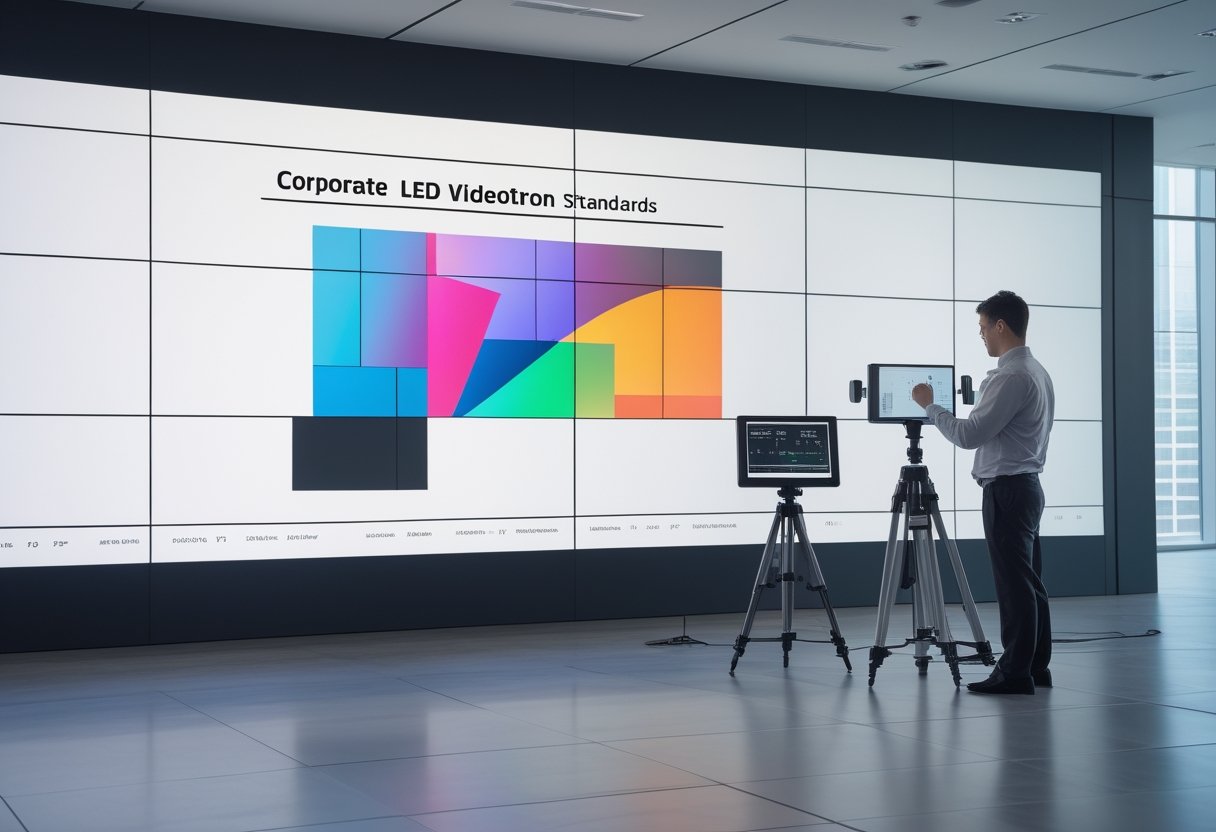
Standar LED Videotron Corporate perlu dimulai dari tujuan penggunaan, bukan dari ukuran layar atau harga per meter persegi. Melalui pendekatan MLV Teknologi, Anda perlu menilai bagaimana layar mendukung video conference, live streaming, dan menyatu dengan alur kerja. Pemahaman mengenai Standar LED Videotron Corporate, MLV Teknologi membantu memastikan investasi perangkat yang tepat.
Implementasi led videotron indoor dengan resolusi tinggi akan meningkatkan prestise brand. Hal ini mencakup aspek manajemen konten yang efisien agar informasi tersampaikan dengan jelas kepada seluruh karyawan.
Perbedaan Kebutuhan Ruang Rapat, Lobi, dan Command Center
Di ruang rapat, prioritas Anda biasanya adalah ketajaman teks, grafik, dan data. Pixel pitch sekitar P1.8–P2.5 dapat dipertimbangkan ketika audiens duduk dekat layar. Dukungan berbagai sumber input, perpindahan tampilan yang mulus, serta kompatibilitas dengan sistem konferensi juga penting.
Lobi memiliki tujuan yang berbeda. Layar berfungsi membangun kesan pertama sebagai lobby display atau memutar konten digital signage secara berkala pada area auditorium, ballroom, dan large venue lainnya. Konfigurasi video wall yang megah seringkali menjadi pusat perhatian utama di area publik ini. Anda perlu memperhatikan tingkat kecerahan, viewing angle, desain kabinet, serta kemampuan beroperasi dalam durasi panjang untuk menunjang komunikasi visual yang efektif.
Command center menuntut keandalan dan keterbacaan data real-time. Redundansi daya dan sinyal, pemantauan kondisi layar, serta akses pemeliharaan harus masuk dalam standar sejak tahap desain. Spesifikasi yang sesuai ruang rapat belum tentu memadai untuk lingkungan operasional yang aktif sepanjang hari.
Beberapa kantor juga mulai mengintegrasikan videotron outdoor sebagai media informasi publik di area depan gedung. Selain itu, layar besar kini sering ditemukan pada training center perusahaan untuk mendukung edukasi karyawan.
Kriteria Keberhasilan selain Ukuran Layar
Ukuran layar hanya salah satu indikator. Anda juga perlu mengukur:
- Keterbacaan konten dari jarak terdekat hingga terjauh.
- Keseragaman warna dan kecerahan di seluruh permukaan.
- Kemudahan manajemen konten bagi operator saat mengganti sumber tampilan.
- Gangguan instalasi terhadap aktivitas kantor.
- Waktu pemulihan ketika modul mengalami masalah, prosedur troubleshooting yang cepat, atau jika terdapat kondisi led absen pada panel. Mendeteksi dini masalah seperti led absen atau absen led sangat penting untuk menjaga integritas visual agar tidak ada titik hitam yang mengganggu pemandangan.
- Tingkat uniformitas warna yang konsisten di seluruh area layar tanpa adanya belang atau perbedaan degradasi warna antar modul.
- Kesiapan listrik, pendinginan, struktur, jaringan, serta fitur monitoring remote untuk pengawasan terpusat.
Standar yang baik menghasilkan pengalaman visual yang konsisten sekaligus menjaga operasional tetap berjalan. Karena itu, survei lokasi dan pemetaan kebutuhan pengguna sebaiknya dilakukan sebelum Anda meminta penawaran. Mitra lokal seperti MLV Teknologi dapat membantu konsultasi, survei, instalasi, dan koordinasi implementasi dengan pendekatan yang praktis.
Parameter Teknis untuk Menetapkan Standar Tampilan
Parameter teknis harus diterjemahkan menjadi dampak yang dapat Anda lihat dan ukur. Pixel pitch menentukan jarak pandang, sedangkan kecerahan, refresh rate, controller, dan redundansi menentukan kualitas serta kesinambungan operasi.
Pixel Pitch dan Jarak Pandang Efektif
Pixel pitch adalah jarak antar-LED dalam milimeter. Nilai yang lebih kecil biasanya menghasilkan gambar lebih rapat dan nyaman dilihat dari jarak dekat, tetapi biaya investasi dapat meningkat.
Untuk ruang rapat eksekutif dengan jarak pandang sekitar 2–4 meter, P1.25–P2.0 dengan teknologi cob led dapat menjadi pilihan untuk mengejar resolusi tinggi hingga 4k ultra hd. Kejelasan visual pada resolusi tinggi sangat krusial untuk menampilkan spreadsheet atau data teknis yang mendetail. Ruang presentasi dengan jarak 4–8 meter dapat mempertimbangkan P2.0–P2.5 dalam sistem modular yang presisi.
Untuk area yang lebih luas seperti auditorium atau large venue lainnya, penggunaan P3.0 hingga P5.0 seringkali lebih efektif secara biaya. Teknologi smd3535 dan smd2727 tetap menjadi standar industri yang handal untuk berbagai varian pixel pitch tersebut di lokasi large venue. Hitung viewing distance dominan dan jenis konten guna menjaga kualitas gambar tetap tajam. Kualitas konten 4k/8k juga akan terlihat lebih optimal jika pixel pitch dipilih dengan akurat.
Resolusi, Rasio Aspek, dan Kompatibilitas Sumber Konten
Memastikan penggunaan aspect ratio 16:9 umumnya paling mudah diintegrasikan dengan laptop dan sistem video conference. Standar aspect ratio 16:9 ini juga mempermudah jalannya live streaming untuk kegiatan townhall atau pengumuman penting perusahaan. Resolusi akhir ditentukan oleh ukuran fisik layar, pixel pitch, serta controller, bukan oleh klaim resolusi saja. Sistem manajemen konten yang handal diperlukan untuk mengatur jadwal penayangan berbagai format media secara otomatis.
Anda perlu memastikan dukungan terhadap sumber HDMI, DisplayPort, sistem konferensi, signage player, dan format konten yang digunakan tim komunikasi. Untuk layar nonstandar seperti bentuk L atau lengkung, proses pemetaan, kalibrasi, dan pengelolaan konten memerlukan perencanaan tambahan.
Brightness, Refresh Rate, dan Akurasi Warna
LED indoor membutuhkan tingkat kecerahan terkontrol melalui auto-brightness adjustment serta cakupan color gamut yang luas serta rasio kontras yang optimal. Pengaturan brightness yang presisi melalui auto-brightness adjustment sangat krusial agar tampilan tetap nyaman dipandang di berbagai area ruang corporate. Kualitas color gamut dan rasio kontras yang superior menghasilkan gradasi warna yang halus serta alami.
Dukungan teknologi hdr meningkatkan detail visual pada kisaran 800–1.200 nits, disesuaikan dengan cahaya ruangan agar gambar tetap jelas. Melalui color calibration atau kalibrasi warna yang tepat, reproduksi warna akan tetap konsisten. Rasio kontras yang tinggi juga membantu ketajaman visual di berbagai kondisi cahaya, memastikan teks tetap terbaca jelas.
Refresh rate di atas 1.920 Hz membantu mengurangi garis atau kedipan saat layar direkam kamera. Akurasi warna perlu dinilai melalui keseragaman antarmodul serta kepatuhan terhadap standar warna ntsc atau srgb. Kalibrasi warna yang presisi memastikan konten tampil sesuai desain aslinya. Untuk kebutuhan brand, mintalah demonstrasi konten dengan warna perusahaan yang akurat.
Keandalan Modul, Controller, dan Sistem Redundansi
Modul LED dengan komponen berkualitas seperti Epistar atau nationstar pada tipe smd3535 dan smd2727 memastikan konsistensi warna. Penggunaan chip Epistar telah terbukti memberikan stabilitas jangka panjang untuk penggunaan intensif. Setiap panel led juga harus dilengkapi dengan heat sink yang mumpuni untuk membuang panas berlebih dari chip smd.
Konfigurasi video wall dengan standar ip43 harus didukung sistem kontrol yang mumpuni untuk input switching. Akses penggantian modul juga harus sesuai dengan desain ruangan.
Untuk command center, conference hall, atau ruang yang tidak boleh kehilangan tampilan, pertimbangkan implementasi sistem redundansi pada backup power supply, dual processing unit, serta jalur sinyal sdi. Nilai keandalan juga ditentukan oleh ketersediaan suku cadang, dokumentasi konfigurasi, dan kemampuan teknisi merespons gangguan. Hal ini sangat krusial untuk meminimalisir downtime yang dapat mengganggu jalannya kegiatan bisnis penting. MLV Teknologi dapat menjadi salah satu mitra yang Anda evaluasi berdasarkan pengalaman instalasi, komunikasi responsif, dan dukungan implementasinya.
Perencanaan Implementasi dan Total Cost of Ownership
Biaya pembelian panel bukan gambaran lengkap investasi. Anda perlu menghitung struktur, listrik, dan total cost of ownership yang mencakup seluruh masa pakai perangkat. Analisis total cost of ownership membantu perusahaan mengalokasikan anggaran secara lebih efektif dan transparan. Pemilihan perangkat yang tepat merupakan investasi jangka panjang bagi perusahaan.
Hal ini termasuk biaya instalasi, pemeliharaan, konsumsi daya, serta efisiensi energi sistem. Perhitungan roi analysis yang matang beserta estimasi payback period akan memberikan gambaran finansial yang lebih baik. Dengan menghitung return on investment (roi) secara detail, Anda dapat melihat dampak finansialnya.
Memahami biaya operasional secara menyeluruh membantu manajemen dalam melihat potensi penghematan biaya di masa depan. Analisis return on investment yang akurat memastikan proyek memberikan nilai tambah yang maksimal bagi organisasi.
Survei Lokasi, Struktur Pemasangan, dan Manajemen Kabel
Layanan site survey mencakup dimensi dinding, pencahayaan, efisiensi energi, serta thermal management untuk menjaga suhu operasional. Dalam proses instalasi videotron, penggunaan sistem modular mempermudah penyesuaian beban panel dan struktur pemasangan yang diverifikasi.
Modular design ini sangat membantu jika nantinya dibutuhkan relokasi atau perubahan ukuran layar secara mendalam. Pastikan seluruh proses instalasi videotron mengikuti standar keamanan konstruksi yang berlaku di Indonesia. Penerapan teknologi efisiensi energi tidak hanya mengurangi biaya listrik tetapi juga memperpanjang umur komponen elektronik. Sistem yang efisien akan meminimalisir risiko munculnya gejala absen led atau kerusakan pixel akibat panas berlebih.
Sediakan ruang akses pemeliharaan, terutama jika panel tidak dapat dilepas dari sisi depan. Jalur kabel daya dan data sebaiknya terpisah, diberi label, serta memiliki perlindungan yang memudahkan penelusuran gangguan. Kebutuhan daya khusus dan estimasi konsumsi daya juga perlu dibahas bersama tim fasilitas sejak awal.
Integrasi dengan Sistem AV dan Kontrol Ruangan
Integrasi sistem audio visual memastikan videotron diperlakukan sebagai bagian dari ekosistem AV, bukan perangkat yang berdiri sendiri. Anda perlu memetakan hubungan dengan switcher, prosesor video, kamera konferensi, sistem audio, sistem reservasi ruang, dan kontrol ruangan.
Antarmuka operator harus sederhana untuk penggunaan harian. Skenario seperti presentasi, rapat hybrid, dan kondisi darurat sebaiknya diuji sebelum serah terima. Program training operator yang komprehensif sangat disarankan agar staf internal dapat mengoperasikan sistem dengan lancar. Dokumentasi konfigurasi membantu tim IT menangani perubahan tanpa selalu bergantung pada vendor.
Pemeliharaan Preventif serta Dukungan Purnajual
Pemeliharaan preventif dapat mencakup pemeriksaan modul, konektor, catu daya, suhu, ventilasi, dan controller. Kegiatan maintenance secara berkala ini memastikan keseragaman warna tetap terjaga selama bertahun-tahun. Jadwalnya perlu disesuaikan dengan durasi pemakaian dan tingkat kritis ruangan.
Saat membandingkan penawaran, periksa layanan purna jual, ketersediaan spare parts yang lengkap, serta dukungan teknis yang memadai untuk menjamin keberlanjutan unit. Sebagai value add partner, MLV Teknologi menyediakan ketersediaan spare parts orisinal, technical support yang handal, dan dukungan teknis yang berkelanjutan. Peran sebagai value add partner mencakup konsultasi desain hingga pemeliharaan rutin yang menyeluruh. Untuk kebutuhan kritis, layanan technical support 24/7 memastikan operasional display tidak terganggu kendala teknis mendadak. Total biaya kepemilikan yang rendah berasal dari desain tepat dan pemeliharaan terencana. Untuk proyek di Jakarta Selatan, hubungi MLV Teknologi di +62 817-0818-006 untuk survei dan implementasi.
by Melvin Halpito | Aug 18, 2026 | Article
Peran Visual Digital dalam Pengalaman Ruang Kerja Premium
LED videotron membantu Anda membentuk pengalaman ruang kerja yang konsisten melalui strategi komunikasi visual yang kuat. Solusi digital signage dan penggunaan led videotron indoor meningkatkan efektivitas penyampaian pesan melalui teknologi seamless display. Bersama MLV Teknologi, perusahaan dapat mengintegrasikan media visual yang modern dan elegan.
Penggunaan led display indoor dan instalasi videotron indoor yang terencana akan mengoptimalkan return on investment (roi) perusahaan. Investasi pada layar digital berkualitas sangat krusial untuk meningkatkan brand awareness di lingkungan kantor premium.
Implementasi layar digital yang canggih mempermudah distribusi konten di seluruh area kantor. Penggunaan media ini memperkuat branding perusahaan secara modern bagi setiap pengunjung yang datang dan bekerja di sana. Strategi komunikasi ini juga efektif dalam membangun brand awareness yang positif bagi mitra bisnis.
Nilainya terletak pada cara teknologi ini menghubungkan citra korporat dan arus informasi sejak tamu memasuki lobi. Implementasi digital signage yang tepat menciptakan pengalaman audiens yang lebih mendalam dibandingkan dengan media konvensional.
Menciptakan Kesan Pertama yang Konsisten
Lobi menjadi titik kontak penting bagi klien, mitra, dan kandidat kerja. Sebagai bentuk digital signage modern, layar LED dengan resolusi tinggi dapat menampilkan profil perusahaan secara memukau dan profesional.
Tampilan 4k ultra hd jauh lebih menarik untuk membangun brand awareness di area pintu masuk. Dengan standar 4k ultra hd, setiap detail visual terlihat tajam dan memberikan kesan profesional yang luar biasa kuat.
Fleksibilitas konten multimedia memungkinkan Anda mengubah pesan visual dalam hitungan detik melalui software manajemen konten dan content management yang efisien. Penggunaan led branded dengan teknologi cob led juga memberikan visual yang lebih halus dan daya tahan permukaan yang lebih tinggi.
Kesan premium tidak hanya ditentukan oleh ukuran layar, tetapi juga tingkat brightness yang pas. Pengaturan brightness yang tepat memastikan konten tetap nyaman dipandang dalam berbagai kondisi cahaya.
Konten yang teratur serta pemasangan yang menyatu dengan interior menentukan tingkat profesionalisme. Hal ini mencegah layar justru mengganggu estetika desain ruang kerja premium yang sudah ada.
Mendukung Komunikasi Internal dan Kolaborasi
Di koridor atau event area, penggunaan led videotron indoor dapat menjadi saluran informasi terpusat. Mengadopsi teknologi video wall dengan resolusi tinggi memungkinkan tampilan visual yang masif di area publik.
Anda dapat menyampaikan pengumuman internal melalui led display indoor, memfasilitasi live streaming acara korporat, atau menampilkan data led videotron absen secara dinamis. Integrasi absen led dan penggunaan monitoring remote memudahkan pemantauan operasional layar di area strategis secara real-time. Melalui fitur live streaming, karyawan di kantor cabang juga dapat mengikuti acara pusat secara simultan.
Instalasi led videotron indoor memfasilitasi video conference dan presentasi bisnis dengan resolusi tinggi yang tajam. Refresh rate yang optimal pada layar sangat mendukung kualitas video conference agar tetap stabil tanpa flicker. Dengan refresh rate tinggi, tampilan layar tetap jernih saat ditangkap oleh kamera selama pertemuan daring.
Fitur lain seperti led absen juga dapat diintegrasikan untuk transparansi data operasional. Layanan produk seperti A27 Plus Series sering menjadi pilihan untuk kebutuhan estetika tinggi di berbagai area kantor.
Dalam praktiknya, manfaat ini bergantung pada tata kelola konten. Tim IT perlu menetapkan hak akses, jadwal tayang, format media, dan prosedur pembaruan agar layar tetap relevan.
Memperkuat Identitas Visual Perusahaan
Layar LED memberi ruang bagi Anda untuk menerapkan identitas visual melalui komunikasi visual yang dinamis. Dukungan color gamut yang luas menjamin reproduksi warna akurat agar warna merek tampil sesuai standar ntsc. Proses color calibration rutin memastikan uniformitas warna tetap terjaga di setiap modul yang terpasang.
Fitur teknologi hdr dan rasio kontras yang optimal memberikan kedalaman gambar yang luar biasa. Dengan rasio kontras yang tinggi, perbedaan antara warna hitam dan putih menjadi lebih tegas dan jernih. Penggunaan hdr menjamin visual tetap memukau bahkan pada konten dengan rentang dinamis yang tinggi.
Penggunaan hdr sangat terasa saat tamu datang ke boardroom yang memiliki pencahayaan khusus. Konsistensi tetap menjadi kunci untuk menjaga integritas visual di seluruh penjuru gedung.
Kalibrasi warna, uniformitas warna, dan rasio tampilan harus dijaga dengan ketat. Hal ini memastikan seluruh elemen komunikasi visual di lobi dan ruang rapat terasa menyatu dalam satu sistem terencana.
Kriteria Teknologi untuk Tampilan Profesional
Keputusan teknis perlu dikaitkan dengan kondisi ruang dan tujuan bisnis, bukan hanya spesifikasi tertinggi. Jarak pandang, pencahayaan, jenis konten, sistem kontrol, serta kesiapan infrastruktur akan menentukan kualitas pengalaman.
Resolusi, Pixel Pitch, dan Jarak Pandang
Pixel pitch adalah jarak antar titik LED pada panel. Semakin kecil nilainya, semakin rapat piksel dan semakin halus gambar dari jarak dekat.
Penentuan viewing distance yang tepat sangat krusial untuk kenyamanan mata pengguna. Untuk lobi atau ruang meeting dengan jarak pandang terbatas, pixel pitch yang rendah sangat disarankan.
Memahami jarak pandang ideal akan membantu Anda memilih spesifikasi panel yang paling efisien secara biaya. Anda perlu memetakan posisi audiens sebelum memilih panel led yang tepat.
Pemanfaatan desain modular yang fleksibel mempermudah proses servis, sementara prinsip modular design ini membantu mempercepat waktu instalasi videotron indoor. Selain itu, sistem redundansi yang menyertainya memastikan layar tetap aktif tanpa gangguan teknis saat terjadi kegagalan data.
Penggunaan sistem redundansi ganda menjadi standar pada instalasi kantor premium. Keunggulan modular design adalah kemudahan penggantian komponen tanpa harus membongkar seluruh rangkaian layar.
Pemilihan komponen seperti smd3535 atau smd2727 untuk area tertentu juga perlu diperhatikan oleh tim teknis. Chip smd2727 menawarkan keseimbangan performa untuk kebutuhan pixel pitch tertentu. Sementara itu, teknologi smd3535 sering menjadi pilihan karena durabilitasnya, dan chip berkualitas dari epistar mendukung ketahanan layar jangka panjang.
Panel berkualitas tinggi memiliki angka mtbf yang panjang untuk menjamin kehandalan operasional di large venue seperti auditorium kantor. Dengan mtbf yang tinggi, frekuensi perbaikan hardware menjadi jauh lebih berkurang.
Kecerahan dan Akurasi Warna di Dalam Ruangan
Kecerahan harus mengikuti cahaya ambient agar informasi tetap terbaca dengan jelas. Tingkat kecerahan yang diukur dalam satuan nits perlu disesuaikan dengan kondisi lampu ruangan agar tidak menyilaukan.
Layar terlalu terang dapat melelahkan mata, sehingga fitur auto-brightness adjustment sangat diperlukan. Sistem auto-brightness adjustment secara otomatis menyesuaikan tingkat cahaya layar dengan kondisi ruangan. Cari sistem yang mendukung efisiensi energi guna menekan biaya operasional tanpa mengorbankan kualitas gambar.
Optimalisasi konsumsi daya berkaitan erat dengan thermal management dan efisiensi energi yang baik pada perangkat. Sistem thermal management yang mumpuni akan memperpanjang usia pakai komponen di dalam layar.
Konsumsi daya yang rendah membantu menekan biaya operasional gedung secara signifikan. Hal ini memastikan performa tetap terjaga meski led videotron indoor dioperasikan terus-menerus di area large venue. Efisiensi konsumsi daya juga mencerminkan komitmen perusahaan terhadap keberlanjutan lingkungan.
Untuk kebutuhan indoor, pemilihan ip rating yang tepat sangat krusial. Berbeda dengan videotron outdoor yang membutuhkan proteksi cuaca ekstrem, standar ip43 pada layar kantor sudah memadai untuk melindungi komponen internal dari debu halus.
Akurasi warna serta penyajian warna akurat sangat penting ketika layar menampilkan logo perusahaan sesuai color gamut asli. Refresh rate yang stabil membantu mengurangi kedipan saat layar direkam atau digunakan untuk siaran langsung. Penggunaan led branded berkualitas tinggi menjamin uniformitas visual di seluruh permukaan layar.
Integrasi Konten, Kontrol, dan Infrastruktur AV
LED videotron akan lebih berguna ketika terhubung dengan integrasi sistem audio visual kantor yang mendukung input hdmi, displayport, dan sdi secara terpusat. Penggunaan port hdmi, displayport, dan koneksi sdi profesional memudahkan integrasi dengan berbagai perangkat multimedia. Integrasi sistem audio visual yang matang memastikan transisi konten berjalan mulus di seluruh ruang corporate.
Berbeda dengan videotron outdoor, standar layar premium di kantor kini mulai menyamai kualitas yang ada di mall atau convention center dengan ip rating yang sesuai kebutuhan indoor. Penggunaan layar digital di area publik kantor memberikan kesan megah layaknya convention center internasional. Integrasi sistem kontrol pusat menjadi kunci utama manajemen aset digital di seluruh gedung.
Penggunaan chip berkualitas seperti nationstar atau epistar memastikan ketahanan komponen yang memadai. Produk dengan komponen nationstar dikenal memiliki stabilitas warna yang sangat baik untuk penggunaan jangka panjang.
Layanan instalasi videotron indoor yang baik menyertakan fitur monitoring remote untuk pengawasan jarak jauh. Adanya remote monitoring mempermudah pemeliharaan sistem dari satu pusat kontrol.
Fitur remote monitoring sangat membantu tim IT dalam mengelola aset digital secara efisien di dalam large venue. Sebelum instalasi, Anda perlu memeriksa kapasitas listrik, ventilasi, dan jalur jaringan yang memadai.
Pertimbangan Investasi dan Implementasi
Nilai LED videotron tidak berhenti pada kualitas gambar semata. Strategi komunikasi visual yang tepat dan efisiensi energi yang ditawarkan menjadi faktor kunci dalam investasi jangka panjang perusahaan.
Menilai Nilai Jangka Panjang di Luar Harga Awal
Harga panel hanyalah salah satu komponen investasi awal dalam pengadaan unit. Penting untuk mempertimbangkan total cost of ownership yang dipengaruhi oleh efisiensi energi serta biaya pemeliharaan rutin di masa depan. Analisis total cost of ownership membantu manajemen melihat efektivitas biaya dalam siklus hidup produk.
Biaya operasional jangka panjang juga perlu dipantau melalui strategi maintenance yang tepat. Perhitungan return on investment (roi) yang akurat akan membantu perusahaan dalam merencanakan anggaran teknologi jangka panjang.
Memilih perangkat dengan failure rate rendah secara signifikan menekan total cost of ownership perusahaan. Tingkat failure rate yang minim memastikan operasional bisnis berjalan lancar tanpa gangguan mendadak.
Efisiensi komunikasi serta pencapaian target return on investment akan terasa melalui durabilitas perangkat yang maksimal. Layanan MLV Teknologi mengedepankan durabilitas tinggi agar layar tetap beroperasi optimal selama bertahun-tahun. Investasi ini bukan sekadar menambah elemen visual, melainkan aset digital yang fungsional.
Merancang Instalasi yang Selaras dengan Operasional Kantor
Kantor aktif membutuhkan rencana kerja yang rinci untuk menghindari gangguan. Jadwal pengiriman, akses teknisi, perlindungan area kerja, pengendalian debu, dan pengujian sistem perlu disusun secara profesional.
Pemasangan juga harus mempertimbangkan akses servis dan keamanan panel secara menyeluruh. MLV Teknologi bertindak sebagai value add partner yang membantu koordinasi antara IT dan desainer interior.
Sebagai value add partner, kami memastikan kebutuhan teknis selaras dengan operasional harian kantor. Hal ini memberikan ketenangan bagi manajemen dalam mengelola aset digital mereka dalam jangka panjang.
Pentingnya Dukungan Teknis dan Pemeliharaan
Pemeliharaan mencakup pemeriksaan modul LED, unit power supply, dan maintenance rutin secara berkala. Perawatan videotron serta color calibration pada unit seperti N Plus Series dan A27 Plus Series memastikan visual tetap tajam.
Kualitas visual yang konsisten didukung oleh thermal management yang baik untuk mencegah overheat. Kalibrasi warna secara berkala juga diperlukan agar kualitas gambar tidak menurun seiring waktu.
Penggunaan backup power supply juga sangat disarankan untuk menjaga operasional layar tetap stabil setiap saat. Integrasi sistem kontrol yang mumpuni memungkinkan pengelolaan konten yang lebih aman dan terstruktur. Prosedur troubleshooting yang cepat dan technical support yang handal harus disiapkan untuk menjaga nilai investasi.
Adanya technical support yang responsif memastikan masalah teknis dapat segera diatasi tanpa mengganggu aktivitas kantor. MLV Teknologi menyediakan dukungan penuh untuk memastikan setiap sistem kontrol berjalan tanpa hambatan.
Training operator bagi staf internal diperlukan agar mampu mengoperasikan software manajemen konten dengan benar. Perjanjian layanan yang baik menjelaskan jadwal inspeksi dan ketersediaan spare parts yang orisinal.
Layanan purna jual yang komprehensif mencakup maintenance berkala, perawatan videotron rutin, dan ketersediaan spare parts yang terjamin. Komitmen layanan purna jual dari value add partner memastikan sistem tetap berfungsi optimal setiap hari. Layanan purna jual yang kuat menjamin keberlanjutan investasi teknologi Anda dalam waktu lama.
Ketersediaan spare parts yang cepat dan dukungan technical support yang responsif sangatlah vital bagi operasional kantor premium. Hubungi MLV Teknologi melalui +62 817-0818-006 guna mendapatkan solusi yang meningkatkan roi perusahaan.

Recent Comments